When I approach Selecting Seal Materials for Aggressive Automotive Cleaning Solvents, I begin with the complete cleaning formulation rather than the product name alone. Solvent family, concentration, temperature, pressure, exposure time, spray impact, and repeated cleaning cycles can determine whether a seal swells, cracks, softens, shrinks, or leaks. A material that performs well in one brake cleaner may fail in another product containing ketones, glycol ethers, aromatic hydrocarbons, or alkaline additives.
- Identify the exact solvent family, concentration, additives, and temperature range.
- Map every seal, gasket, plastic, coating, adhesive, and metal substrate exposed.
- Check continuous contact, splash exposure, spray impact, dwell time, and cleaning frequency.
- Eliminate materials with known swelling, embrittlement, permeation, or compression-set risks.
- Validate the shortlist with supplier data and testing under real automotive conditions.
FKM and PTFE are common starting points for aggressive solvent service, while EPDM, NBR, HNBR, silicone, and FFKM serve more specific chemical and temperature ranges. No single elastomer is compatible with every automotive cleaning solvent, so final selection requires formulation-specific data and practical exposure testing.
How to Select Seal Materials for Aggressive Automotive Cleaning Solvents
I use a compatibility process that evaluates the entire cleaning system rather than only the O-ring. The first question is not “Which rubber is best?” but “Which chemicals will contact which components, at what concentration, temperature, pressure, and duration?” This approach helps prevent premature failures in parts washers, solvent sprayers, brake-cleaning equipment, engine-bay cleaning systems, and EV service tools.
The cleaning process should be treated as the worst-case exposure. A solvent may become more aggressive when heated, concentrated by evaporation, forced through a small seal gap, or repeatedly applied during spray-and-wipe cycles. I also check whether maintenance chemicals differ from the normal process fluid because a seal can tolerate an operating liquid but fail after periodic exposure to a stronger degreaser or adhesive remover.
1. Identify the complete solvent formulation
Start with the safety data sheet, technical data sheet, and supplier compatibility information. Record the primary solvent family, concentration range, pH, water content, additives, corrosion inhibitors, fragrances, surfactants, and propellants. Product names such as “degreaser,” “brake cleaner,” or “parts washer solvent” are not sufficient for material selection because two products with similar labels can contain very different chemical blends.
I group the likely exposures into practical categories:
- Ketones: Acetone and MEK can attack many standard elastomers and plastics.
- Glycol ethers: These may cause swelling or softening in some rubber compounds.
- Aromatic hydrocarbons: Toluene and xylene can create significant volume change in unsuitable elastomers.
- Alcohols: Methanol, ethanol, and isopropanol may be acceptable for some compounds but problematic in blends.
- Alkaline cleaners: High-pH aqueous cleaners can damage materials selected only for hydrocarbon resistance.
- Citrus-based solvents: D-limonene and related terpenes can affect rubber, coatings, and adhesives.
- Mixed formulations: Blends may behave differently from each individual ingredient.
2. Map every exposed component
Seal selection should cover more than the main O-ring. I make a component list that includes static seals, dynamic seals, gaskets, valve seats, pump diaphragms, hoses, check valves, filter elements, bottle materials, coatings, adhesives, and threaded-component sealants. A chemically compatible elastomer can still fail if the adjacent plastic, coating, or adhesive dissolves and contaminates the system.
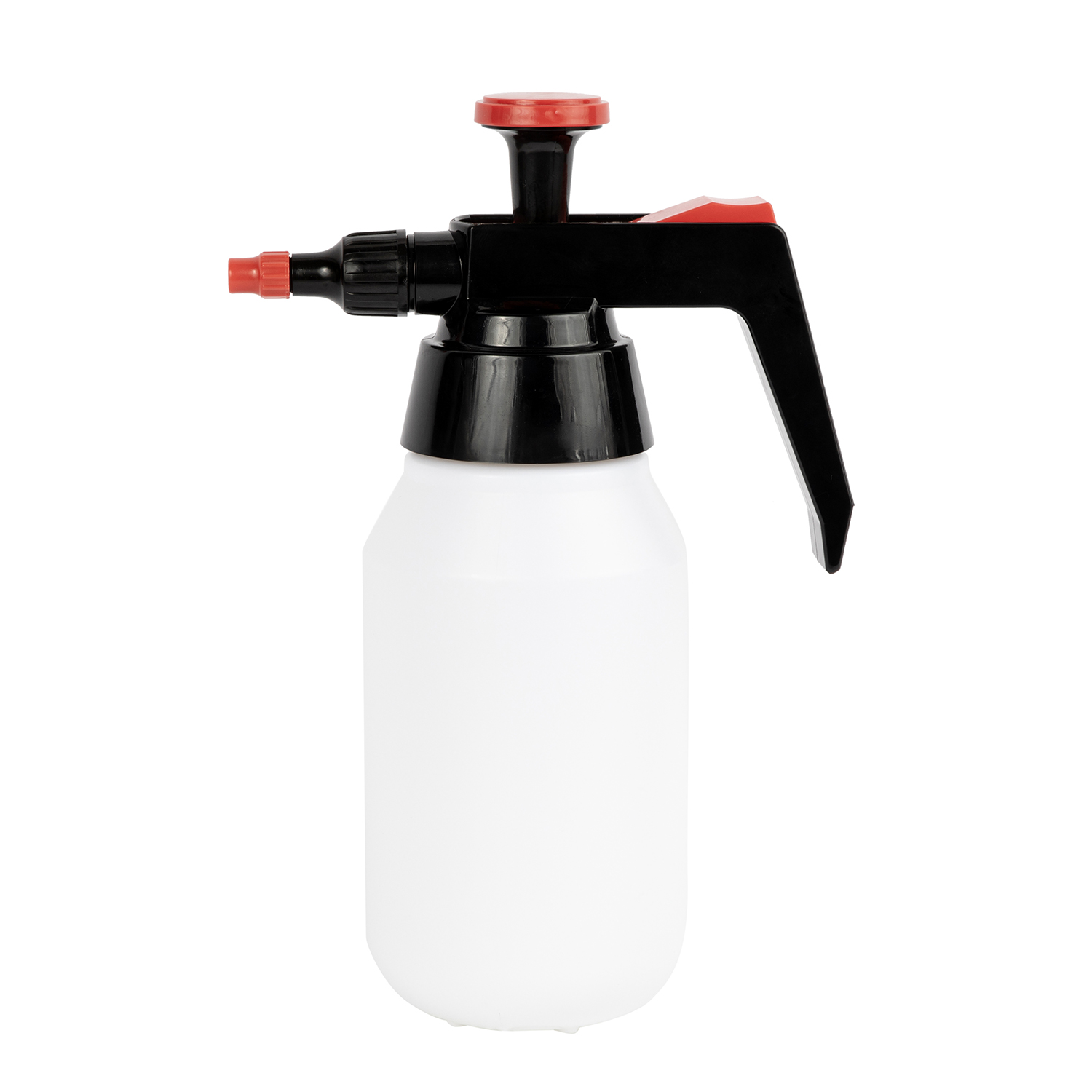
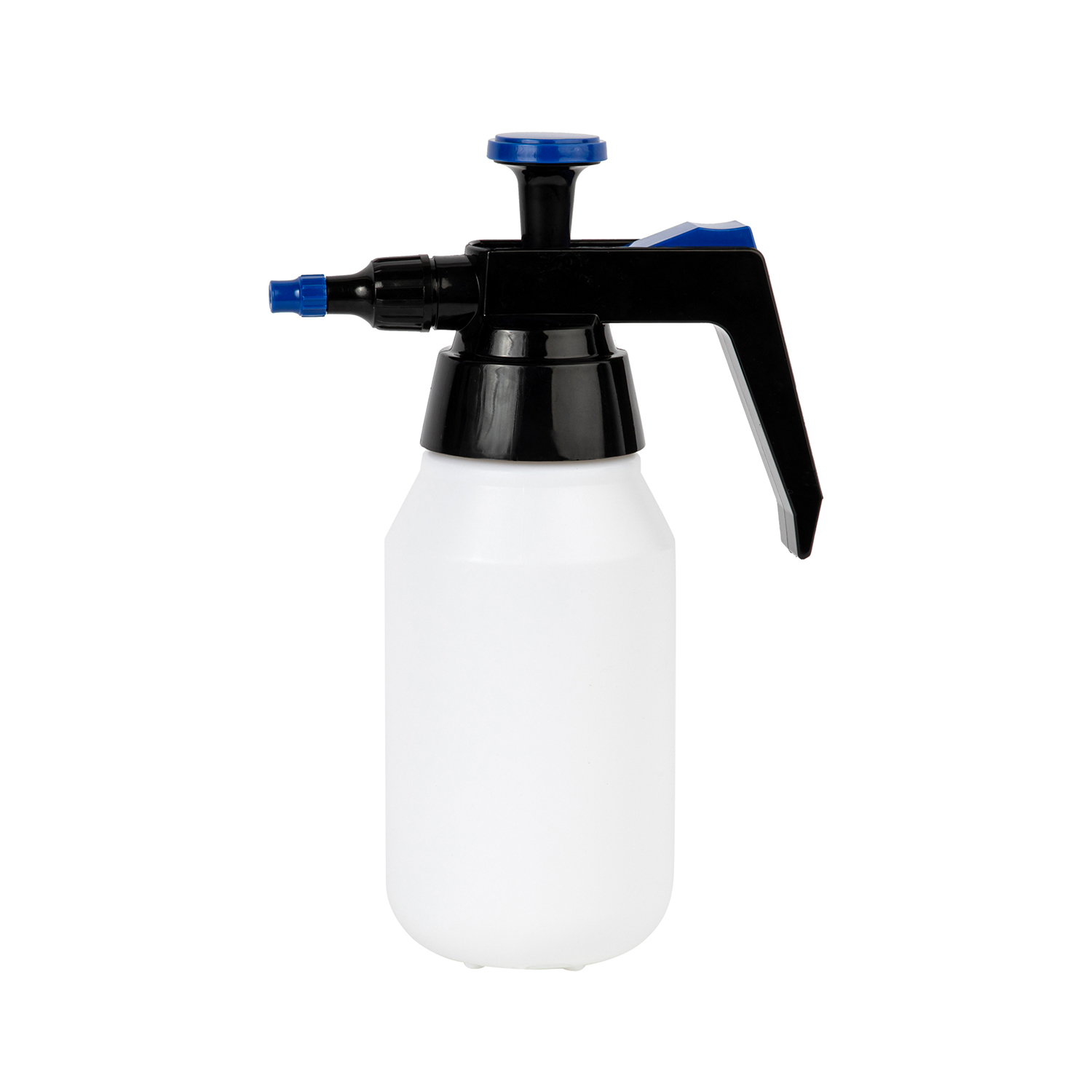
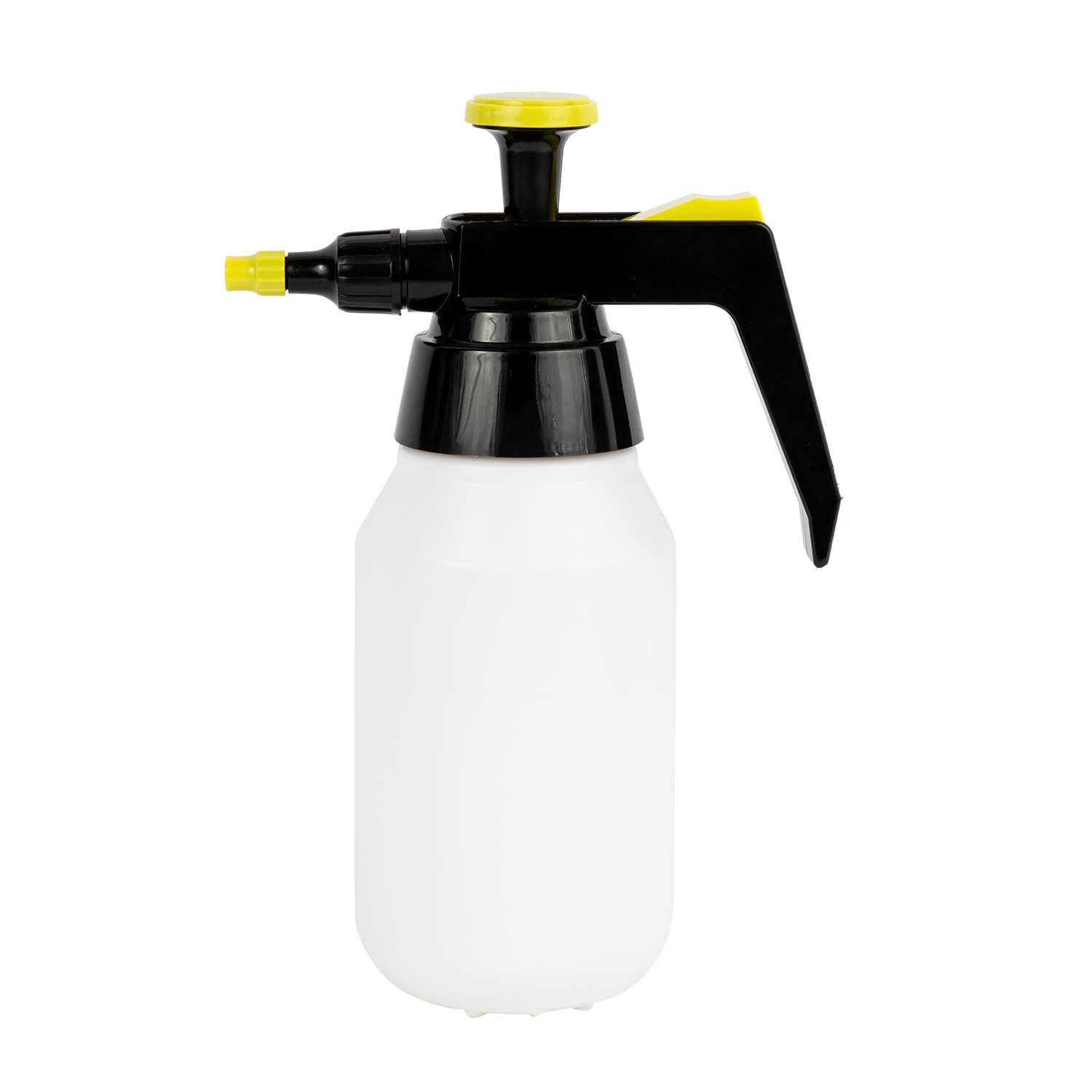
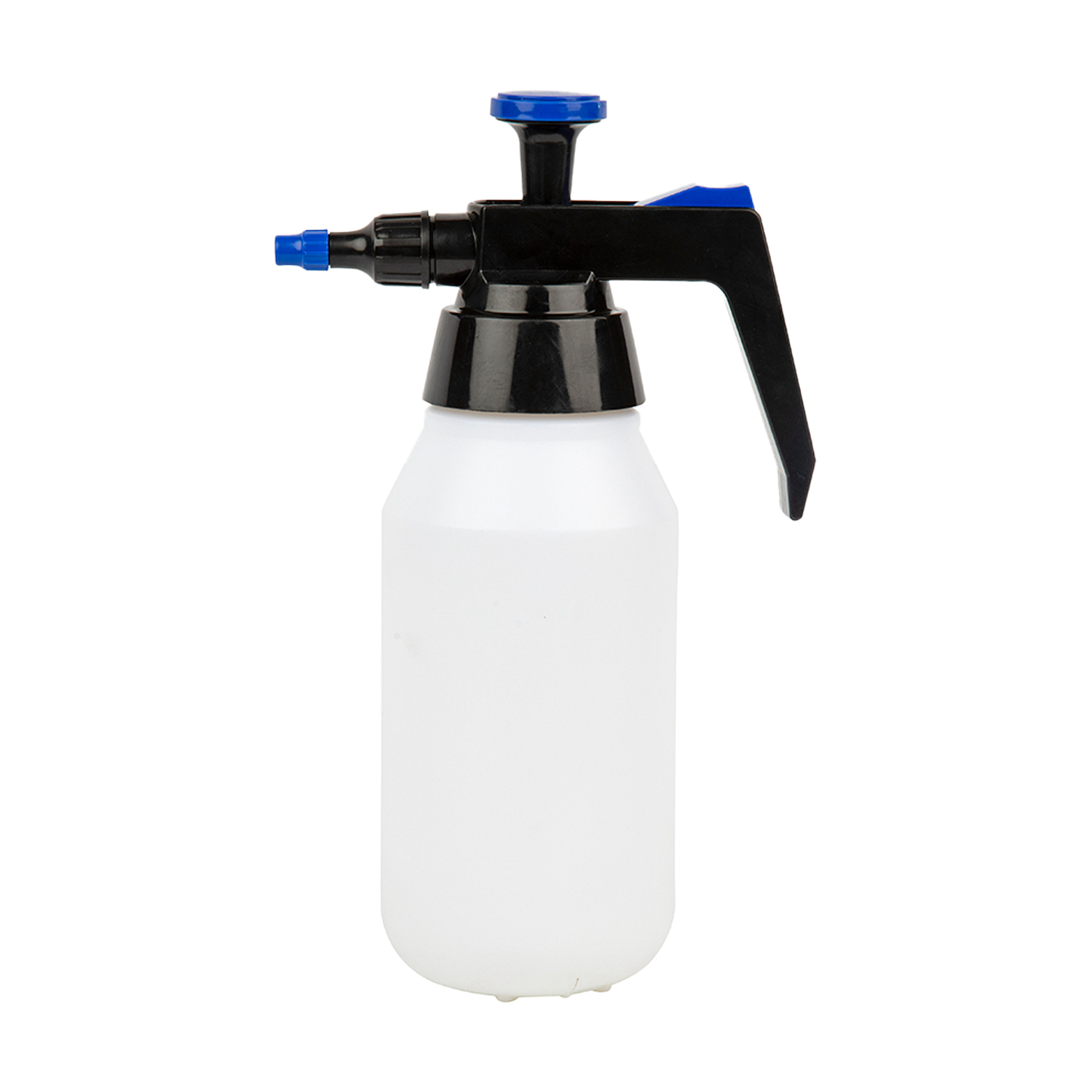
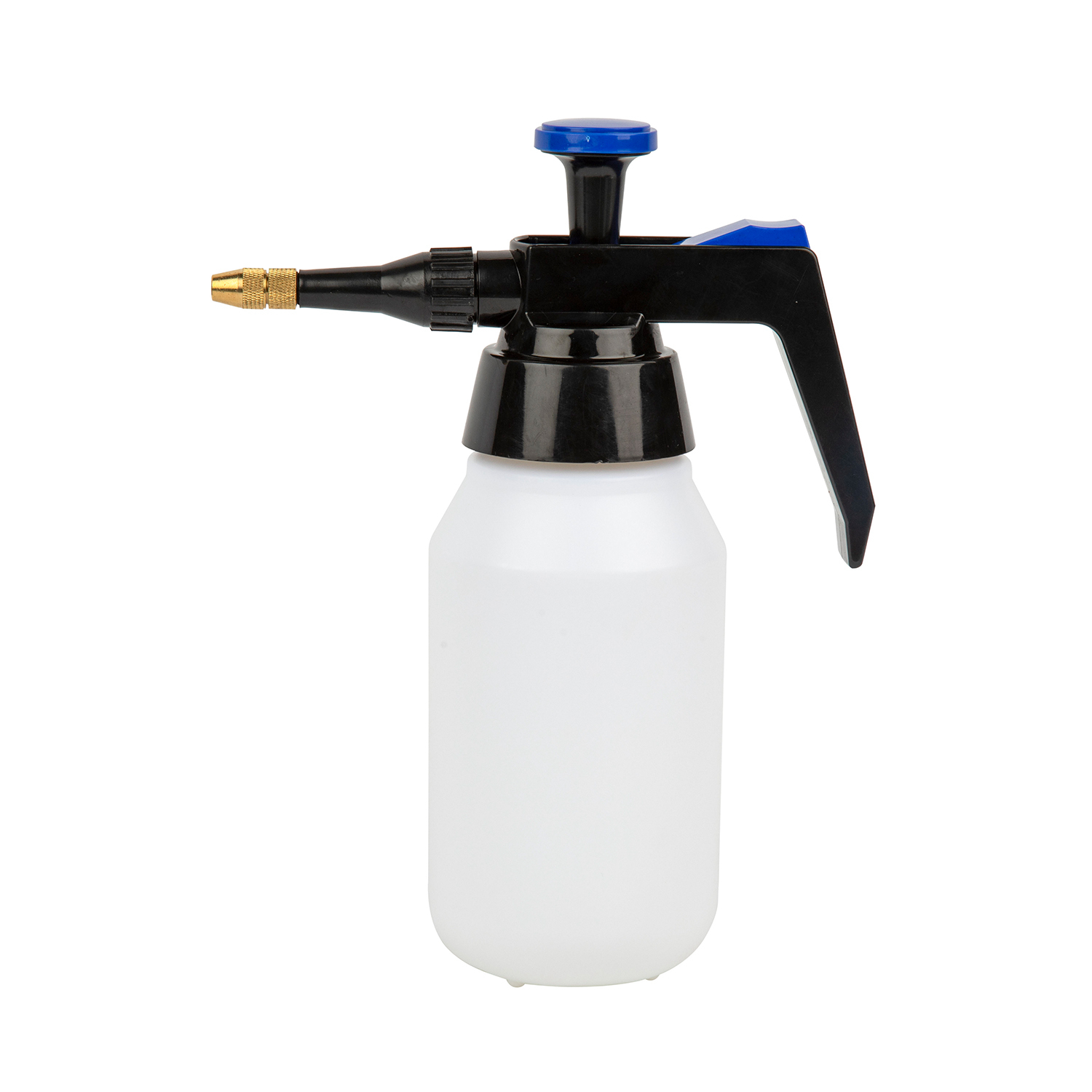
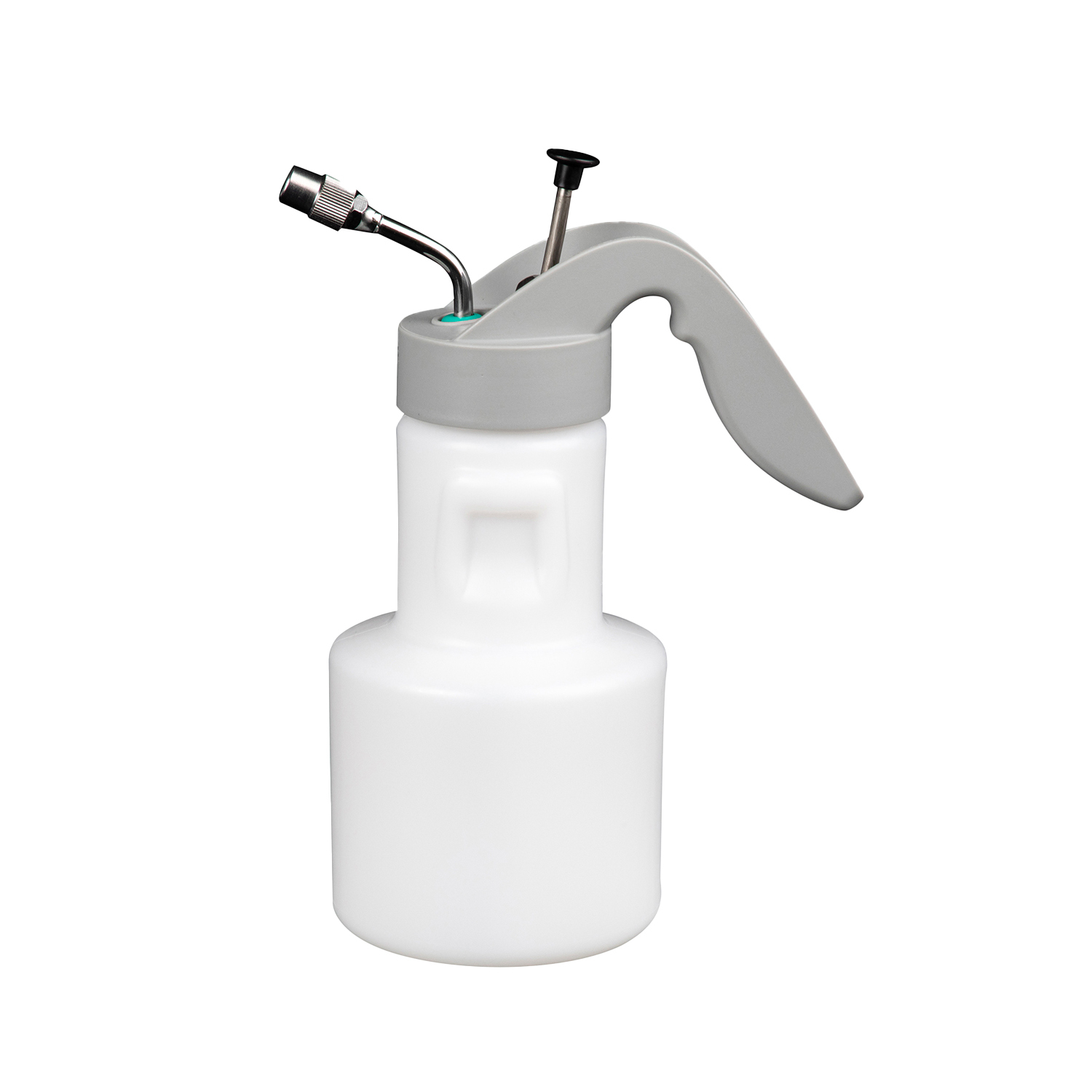
For an Automotive Solvent Sprayer, I would review the bottle, pump piston seal, trigger-valve seal, nozzle insert, dip tube, pressure-relief components, thread seal, and any internal adhesive. In a parts washer, I would add the lid gasket, circulation-pump seals, hose connections, drain valve, filter housing, and spray nozzles. This component-by-component review prevents a common mistake: approving one seal material while ignoring another part that sees the same chemical.
Best Automotive Solvent-Resistant Seal Materials
The table below provides a starting comparison, not a substitute for formulation-specific testing. Ratings can change with compound formulation, temperature, pressure, exposure time, and mechanical movement.
| Material |
Typical strengths |
Main concerns |
Suitable automotive contexts |
| FKM / Viton-type compounds |
Strong resistance to many hydrocarbons, fuels, oils, and elevated temperatures |
Limited resistance to some ketones, amines, strong bases, and certain glycol ethers |
Brake-cleaning sprayers, fuel-related service, oil and solvent exposure |
| EPDM |
Strong resistance to water, steam, many glycol-based fluids, and alkaline cleaners |
Poor resistance to petroleum oils, fuels, and many hydrocarbon solvents |
Water-based degreasers, coolant-related cleaning, alkaline wash systems |
| NBR |
Good oil and grease resistance with economical pricing |
Limited resistance to aggressive solvents, ozone, weathering, and some aromatic blends |
Mild oil-based cleaners, general maintenance, low-cost static seals |
| PTFE |
Very broad chemical resistance, low friction, and low solvent absorption |
Limited elasticity, difficult installation, possible creep under load |
Valve seats, backup rings, static gaskets, high-chemical-exposure locations |
| FFKM |
Broad chemical resistance and high-temperature capability |
High material and production cost |
Critical equipment, severe solvent blends, limited-access components |
| HNBR |
Better heat, ozone, and mechanical performance than standard NBR |
Chemical range remains narrower than PTFE or FKM |
High-temperature oil and cleaning environments with mechanical movement |
| Silicone |
Wide temperature range and flexibility |
Poor resistance to many hydrocarbons, oils, and solvents |
Low-aggression cleaners, temperature-sensitive applications, non-solvent seals |
I treat FKM as a frequent candidate rather than a universal answer. It generally suits hydrocarbon-rich cleaners and many automotive maintenance fluids, but aggressive ketones, concentrated glycol ethers, strong alkaline cleaners, and some solvent combinations require closer review. PTFE or FFKM may be more appropriate when chemical exposure is severe and seal elasticity can be managed through design.
O-Ring Compatibility with Automotive Cleaning Solvents
O-ring compatibility depends on both chemical resistance and physical sealing behavior. A compound may show limited volume change in a test fluid but still lose sealing force because it becomes brittle, permanently compressed, or permeable. Conversely, moderate swelling may improve sealing temporarily while creating excessive friction, extrusion, or installation damage.
I review four physical outcomes:
- Swelling: The seal absorbs solvent, increases in volume, and may bind in a groove.
- Shrinkage: Solvent extraction or drying reduces cross-section and creates leakage.
- Softening: The compound loses hardness and may extrude under pressure.
- Embrittlement: The seal becomes harder, cracks, or breaks during assembly.
For dynamic seals, I also evaluate friction, abrasion, compression set, and reciprocating movement. A material may resist the solvent chemically but fail mechanically because the cleaning equipment operates at elevated pressure or because repeated trigger cycles wear the seal. In a pressure sprayer, the maximum pressure, pump frequency, nozzle restriction, and seal groove design should be reviewed together.
FKM vs EPDM vs NBR: Which Material Performs Best?
There is no universal winner among FKM, EPDM, and NBR. I usually consider FKM first for hydrocarbon solvents, petroleum-based degreasers, oils, and many fuel-system cleaning environments. However, I do not select it automatically for acetone, MEK, concentrated alkaline cleaners, or solvent blends containing aggressive polar compounds.
EPDM is often the better choice for water-based alkaline cleaners, steam, detergents, and glycol-containing formulations. It is generally unsuitable for petroleum oils, fuels, and many hydrocarbon-rich automotive solvents. Selecting EPDM for a solvent sprayer used with mineral-oil degreaser can result in swelling and early leakage.
NBR remains useful where oil resistance and cost control are important, especially with moderate formulations and limited temperature exposure. Standard NBR is not the first choice for aggressive solvent blends, ozone-heavy environments, or long-term outdoor exposure. HNBR can provide improved heat and weathering performance, but I still verify chemical compatibility before specifying it.
Which Seal Materials Resist Aggressive Automotive Cleaning Solvents?
For aggressive automotive solvents, I normally shortlist FKM, PTFE, FFKM, and selected HNBR compounds, then compare them against the exact formulation. FKM is often suitable for hydrocarbon and fuel-related exposure, while PTFE provides broader chemical resistance where elastic recovery is not the primary requirement. FFKM is reserved for severe chemical and temperature conditions where the higher material cost is justified by reduced failure risk.
The solvent family changes the recommendation. Acetone and MEK may require PTFE or a specially formulated compound rather than standard FKM, while glycol ethers can require separate evaluation because performance varies by chemical and concentration. Citrus-based solvents, aromatic hydrocarbons, alkaline cleaners, and alcohol blends should each be tested independently instead of being treated as interchangeable “cleaners.”
!
Automotive Applications That Change Seal Selection
The correct material depends on where the cleaning solvent is used. Engine-bay cleaning may involve oils, fuels, coolant residues, alkaline detergents, and elevated surface temperatures. Underbody components can add road salt, moisture, abrasive particles, and repeated spray impact, which increases the importance of compression set, abrasion resistance, and external weathering.
Brake-cleaning systems often expose seals to fast-evaporating solvents, ketones, alcohols, hydrocarbons, or blended formulations. Fuel-system service requires attention to fuel additives and vapor exposure, while HVAC cleaning may involve detergents, disinfectants, condensate, and refrigerant-related materials. EV systems add another concern: cleaning chemicals must not damage insulation, connector seals, coatings, or adhesive systems near high-voltage components.
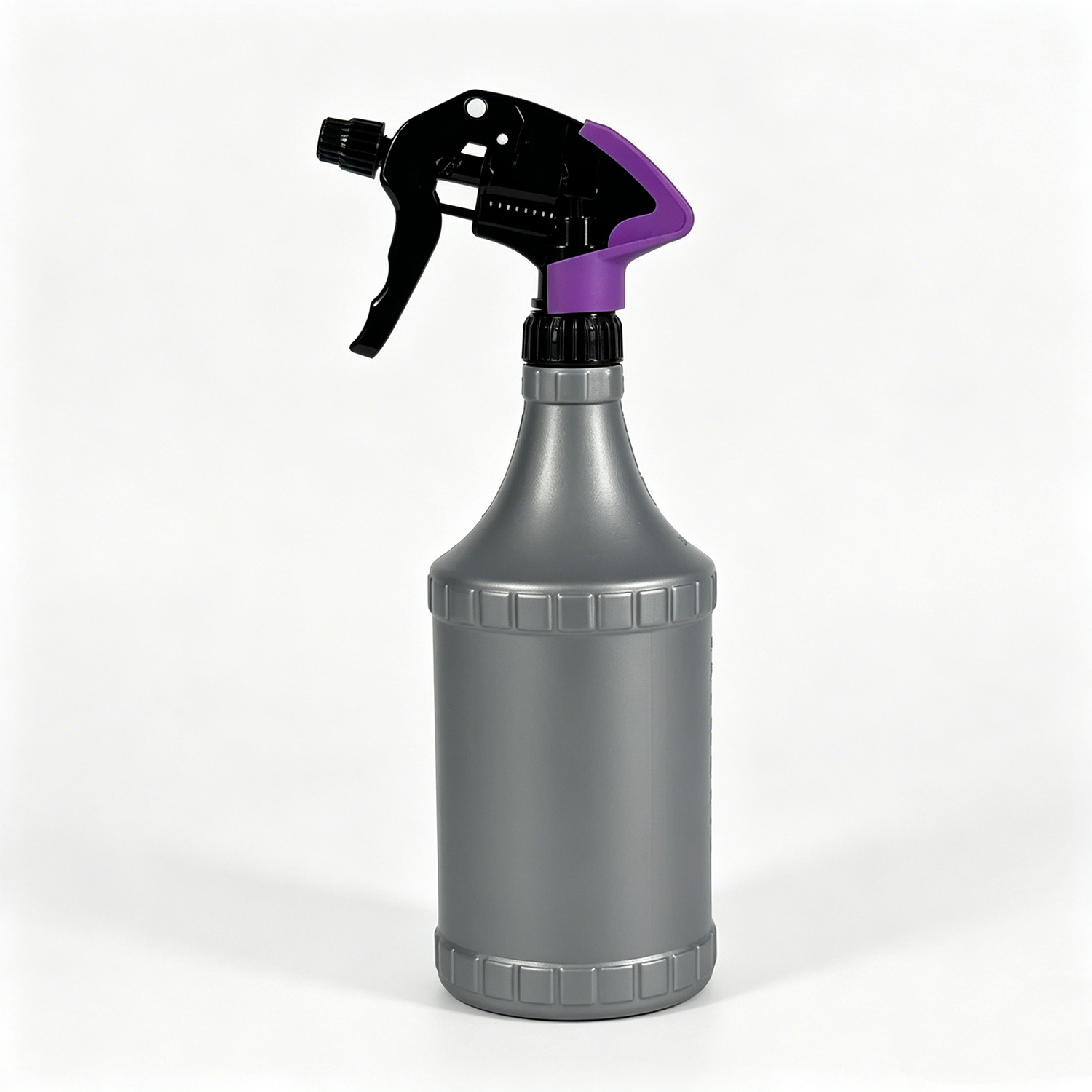
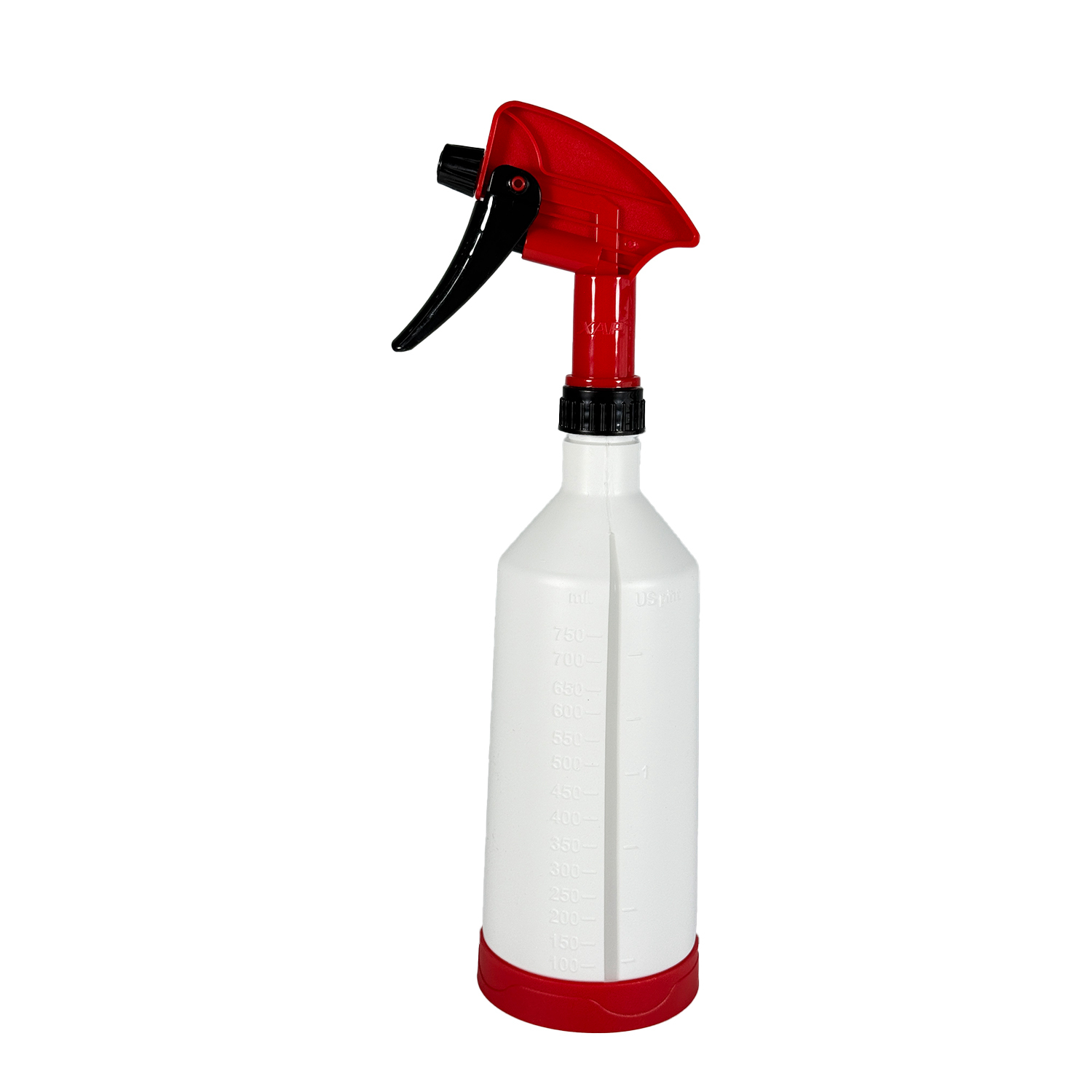
Kobold’s automotive product range includes solvent-oriented sprayers for brake cleaning, degreasing, and maintenance applications. When I assess a sprayer design, I look beyond the label and verify whether the stated FKM seal type matches the intended solvent, pressure, temperature, and service frequency. A product intended for automotive cleaning still requires confirmation against the actual chemical used in the workshop.
How Temperature, Concentration, and Exposure Time Affect Compatibility
Temperature can accelerate chemical diffusion and increase swelling, softening, and permeation. A seal that survives a short room-temperature splash may fail after continuous contact with a heated cleaner. I therefore record the normal temperature, maximum temperature spike, storage temperature, and whether the component cools between cleaning cycles.
Concentration also changes the risk profile. Evaporation can leave a more concentrated residue on a seal, while water loss from an aqueous cleaner may increase the activity of remaining solvents or alkaline ingredients. Spray pressure and narrow clearances can force softened material into gaps, causing extrusion and cutting.
Exposure time should include more than active spraying. I count filling, storage, dwell time, rinsing, drying, overnight contact, and repeated weekly cycles. A seal that survives a five-minute cleaning operation may still fail if solvent remains trapped behind a valve or inside a pump for several days.
Practical Validation Test for Seal Materials
I recommend a staged test before approving a material for production or fleet use. First, cut or obtain representative samples from the exact compound and record initial mass, dimensions, hardness, and appearance. Immerse or expose the samples to the actual solvent at the expected concentration and temperature, then inspect them at defined intervals such as 24 hours, 72 hours, 168 hours, and the anticipated service-life cycle count.
Measure the following outputs:
- Mass and volume change
- Diameter and cross-sectional change
- Hardness change
- Tensile or elongation change where relevant
- Compression set after exposure
- Surface cracking, tackiness, whitening, or blistering
- Leakage under the actual pressure and movement conditions
The final test should use complete assemblies rather than loose samples alone. Run the sprayer, pump, valve, or parts-washer circuit through repeated cycles using the real solvent, spray pressure, temperature, and dwell time. Check for trigger force, pressure retention, leakage, nozzle blockage, seal extrusion, and changes in spray pattern.
Supplier data should support the decision, but practical testing is essential when the formulation is proprietary, mixed, recycled, contaminated, or used outside the supplier’s published temperature range. I also separate process-fluid compatibility from maintenance-chemical compatibility because a cleaning system may encounter lubricants, descalers, disinfectants, and storage preservatives during its service life.
Selecting Seals for the Complete Cleaning System
A seal is only one part of the compatibility chain. I check whether the bottle or reservoir is made from a solvent-resistant plastic, whether the dip tube softens, whether the valve seat swells, and whether the coating or adhesive remains stable. PTFE may protect a valve seat while an adjacent NBR gasket fails, creating a misleading impression that the selected material is suitable.
For equipment qualification, I create a chemical exposure register with five columns: component, chemical, concentration, temperature, and exposure duration. I then add pressure, movement, cleaning frequency, and failure consequence. This method makes it easier to identify where a lower-cost material may be acceptable and where FKM, PTFE, FFKM, or a specially engineered compound is justified.
Conclusion
Selecting Seal Materials for Aggressive Automotive Cleaning Solvents requires a formulation-specific process rather than a generic material ranking. I begin by identifying every solvent, additive, concentration, temperature, pressure, exposure period, and cleaning cycle, then map all elastomer, gasket, plastic, coating, adhesive, and metal components that may be exposed.
FKM is often a practical starting point for hydrocarbon-rich automotive cleaners, while EPDM suits many water-based alkaline systems and NBR fits milder oil-oriented applications. PTFE, FFKM, and selected HNBR compounds become stronger candidates when chemical exposure, temperature, or failure consequences increase. I confirm the decision through supplier compatibility data and complete-assembly testing that measures swelling, shrinkage, hardness change, compression set, leakage, and repeated-cycle performance.

 Hose End Sprayer
 Agriculture & Garden
 Cleaning & Disinfection
 Specialty Products