kobold
Brake Cleaner Sprayer

Brake Cleaner Sprayer

Brake Cleaner Sprayer

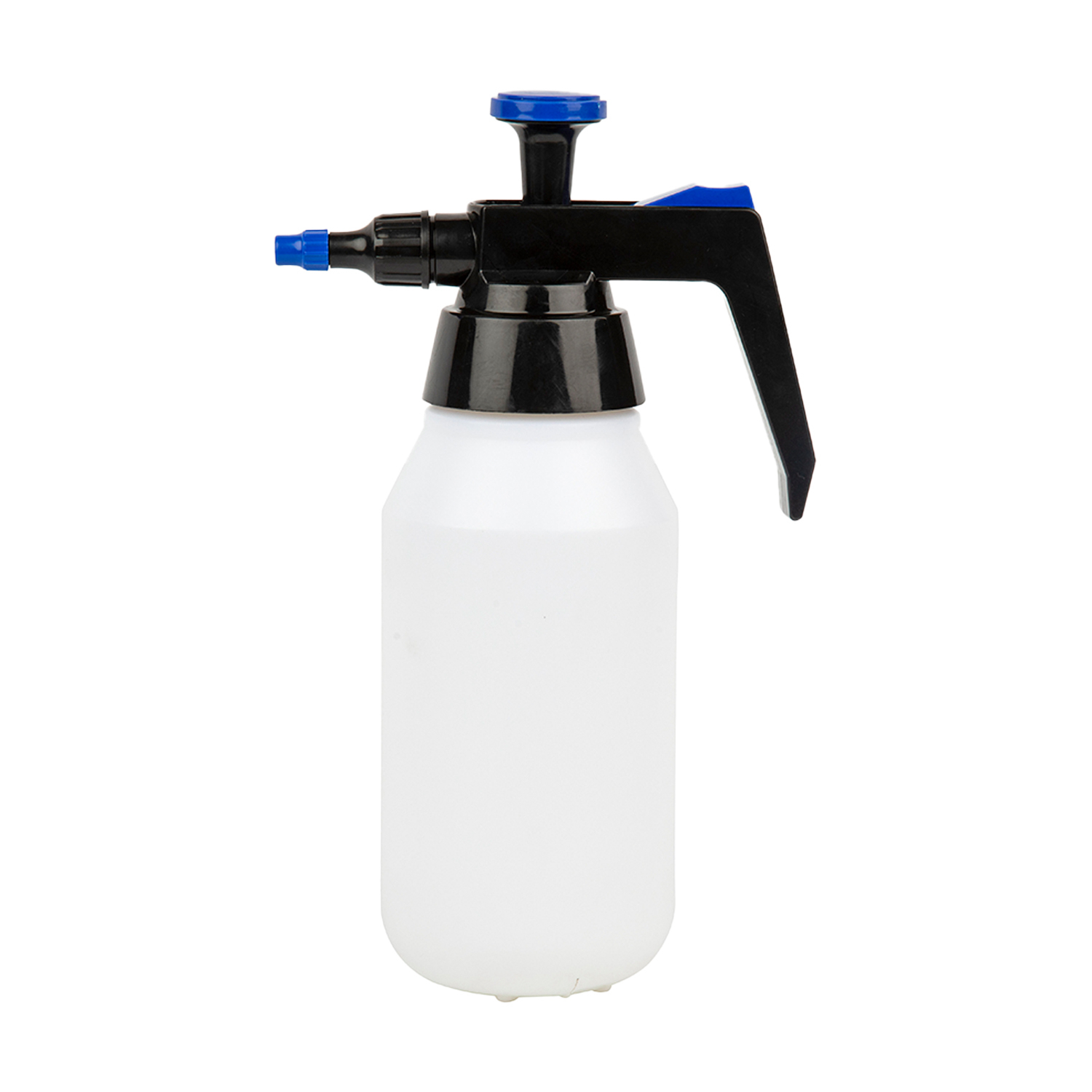
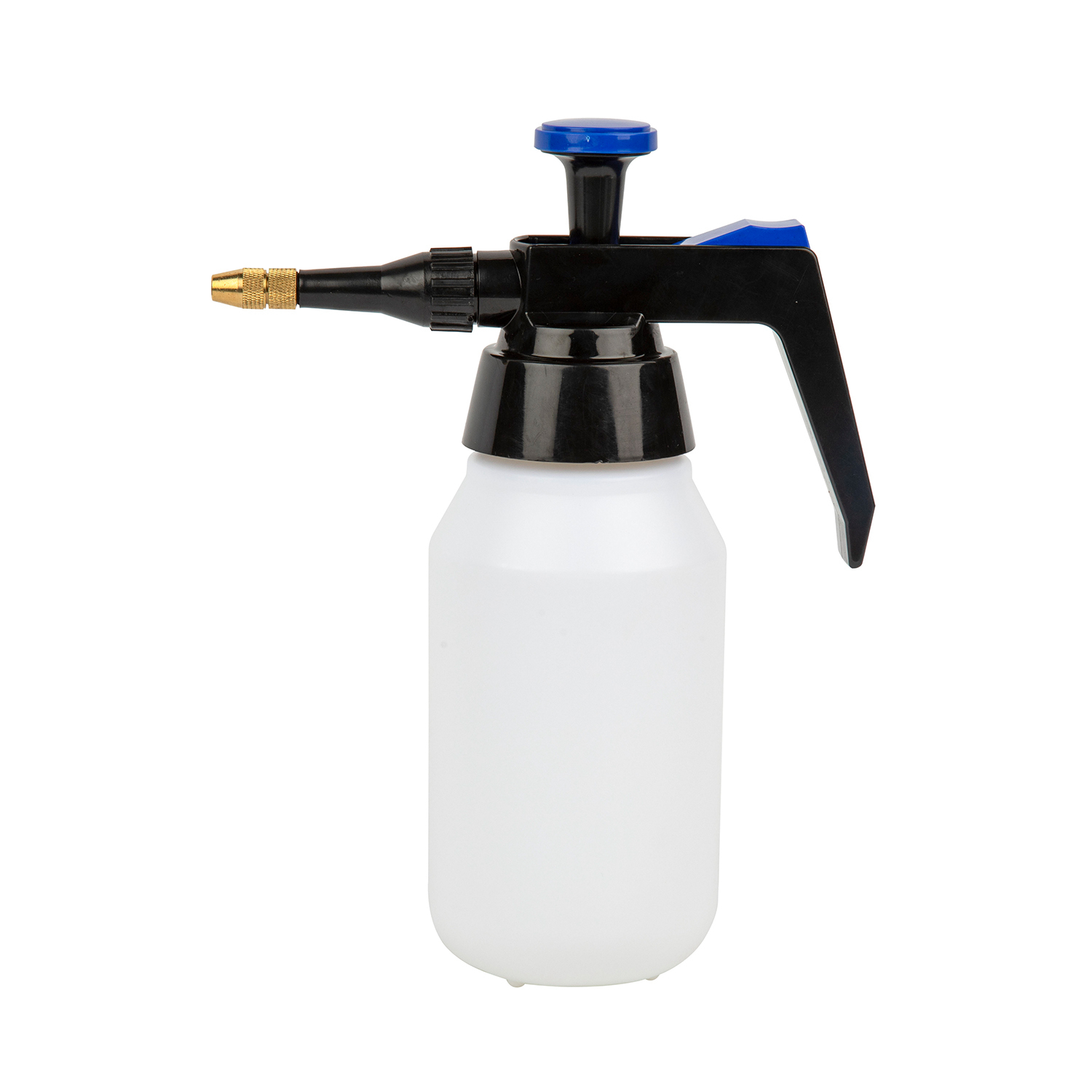
Brake Cleaner Spray Bottle for Professional Workshop Use

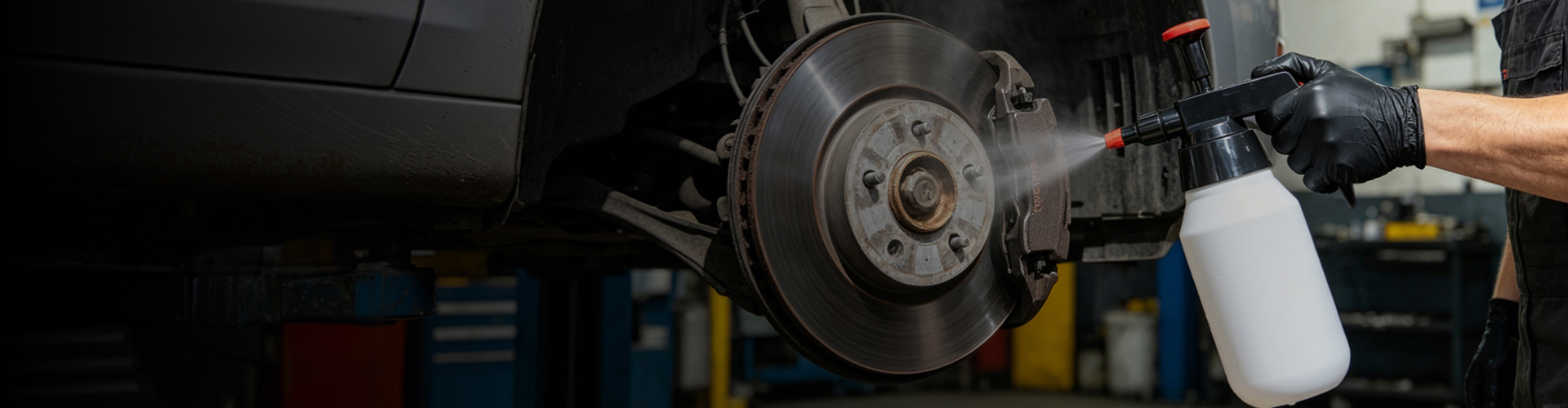
Kobold Brake Cleaner Sprayers prefect for brake system maintenance, industrial degreasing of metal parts and adhesive removal in renovation/decorating. Brake cleaners, degreasers and solvent-based maintenance fluids can degrade standard plastic and rubber components inside ordinary trigger bottles, causing seal swelling, leakage and inconsistent spray output. A Kobold brake cleaner spray bottle is built to handle these demanding fluids through solvent-resistant construction and manual pressure operation, giving technicians a refillable, reliable alternative to disposable aerosol cans.

Kobold is a Solvent Sprayer manufacturer with 22 years of manufacturing experience, 500+ served clients and 50+ active patents. Our brake cleaner sprayer series is engineered for professional automotive workshops, parts distributors and aftermarket brands that need durable, refillable solvent dispensing equipment.


Why Brake Cleaner Needs a Solvent Resistant Pump Sprayer

Standard trigger bottles and hardware-store pump sprayers are not designed for repeated contact with aggressive brake cleaning chemicals. The solvents in brake cleaner formulations can swell NBR/Buna-N seals, embrittle plastic pump bodies and corrode internal metal components over time. When seals fail, the result is wasted fluid, messy work areas and downtime that disrupts workshop throughput.

A solvent resistant pump sprayer addresses these problems by pairing chemically compatible materials with a pressure-based delivery system. Instead of squeezing a trigger repeatedly, the technician pumps once to build pressure, then applies fluid through a controlled nozzle. This reduces hand fatigue during long cleaning sessions and delivers a more consistent spray pattern for targeted brake component cleaning.


Kobold Brake Cleaner Spray Bottle Series: KB-1026

Kobold offers three configurations in the KB-1026 brake cleaner sprayer family:

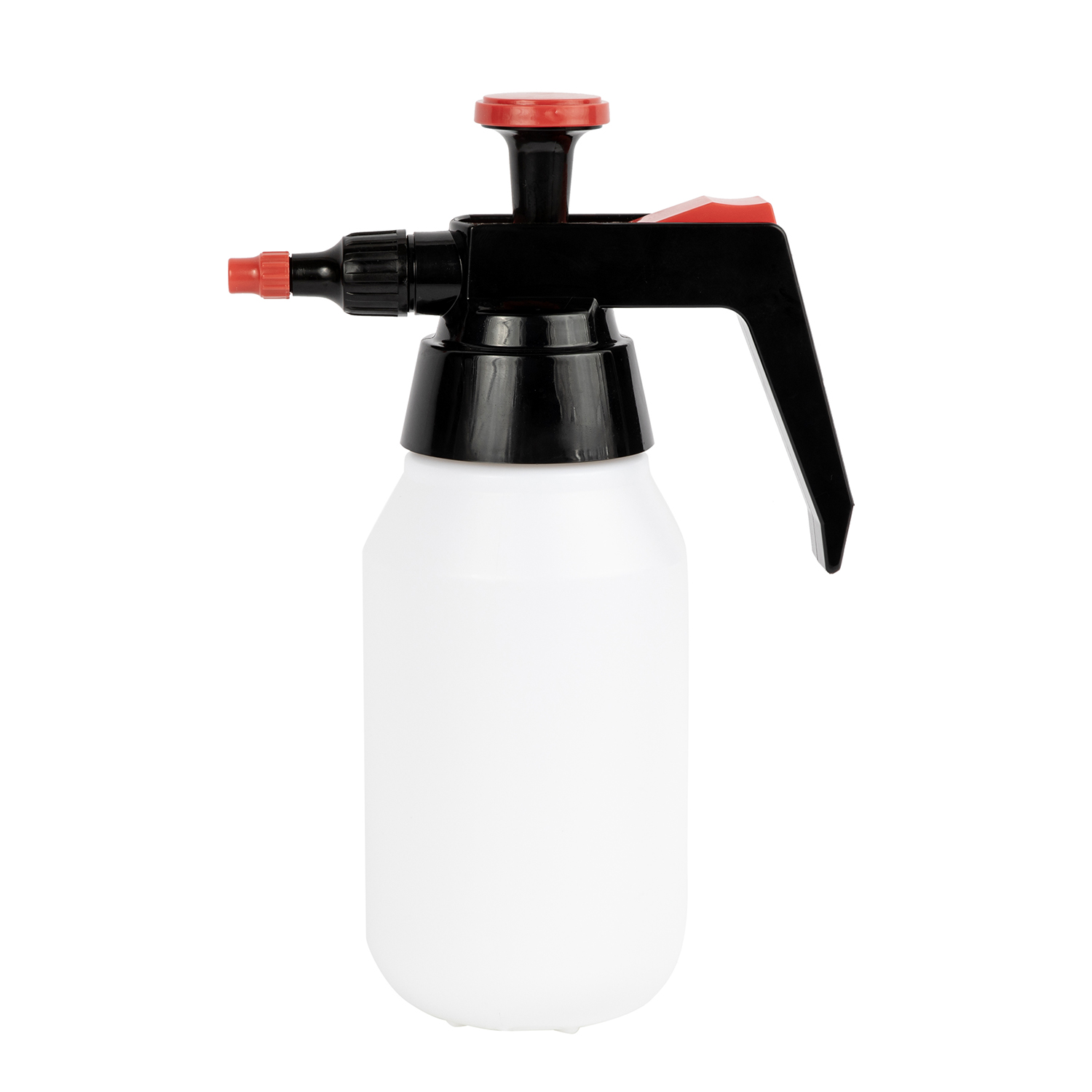
● KB-1026A — engineered for brake system maintenance and solvent-based cleaning
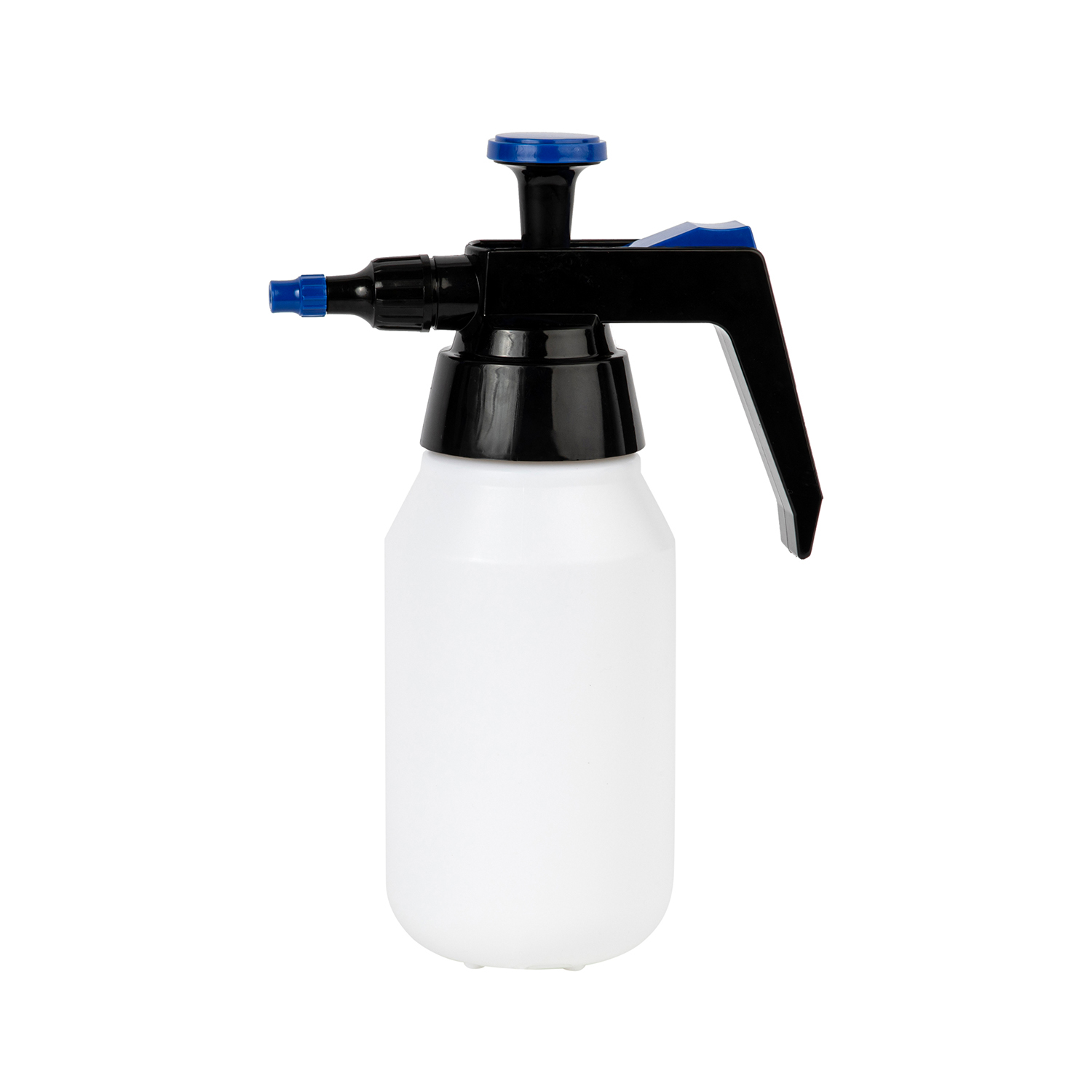
● KB-1026B — designed for industrial degreasing of metal parts
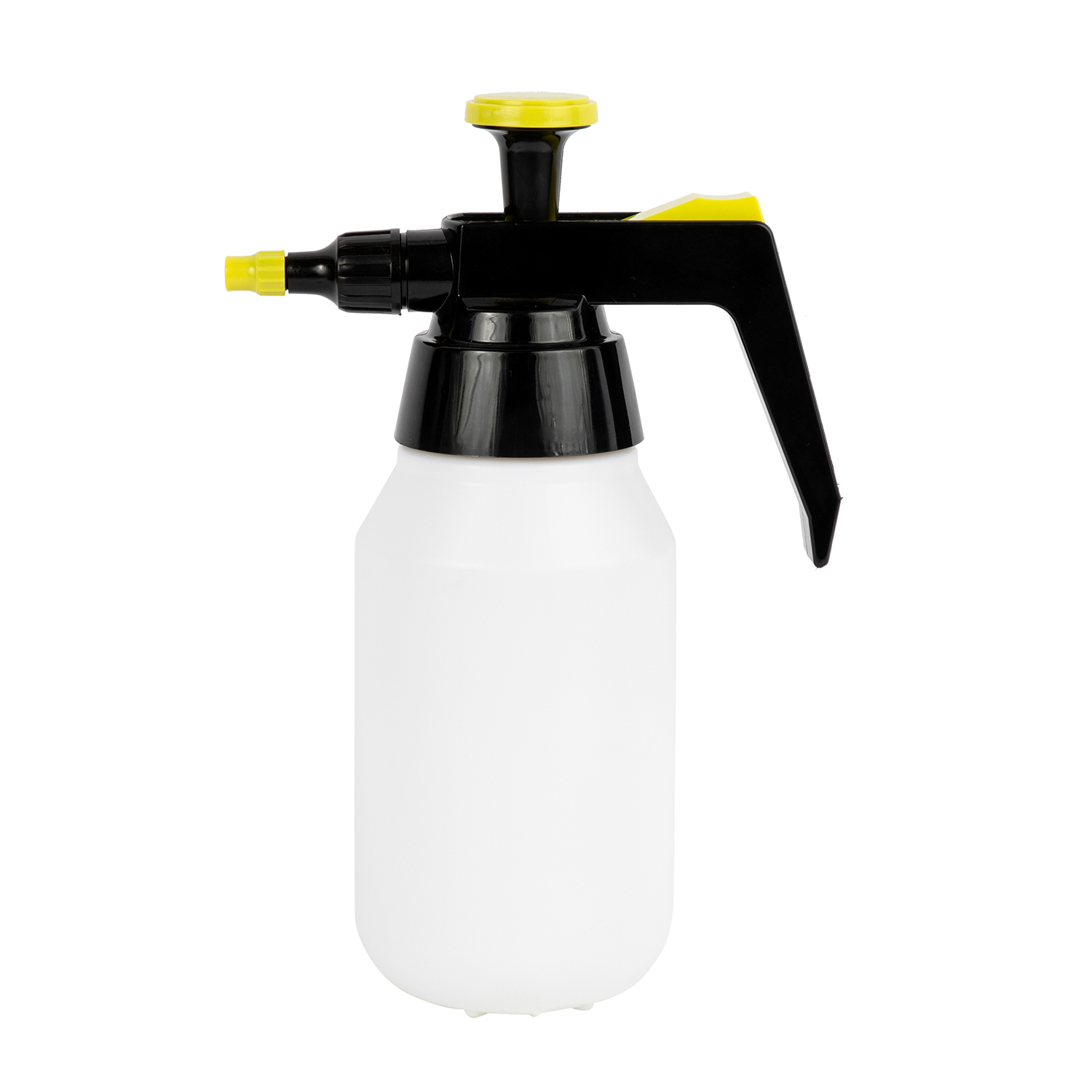
● KB-1026C — suited for adhesive removal in renovation and decorating applications

Each model shares the same manual pump-and-pressure operating principle but is positioned for a different primary application. Contact Kobold to confirm which configuration best matches your target fluid, workflow and market positioning.


Application of Brake Cleaner Spray Bottle

A solvent resistant pump sprayer from Kobold supports a range of professional cleaning and maintenance tasks:

● Brake system maintenance — controlled application of brake cleaner to calipers, rotors, pads and brake assemblies
● Engine bay degreasing — targeted dispensing of degreaser onto engine components, hose connections and fittings
● Parts cleaning — solvent application for metal part degreasing before inspection, machining or reassembly
● Adhesive and residue removal — dispensing solvent for label adhesive, gasket material and sealant cleanup
● Surface preparation — applying wax-and-grease remover before painting, coating or bonding

For each application, use a dedicated sprayer to avoid cross-contamination between incompatible chemicals.


OEM and ODM Support from Kobold

Kobold's integrated manufacturing capability covers design, mold making, injection molding, assembly and quality control under one roof. This allows faster lead times, more competitive pricing and greater flexibility for B2B buyers who need more than an off-the-shelf product.

Customization options available for brake cleaner spray bottle programs:

● Customized color — match your brand identity or color-code by chemical type
● Customized packaging — retail-ready boxes, multi-pack configurations or bulk shipping solutions
● Customized functionality — nozzle type, spray pattern, capacity and pump configuration adjustments
● Private label solution — your brand name, logo and labeling on Kobold-manufactured product
● Mold development — new tooling for unique designs or market-differentiating form factors


How to Use and Maintain a Solvent Resistant Pump Sprayer

Proper use and maintenance extend the service life of your brake cleaner spray bottle and protect operator safety:

● Fill only to the indicated working capacity, leaving room for the air buffer needed for compression
● Secure the pump head tightly to create a proper seal before pressurizing
● Pump in steady vertical strokes until resistance builds in the chamber
● Direct the nozzle at the target component from a safe distance
● Adjust the nozzle to select between a concentrated jet or a wide mist pattern
● After use, hold the bottle upside down and depress the trigger to release residual pressure
● Rinse the internal system with clean water if the sprayer will not be used for an extended period
● Store away from ignition sources, heat and direct sunlight
● Never leave incompatible liquid sitting in the tank between uses
● Inspect seals, nozzle and pump mechanism regularly for signs of wear or chemical degradation


Source Your Brake Cleaner Spray Bottle from Kobold

Tell us your chemical type, SDS, target capacity, estimated order quantity and branding requirements. As a Solvent Sprayer manufacturer with integrated production and 22 years of experience, Kobold can help you select and customize the right solvent resistant pump sprayer for your brake cleaning program.

Contact Kobold for product selection and OEM quotation


Brake Cleaner Spray Bottle FAQs

Q: What is a brake cleaner spray bottle?

A brake cleaner spray bottle is a refillable pump-action sprayer designed to dispense brake cleaning fluid and other solvent-based maintenance liquids. Unlike disposable aerosol cans, it can be refilled and reused, reducing waste and cost over time.

Q: Can I use any brake cleaner in a Kobold sprayer?

Always confirm chemical compatibility with Kobold before use. Different brake cleaners contain different solvent blends, and no single seal or body material resists every chemical. Provide the SDS for your fluid so Kobold can recommend the appropriate model and seal configuration.

Q: What is the difference between KB-1026A, KB-1026B and KB-1026C?

The three models share the same manual pressure pump principle but are positioned for different primary applications: brake system maintenance (A), industrial metal-part degreasing (B) and adhesive removal in renovation (C). Contact Kobold to determine which model fits your needs.

Q: Does Kobold offer OEM or private-label options?

Yes. Kobold provides customized color, packaging, functionality, private-label solutions and mold development. Our integrated manufacturing process — from design to quality control — supports B2B buyers who need branded or customized brake cleaner spray bottles for their market.

Q: What certifications does Kobold hold?

Kobold products are manufactured in compliance with ISO 9001, CE, UL and GS standards. Certification details specific to individual models and target markets are available upon request.

0

Inquiry(1/10)

Clear All

READY TO START A PROJECT?

Customized color, packaging, and functionality, private label solution, mold development — built to match your brand and market requirements.

Get A Free Quote

  • Afghanistan
  • Albania
  • Algeria
  • American Samoa
  • Andorra
  • Angola
  • Anguilla
  • Antarctica
  • Antigua and Barbuda
  • Argentina
  • Armenia
  • Aruba
  • Australia
  • Austria
  • Azerbaijan
  • Bahamas
  • Bahrain
  • Bangladesh
  • Barbados
  • Belarus
  • Belgium
  • Belize
  • Benin
  • Bermuda
  • BBhutan
  • Bolivia
  • Bosnia and Herzegovina
  • Botswana
  • Bouvet Island
  • Brazil
  • British Indian Ocean Territory
  • Brunei Darussalam
  • Bulgaria
  • Burkina Faso
  • Burundi
  • Cambodia
  • Cameroon
  • Canada
  • Cape Verde
  • Cayman Islands
  • Central African Republic
  • Chad
  • Chile
  • China
  • Christmas Island
  • Cocos (Keeling) Islands
  • Colombia
  • Comoros
  • Congo
  • Cook Islands
  • Costa Rica
  • Cote D'Ivoire
  • Croatia
  • Cuba
  • Cyprus
  • Czech Republic
  • Denmark
  • Djibouti
  • Dominica
  • East Timor
  • Ecuador
  • Egypt
  • El Salvador
  • Equatorial Guinea
  • Eritrea
  • Estonia
  • Ethiopia
  • Falkland Islands (Malvinas)
  • Faroe Islands
  • Fiji
  • Finland
  • France, Metropolitan
  • French Guiana
  • French Polynesia
  • Gabon
  • Gambia
  • Georgia
  • Germany
  • Ghana
  • Gibraltar
  • Greece
  • Greenland
  • Grenada
  • Guadeloupe
  • Guam
  • Guatemala
  • Guinea
  • Guinea-Bissau
  • Guyana
  • Haiti
  • Honduras
  • Hong Kong, China
  • Hungary
  • Iceland
  • India
  • Indonesia
  • Iran (Islamic Republic of)
  • Iraq
  • Ireland
  • Israel
  • Italy
  • Jamaica
  • Japan
  • Jordan
  • Kazakhstan
  • Kenya
  • Kiribati
  • North Korea
  • South Korea
  • Kuwait
  • Kyrgyzstan
  • Lao People's Democratic Republic
  • Latvia
  • Lebanon
  • Lesotho
  • Liberia
  • Libyan Arab Jamahiriya
  • Liechtenstein
  • Lithuania
  • Luxembourg
  • Macau
  • Madagascar
  • Malawi
  • Malaysia
  • Maldives
  • Mali
  • Malta
  • Marshall Islands
  • Martinique
  • Mauritania
  • Mauritius
  • Mayotte
  • Mexico
  • Micronesia
  • Moldova
  • Monaco
  • Mongolia
  • Montserrat
  • Morocco
  • Mozambique
  • Myanmar
  • Namibia
  • Nauru
  • Nepal
  • Netherlands
  • New Caledonia
  • New Zealand
  • Nicaragua
  • Niger
  • Nigeria
  • Niue
  • Norfolk Island
  • Northern Mariana Islands
  • Norway
  • Oman
  • Pakistan
  • Palau
  • Panama
  • Papua New Guinea
  • Paraguay
  • Peru
  • Philippines
  • Pitcairn
  • Poland
  • Portugal
  • Puerto Rico
  • Qatar
  • Reunion
  • Romania
  • Russian Federation
  • Rwanda
  • Saint Kitts and Nevis
  • Saint Lucia
  • Saint Vincent and the Grenadines
  • Samoa
  • San Marino
  • Saudi Arabia
  • Senegal
  • Seychelles
  • Sierra Leone
  • Singapore
  • Slovak Republic
  • Slovenia
  • Solomon Islands
  • Somalia
  • South Africa
  • Spain
  • Sri Lanka
  • St. Helena
  • Sudan
  • Suriname
  • Swaziland
  • Sweden
  • Switzerland
  • Syrian Arab Republic
  • Taiwan, China
  • Tajikistan
  • Tanzania
  • Thailand
  • Togo
  • Tokelau
  • Tonga
  • Trinidad and Tobago
  • Tunisia
  • Turkey
  • Turkmenistan
  • Turks and Caicos Islands
  • Tuvalu
  • Uganda
  • Ukraine
  • United Arab Emirates
  • United Kingdom
  • United States
  • Uruguay
  • Uzbekistan
  • Vanuatu
  • Vatican City State (Holy See)
  • Venezuela
  • Viet Nam
  • Virgin Islands (U.S.)
  • Wallis and Futuna Islands
  • Western Sahara
  • Yemen
  • Zambia
  • Zimbabwe
  • Montenegro
  • Serbia
  • Palestine
  • South Sudan
  • Jersey

Latest News

Our products are widely used in automotive maintenance, gardening, agriculture, cleaning, sanitation, and firefighting industries.
Refillable Brake Cleaner Sprayers vs Aerosols: Total Cost Comparison Refillable Brake Cleaner Sprayers vs Aerosols: Total Cost Comparison

Oct. 30, 2026

When I compare refillable brake cleaner sprayers vs aerosols, I look beyond the purchase price. The practical calculation includes usable fluid volume, bulk brake cleaner cost, sprayer equipment, refill labor, maintenance, waste, disposal, storage, and technician workflow. In many repair shops, aerosols remain convenient for low-volume work, while refillable systems can reduce cost per

Learn More >
Choosing Nozzle Patterns for Degreasers, Cleaners, and Penetrating Fluids Choosing Nozzle Patterns for Degreasers, Cleaners, and Penetrating Fluids

Oct. 29, 2026

Choosing Nozzle Patterns for Degreasers, Cleaners, and Penetrating Fluids starts with the cleaning objective, not the chemical name alone. Use a flat-fan pattern for broad surface coverage, a full-cone pattern for distributed impact, a hollow-cone pattern for lighter atomization, and a needle stream for targeted penetration. Then confirm pressure, flow rate, spray angle, distance, nozzle size,

Learn More >
Quality Tests to Request from a Professional Sprayer Manufacturer Quality Tests to Request from a Professional Sprayer Manufacturer

Oct. 28, 2026

When I evaluate a sprayer supplier, I do not rely on product photos, catalog claims, or a single inspection report. I request measurable evidence covering operation, pressure, leakage, flow rate, spray distribution, durability, safety, calibration, and regulatory compliance. These checks show whether a manufacturer can control both individual units and production batches.

Learn More >
Handheld vs Backpack Portable Sprayers for Different Workloads Handheld vs Backpack Portable Sprayers for Different Workloads

Oct. 27, 2026

When I compare Handheld vs Backpack Portable Sprayers for Different Workloads, I focus on four practical differences: tank capacity, coverage area, operator positioning, and user fatigue. Handheld sprayers suit small, precise, occasional jobs, while backpack sprayers suit larger areas, longer sessions, and repeated coverage. The correct choice also depends on terrain, spraying frequency, chemical

Learn More >
Choosing Cleaner Bottles for Waterborne and Solvent-Based Paint Systems Choosing Cleaner Bottles for Waterborne and Solvent-Based Paint Systems

Oct. 26, 2026

Choosing Cleaner Bottles for Waterborne and Solvent-Based Paint Systems starts with matching the bottle, closure, gasket, and spray mechanism to the cleaning chemical. Waterborne paint cleaners generally require bottles that resist swelling, stress cracking, and residue retention, while solvent-based cleaners may require polyethylene, polypropylene, fluorinated plastic, metal, or specialty

Learn More >
Safe Refilling Practices for Brake Cleaner Spray Bottles Safe Refilling Practices for Brake Cleaner Spray Bottles

Oct. 23, 2026

For Safe Refilling Practices for Brake Cleaner Spray Bottles, I use a five-stage process: verify the cleaner and container, prepare a ventilated ignition-free area, transfer the liquid with compatible equipment, close and label the bottle, then inspect and store it safely.

Learn More >
Automotive Solvent Sprayer Maintenance for Longer Service Life Automotive Solvent Sprayer Maintenance for Longer Service Life

Oct. 23, 2026

Automotive Solvent Sprayer Maintenance for Longer Service Life begins with a safe shutdown, pressure release, compatible flushing solvent, nozzle and filter cleaning, seal inspection, and controlled storage. I also record pressure behavior, spray-pattern changes, hose condition, and component wear after each service cycle. This sequence helps auto repair shops reduce clogs, chemical exposure,

Learn More >
OEM vs ODM Sprayer Manufacturing: Which Model Fits Your Brand? OEM vs ODM Sprayer Manufacturing: Which Model Fits Your Brand?

Oct. 09, 2026

OEM vs ODM Sprayer Manufacturing: Which Model Fits Your Brand? The answer depends on who controls the design, how much customization you need, your launch deadline, expected order volume, and whether your brand requires exclusive intellectual property. OEM is buyer-led: the brand supplies the product concept or engineering requirements, while the manufacturer produces it. ODM is manufacturer-led:

Learn More >
Matching Sprayer Seal Materials to Acids, Solvents, and Cleaners Matching Sprayer Seal Materials to Acids, Solvents, and Cleaners

Oct. 08, 2026

Matching sprayer seal materials to acids, solvents, and cleaners requires more than selecting an elastomer from a general chart. I first check the exact chemical, concentration, temperature, exposure time, pressure, and wetted components. EPDM commonly suits water-based and alkaline cleaners, FKM suits many oils and solvents, and PTFE offers broad resistance to aggressive chemicals, subject to

Learn More >
Daily Maintenance Routine for Professional Gun Wash Sprayers Daily Maintenance Routine for Professional Gun Wash Sprayers

Sep. 30, 2026

A Daily Maintenance Routine for Professional Gun Wash Sprayers includes depressurizing the unit, verifying solvent compatibility, flushing the pump and fluid passages, cleaning the spray gun and nozzle, inspecting filters and seals, checking leaks, drying exposed parts, and recording the results. I use this sequence to protect cleaning performance, reduce avoidable downtime, and identify repair

Learn More >
How Spray Pressure Affects Brake Cleaning Efficiency and Chemical Use How Spray Pressure Affects Brake Cleaning Efficiency and Chemical Use

Sep. 29, 2026

Brake cleaner is a fast-evaporating solvent spray that dissolves and flushes away grease, oil, brake fluid, and brake dust from metal brake components. It works through solvent action, spray displacement, and rapid evaporation, leaving little or no residue when used correctly. Spray pressure determines how widely the solvent spreads, how forcefully contaminants are displaced, and how much product

Learn More >