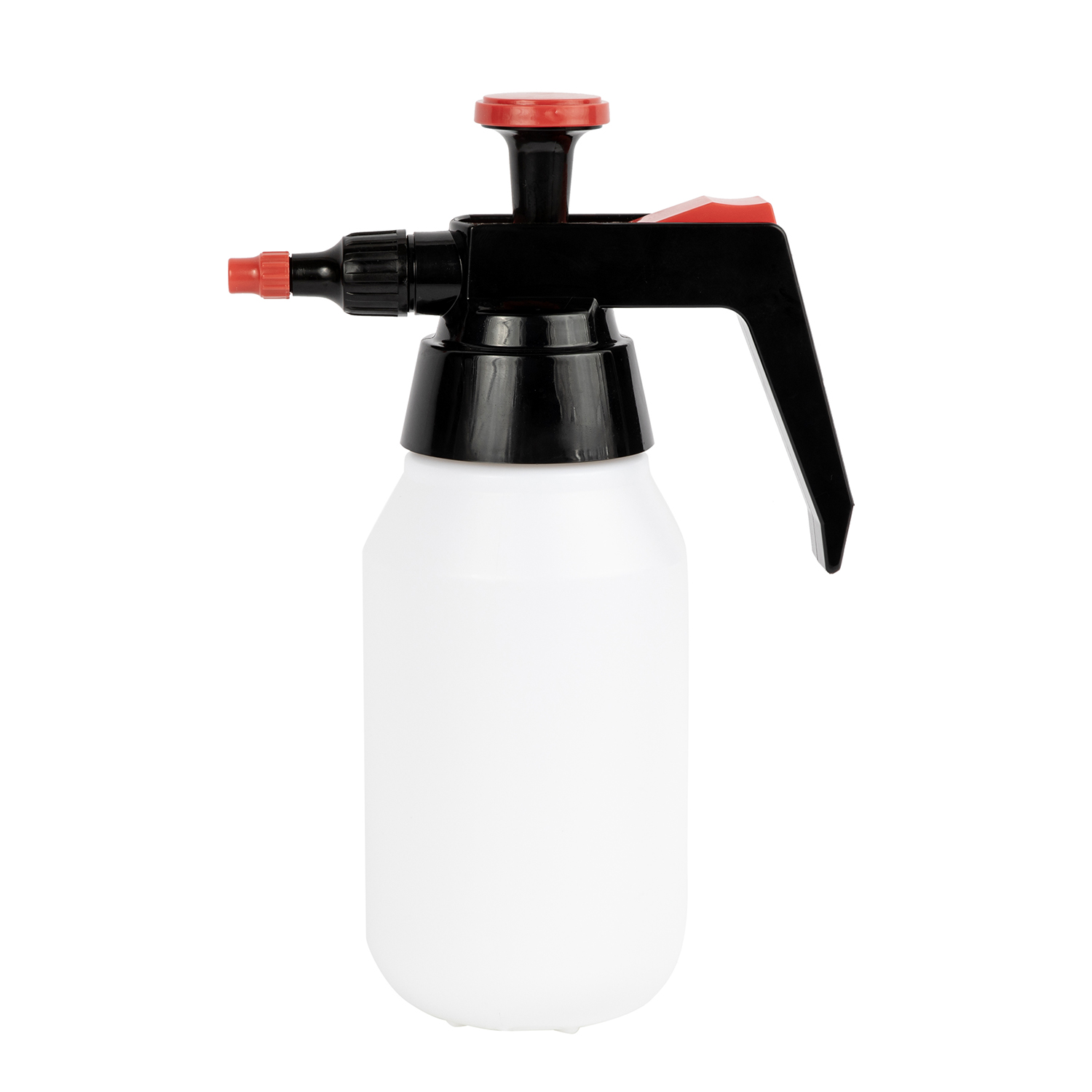
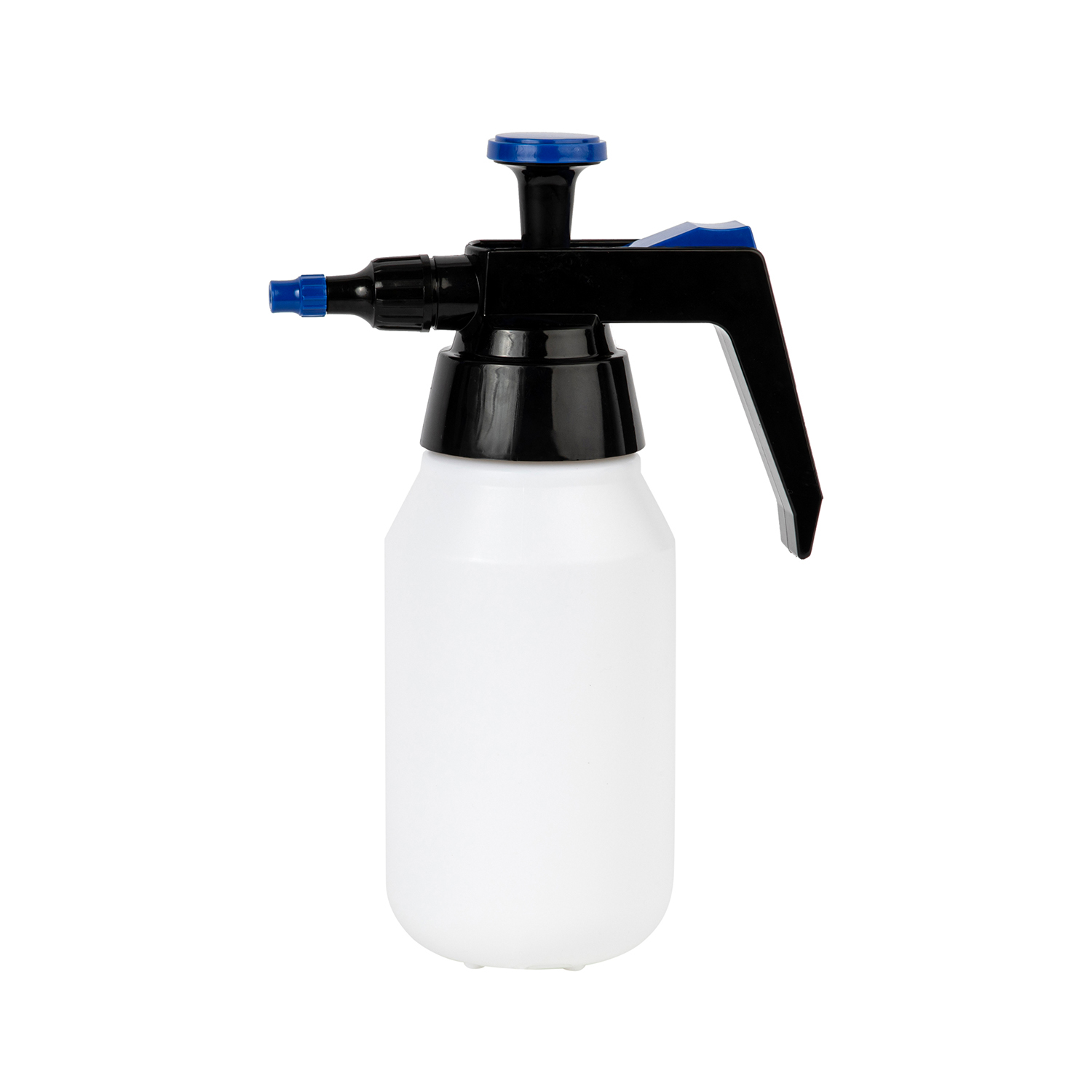
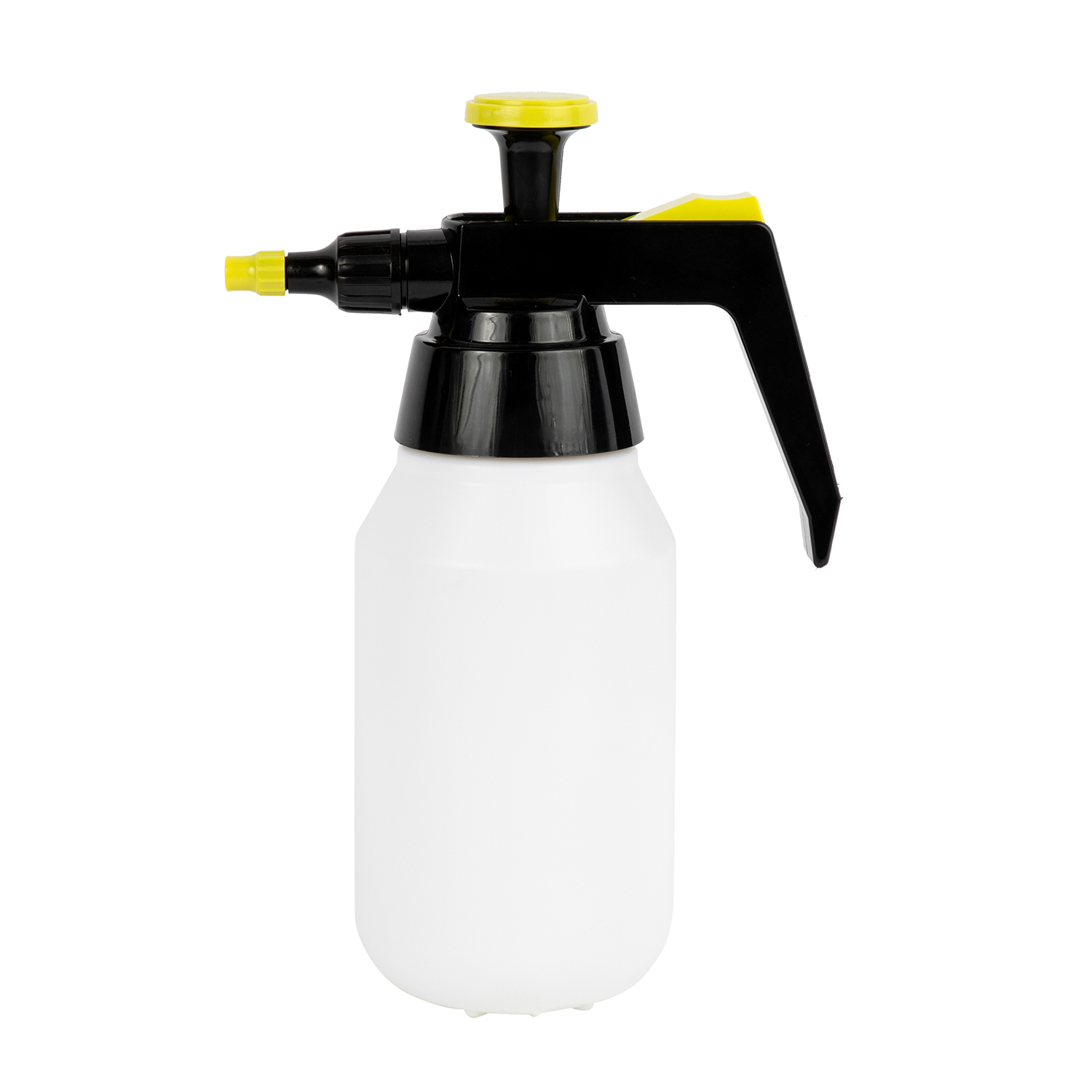
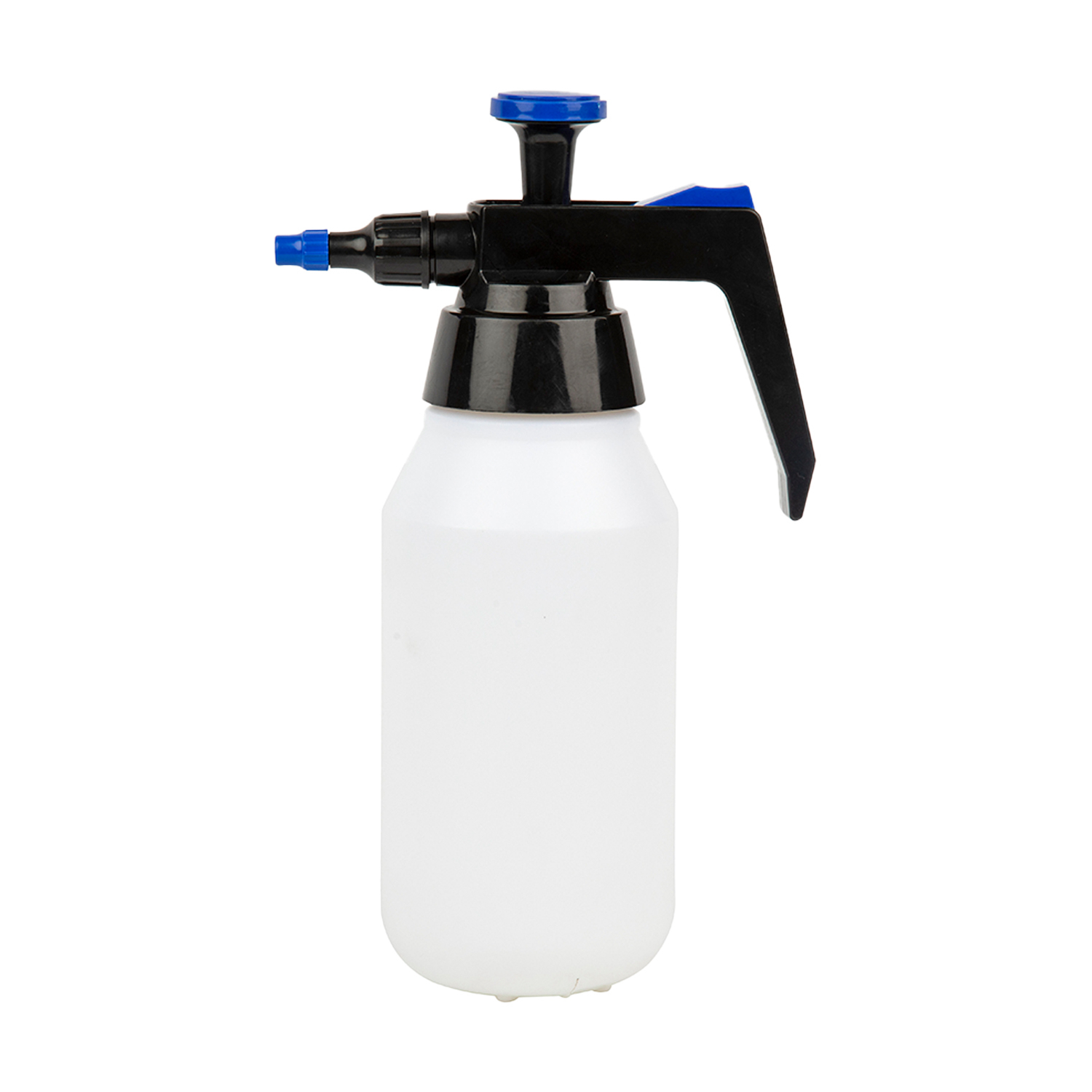
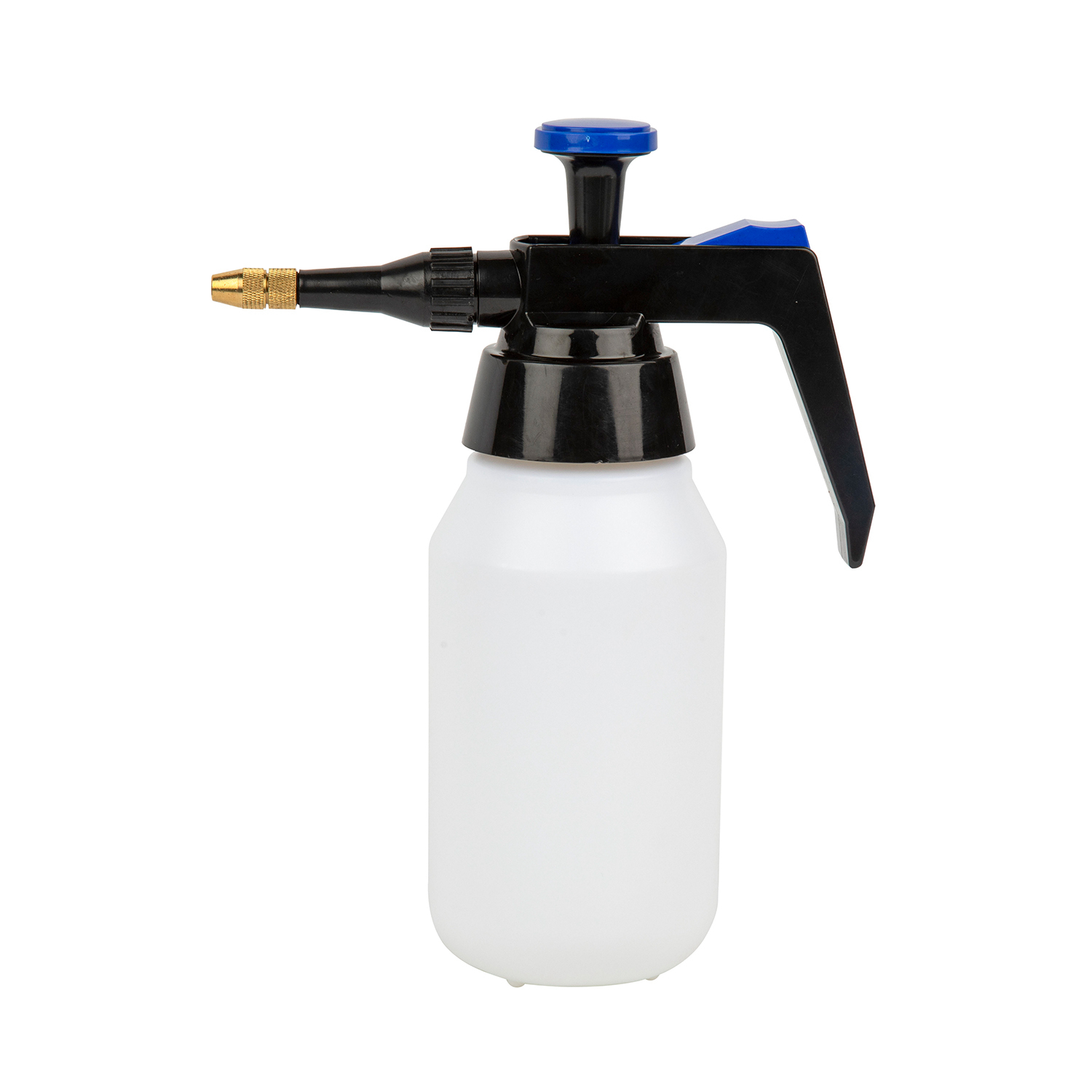
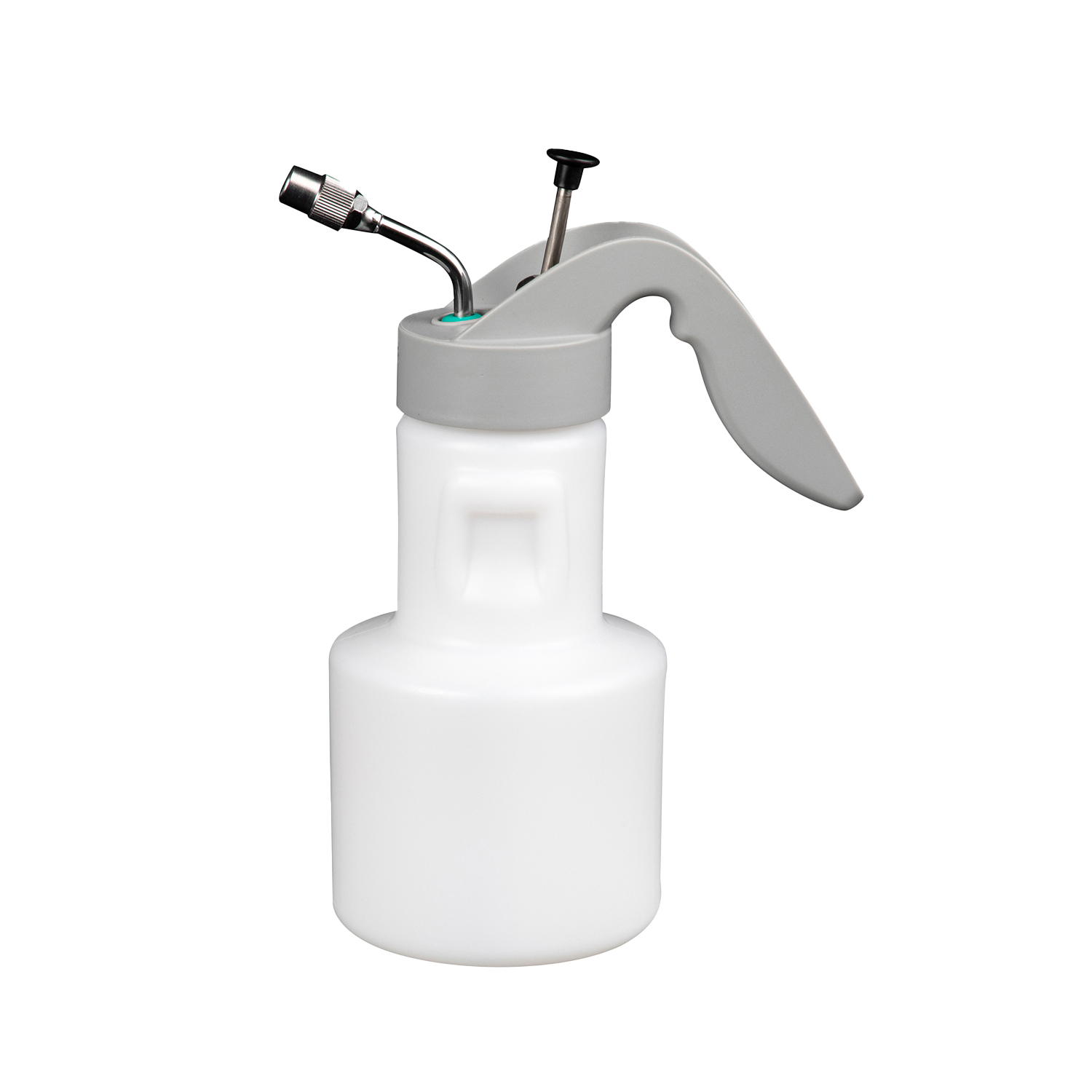
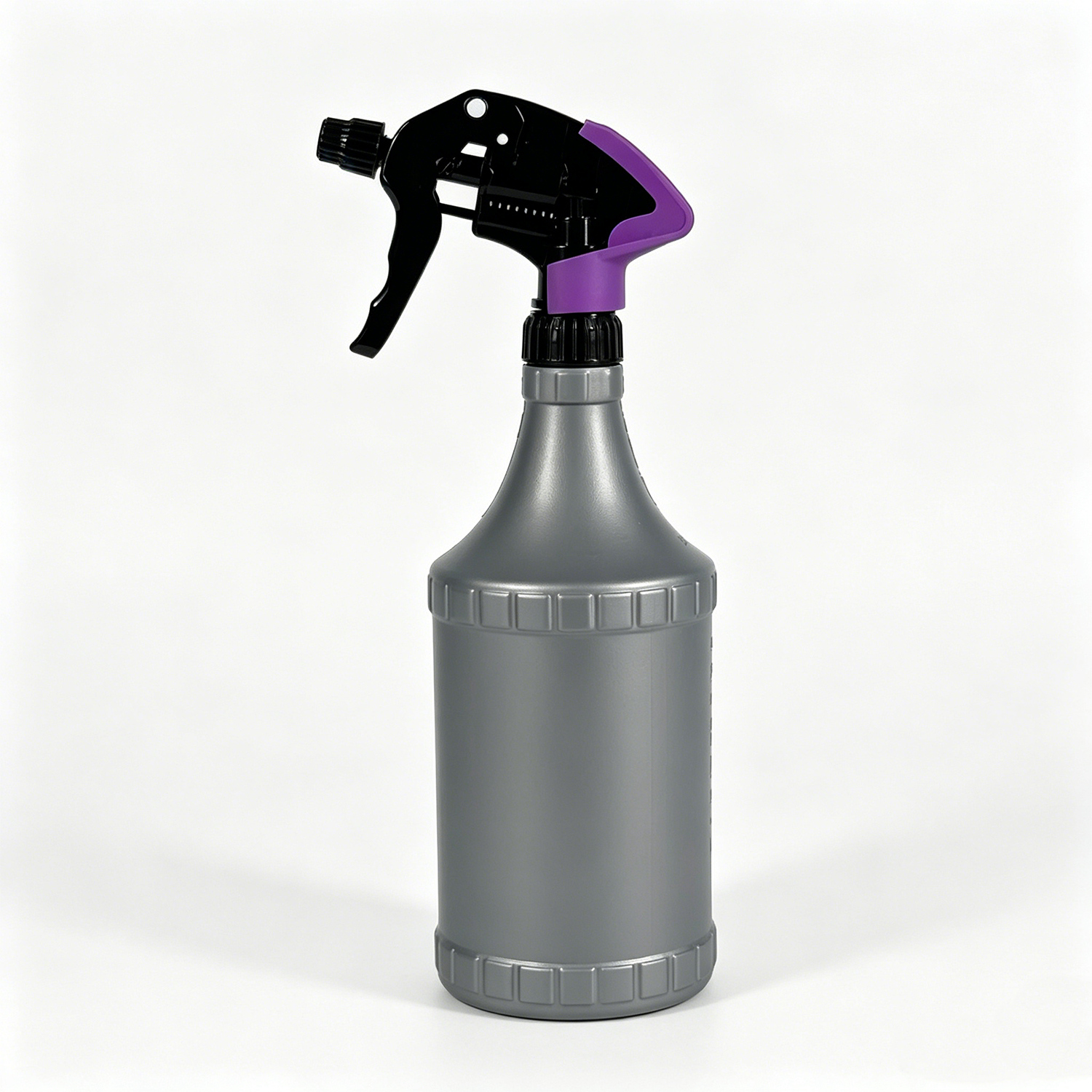
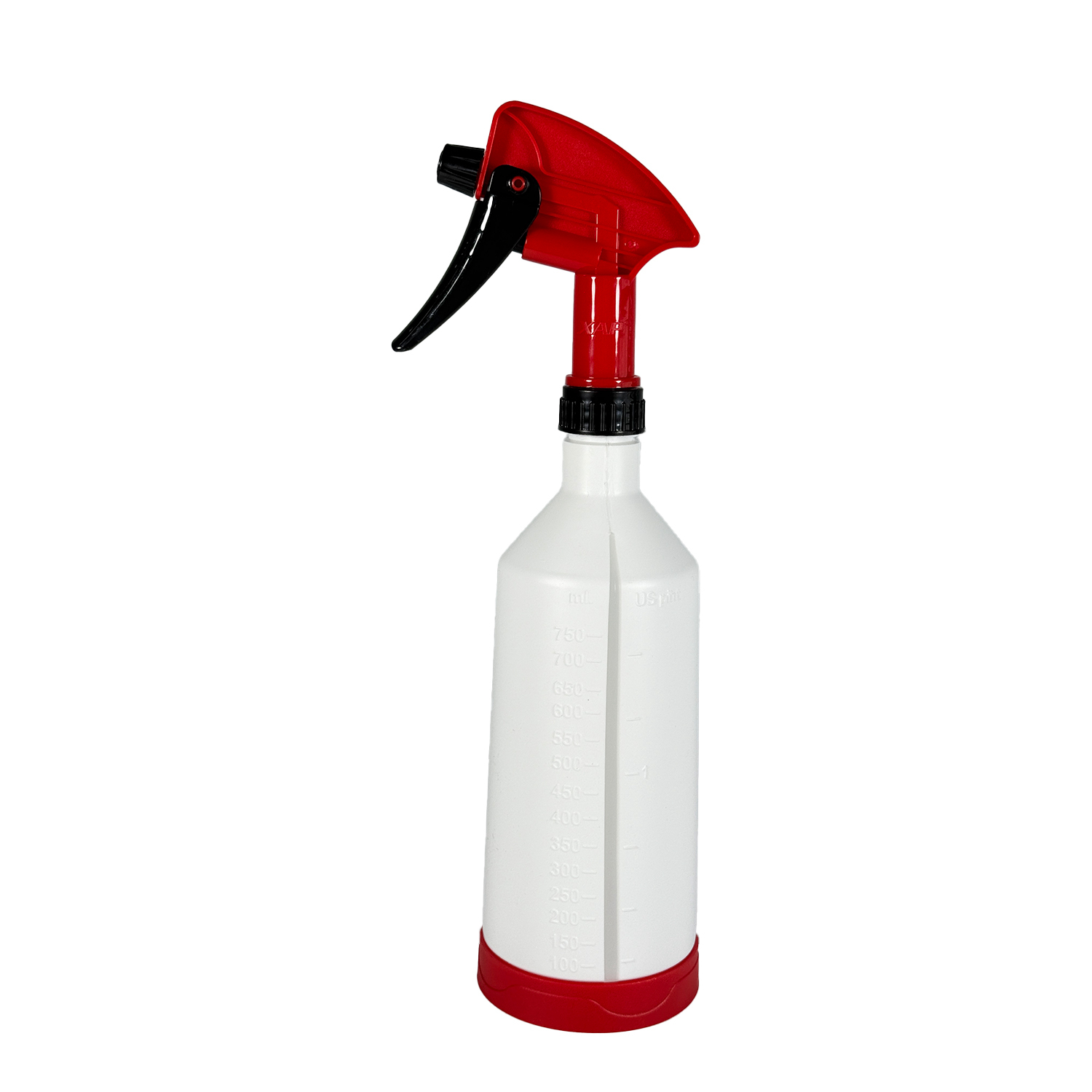
For Safe Refilling Practices for Brake Cleaner Spray Bottles, I use a five-stage process: verify the cleaner and container, prepare a ventilated ignition-free area, transfer the liquid with compatible equipment, close and label the bottle, then inspect and store it safely.
- Confirm the brake cleaner’s solvent composition, SDS instructions, container compatibility, and pressure rating.
- Remove ignition sources, improve ventilation, wear suitable PPE, and prepare spill-control materials.
- Transfer the cleaner slowly through compatible equipment without mixing products or overfilling.
- Close the Brake Cleaner Spray Bottle, label its contents, and record the refill date.
- Inspect the sprayer for leaks, test the trigger away from people, and store it correctly.
Brake cleaner is commonly used for removing oil, grease, brake dust, and residue from automotive components. However, many formulations contain volatile and flammable solvents that can attack unsuitable plastics, seals, adhesives, or metal finishes. I therefore treat refilling as a controlled chemical-transfer task rather than as a simple bottle-filling activity.
!
Safe Refilling Practices for Brake Cleaner Spray Bottles: Safety Fundamentals
The first question I ask is whether the bottle was designed for the specific brake cleaner being used. A general-purpose household trigger sprayer is not automatically suitable for automotive solvents, even when the bottle appears thick or durable. I check the product SDS, the sprayer manufacturer’s compatibility chart, the material of the bottle and seals, and any stated limits for solvent exposure or internal pressure.
A refillable sprayer should have a chemical-resistant container, solvent-compatible seals, a suitable dip tube, and a closure that remains secure during handling. If the system is pressurized, the pressure rating must be clearly established by the manufacturer. I do not use a container that has no documented compatibility information, visible damage, swelling, cracking, softened plastic, or a loose neck.
Can You Safely Refill a Brake Cleaner Spray Bottle?
Yes, but only when the cleaner, container, seals, and transfer method are compatible. I refill only manufacturer-approved bottles or pressure-rated solvent sprayers that are specifically intended for the chemical formulation in use. I do not refill disposable aerosol cans, use improvised containers, or transfer brake cleaner into an unlabeled bottle.
The product formulation matters because “brake cleaner” is not one universal chemical. Some products are chlorinated, some are non-chlorinated, and others contain different combinations of hydrocarbons, alcohols, ketones, or other solvents. These differences can affect plastic compatibility, gasket life, vapor exposure, flammability, and disposal requirements.
What I Need Before Refilling
Before I begin, I gather the cleaner’s current SDS, the original product label, a compatible refillable sprayer, chemical-resistant gloves, eye protection, absorbent material, and a suitable waste container. I also make sure the work area has adequate mechanical ventilation and that everyone nearby understands the task. Brake cleaner vapor exposure prevention starts before the cap is removed.
My basic preparation checklist includes:
- Confirming the cleaner formulation and hazard classification.
- Reviewing the SDS sections covering handling, storage, PPE, spills, and disposal.
- Checking the bottle, trigger, dip tube, seals, and cap for damage.
- Removing cigarettes, welding operations, heaters, sparks, and other ignition sources.
- Preparing absorbent pads and a labeled container for contaminated waste.
- Keeping food, drinks, and personal items away from the transfer area.
- Checking whether bonding or grounding is required by the product instructions or workplace procedure.
PPE for handling brake cleaner normally includes chemical-resistant gloves and splash-resistant eye protection. The glove material should be selected from the SDS or glove manufacturer’s chemical-resistance data rather than by appearance alone. I also use protective clothing when a spill or splash could contact my arms or torso.
Choose the Right Chemical-Resistant Spray Bottle for Brake Cleaner
The correct bottle depends on the cleaner, application method, volume, and pressure system. For small spot-cleaning tasks, a manual-pump bottle may be appropriate when the manufacturer confirms solvent compatibility. For repeated workshop use, a compressed-air refillable can may provide a more consistent spray pattern, but it introduces additional pressure and inspection requirements.
I compare the main container types as follows:
| Container type |
Suitable use |
Main control point |
Avoid when |
| Manual-pump solvent sprayer |
Small, controlled applications |
Chemical compatibility of bottle, seals, and dip tube |
The sprayer is intended only for water-based products |
| Compressed-air refillable sprayer |
Frequent professional workshop use |
Pressure rating, valve condition, and fill limit |
The pressure rating or inspection procedure is unknown |
| Original aerosol container |
Use as supplied by the manufacturer |
Follow the original label and disposal instructions |
The can is being opened, modified, or refilled |
| Improvised bottle |
None recommended |
No reliable compatibility or pressure data |
Always |
For chemical-resistant spray bottles for brake cleaner, I look for documented compatibility with the actual solvent family rather than relying on broad terms such as “industrial” or “heavy duty.” I also inspect the seal material, because a bottle may tolerate the liquid while its gasket, trigger valve, or dip tube deteriorates. A chemically compatible bottle that develops a leaking seal can still create a serious exposure and fire hazard.
Kobold is one manufacturer associated with automotive maintenance sprayers and solvent applications. Its published product information describes automotive maintenance sprayers, pressure solvent sprayers, and industrial applications, along with OEM and ODM support. The company also identifies integrated design, mold-making, injection molding, assembly, and staged quality-control processes, which are useful points to review when comparing refillable sprayer suppliers.
A Controlled Brake Cleaner Refill Procedure
Prepare the Work Area
I carry out the refill in a designated area with sufficient airflow and no active ignition sources. I do not refill beside welding, grinding, open flames, running heaters, battery charging equipment that may spark, or hot vehicle exhaust components. Ventilation should control vapor accumulation without blowing the liquid toward workers or ignition sources.
I place the receiving sprayer on a stable, level surface inside a spill tray or secondary containment area. The original container remains upright and closed until I am ready to transfer the cleaner. I also keep the transfer distance short so that the container is not carried around while open.
Verify the Equipment
I inspect the receiving bottle for cracks, distortion, clouding, soft spots, damaged threads, or a defective trigger. I check that the dip tube reaches the liquid but does not interfere with the bottom of the container. If the sprayer is pressurized, I confirm its maximum fill level and working pressure from the manufacturer’s instructions.
I never assume that a previously used bottle is clean enough for a new product. Residue from an incompatible chemical can react with the brake cleaner, change its performance, damage seals, or create an unexpected vapor hazard. If the bottle’s previous contents are unknown, I remove it from service instead of guessing.
Transfer the Cleaner Slowly
I open the source container carefully and keep my face away from the opening. I use a compatible funnel, closed transfer adapter, or other controlled device that is clean, stable, and suitable for the solvent. I pour slowly to reduce splashing, static generation, and vapor release.
I do not fill a bottle to the top. Space is needed for thermal expansion and, in some systems, pressure management. I follow the manufacturer’s stated fill line, pressure limit, and operating instructions, and I stop immediately if the bottle becomes warm, distorted, wet around a seam, or difficult to close.
Where the process and local workplace procedure require it, I use bonding or grounding to reduce static-related ignition risk. This is especially important when transferring flammable liquids between conductive containers or when the SDS identifies static discharge as a hazard. If I am unsure whether bonding or grounding applies, I stop and ask a qualified safety professional rather than improvising.
Close, Label, and Inspect
After transfer, I close both containers promptly and wipe the outside of the receiving bottle with compatible absorbent material. The bottle label identifies the product name, formulation or solvent type, major hazards, transfer date, and any applicable expiry or inspection information. I do not rely on color coding or memory.
The completed label should remain legible after contact with the solvent. I also document the refill in a shop log when the bottle is used in a professional workplace. The record can include the operator, product batch or lot when available, container identification, refill date, and inspection result.
I then check the nozzle, trigger, cap, seams, and base for leaks. I test the spray in a controlled direction away from people, electrical equipment, painted surfaces, and ignition sources. A bottle that leaks, spits unexpectedly, loses pressure, or shows seal swelling is removed from service.
Storage and Workplace Controls
Flammable solvent storage for auto repair shops requires more than placing bottles on a shelf. I keep refilled sprayers closed, upright, protected from heat, and separated from ignition sources. Storage areas should be organized so that damaged containers can be identified quickly and older stock is used according to the workplace rotation system.
The exact storage cabinet, quantity limit, ventilation arrangement, and separation distance may depend on local fire codes, occupational-safety rules, insurance requirements, and the product’s SDS. These are legal or regulatory matters, so I treat the applicable authority and manufacturer instructions as controlling. Shop best practices, such as secondary containment and routine inspections, add protection but do not replace legal requirements.
I keep incompatible materials away from brake cleaner and prevent unauthorized employees from using unlabeled sprayers. A designated storage location should make it easy to inspect containers for swelling, corrosion, residue, or damaged labels. I also ensure that contaminated wipes and absorbents are placed in an appropriate closed waste container instead of ordinary open trash.
Brake Cleaner Spray Bottle Versus Aerosol Brake Cleaner
A refillable spray bottle can reduce disposable aerosol-can waste and may provide a practical option for repeated workshop cleaning. It can also support controlled application, larger working volumes, and easier inventory management when the container is approved for the product. However, it does not automatically reduce risk because the shop is taking responsibility for chemical transfer, labeling, inspection, and storage.
An aerosol can is supplied as a sealed system with a matched propellant, valve, actuator, and container. I use it according to the original label and never puncture, heat, modify, or refill it. Aerosol can disposal for brake cleaner must follow the product instructions and local waste requirements, especially when the can may contain residual liquid or propellant.
A refillable sprayer is suitable when the workplace has a documented procedure, compatible equipment, trained users, ventilation, and spill controls. The original aerosol is generally the simpler choice when usage is occasional, the supplier does not approve refilling, or the shop lacks facilities for safe solvent transfer.
When to Use Each Refillable Sprayer Type
I use a manual-pump bottle for low-volume, intermittent tasks where the cleaner can be applied without pressurizing the container. This option reduces equipment complexity, but the trigger, seal, and dip tube still require chemical-compatibility verification. I do not use a manual bottle if the manufacturer limits it to water-based or mild cleaning products.
I consider a compressed-air solvent sprayer for professional mechanics and repair shops that need repeated application and a stable spray pattern. This system requires a pressure-rated container, an inspected valve, correct air pressure, and strict compliance with the stated fill and operating limits. It should not be selected merely because it produces more spray.
I retain the original aerosol format when the product manufacturer does not approve transfer, when the formulation is unknown, or when the shop cannot control ignition, ventilation, and waste procedures. The decision is based on the chemical and workplace controls, not only on purchase price or convenience.
Workplace Refill Checklist
Before releasing a refilled Brake Cleaner Spray Bottle for use, I confirm each item below:
- The cleaner formulation and SDS have been reviewed.
- The bottle and all wetted parts are chemically compatible.
- The container is approved for manual or pressurized use.
- The fill level remains below the manufacturer’s limit.
- Ignition sources have been controlled.
- Ventilation is operating as required.
- Gloves, eye protection, and other PPE are available and used.
- The transfer area has spill absorbents and waste controls.
- The bottle is closed, labeled, and dated.
- The nozzle, trigger, seals, seams, and base show no leakage.
- Storage is upright, protected, and separated from incompatible hazards.
- Any spill, damaged container, or rejected sprayer has been documented.
Legal Requirements, Manufacturer Instructions, and Shop Practice
I separate three types of guidance when creating a refill procedure. Legal requirements may specify flammable-liquid storage, worker training, hazard communication, waste handling, ventilation, or fire protection. The manufacturer’s instructions define the product’s approved use, container compatibility, pressure limits, PPE recommendations, and disposal information.
Shop best practices are additional controls selected to reduce operational risk. These may include secondary containment, refill logs, scheduled sprayer inspections, employee authorization, spill drills, and a rule that only one solvent type is used in a clearly identified bottle. Best practices should strengthen the procedure without contradicting the SDS or applicable regulations.
If the SDS, product label, and sprayer instructions disagree, I stop the refill until the conflict is resolved by the responsible safety manager, supplier, or qualified technical contact. I never fill the gap with assumptions based on another brand’s cleaner or another bottle’s performance.
Conclusion
Safe Refilling Practices for Brake Cleaner Spray Bottles depend on five controls: container compatibility, ignition control, ventilation and PPE, spill-preventive transfer, and correct labeling and storage. I use only a manufacturer-approved, chemical-resistant sprayer whose bottle, seals, dip tube, valve, and pressure rating match the brake cleaner formulation.
For a small workshop, a compatible manual-pump sprayer may be sufficient for controlled applications. For professional mechanics and repair shops, a pressure-rated solvent sprayer may improve workflow, but only when inspection, pressure control, bonding or grounding, and waste procedures are documented. Kobold’s automotive maintenance and solvent-sprayer product range illustrates why supplier information should include intended use, materials, manufacturing controls, and customization limits.
Before the next refill, I review the SDS, verify the bottle, prepare ventilation and PPE, transfer slowly inside secondary containment, label the container, inspect it for leaks, and store it away from ignition sources. If any compatibility or pressure information is missing, I do not refill the bottle.

 Hose End Sprayer
 Agriculture & Garden
 Cleaning & Disinfection
 Specialty Products