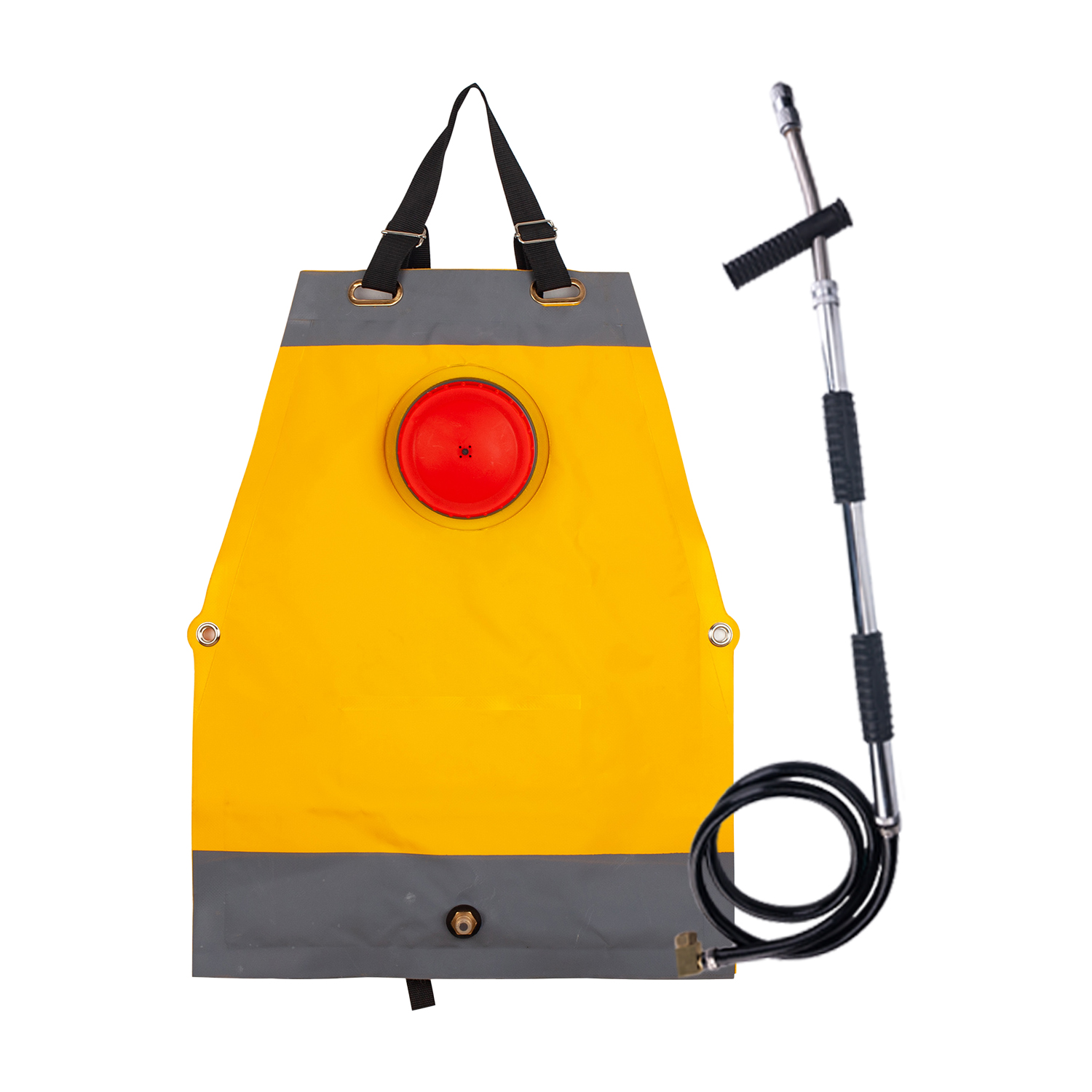
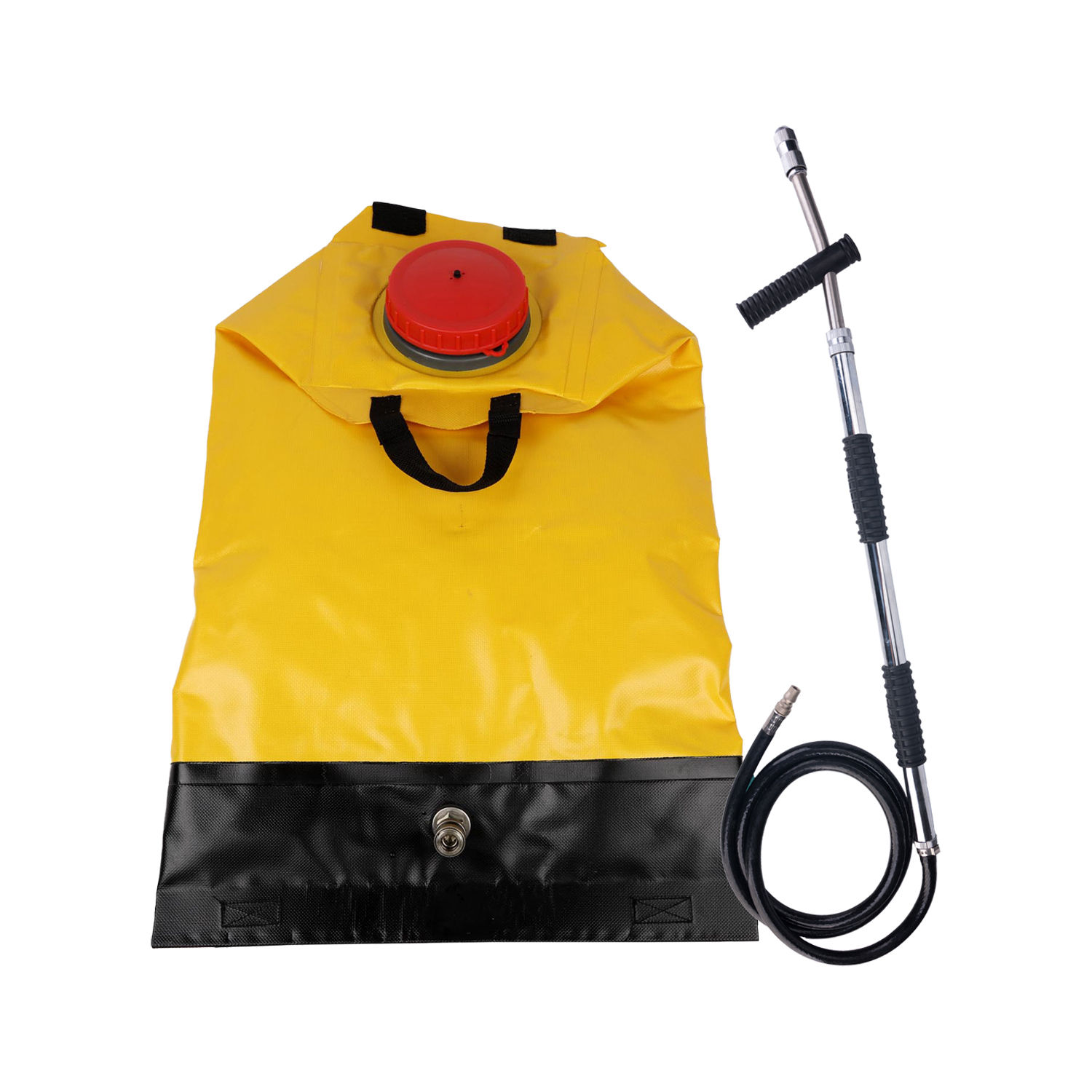
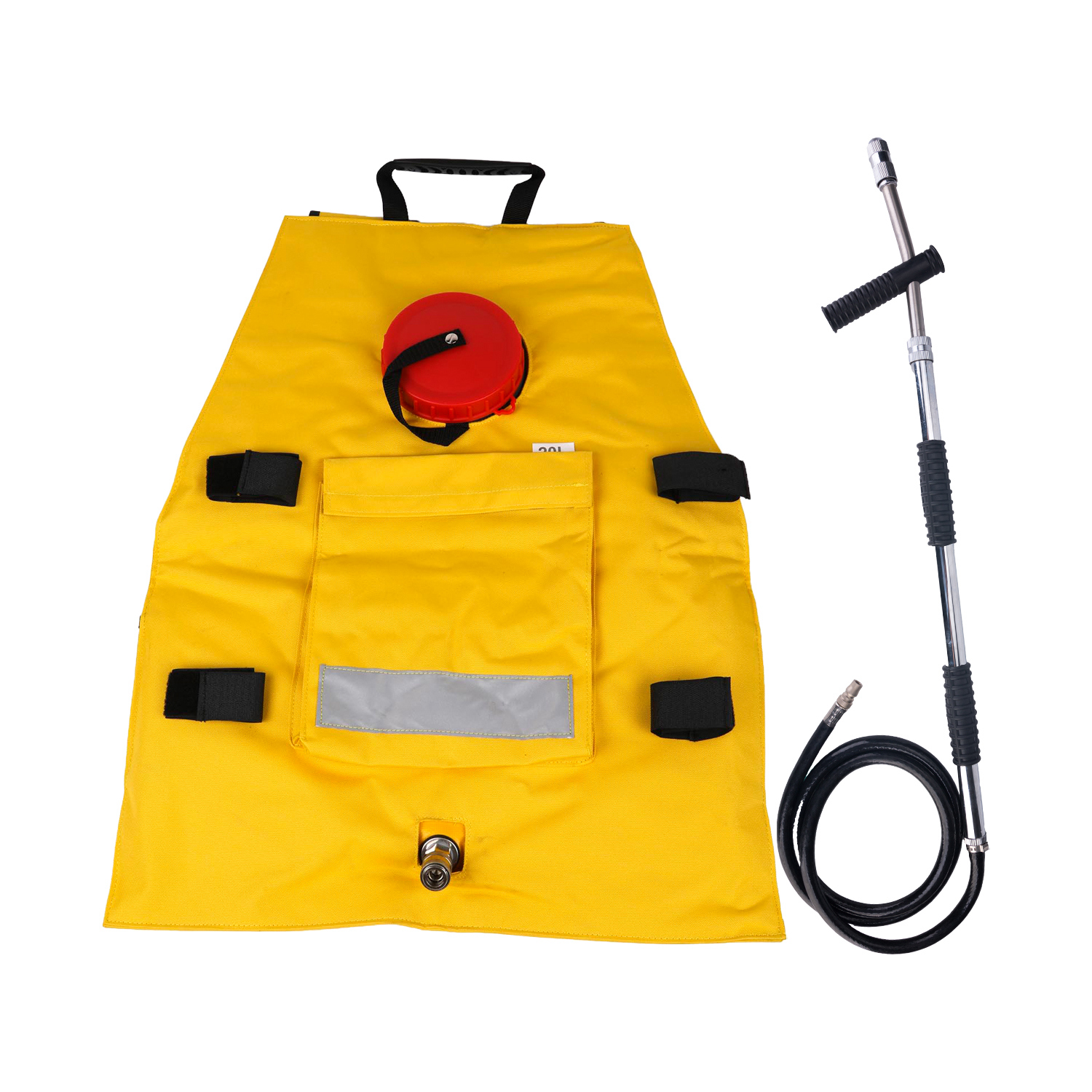
When I compare refillable brake cleaner sprayers vs aerosols, I look beyond the purchase price. The practical calculation includes usable fluid volume, bulk brake cleaner cost, sprayer equipment, refill labor, maintenance, waste, disposal, storage, and technician workflow. In many repair shops, aerosols remain convenient for low-volume work, while refillable systems can reduce cost per application when daily usage is high enough.
| System |
Example usable fluid basis |
Illustrative product cost |
Equipment cost |
Estimated fluid cost per usable ounce |
| Aerosol brake cleaner |
14 oz can with 12 oz usable output |
$5.50 per can |
Included |
$0.46 |
| Manual refillable sprayer |
32 oz filled capacity |
$34 sprayer plus bulk solvent |
$0.35–$0.70 per use allocation |
$0.12–$0.25 |
| Compressed-air refillable sprayer |
32–64 oz filled capacity |
$75–$180 equipment range |
$0.50–$1.20 per use allocation |
$0.10–$0.22 |
The figures above are planning examples, not supplier quotations. I recommend replacing them with your delivered prices, actual fluid yield, labor rate, and waste costs.
!
What Is a Refillable Brake Cleaner Sprayer?
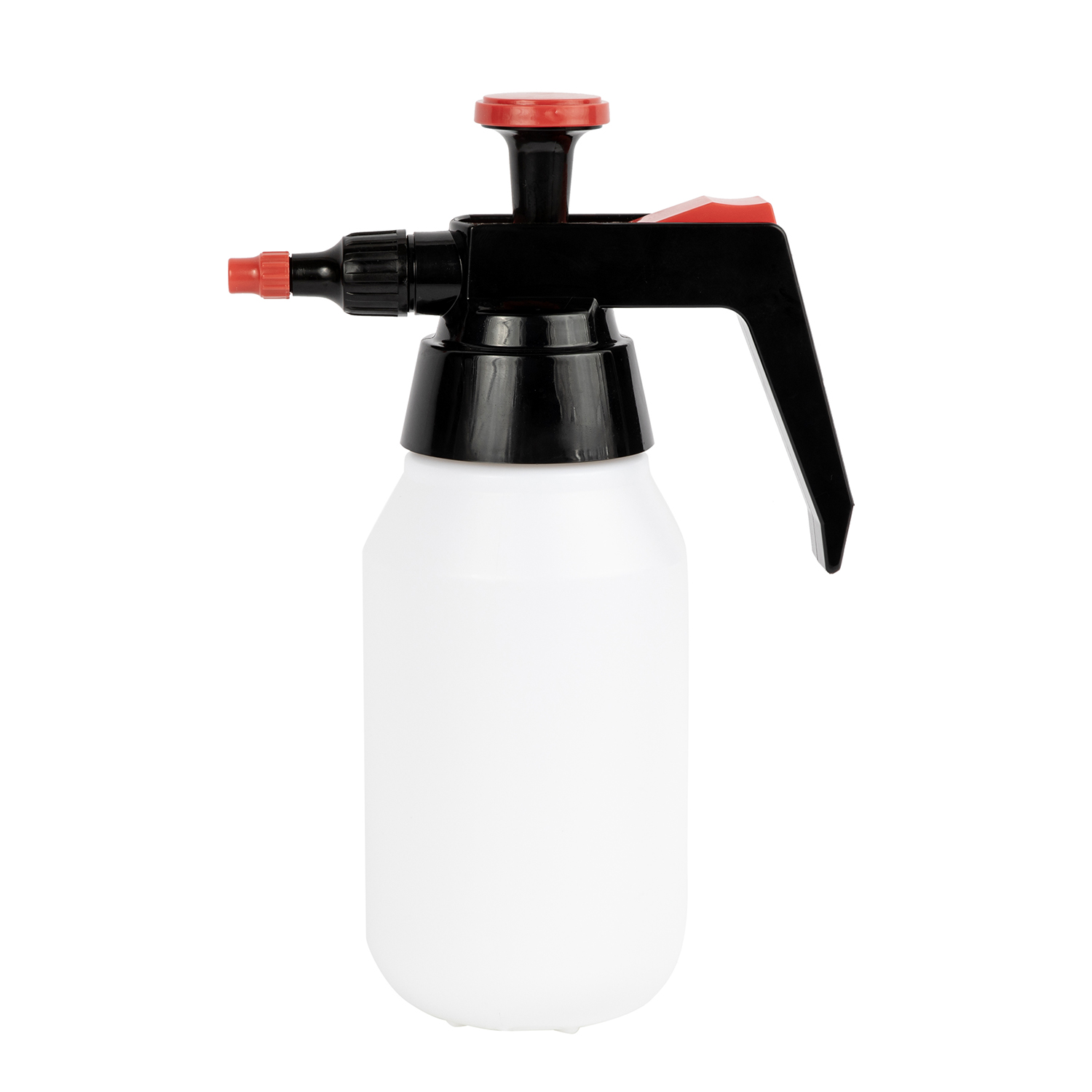
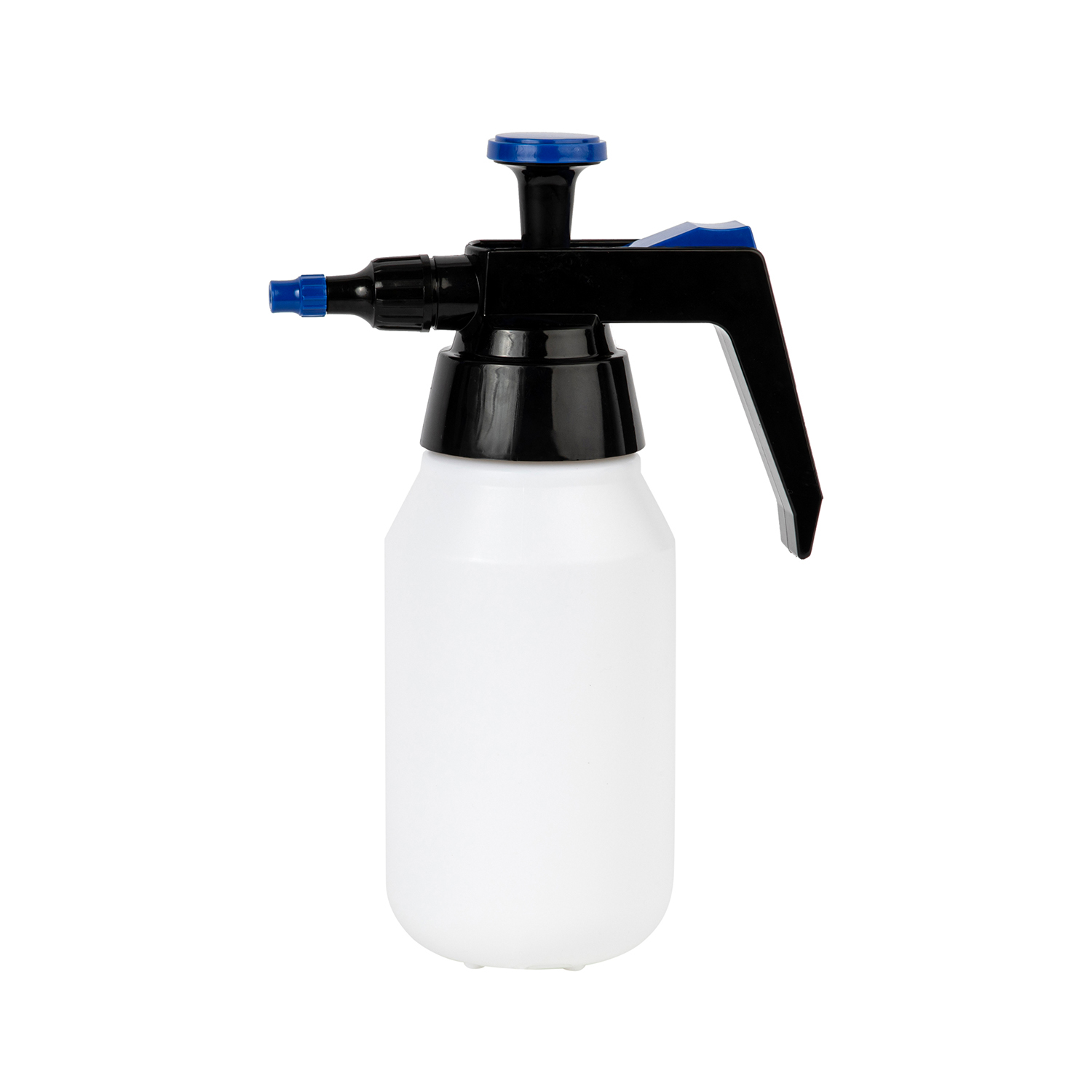
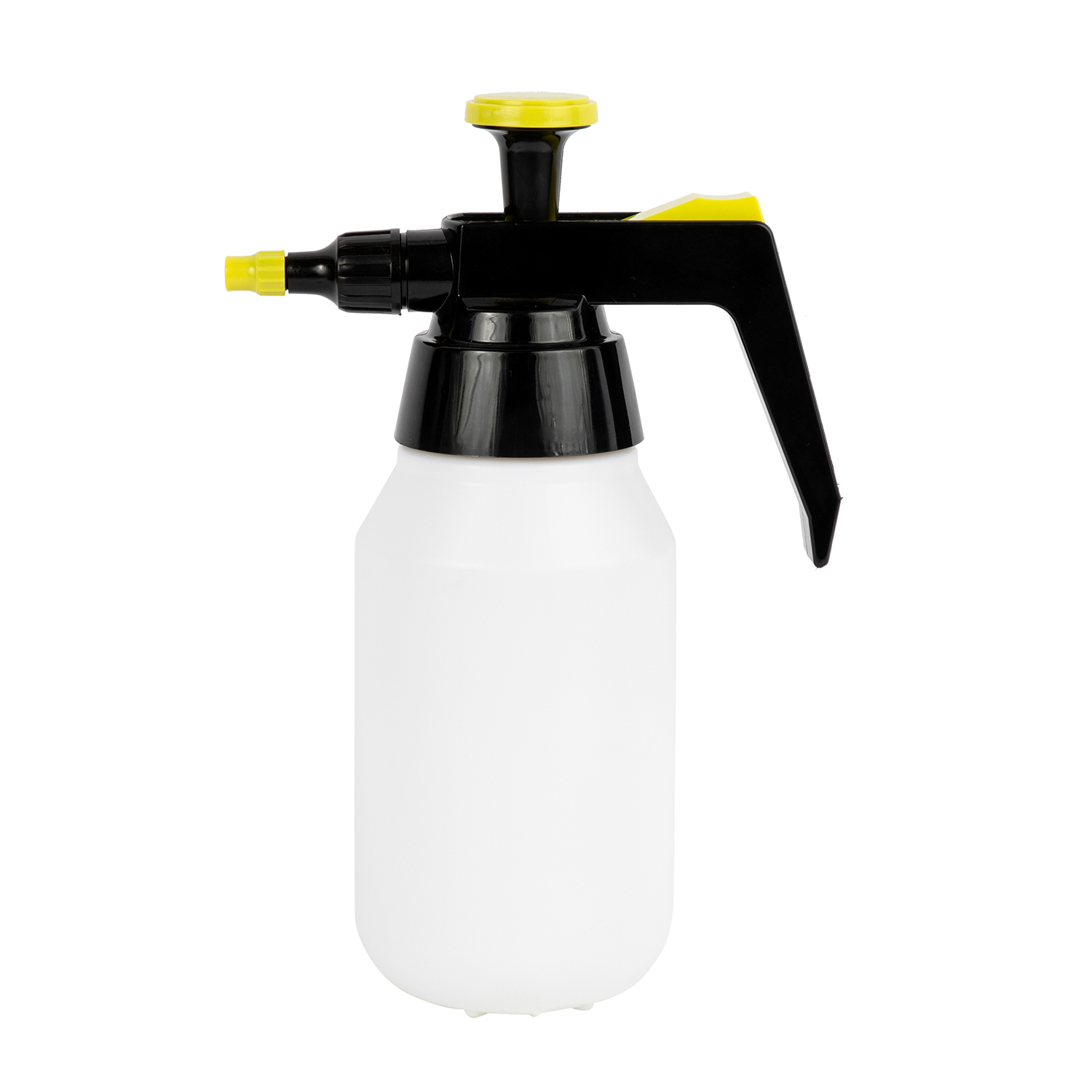
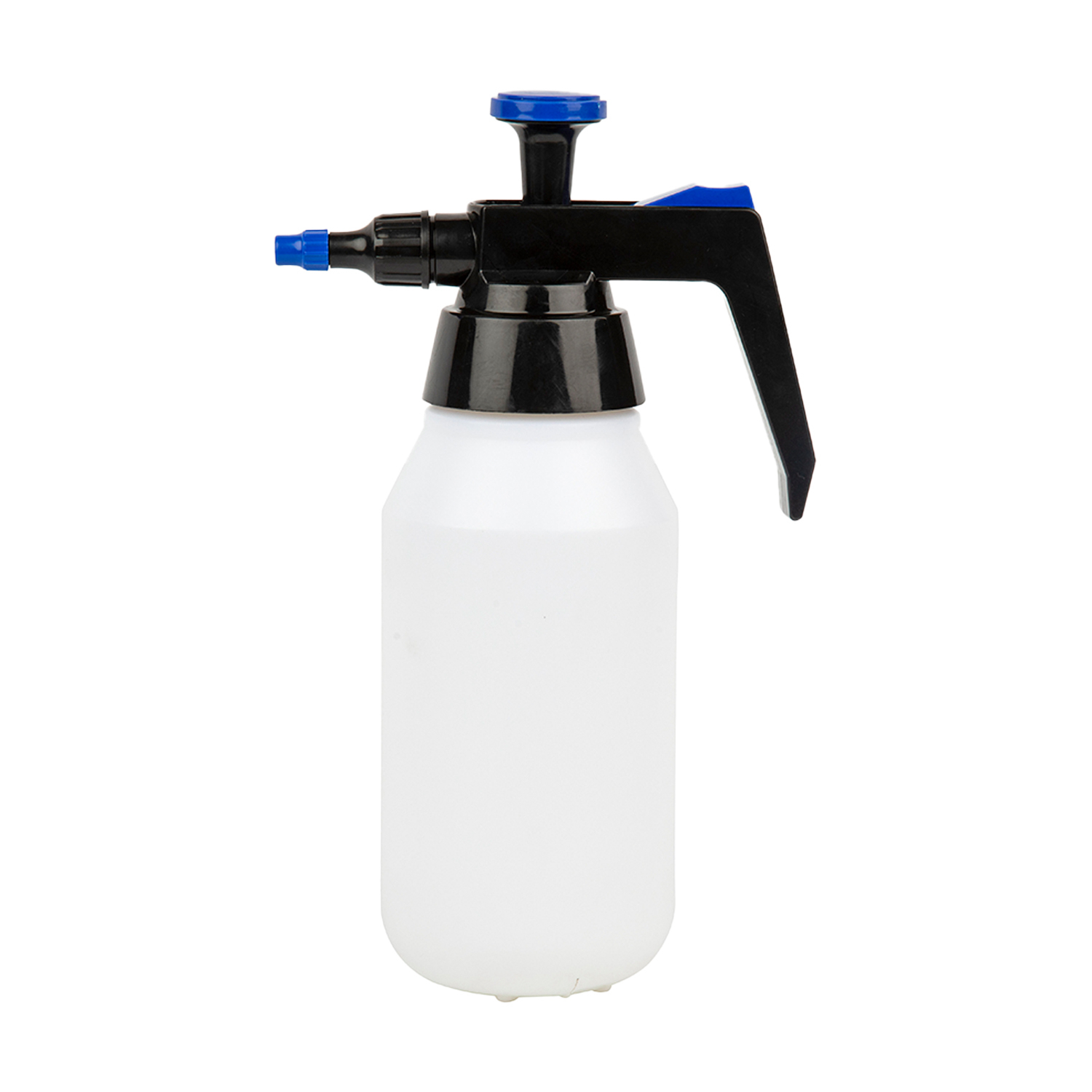
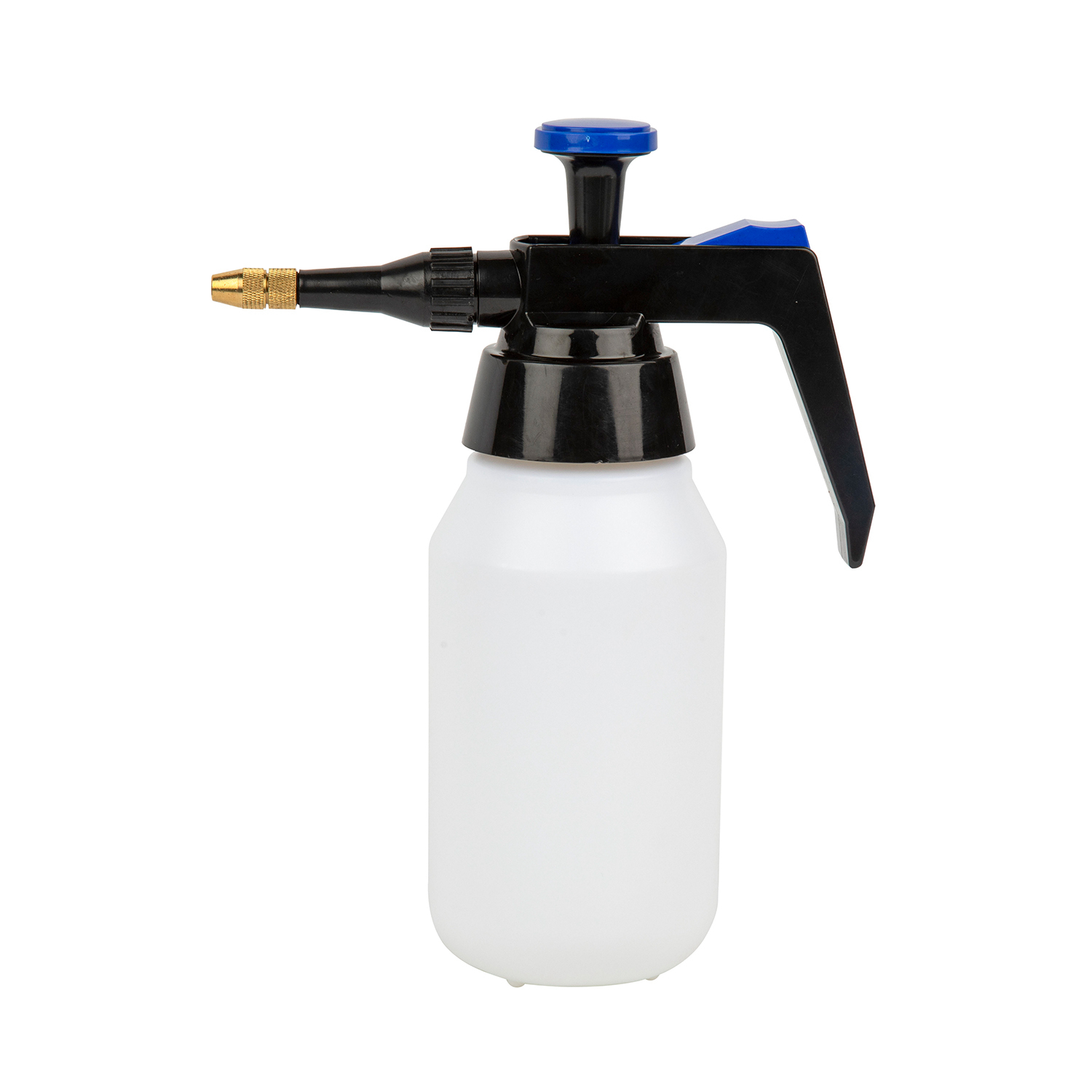
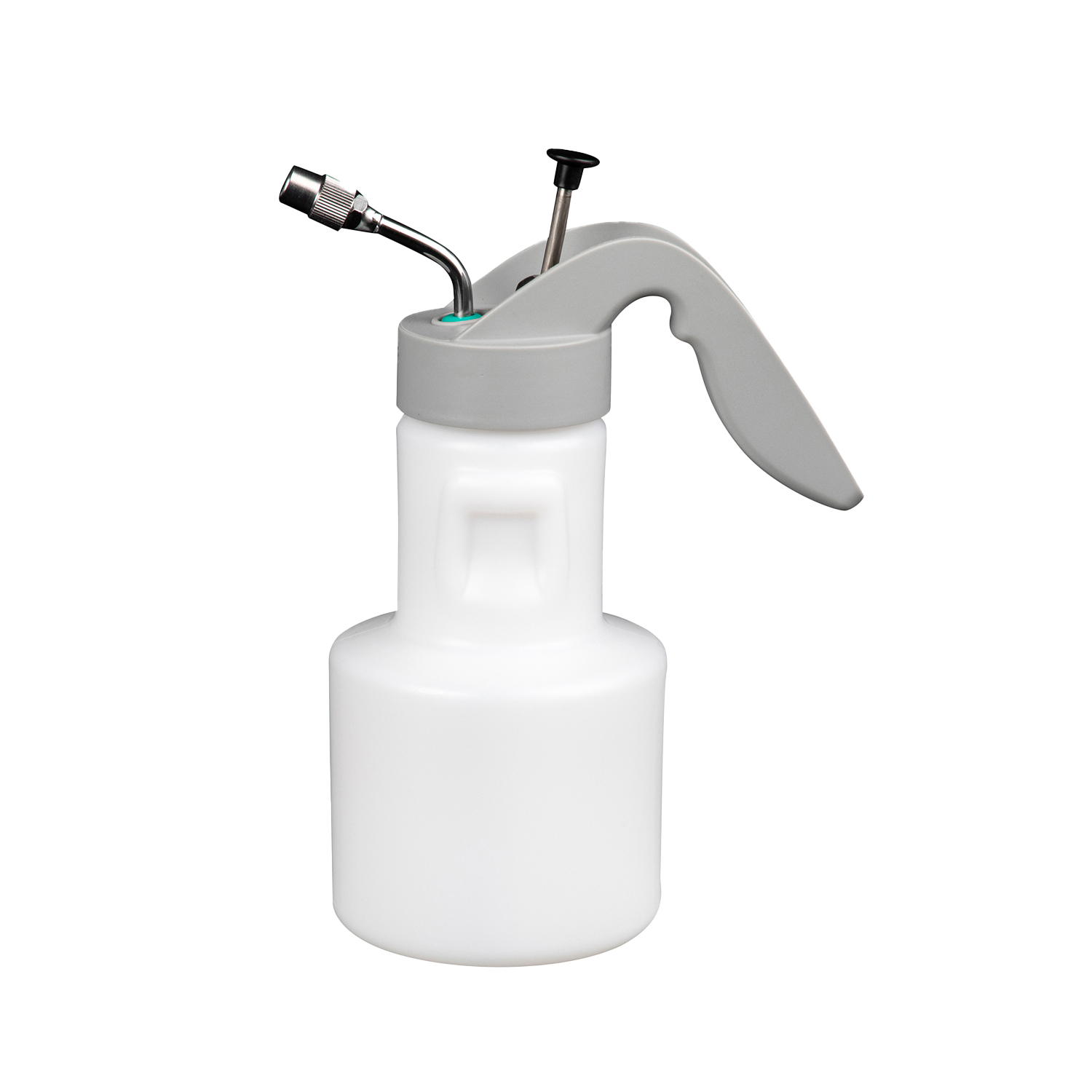
A refillable brake cleaner sprayer is a reusable container designed to apply compatible solvents through a pump, trigger, or compressed-air system. Instead of buying a pressurized can for every cleaning task, I fill the vessel with bulk brake cleaner or another approved automotive solvent and pressurize or pump it for application.
The basic process has four stages: fill the reservoir, close the container, create spray pressure, and direct the solvent through the nozzle. Manual pump models create pressure by hand, while compressed-air models use shop air to produce a more consistent spray pattern. A Brake Cleaner Spray Bottle may be suitable for some formulas, but I would not use an ordinary household bottle unless its seals, plastics, valve, and pressure rating are specifically compatible with the solvent.
Kobold produces automotive maintenance sprayers, including pressure solvent sprayers intended for workshop chemicals. Its product range also covers spray gun cleaning applicators and other industrial spraying equipment. For a purchasing decision, I would still verify the exact solvent compatibility, operating pressure, replacement parts, and cleaning instructions for the selected model.
Refillable Brake Cleaner Sprayers vs Aerosols: Which Has the Lower Total Cost?
The lower-cost option depends mainly on usage volume and labor. Aerosols usually have a higher fluid cost per usable ounce, but they require no filling, pumping, pressure preparation, or equipment cleaning. Refillable systems generally reduce solvent cost, but the savings must exceed equipment depreciation, refill time, leaks, spills, maintenance, and any additional technician movement.
For a transparent comparison, I use usable-fluid volume, not the label volume printed on a can or container. If a 14-ounce aerosol provides only 12 ounces of practical spray output, I divide the complete can cost by 12 ounces. For a refillable system, I divide the delivered bulk-solvent cost and operating expenses by the amount actually sprayed during brake cleaning.
Direct Cost Model
I calculate aerosol cost using this formula:
Aerosol cost per usable ounce = can price ÷ usable ounces
For refillable equipment, I use a broader formula:
Refillable cost per application = solvent cost + labor cost + maintenance allocation + waste allocation + equipment allocation
For example, assume a shop pays $5.50 for a 14-ounce aerosol can and obtains 12 usable ounces. The fluid cost is approximately $0.46 per usable ounce. If the same shop buys bulk solvent at $22 per gallon, the fluid cost is approximately $0.17 per ounce before adding labor, maintenance, waste, and equipment allocation.
A 6-ounce cleaning application would therefore cost about $2.75 in aerosol fluid or about $1.02 in bulk solvent. If the refillable process adds $0.35 for labor, maintenance, waste, and equipment allocation, the adjusted refillable cost becomes approximately $1.37 per application. The preliminary saving is $1.38 per vehicle requiring that application.
Labor-Adjusted Break-Even Calculation
I do not treat refill labor as free. If a technician spends 45 seconds checking the reservoir, adding solvent, repressurizing, or moving to a refill station, the labor charge must be included. At a loaded labor rate of $45 per hour, 45 seconds costs approximately $0.56.
I also include periodic cleaning, seal replacement, nozzle replacement, and minor spill cleanup. A practical monthly allocation might include $10 for maintenance and $8 for waste handling, divided by the number of applications completed during the month. If a shop completes only 40 applications, those expenses have a much greater effect than they would in a shop completing 400 applications.
The break-even formula is:
Break-even applications = initial equipment cost ÷ savings per application
Using a $90 compressed-air system and $1.38 estimated savings per application, the break-even point is approximately 66 applications. If refill labor increases the refillable cost by $0.80 per application, savings fall to $0.58 and break-even rises to approximately 156 applications.
Refillable Brake Cleaner Sprayer Cost Per Use
The most useful purchasing metric is refillable brake cleaner sprayer cost per use, because it connects equipment expense to actual shop activity. I measure one application by the amount used for a defined task, such as cleaning one brake assembly, one caliper, or one parts tray. This avoids comparing a small aerosol can with a large refill container without accounting for different spray losses.
A shop can create a simple worksheet with these fields:
- Delivered bulk-solvent price per gallon
- Usable ounces per gallon after handling losses
- Average ounces used per vehicle
- Refill time per cycle
- Technician loaded labor rate
- Monthly seal, nozzle, and maintenance cost
- Estimated spill and disposal cost
- Equipment purchase price and expected service life
- Number of applications per month
I recommend weighing or measuring the sprayer before and after 10 representative jobs. The average difference provides a more reliable application volume than a supplier’s nominal capacity. If ten vehicles consume 54 ounces, the average use is 5.4 ounces per vehicle, which can then be compared directly with aerosol consumption.
Three Refillable Systems Compared
Manual Pump Solvent Sprayer
A manual pump system is usually the lowest-cost entry point for reusable solvent spraying. I would consider it for small repair shops, mobile mechanics, and occasional brake-service work where compressed air is unavailable or equipment budgets are limited. It can provide controlled application, but spray pressure decreases as the operator uses the fluid or stops pumping.
Its main financial advantage is low acquisition cost. Its main operating cost is technician effort, especially when repeated pumping is needed during high-volume service. If the technician must stop several times to restore pressure, the labor difference between manual and aerosol use may reduce the expected savings.
Compressed-Air Refillable Sprayer
A compressed-air sprayer uses shop air to maintain a more consistent spray pattern and application rate. I would consider this system for high-volume repair shops, fleet maintenance departments, and service bays already equipped with reliable air lines. The initial purchase price is usually higher, and the system requires pressure controls, compatible seals, and correct operating procedures.
The financial benefit increases when technicians perform many cleaning applications each day. Consistent pressure can also reduce uneven coverage and repeated spraying, but that advantage should be measured with actual fluid consumption rather than assumed. A shop should record air-system access time, refill time, nozzle cleaning, and pressure-related downtime before calculating expected savings.
Trigger-Spray Refillable System
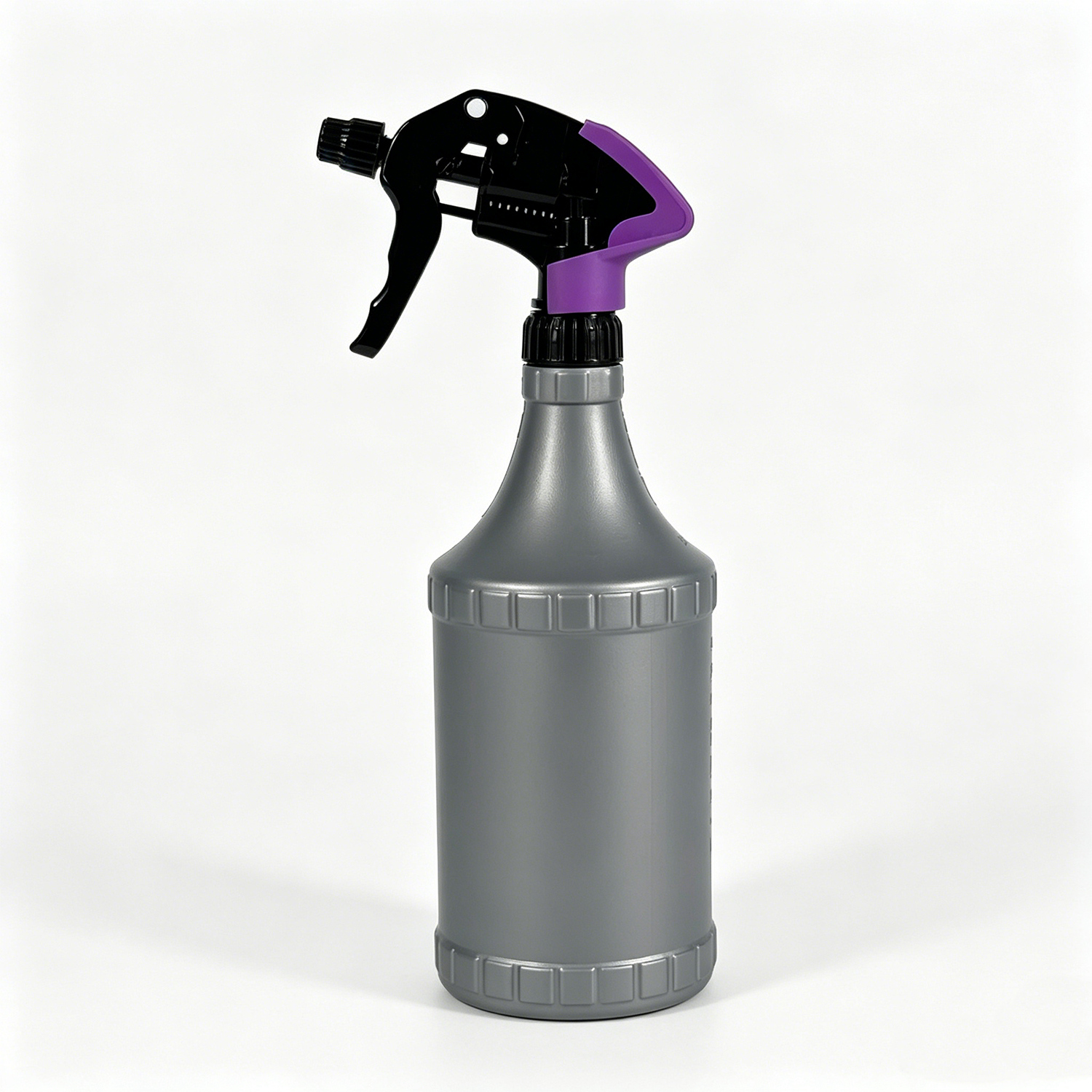
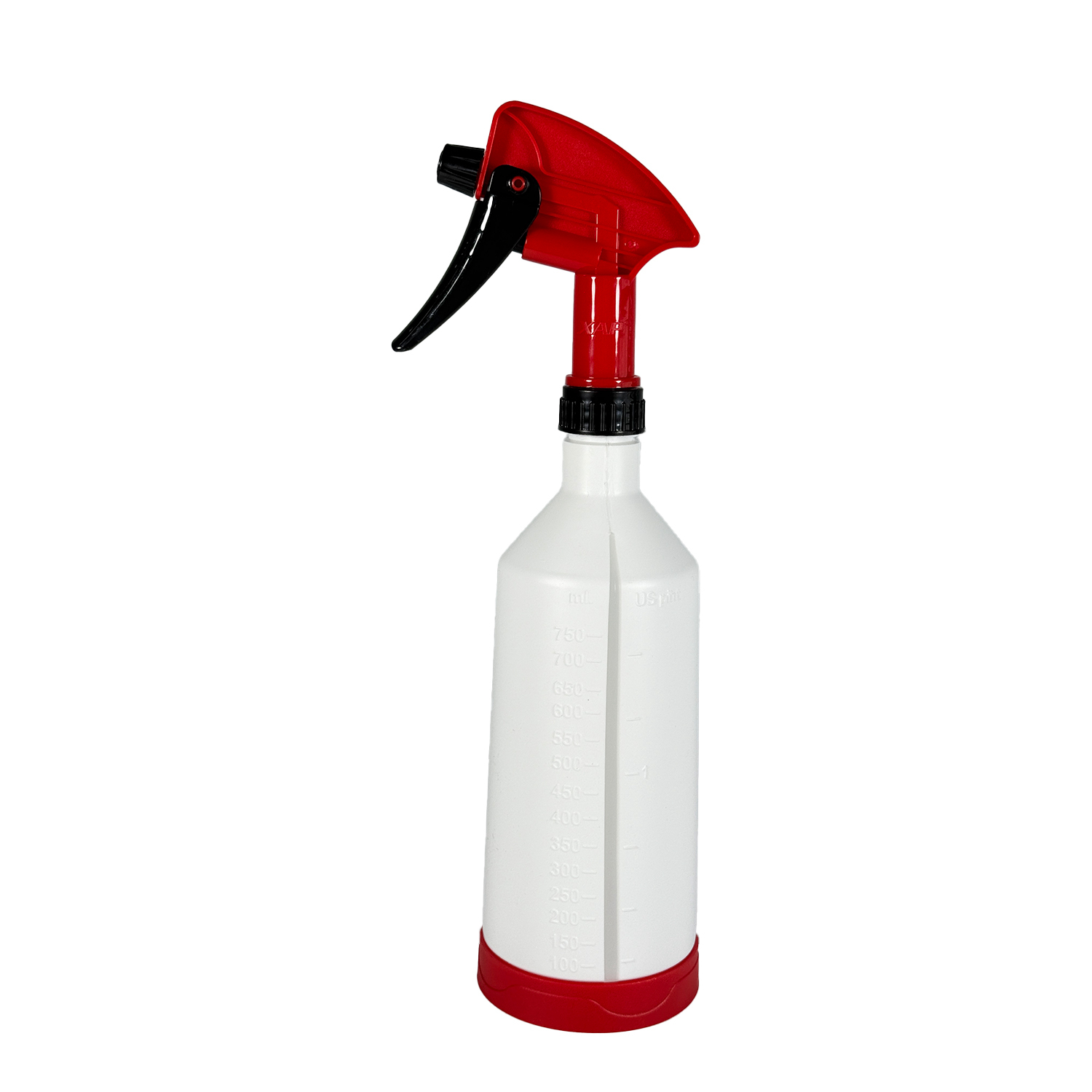
A trigger-spray system is simple to handle and can be useful for targeted cleaning, small parts, and mobile service work. It typically provides less pressure than an aerosol or compressed-air system, but it may offer better control for short-range application. I would select it when precision and portability matter more than maximum spray force.
The main limitation is that some brake-cleaner formulas can damage seals, trigger components, or plastic reservoirs. The selected unit must be rated for the intended solvent, and I would avoid using a general-purpose garden sprayer without documented compatibility. For a small shop, the lower equipment cost may make this format financially preferable even if its spray output is slower.
Practical Performance: Pressure, Coverage, and Workflow
Aerosols provide ready-to-use pressure and consistent activation until the can becomes nearly empty. They are convenient for technicians who need a fast, portable spray without visiting a refill station. However, aerosol pressure can change as the can temperature and remaining contents change, and the narrow can format creates a continuous stream of disposable packaging.
Manual refillable systems offer control but depend on pumping technique. Spray pressure, coverage, and drying behavior can vary if the operator under-pressurizes the container or uses a partially blocked nozzle. Compressed-air systems generally offer more stable output, although incorrect pressure can increase overspray, solvent consumption, and airborne exposure.
Drying behavior depends primarily on the solvent formulation, application amount, airflow, surface temperature, and contamination level. I do not assume that a refillable sprayer will dry faster simply because it uses bulk solvent. The correct comparison is the same formula, the same target component, the same fluid volume, and the same ventilation conditions.
Waste, Storage, and Disposal Expenses
Aerosol brake cleaner disposal costs include empty cans, residual solvent, storage space, and handling requirements. Even when a can appears empty, it may contain residual vapor or liquid, so I follow the shop’s waste procedures and applicable local requirements. The cost is not limited to the purchase price because waste containers, pickup arrangements, and employee handling time can add recurring expense.
Refillable systems reduce the number of disposable containers, but they do not eliminate waste. Bulk containers, contaminated solvent, used wipes, leaking seals, and rejected fluid still require controlled handling. I also account for spill response and shelf storage because bulk purchasing may create a larger inventory of flammable or regulated material in one location.
Environmental cost comparisons require care. A refillable system can reduce packaging per usable ounce, but total environmental performance depends on solvent chemistry, VOC content, transport distance, leakage, disposal method, and application efficiency. The strongest calculation compares the same solvent volume and cleaning result rather than assuming that reusable equipment automatically produces a lower impact.
Are Refillable Brake Cleaner Sprayers Worth It?
I consider refillable sprayers financially appropriate when a shop uses enough solvent to recover the equipment cost and refill labor. A small shop performing fewer than 50 relevant applications per month may not recover a compressed-air system quickly, particularly if aerosol waste is low and technicians work across several locations. A high-volume shop completing several hundred applications monthly has more opportunity to reduce cost per use.
Aerosol remains financially preferable when convenience prevents downtime, when the work is intermittent, or when a mobile technician cannot access bulk solvent safely. It can also be preferable when a compatible refillable system requires frequent seal replacement or causes repeated leaks. I make the decision from measured cost per vehicle, not from unit price alone.
How to Choose Reusable Solvent Sprayers for Auto Repair
Before purchasing reusable solvent sprayers for auto repair, I use a standardized checklist:
- SDS verification: Confirm the sprayer is approved for the exact cleaner formulation.
- Seal compatibility: Check seals, gaskets, tubes, valves, and trigger materials.
- Pressure rating: Match the rated pressure to the intended operating pressure and shop-air supply.
- Refill controls: Confirm fill markings, spill prevention, cap design, and maximum fill level.
- Nozzle selection: Choose a pattern that supports targeted brake cleaning without excessive overspray.
- Maintenance access: Verify replacement seals, nozzles, tubes, and cleaning procedures.
- Storage requirements: Plan for labeled containers, ventilation, segregation, and secure storage.
- Waste handling: Define procedures for contaminated solvent, wipes, empty bulk containers, and leaks.
- Application testing: Measure fluid use and cleaning time across at least 10 representative jobs.
Kobold’s automotive maintenance category includes brake cleaner sprayers and pressure solvent equipment, while its manufacturing information describes design, mold making, injection molding, assembly, and staged quality-control processes. For a fleet or multi-location buyer, I would request technical drawings, solvent compatibility data, pressure specifications, spare-part availability, and sample testing before approving a larger order.
Decision Matrix: Which System Fits?
| Operating condition |
Preferred option |
Reason |
| Fewer than 50 applications monthly |
Aerosol or manual refillable |
Low equipment utilization limits payback |
| 50–150 applications monthly |
Manual refillable or mixed system |
Savings may justify low-cost equipment |
| More than 150 applications monthly |
Compressed-air refillable |
Labor and fluid savings become more significant |
| Mobile mechanic with limited infrastructure |
Aerosol or trigger refillable |
Portability may exceed bulk-fluid savings |
| Fleet maintenance with fixed service bays |
Compressed-air refillable |
Repeated work supports faster break-even |
| Solvent formula changes frequently |
Aerosol or dedicated labeled systems |
Reduces cross-contamination and compatibility risk |
| Strict waste-reduction target |
Refillable system with controlled dispensing |
Fewer disposable cans per usable ounce |
Conclusion
Refillable Brake Cleaner Sprayers vs Aerosols: Total Cost Comparison shows that no single system is cheapest in every operating environment. Aerosols usually provide the lowest setup burden and may remain financially preferable for low-volume, mobile, or irregular work. Refillable systems become more attractive when bulk solvent costs are lower, application volume is consistent, refill labor is controlled, and maintenance and waste are measured accurately.
I recommend recording actual usable ounces, application time, refill minutes, maintenance expenses, leaks, spills, and disposal charges for 30 days. Then calculate cost per vehicle and divide the equipment investment by the measured savings per application. If the break-even point fits your monthly workload, a manual, trigger, or compressed-air Brake Cleaner Spray Bottle system can support measurable savings; if not, aerosols may still deliver the lower total cost for your specific workflow.
 Hose End Sprayer
 Agriculture & Garden
 Cleaning & Disinfection
 Specialty Products