When I evaluate a sprayer supplier, I do not rely on product photos, catalog claims, or a single inspection report. I request measurable evidence covering operation, pressure, leakage, flow rate, spray distribution, durability, safety, calibration, and regulatory compliance. These checks show whether a manufacturer can control both individual units and production batches.
Priority tests to request:
- Functional operation testing for spray activation, shutoff, pressure, flow, and component assembly.
- Pressure, leak, and seal integrity testing at defined operating and maximum test pressures.
- Flow-rate, nozzle uniformity, spray-pattern, and droplet-size verification using calibrated equipment.
- Durability, lifecycle, chemical compatibility, and environmental-resistance testing for intended applications.
- Electrical, mechanical, ergonomic, and packaging safety checks before shipment.
- Calibration records, acceptance limits, batch traceability, corrective-action reports, and compliance documents.
!
I use this process when assessing agricultural, industrial, cleaning, disinfectant, automotive, firefighting, and battery-powered sprayers. The same test name can represent very different procedures, so every request should define the test method, sample size, equipment, operating conditions, acceptance criteria, and report format.
Quality Tests to Request from a Professional Sprayer Manufacturer
The most useful testing program combines factory quality control, independent laboratory testing, and field-performance testing. Factory testing confirms that the manufacturer controls production, laboratory testing provides greater independence for safety and compliance questions, and field testing shows whether the sprayer performs with the actual liquid, pressure, nozzle, temperature, and work cycle.
I also separate design validation from routine production inspection. A new sprayer may require extended pressure cycling, chemical compatibility, battery safety, and environmental testing, while every production batch may only require functional, visual, leak, flow, and packaging inspections. Requesting the same test depth for every product can increase cost without reducing the most important risks.
Core evidence to request from the supplier
For every test, I request more than a pass/fail statement. The report should identify the product model, revision, production batch, test date, sample quantity, operator, equipment identification, calibration status, test conditions, measured values, acceptance limits, and final disposition.
I also ask for evidence of nonconformance control. If a sample fails, the supplier should be able to provide the defect description, containment action, root-cause analysis, corrective action, retest result, and affected batch range. This information is more useful than a certificate without supporting production records.
Pressure, Leak, and Seal Integrity Tests
Sprayer pressure and leak testing should match the equipment’s intended operating range. For a pressure sprayer, the manufacturer should identify the normal working pressure, relief pressure if applicable, test pressure, hold time, fluid used, and locations inspected. A pressure test without these details cannot show whether the product is suitable for commercial service.
I request separate checks for the tank, pump, hose, trigger, lance, nozzle connection, cap, gasket, valve, and battery-powered fluid path. The test should examine both visible leakage and pressure decay over a defined period. For sealed assemblies, the report should record starting pressure, ending pressure, elapsed time, temperature, and the allowable pressure loss.
| Test area |
Evidence to request |
Typical buyer decision |
| Tank and body |
Pressure level, hold time, pressure loss, sample quantity |
Confirms structural integrity |
| Hose and fittings |
Connection inspection and flex-cycle results |
Identifies cracking or loosening risks |
| Trigger and valve |
Shutoff test, leakage after release, cycle count |
Confirms controlled application |
| Cap and gasket |
Seal inspection and repeated opening test |
Reduces seepage during transport |
| Nozzle assembly |
Leakage, blockage, and connection retention |
Confirms stable spray delivery |
For high-pressure equipment, I request a clearly documented safety margin between normal operating pressure and the test condition. I do not accept a general statement such as “tested for high pressure” unless the manufacturer states the actual values and acceptance limits. A supplier should also explain whether pressure tests are performed on every unit, a defined percentage of each batch, or only during design validation.
Flow Rate, Spray Pattern, and Nozzle Performance
Sprayer flow rate and nozzle performance testing determine whether the equipment delivers the intended quantity of liquid. I ask the manufacturer to test each nozzle at specified pressures and record the result in liters per minute, milliliters per minute, or another defined unit. The report should state the liquid temperature, viscosity or substitute fluid, collection method, test duration, and measurement uncertainty.
Flow-rate testing should include low, nominal, and high operating conditions when the product has an adjustable pressure range. I compare the measured output with the declared specification and ask for the permitted tolerance. For procurement, I prefer a report showing actual readings from several samples rather than a single nominal number.
Spray-pattern testing is equally important. The manufacturer should document the pattern type, coverage width, spray angle, distance from the target, pressure, nozzle orientation, and method used to assess uniformity. For agricultural, disinfectant, coating, and cleaning applications, uneven distribution can create untreated areas, excess chemical use, surface defects, or inconsistent process results.
Droplet-size analysis may be necessary for ULV sprayers, disinfectant equipment, agricultural sprayers, and coating systems. I request the measured droplet range or distribution, the test fluid, airflow conditions, and the instrument used. A supplier should not apply one droplet specification to every application because the required result depends on the formulation, target surface, pressure, nozzle design, and operating environment.
Functional, Durability, and Lifecycle Testing
Functional testing should confirm that the sprayer starts, pressurizes, sprays, adjusts, shuts off, and resets as intended. For battery-powered professional sprayers, I add checks for charging, operating time, motor activation, battery connection, low-voltage behavior, thermal conditions, and protection against accidental activation.
Durability testing should reproduce the customer’s work cycle. I ask how many trigger pulls, pump strokes, pressure cycles, nozzle adjustments, hose bends, charging cycles, or operating hours were completed. The report should record failures such as seal wear, cracked housings, pump degradation, reduced flow, switch failure, battery capacity loss, or spray-pattern changes.
The following matrix helps me match tests to product risk:
| Sprayer type or use |
Priority tests |
| Agricultural and garden sprayers |
Flow calibration, nozzle uniformity, chemical compatibility, pressure stability |
| Industrial coating sprayers |
Pressure cycling, spray-pattern consistency, solvent compatibility, surface finish testing |
| Disinfectant and ULV sprayers |
Droplet-size analysis, output stability, liquid compatibility, electrical safety |
| Battery-powered sprayers |
Battery protection, charging safety, runtime, motor endurance, thermal testing |
| Firefighting sprayers |
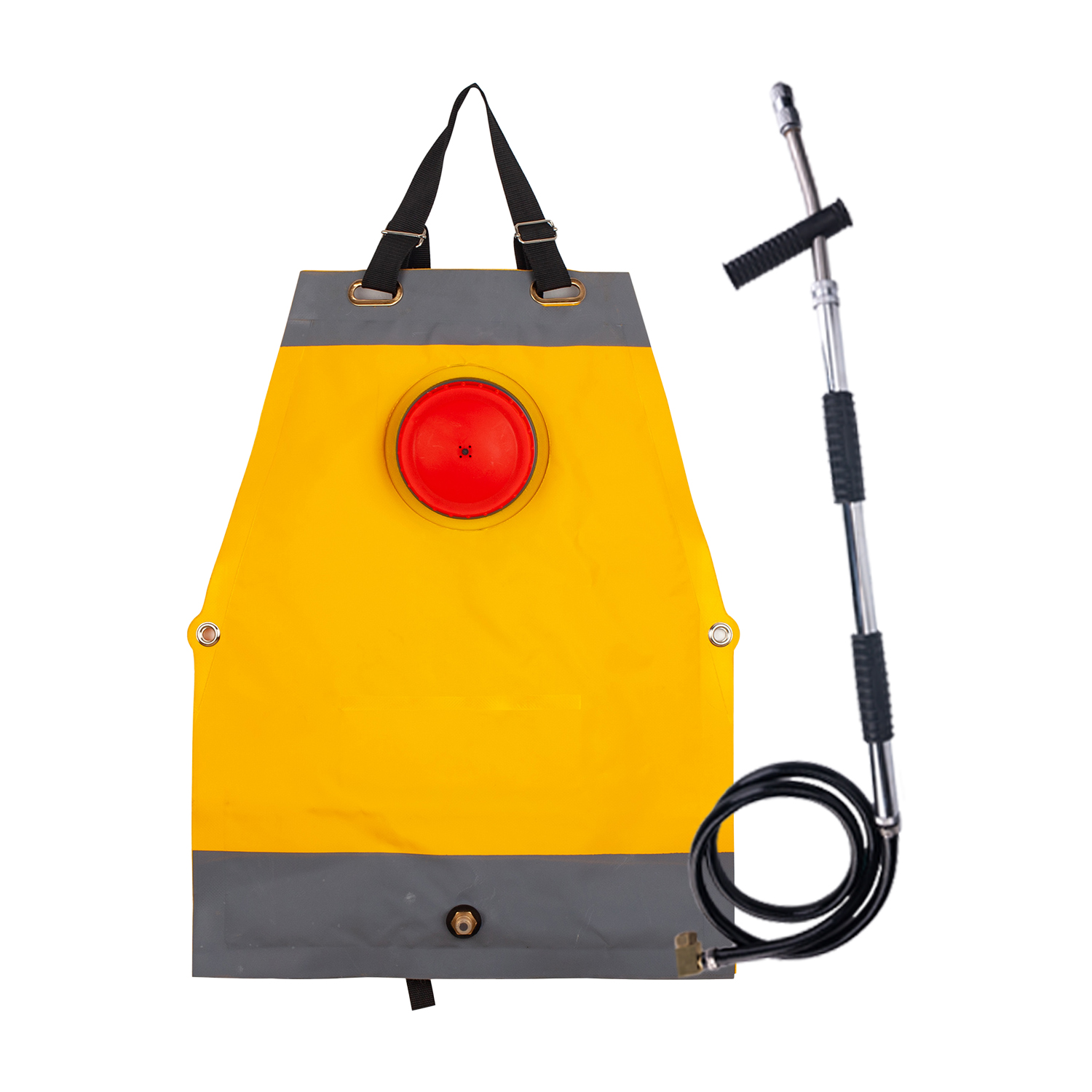
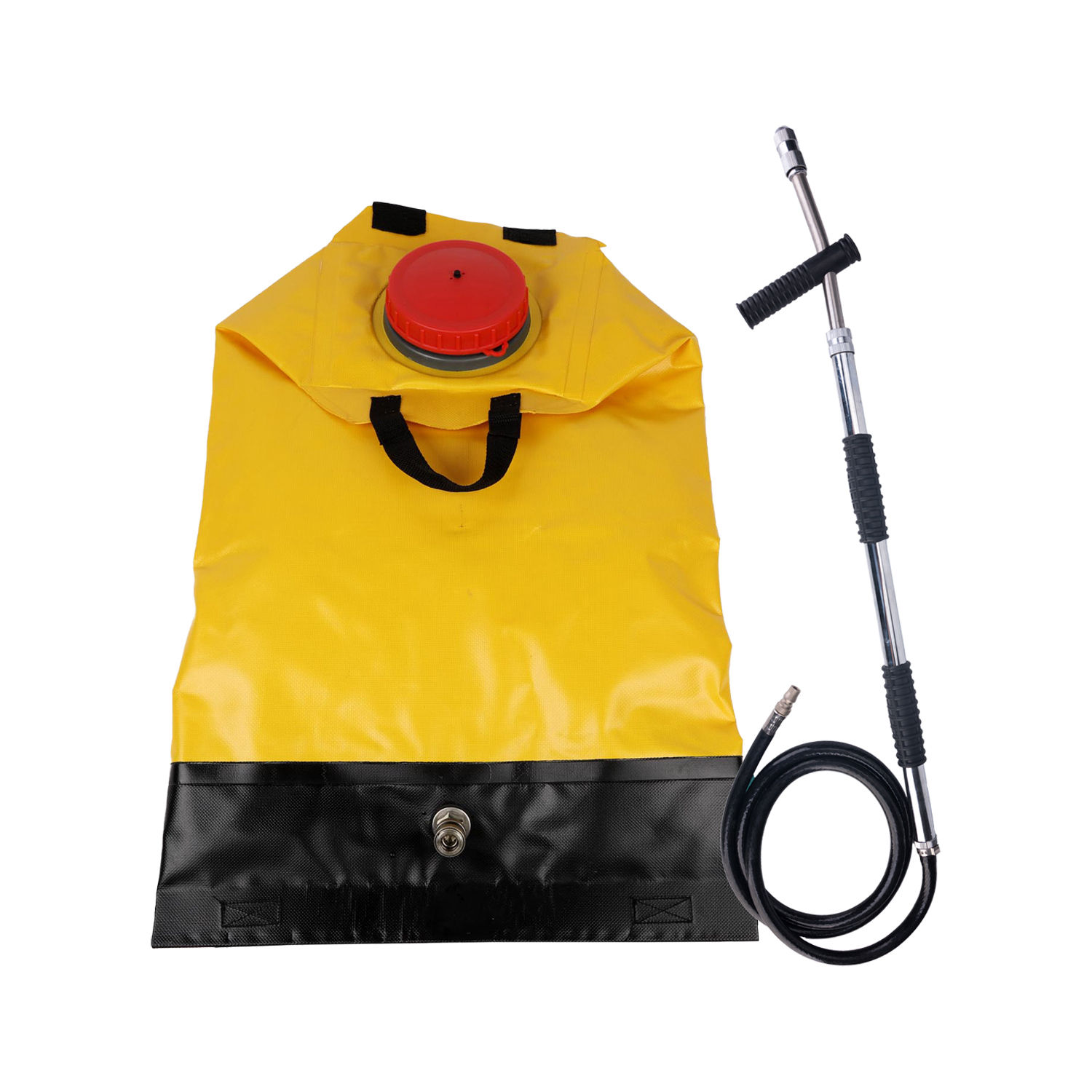
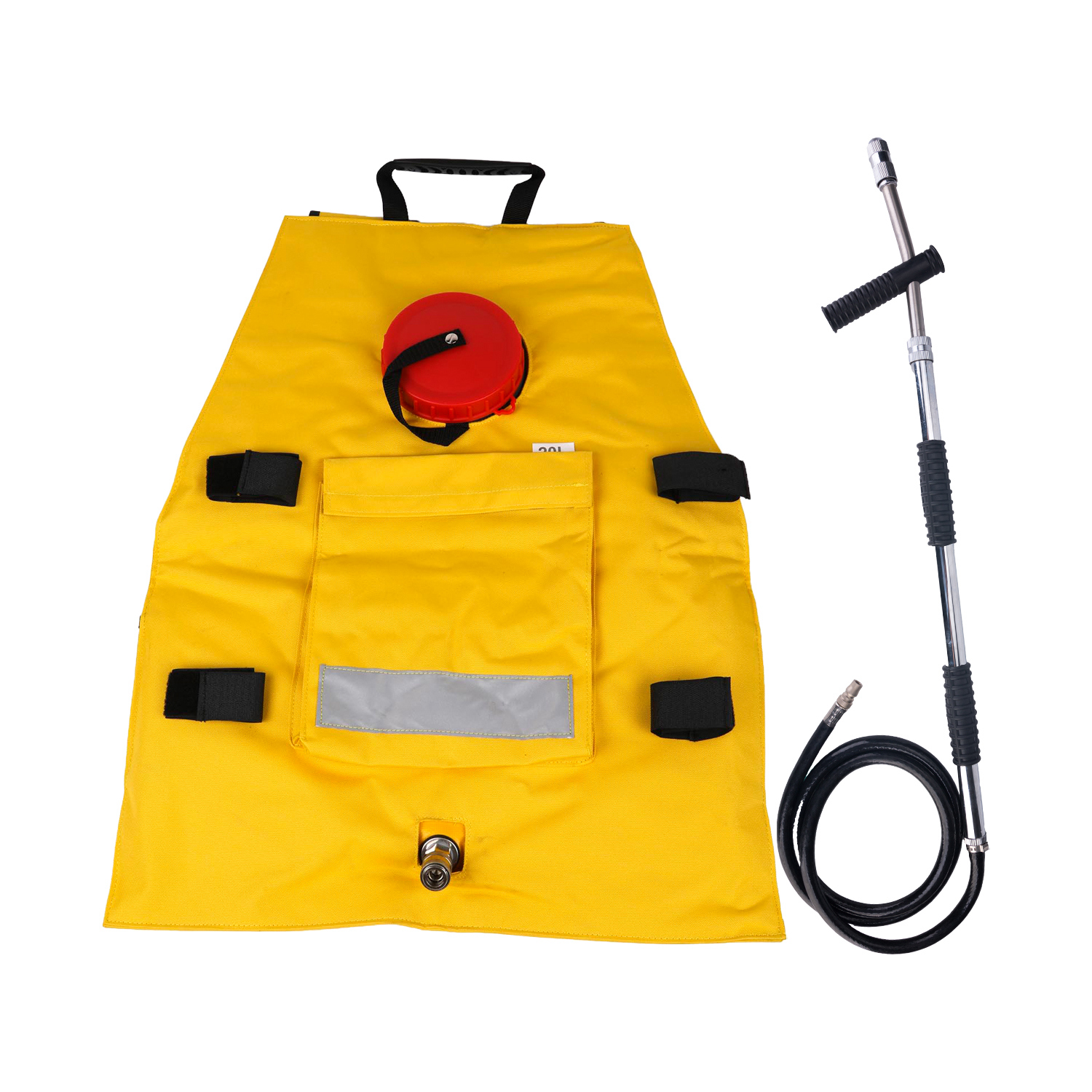
High-pressure testing, hose retention, impact resistance, emergency field testing |
| Automotive solvent sprayers |
Seal compatibility, vapor exposure, trigger cycling, leak resistance |
| Hose-end sprayers |
Mixing ratio, connection retention, flow stability, corrosion and weather exposure |
For products sold into several markets, I ask whether testing was performed on the final commercial configuration. A change in gasket material, battery pack, nozzle, plastic resin, hose length, or pressure regulator can invalidate earlier results. The report should identify the exact bill of materials or product revision tested.
Chemical Compatibility and Material Verification
Chemical compatibility testing is essential when the sprayer handles solvents, detergents, disinfectants, fertilizers, pesticides, coatings, or other aggressive formulations. I provide the manufacturer with the actual chemical names, concentrations, exposure time, temperature, storage condition, and expected operating cycle.
The test should inspect tanks, seals, hoses, valves, pump components, nozzles, labels, and adhesives. I look for swelling, cracking, softening, discoloration, embrittlement, mass change, loss of elasticity, leakage, and flow variation. A material listed as “chemical resistant” is not sufficient without identifying the chemical and exposure conditions.
For OEM projects, I request material specifications and change-control procedures. If the supplier changes a polymer grade, gasket compound, metal treatment, or coating, the revised component may require compatibility retesting. This is particularly important for small businesses that cannot independently validate every formulation.
Safety, Ergonomics, and Environmental Testing
Safety testing should cover both the operator and the surrounding environment. Mechanical sprayers require checks for pressure release, trigger locking, sharp edges, hose disconnection, tank stability, and safe filling. Battery-powered models also require electrical safety testing for charging, insulation, short-circuit protection, connector design, and abnormal operation.
Ergonomic testing can measure filled weight, handle force, trigger force, strap adjustment, balance, grip dimensions, and control accessibility. These factors affect operator fatigue and the likelihood of incorrect use. I request test conditions using the actual filled tank, not only an empty product sample.
Environmental testing should reflect the intended market. I may request temperature cycling, humidity exposure, UV aging, corrosion testing, drop testing, vibration testing, dust or water ingress checks, and transport simulation. The required combination depends on whether the sprayer will be used indoors, outdoors, in vehicles, in agricultural fields, near saltwater, or in industrial washdown areas.
Certifications, Compliance Documents, and Quality Records
When reviewing sprayer manufacturer certifications and compliance, I ask for documents that apply to the product, factory, and destination market. A company certificate does not automatically prove that every sprayer model meets the same requirements. The certificate scope, validity period, issuing body, product identification, and applicable standard should all be checked.
Kobold presents Taizhou Kobold Sprayer Co., Ltd. as a manufacturer serving automotive maintenance, agriculture, gardening, cleaning, sanitation, and firefighting applications. Its published quality system describes incoming quality control, in-process quality control, pre-shipment quality control, and outgoing quality control. The company also states that its products are associated with ISO 9001, CE, UL, and GS requirements, while its certification page lists examples including electric, pneumatic, and mist-spraying equipment documents.
I would still request the certificate copies and verify the exact product scope before placing an order. For each certification, I ask for the certificate number, issue date, expiration date, product model, test standard, laboratory or certification body, and any conditions or limitations. Compliance documents should be supported by technical files, declarations, test reports, labels, manuals, and records showing that production units match the tested design.
Factory Tests, Independent Tests, and Field Tests
Factory tests are usually the fastest way to identify production defects. They are appropriate for routine functional checks, visual inspections, leak testing, assembly verification, flow measurement, packaging inspection, and batch traceability. I request the supplier’s inspection plan and sampling method so I can understand whether the result covers one unit or an entire production lot.
Independent laboratory tests are useful when the product involves regulatory risk, electrical safety, chemical exposure, pressure hazards, or a dispute about performance. I specify the laboratory’s required accreditation, test standard, sample quantity, and reporting format before the test begins. Independent testing is especially useful when the buyer and manufacturer need an impartial result for a new market or private-label product.
Field-performance testing addresses conditions that factory benches cannot reproduce. I test the sprayer with the actual formulation, operator, nozzle, target, temperature, terrain, charging pattern, and work duration. A factory report may show a stable flow rate with water, while field testing may reveal clogging, foam, reduced battery runtime, or uneven coverage with the real liquid.
How to Compare Quality Reports from Different Manufacturers
I compare reports using the same evidence categories rather than choosing the supplier with the longest document. First, I check whether each report identifies the model, batch, test conditions, equipment, calibration status, sample size, measured results, and acceptance limits. Reports that provide only “pass” or “qualified” results receive less weight.
Next, I compare the severity and relevance of the tests. A supplier with fewer tests may still be suitable if its program directly addresses the product’s main hazards, while a long generic checklist may omit chemical compatibility or pressure cycling. I also compare corrective-action records, traceability, change control, warranty data, and the supplier’s ability to repeat testing after a design or material change.
Kobold states that its factory includes a 5,000-square-meter production area, 22 injection molding machines, 8 blow molding machines, and 12 testing machines. Its published manufacturing information also describes in-house material control, assembly monitoring, functional testing, safety and leakage checks, and batch consistency testing. These figures provide useful supplier-evaluation evidence, but I would still request the specific inspection plan and sample records for the product being purchased.
A Practical Sprayer Manufacturer Testing Checklist
Before approving a professional sprayer manufacturer, I request the following package:
- Product specification sheet with pressure, flow, capacity, nozzle, material, and operating limits.
- Functional test procedure with measured results and acceptance tolerances.
- Pressure and leak test records covering the tank, hose, seals, valves, and nozzle assembly.
- Flow-rate and spray-pattern reports for each supplied nozzle configuration.
- Chemical compatibility results for the exact formulation or chemical family.
- Durability data showing cycle count, operating hours, charging cycles, or environmental exposure.
- Electrical and battery safety reports for powered models.
- Calibration certificates for pressure gauges, flow meters, scales, timers, and analytical instruments.
- Batch traceability records linking raw materials, production dates, inspection results, and shipment cartons.
- Nonconformance and corrective-action reports for any failed production sample.
- Factory acceptance testing plan for OEM, ODM, or customized equipment.
- Certification documents matched to the final model and destination market.
Conclusion
The best Quality Tests to Request from a Professional Sprayer Manufacturer are not limited to a pressure check or a visual inspection. I recommend requesting functional operation, pressure and leak resistance, flow rate, nozzle output, spray-pattern uniformity, droplet characteristics where relevant, durability, chemical compatibility, electrical safety, ergonomics, and environmental testing.
I also separate factory inspection from independent laboratory work and field-performance validation. For a low-risk handheld sprayer, a documented batch inspection may be sufficient, while a battery-powered, high-pressure, solvent, agricultural, disinfectant, or firefighting sprayer may require additional laboratory and field evidence.
When evaluating China Sprayer Factory suppliers such as Kobold, I would review the production scale, testing equipment, certification scope, inspection stages, calibration records, batch traceability, and corrective-action process. The next practical step is to send the manufacturer a written testing checklist with your liquid formulation, operating pressure, nozzle, target market, expected service cycle, acceptance limits, and required documents before approving samples or production.

 Hose End Sprayer
 Agriculture & Garden
 Cleaning & Disinfection
 Specialty Products