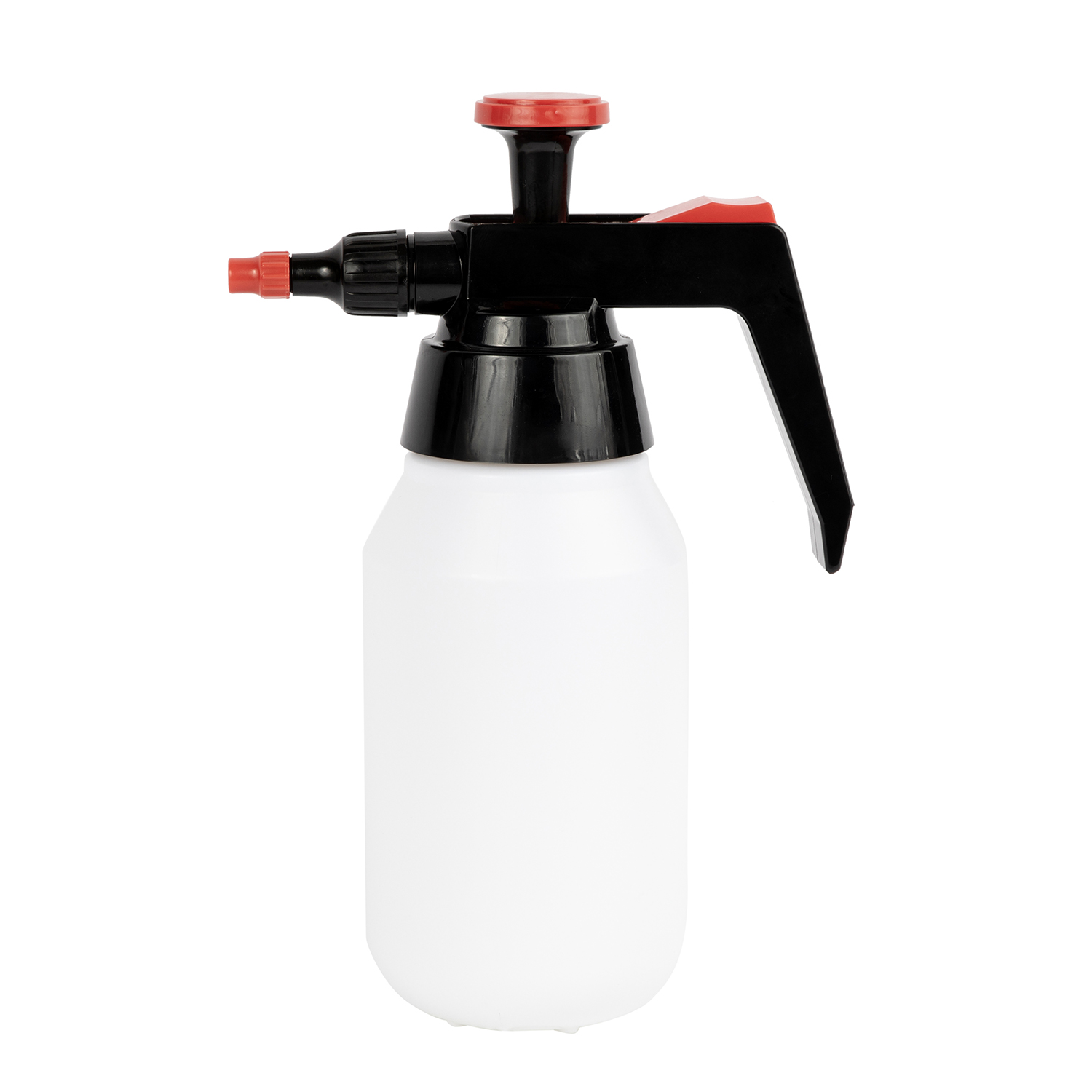
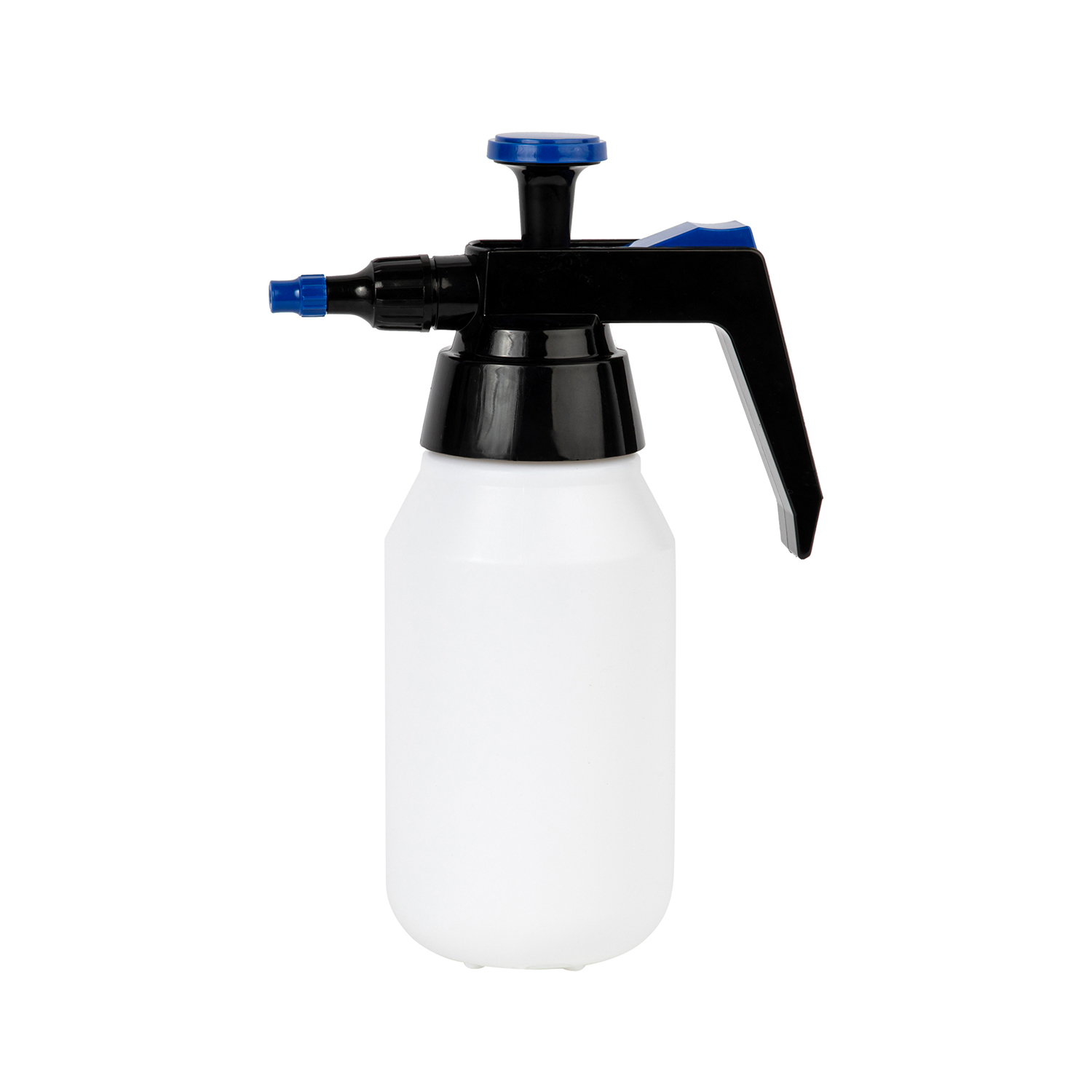
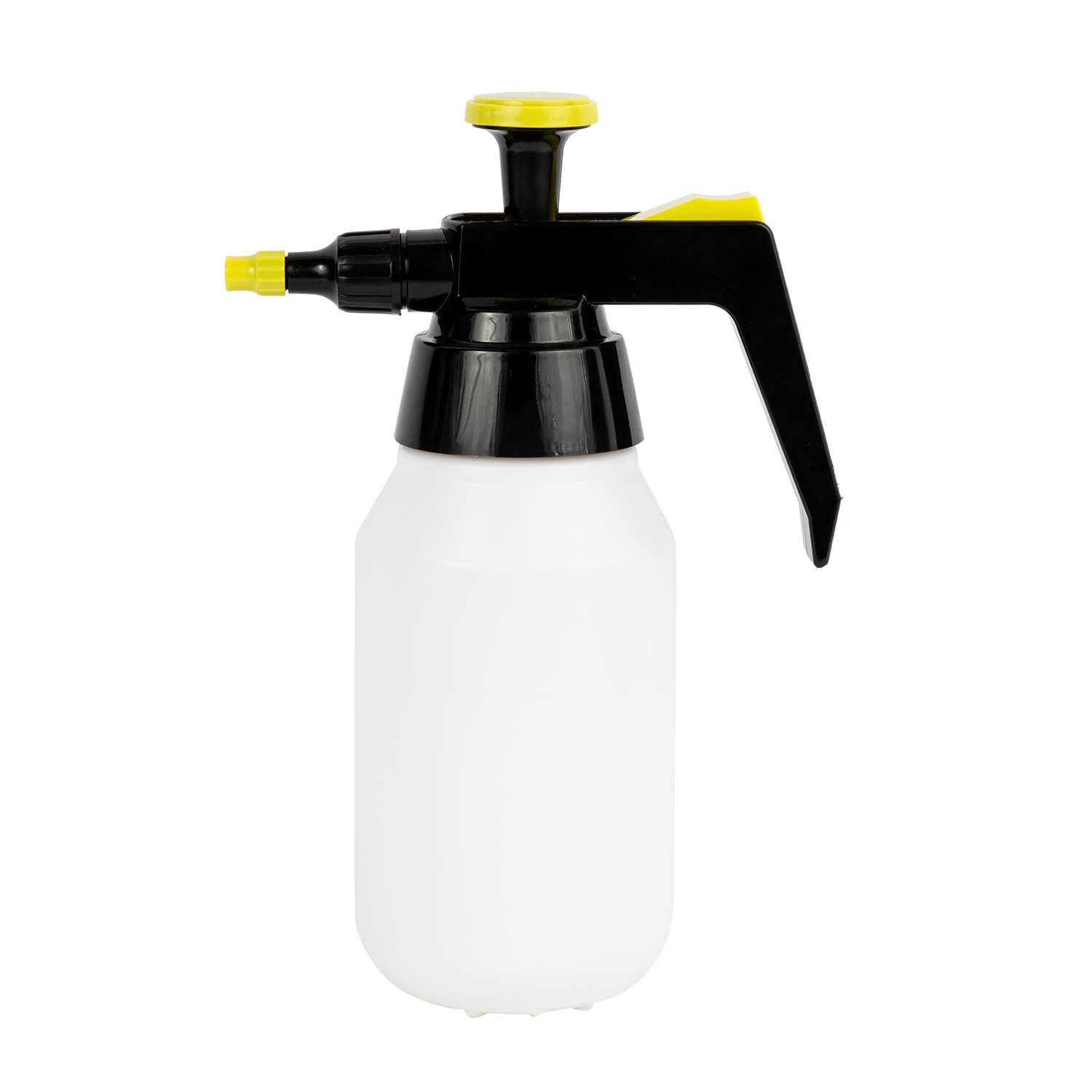
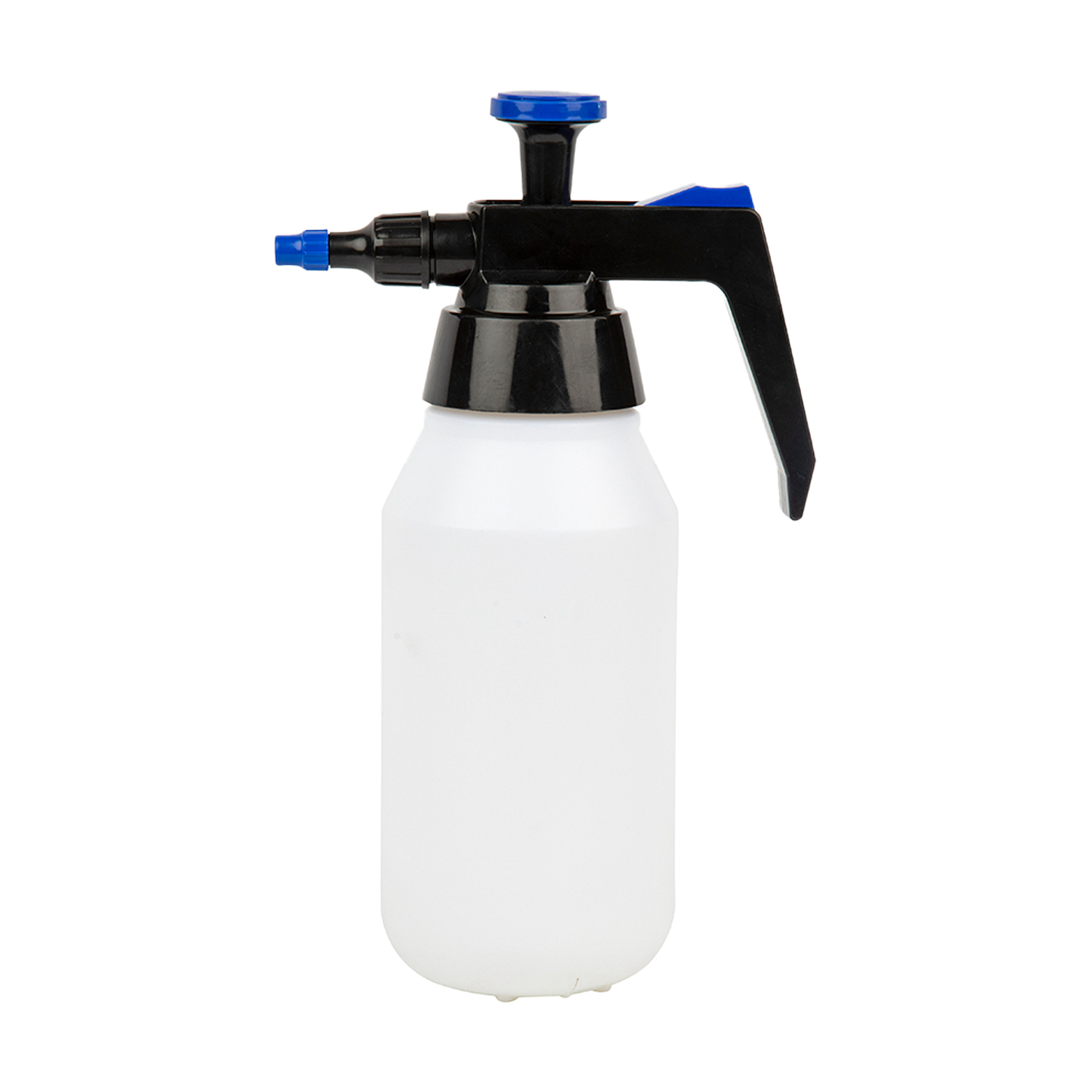
Private label sprayer packaging allows importers to sell bottles, trigger sprayers, fine mist dispensers, lotion pumps, and related components under their own brand. I usually divide the process into three routes: stock packaging with custom labels, semi-custom packaging with selected colors and decorations, and fully custom packaging using new molds with matched sprayers. The right route depends on product chemistry, order volume, target market, packaging budget, and required launch date.
Key Takeaways
- Private label sprayer packaging can combine custom bottles, closures, colors, labels, printing, cartons, and branded inserts.
- Product compatibility testing should cover viscosity, alcohol, oils, acids, essential oils, preservatives, leakage, and spray performance.
- Importers should compare MOQ, sampling, tooling, lead time, documentation, Incoterms, freight, and landed cost.
- Stock packaging reduces tooling expense, while custom molds provide stronger visual differentiation and dimensional control.
- Supplier evaluation should separate primary packaging manufacturers from distributors, printers, and contract filling companies.
Private Label Sprayer Packaging and Customization Options
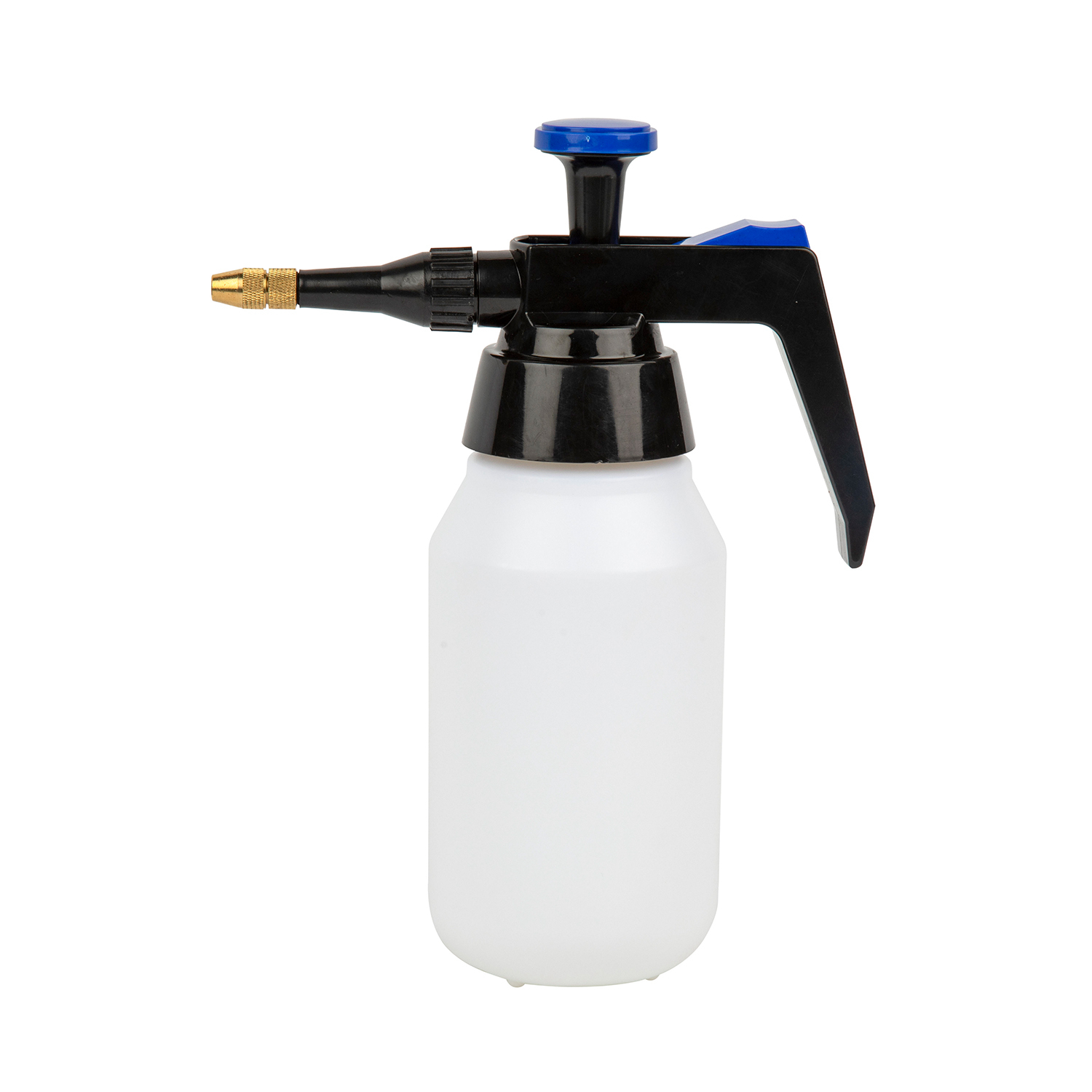
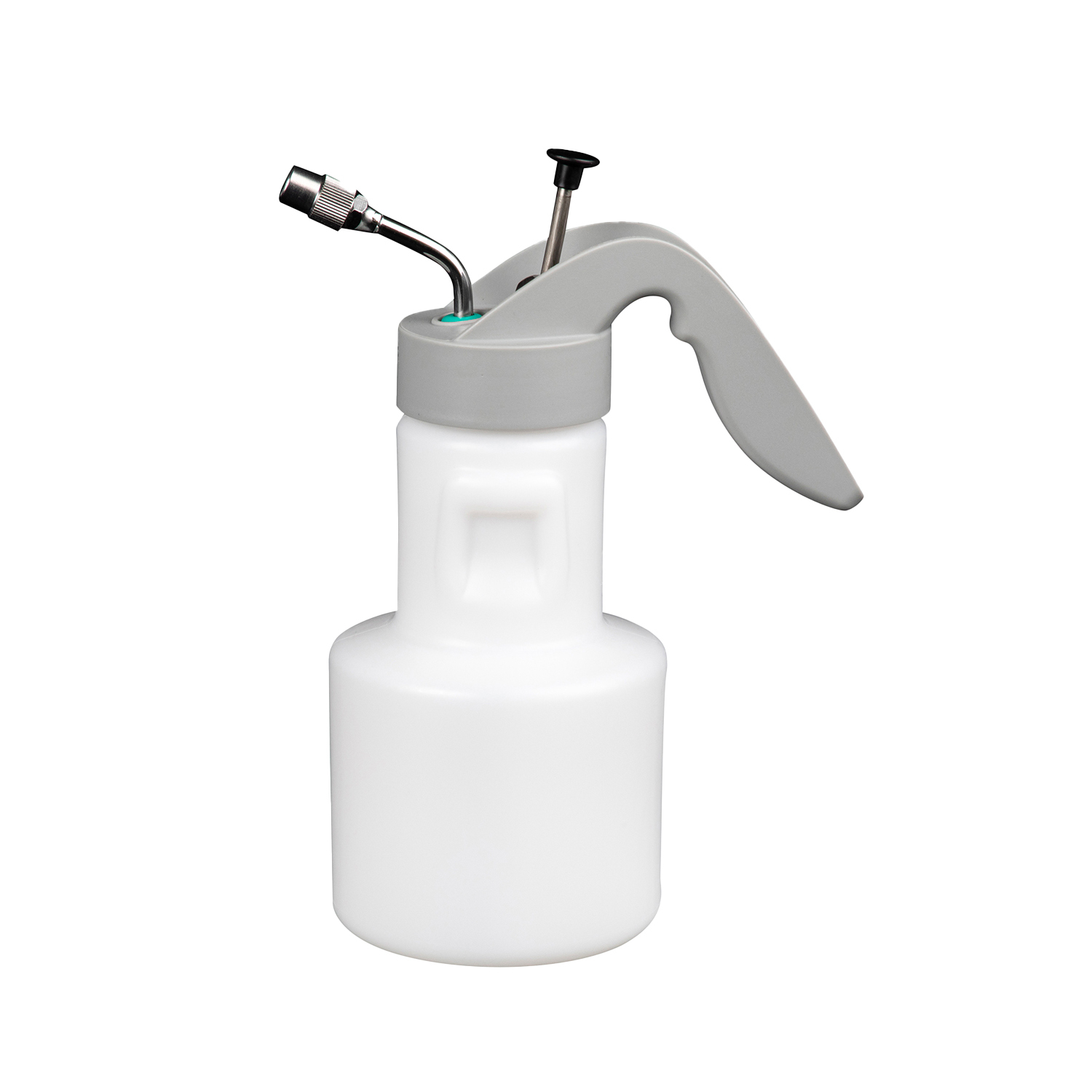
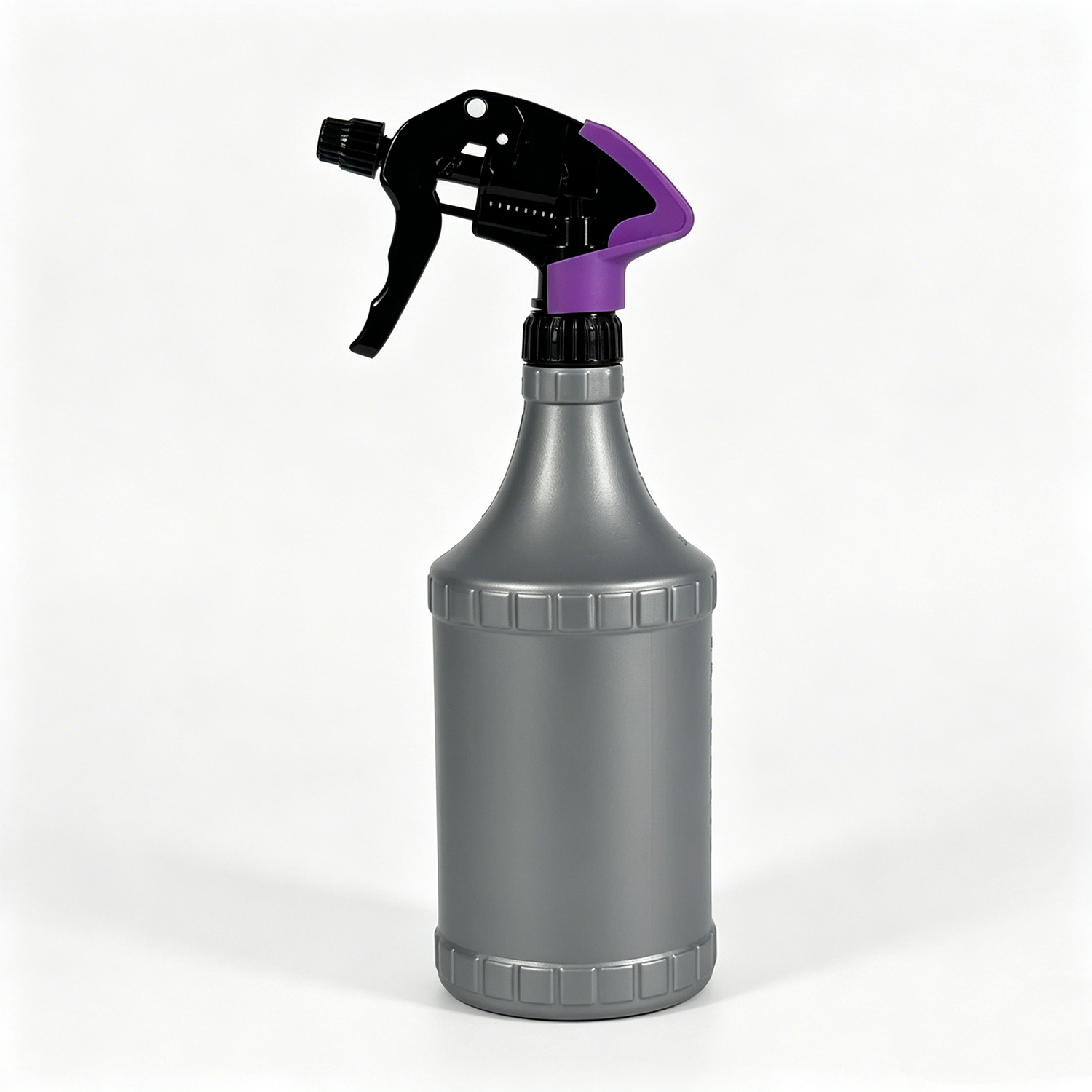
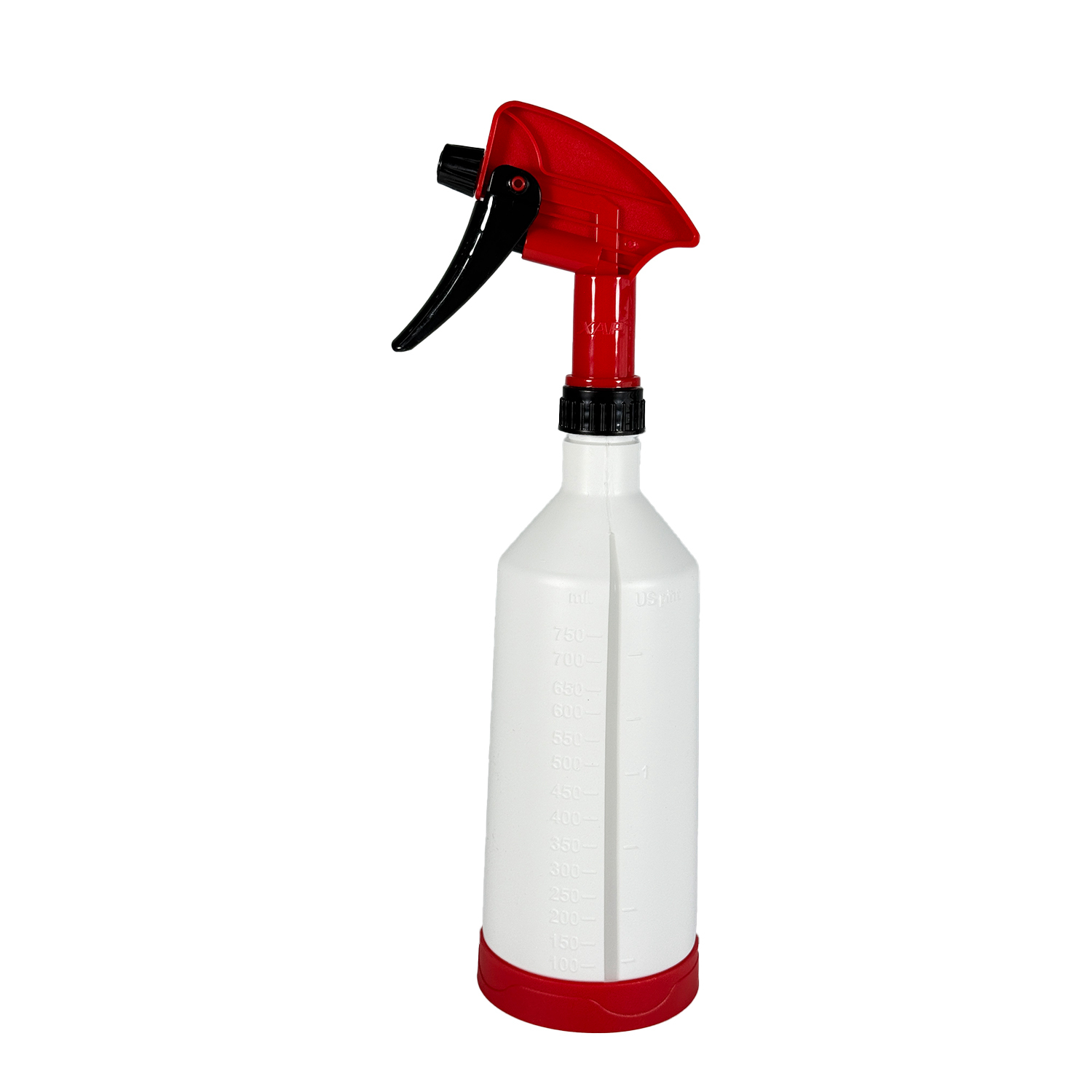
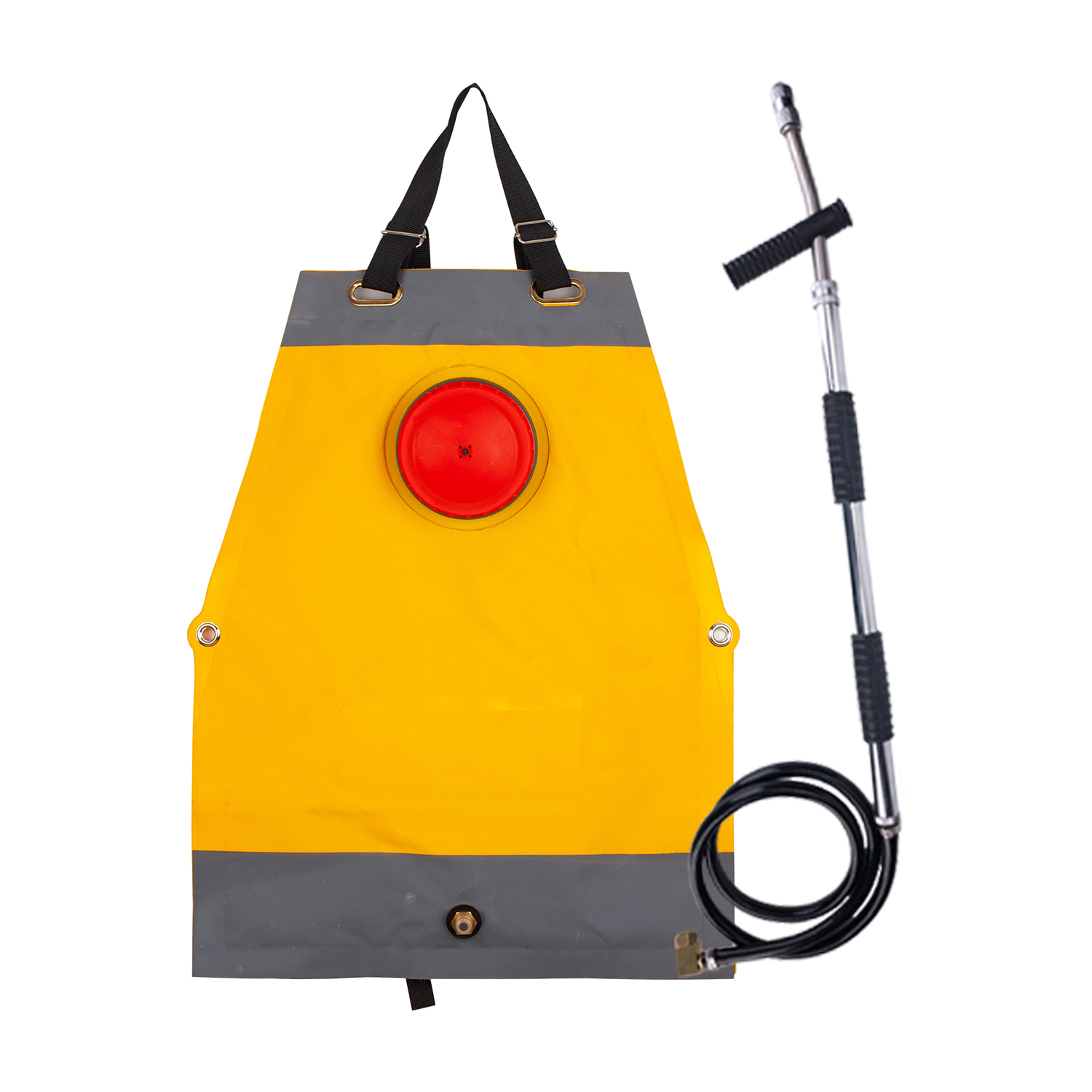
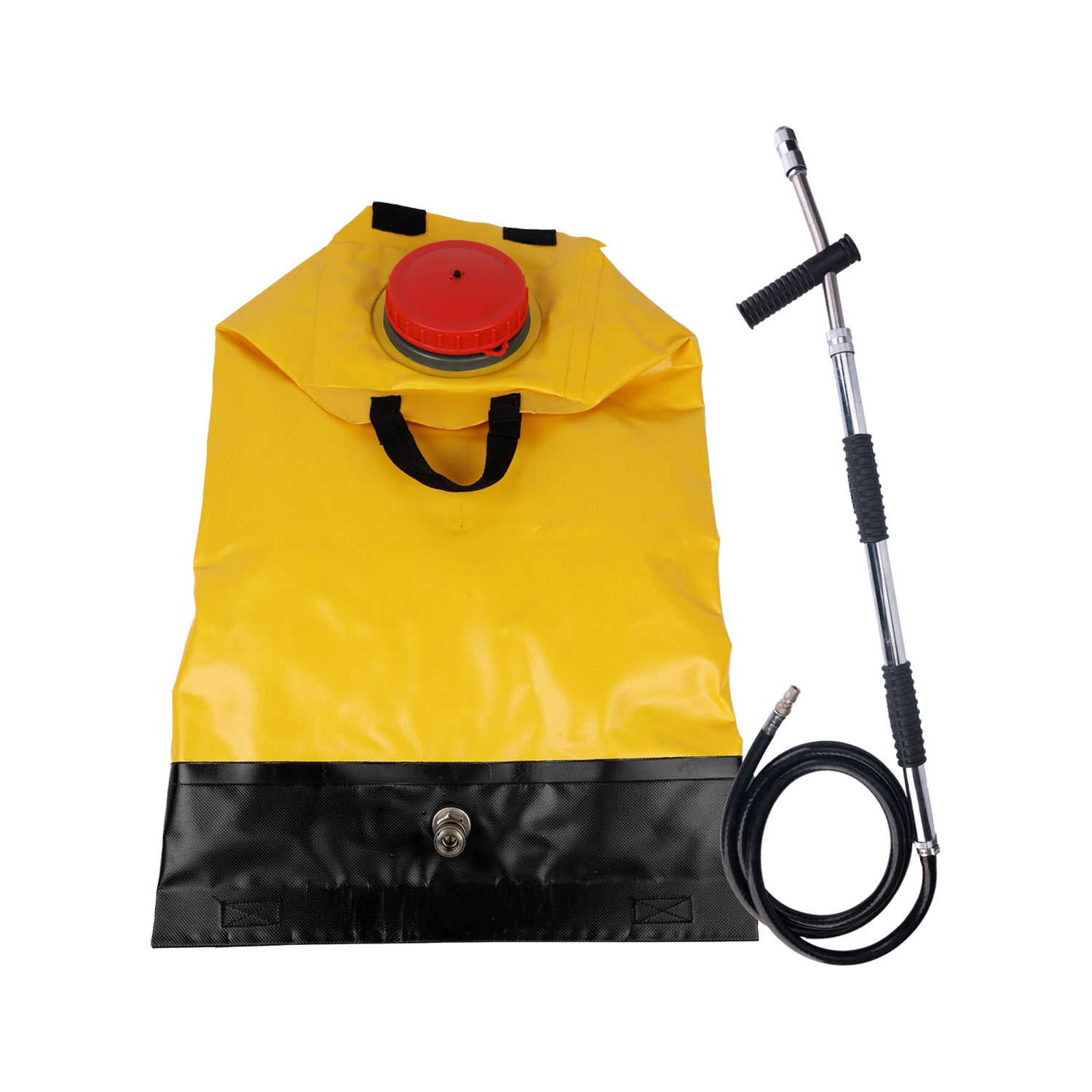
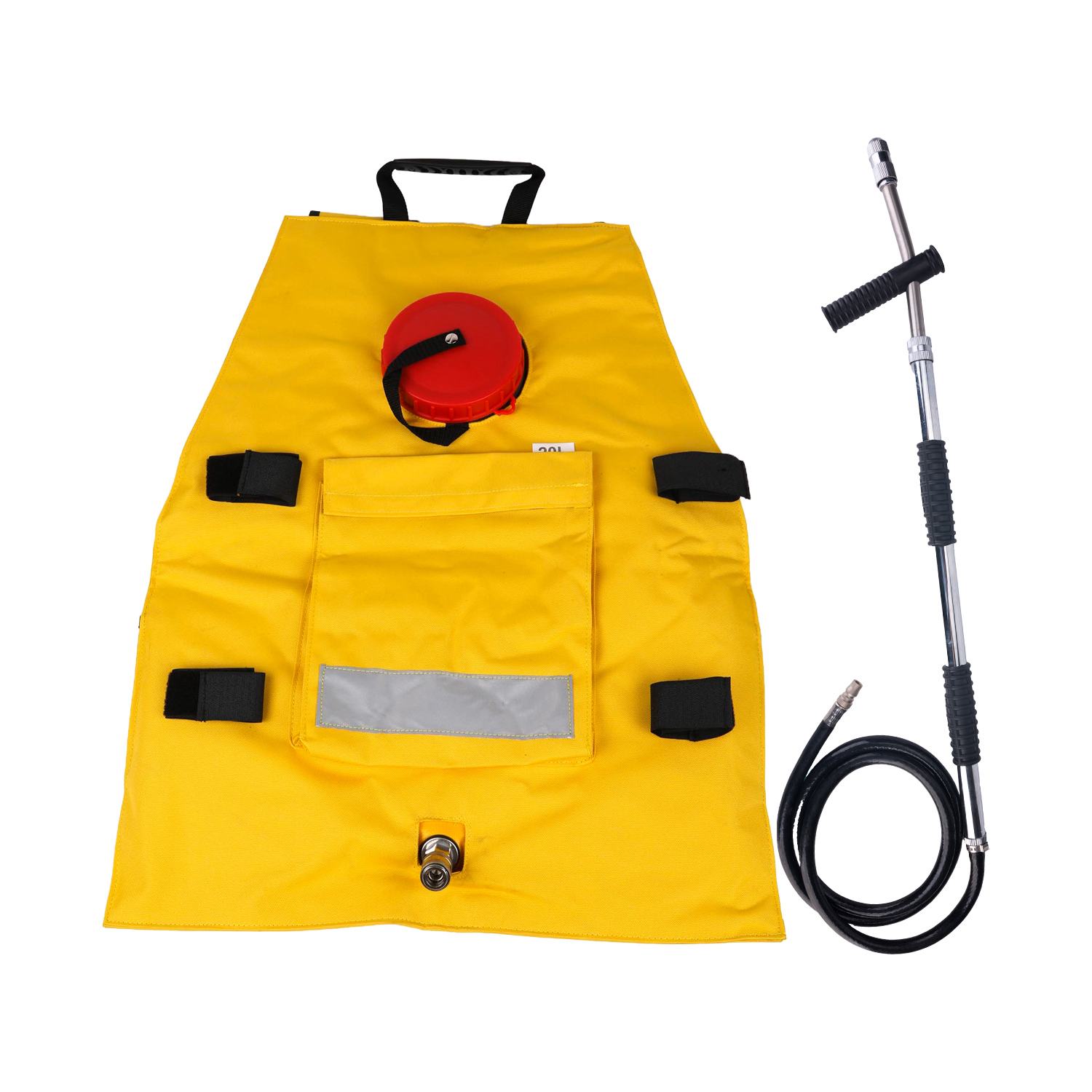
Private label sprayer packaging includes the primary container, sprayer or pump, decoration, secondary packaging, and shipment configuration. Common formats include trigger spray bottles, fine mist bottles, lotion pump bottles, foam dispensers, pressure sprayers, hose-end sprayers, and industrial solvent sprayers. Capacities may range from approximately 30 ml cosmetic bottles to 5-gallon professional sprayers, depending on the intended application.
For importers, packaging should be evaluated as a complete dispensing system rather than as a bottle alone. A compatible bottle neck, dip tube, gasket, spring, nozzle, and actuator are necessary for consistent dispensing. A supplier should also explain how its materials and components perform with the actual liquid formulation, not only with water.
!
What Is Private Label Sprayer Packaging?
Private label sprayer packaging is packaging manufactured or assembled for one importer’s brand, product line, or distribution channel. The importer normally supplies brand requirements, product information, target market details, and formulation data, while the packaging supplier proposes suitable components and decoration methods.
The simplest model uses an existing bottle and sprayer with a private label applied to the surface. A semi-custom model adds a custom bottle color, cap color, printed logo, finish, or carton. A fully custom model may require a new bottle mold, custom sprayer parts, special tooling, and a longer approval cycle.
Main Packaging Formats
| Format |
Typical Applications |
Common Capacities |
Main Decision |
| Trigger spray bottle |
Cleaning, automotive care, garden products |
250 ml–1,000 ml |
Spray pattern and chemical resistance |
| Fine mist bottle |
Fragrance, skincare, haircare, facial products |
30 ml–200 ml |
Droplet size and actuator feel |
| Lotion pump and sprayer |
Personal care and liquid cosmetics |
100 ml–500 ml |
Pump output and closure compatibility |
| Foam sprayer |
Hand cleaners, bathroom products, detailing chemicals |
250 ml–1,000 ml |
Foam density and liquid viscosity |
| Pressure sprayer |
Agriculture, sanitation, industrial maintenance |
1 L–20 L |
Pressure, seals, hose, and nozzle |
| Hose-end sprayer |
Lawn care, fertilizing, garden treatment |
500 ml–1,000 ml |
Dilution accuracy and connector design |
Custom Spray Bottle Packaging Options
When I prepare a packaging specification, I separate the bottle, sprayer, decoration, and logistics requirements. This prevents an importer from selecting an attractive bottle that cannot handle the formula or cannot be filled efficiently at the contract packer’s facility.
Bottle materials commonly include PET, HDPE, PP, glass, and selected engineering plastics. PET is often used for transparent cosmetics, personal care products, and household liquids, while HDPE is selected for chemical resistance and opaque industrial packaging. Glass may support fragrance and premium skincare positioning, but it increases breakage risk, freight weight, and protective packaging requirements.
Bottle colors can be created through natural resin color, masterbatch, coating, painting, or opaque material selection. Transparent, translucent, white, amber, black, and custom color-matched bottles are common choices. Importers should approve a physical color standard because digital artwork and screen previews cannot accurately predict resin appearance under different lighting conditions.
Bottle shapes may be round, oval, square, rectangular, cylindrical, ergonomic, or custom contoured. Shape affects shelf stability, hand grip, label application, carton dimensions, pallet utilization, and shipping cost. A visually distinctive shape is useful only if it remains practical for filling, capping, labeling, warehousing, and transport.
Decoration methods include pressure-sensitive labels, shrink sleeves, in-mold labels, screen printing, hot stamping, heat transfer, UV printing, and direct digital printing. Labels generally reduce initial tooling costs, while direct printing and molded decoration may provide a more integrated appearance but require tighter artwork and production control.
Finishes may include gloss, matte, soft-touch coating, frosted treatment, metallic effects, textured surfaces, and spot varnish. For products exposed to water, oils, solvents, or frequent handling, I recommend testing decoration adhesion after immersion, rubbing, temperature exposure, and contact with the actual formulation.
Trigger Sprayer and Closure Customization
Trigger sprayer packaging requires more technical matching than many importers expect. The sprayer must correspond with the bottle neck, liquid properties, required output, spray angle, and user application. A 28/410 neck finish, for example, cannot be assumed to fit every trigger head using a similar visual profile.
Trigger options may include adjustable nozzles, stream settings, mist settings, foam outputs, lockable actuators, extended triggers, ergonomic handles, and chemical-resistant seals. Fine mist sprayers usually require closer control of actuator geometry, dip-tube length, valve design, and output volume. Lotion pumps require separate evaluation of dose per stroke, return action, lock position, and compatibility with thicker formulations.
Before approving a component, I would test the sprayer with the actual liquid for at least several dispensing cycles and, where possible, an extended storage period. The test should record leakage, clogging, inconsistent mist, actuator sticking, loss of prime, dip-tube deformation, and changes in output volume. Alcohol, oils, acids, essential oils, preservatives, surfactants, and high-viscosity ingredients may affect seals and plastic components differently.
Packaging Compatibility by Product Category
Cosmetics and skincare products often prioritize appearance, controlled dispensing, surface decoration, and low product residue. Fine mist sprayers may be appropriate for facial water, fragrance, hair mist, and body products, while lotion pumps are generally better for emulsions and thicker creams. Compatibility testing should include fragrance oils, alcohol concentration, preservatives, and botanical extracts.
Haircare products may contain conditioning agents, oils, proteins, polymers, and styling ingredients that influence viscosity and spray behavior. A standard mist sprayer may produce uneven output if the formula becomes too thick or forms residue around the nozzle. For these products, I would request both initial spray testing and repeated-use testing after the formula has been stored under expected temperature conditions.
Cleaning products require attention to surfactants, solvents, alkaline ingredients, acids, fragrances, and disinfecting agents. Trigger sprayer packaging should be assessed for seal swelling, leakage around the closure, nozzle blockage, and label degradation. Automotive and industrial products may require HDPE bottles, specialized gaskets, and solvent-resistant sprayers rather than standard household components.
Fragrance products introduce additional concerns related to alcohol, essential oils, glass compatibility, and decoration adhesion. The sprayer should produce a consistent fine mist without excessive wetness or sputtering. Importers should also test the bottle, dip tube, gasket, and actuator as one system because the fragrance may interact with several materials over time.
Supplier Comparison for Importers
The following comparison is intended as a purchasing framework rather than a fixed price list. Actual quotations depend on capacity, material, decoration, tooling, testing, packing method, annual volume, and Incoterms.
| Supplier or Supplier Type |
Typical Strength |
Indicative MOQ |
Indicative Price Range |
Lead-Time Range |
Suitable Importer |
| China Sprayer Factory / Kobold |
Sprayers, OEM/ODM, color, packaging, mold development |
500–5,000 units for stock-based projects; higher for new molds |
$0.20–$8.00 per unit depending on format |
25–70 days after approval |
Importers needing sprayer development and industrial or commercial formats |
| AptarGroup |
Fine mist, fragrance, beauty, dispensing systems |
Often project-dependent and volume-based |
$0.30–$3.00+ per component |
8–20 weeks for approved programs |
Established beauty, fragrance, and personal-care brands |
| Silgan Dispensing |
Pumps, sprayers, dispensing systems |
Usually commercial-volume programs |
$0.15–$2.50+ per component |
8–20 weeks |
Brands requiring engineered dispensing components |
| Berry Global |
Bottles, closures, containers, custom packaging |
Commonly mid-to-large volume |
$0.10–$4.00+ per package |
6–16 weeks |
Importers seeking broad packaging portfolios |
| Regional packaging distributor |
Stock bottles, labels, and assembled packaging |
100–2,000 units depending on inventory |
$0.40–$10.00 per finished set |
7–35 days for stocked items |
Small importers testing a product before larger production |
Kobold, operating as Taizhou Kobold Sprayer Co., Ltd., presents an integrated manufacturing model covering product development, mold making, injection molding, blow molding, assembly, and OEM/ODM support. Its stated product scope includes automotive maintenance, gardening, agriculture, cleaning, sanitation, and firefighting applications. For an importer, this structure may simplify coordination when the project requires both a sprayer and related packaging customization.
The supplier’s published quality information describes incoming, in-process, and final inspection, along with functional, pressure, leak, and visual testing. It also identifies 50 injection molding machines, 8 automated blow molding machines, and 12 testing machines. I would still request project-specific inspection records, material declarations, test methods, and acceptance criteria before placing a bulk order.
MOQ, Pricing, and Import Considerations
The private label packaging minimum order quantity depends on whether the supplier uses stock components or creates new tooling. Stock bottles with labels may be possible at several hundred or several thousand units, while custom colors, printed sprayers, and new molds may require higher quantities to spread setup costs.
A supplier quotation should separate the following cost elements:
- Bottle and sprayer unit price
- Label, printing, coating, or decoration charge
- Mold or tooling charge
- Sample and proofing charge
- Inner box, master carton, and pallet charge
- Inspection and testing cost
- Export documentation cost
- Freight, insurance, duties, and customs charges
- Payment fees and currency-conversion costs
For landed-cost estimation, I use this basic structure:
Landed cost per unit = product cost + decoration + packaging + tooling allocation + inspection + freight + insurance + duty + customs fees
Payment terms also affect cash flow. Common structures include a deposit before production and the balance before shipment, although established buyers may negotiate different arrangements. I recommend confirming whether the quotation is EXW, FOB, CIF, DAP, or another Incoterm because the same unit price can produce very different total costs after freight and customs.
Samples, Approval, and Bulk-Order Workflow
A professional custom packaging process should begin with a written RFQ rather than a general request for a price. I would include product category, liquid formulation, capacity, bottle material, neck finish, sprayer type, color reference, decoration method, destination country, estimated annual volume, first-order quantity, carton requirements, and target delivery date.
The normal workflow is:
- Review stock and custom packaging options.
- Confirm formulation compatibility and closure dimensions.
- Request technical drawings, samples, and preliminary pricing.
- Test samples with the actual liquid and filling process.
- Approve artwork, color references, labels, cartons, and decoration.
- Confirm tooling, payment terms, Incoterms, inspection standards, and production schedule.
- Approve a pre-production sample.
- Monitor bulk production and conduct final inspection before shipment.
Suppliers can usually provide samples before bulk production, but the sample type should be clarified. A stock sample may confirm size and dispensing function, while a decorated sample may require printing setup. A molded sample from new tooling provides better evidence of final dimensions, but it takes longer and may carry a separate development charge.
Supplier Selection Checklist
When I evaluate a sprayer packaging supplier, I look for evidence in five areas. First, the supplier should identify whether it is a primary packaging manufacturer, a private-label producer, a distributor, a secondary-box printer, or a contract packager. These business models provide different levels of control over components and production changes.
Second, I check whether the supplier can document material grades, closure dimensions, color approval, decoration testing, leak testing, and batch inspection. Third, I ask how the company manages nonconforming goods, replacement quantities, corrective action, and production records. Fourth, I confirm export experience for the destination market, including carton markings, pallet configuration, documents, and customs information.
Fifth, I compare the supplier’s response to a structured RFQ. A useful response should show unit pricing by quantity tier, MOQ, sample charges, tooling, lead time, packing details, payment terms, Incoterms, shipping assumptions, and quotation validity. A low unit price without these details is not enough to calculate the actual purchase cost.
Common Failure Risks
Leakage may result from an incompatible gasket, insufficient closure torque, damaged dip tube, poor bottle neck dimensions, or rough handling during transportation. Clogging may occur when the formulation dries around the nozzle or contains particles that exceed the sprayer’s flow path. These risks should be tested with the actual formula rather than with water alone.
Inconsistent mist may result from viscosity variation, air intake, actuator tolerance, or chemical interaction with internal components. Color mismatch can occur when resin batches, coatings, lighting conditions, or substrate colors change. Decoration adhesion may fail after contact with oils, alcohol, detergents, condensation, or repeated rubbing.
I also treat closure compatibility as a measurable specification. The bottle, pump, sprayer, liner, and cap should be confirmed by neck finish, thread dimensions, sealing method, torque range, and functional testing. A packaging supplier that cannot explain these details may not be suitable for a project requiring controlled import volumes and repeat orders.
How to Choose the Right Packaging Route
| Importer Priority |
Recommended Route |
Reason |
| Fast market test |
Stock bottle, stock sprayer, custom label |
Lowest development complexity |
| Moderate brand differentiation |
Stock mold with custom color and decoration |
Balances appearance and tooling cost |
| Premium cosmetic positioning |
Custom bottle, fine mist sprayer, printed carton |
Supports coordinated presentation |
| Chemical resistance |
HDPE or compatible plastic with specialized seals |
Reduces formulation-related failures |
| Small initial order |
Distributor or stock-based factory program |
More practical MOQ |
| Long-term volume growth |
Integrated OEM/ODM manufacturer |
Better coordination for molds and repeat production |
| Industrial or commercial use |
Specialized sprayer manufacturer |
More relevant pressure, seal, and nozzle experience |
Final Thoughts
Private Label Sprayer Packaging and Customization Options for Importers should be selected according to product chemistry, dispensing performance, brand requirements, order volume, and landed cost. I recommend starting with a complete specification that covers bottle material, capacity, neck finish, sprayer output, decoration, carton format, destination market, and annual demand.
For small importers, stock packaging with custom labels is usually the most controlled starting point. For established brands, semi-custom colors, printed sprayers, custom cartons, and coordinated bottle designs can provide stronger differentiation without immediately requiring a new mold. Fully custom packaging becomes more practical when expected volume justifies tooling and the brand needs a distinctive form.
A supplier such as China Sprayer Factory and Kobold may be relevant when the project requires sprayer engineering, mold development, packaging customization, and production control in one manufacturing relationship. Before placing a bulk order, I would test samples with the actual liquid, approve physical color and decoration standards, confirm MOQ and lead time, calculate landed cost, and document inspection requirements in the purchase agreement.

 Hose End Sprayer
 Agriculture & Garden
 Cleaning & Disinfection
 Specialty Products