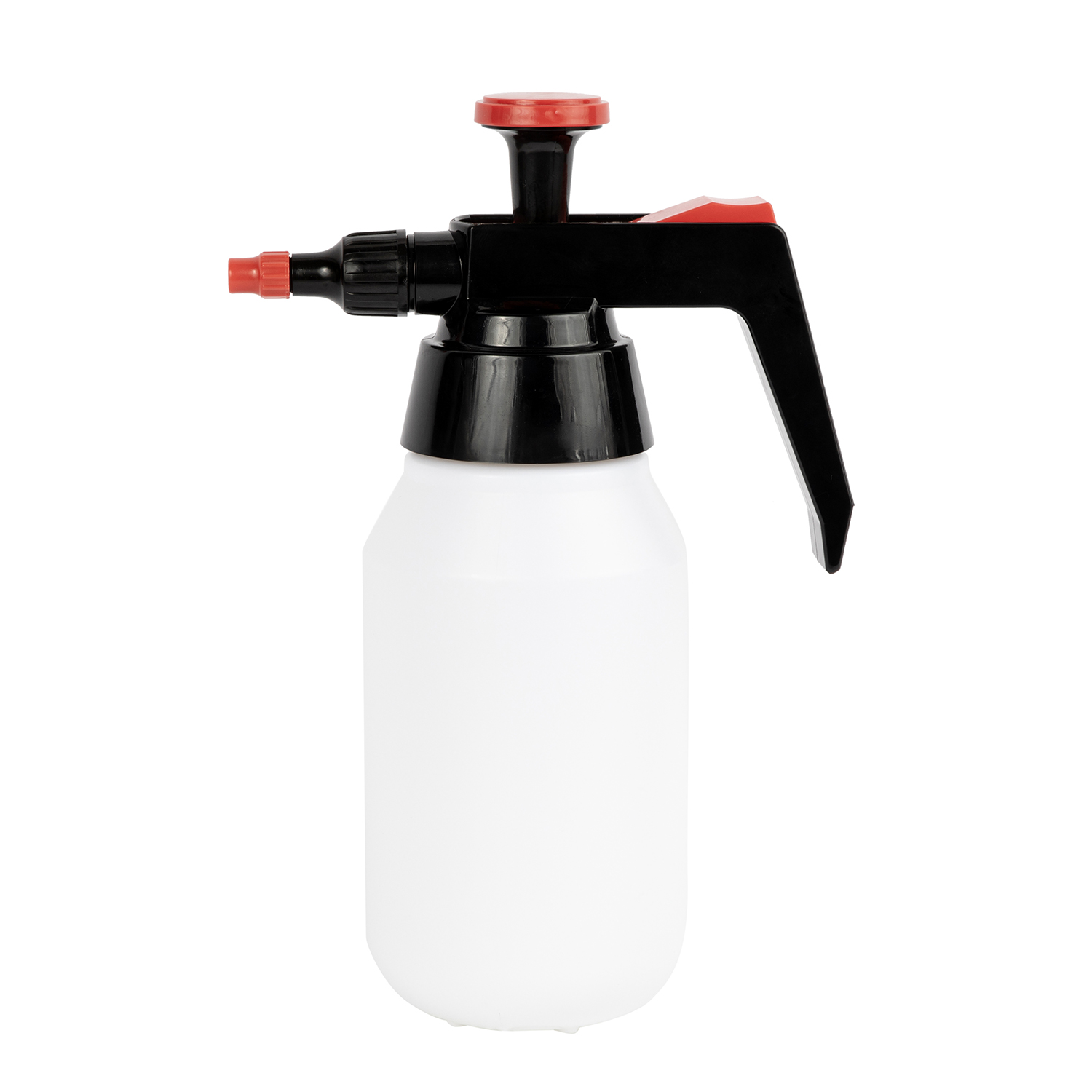
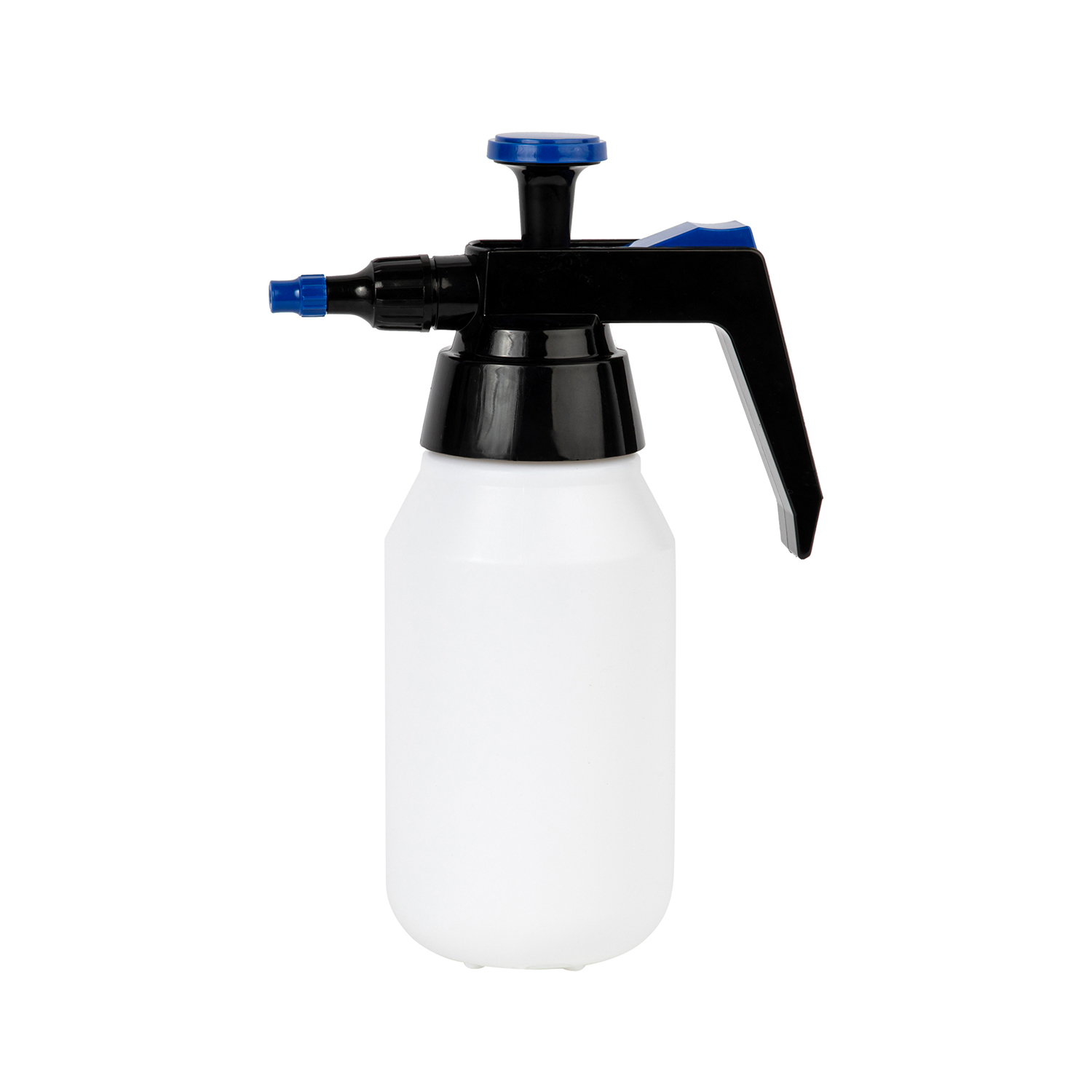
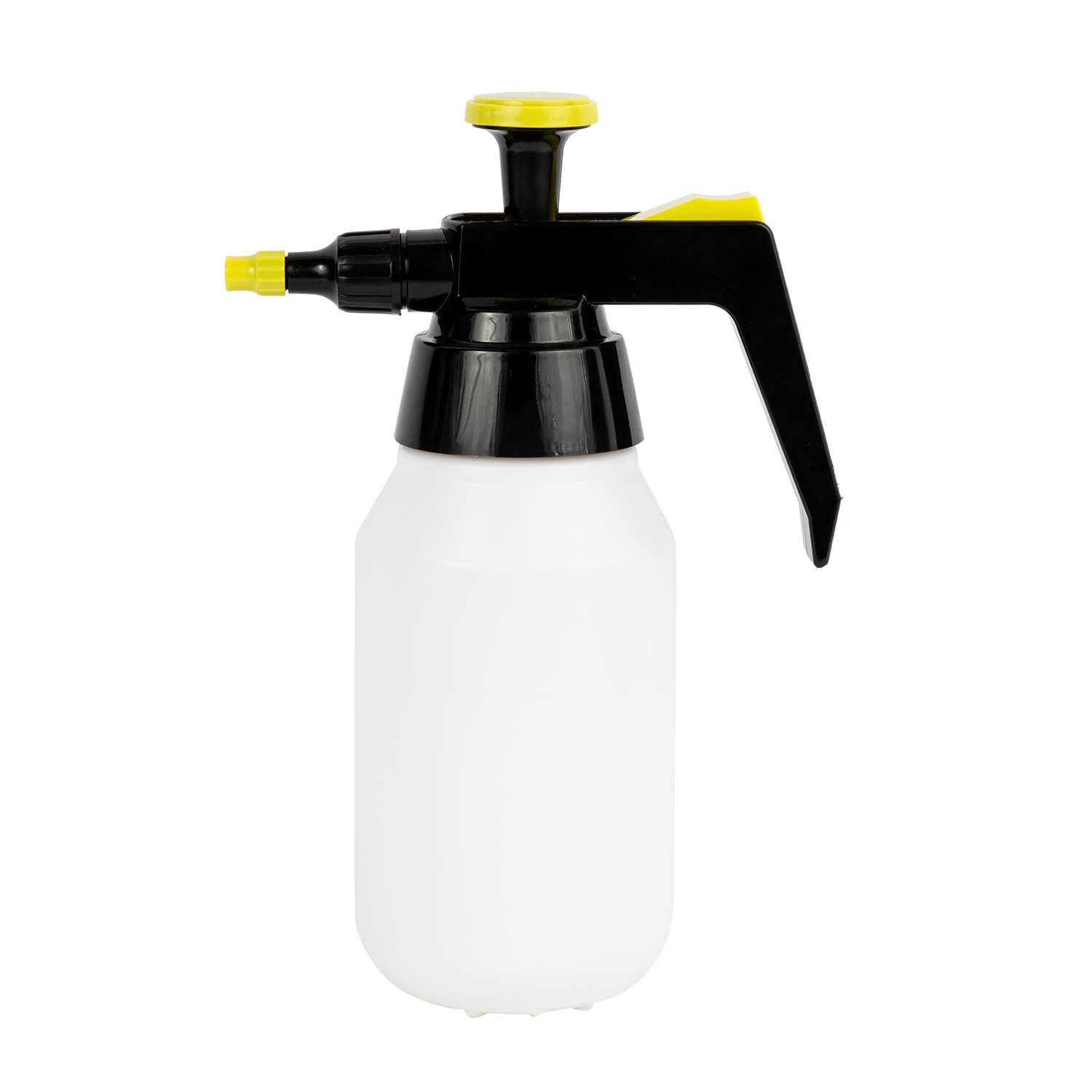
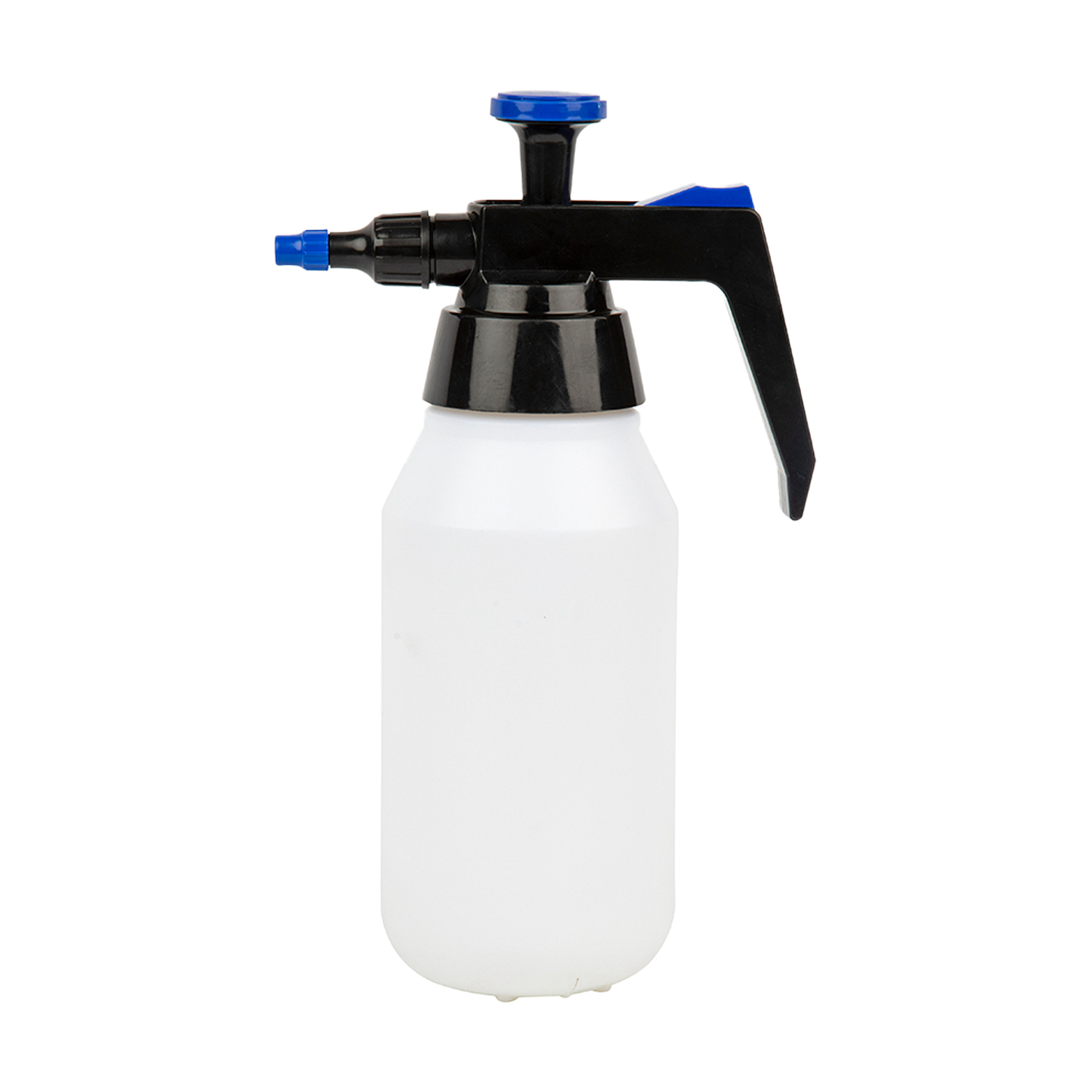
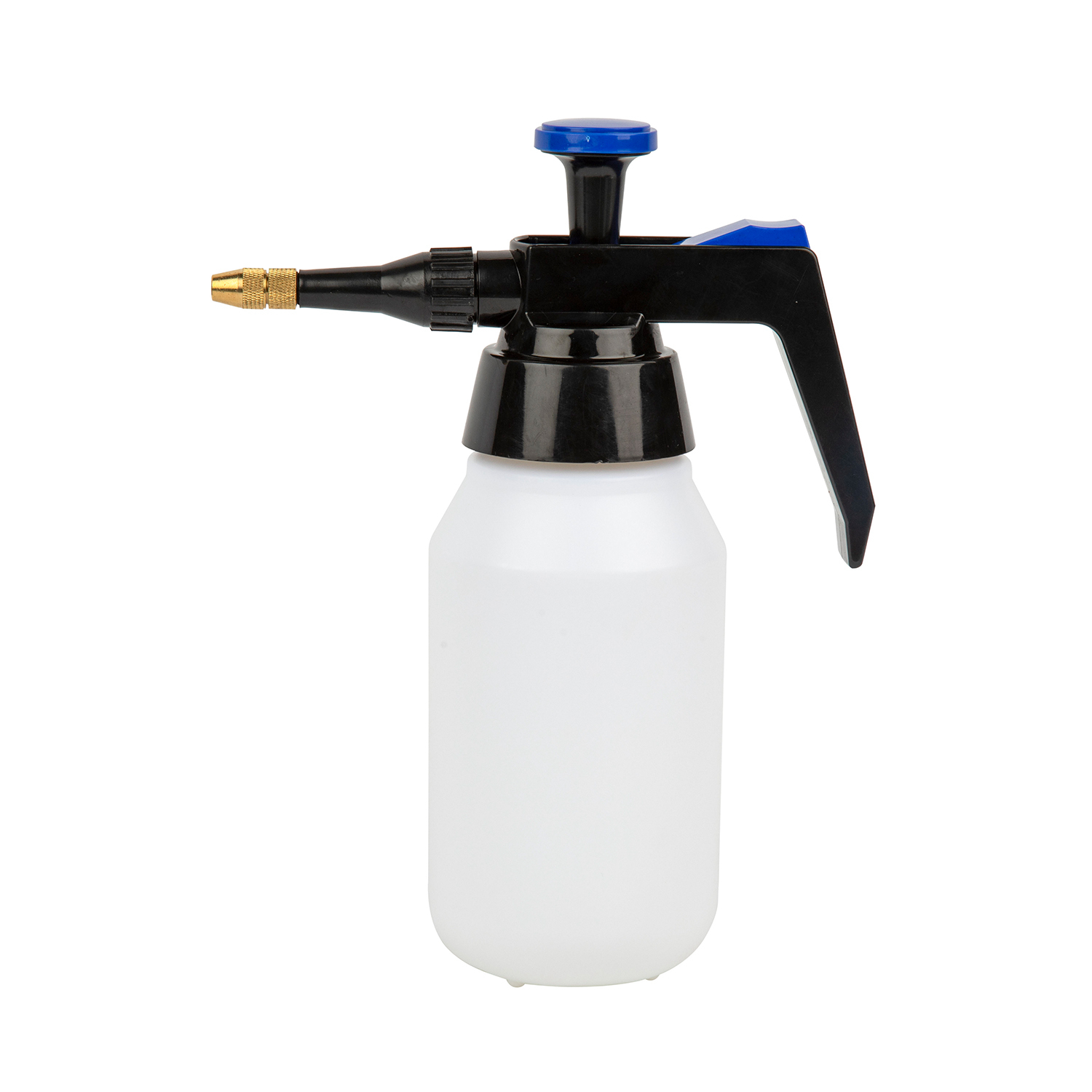
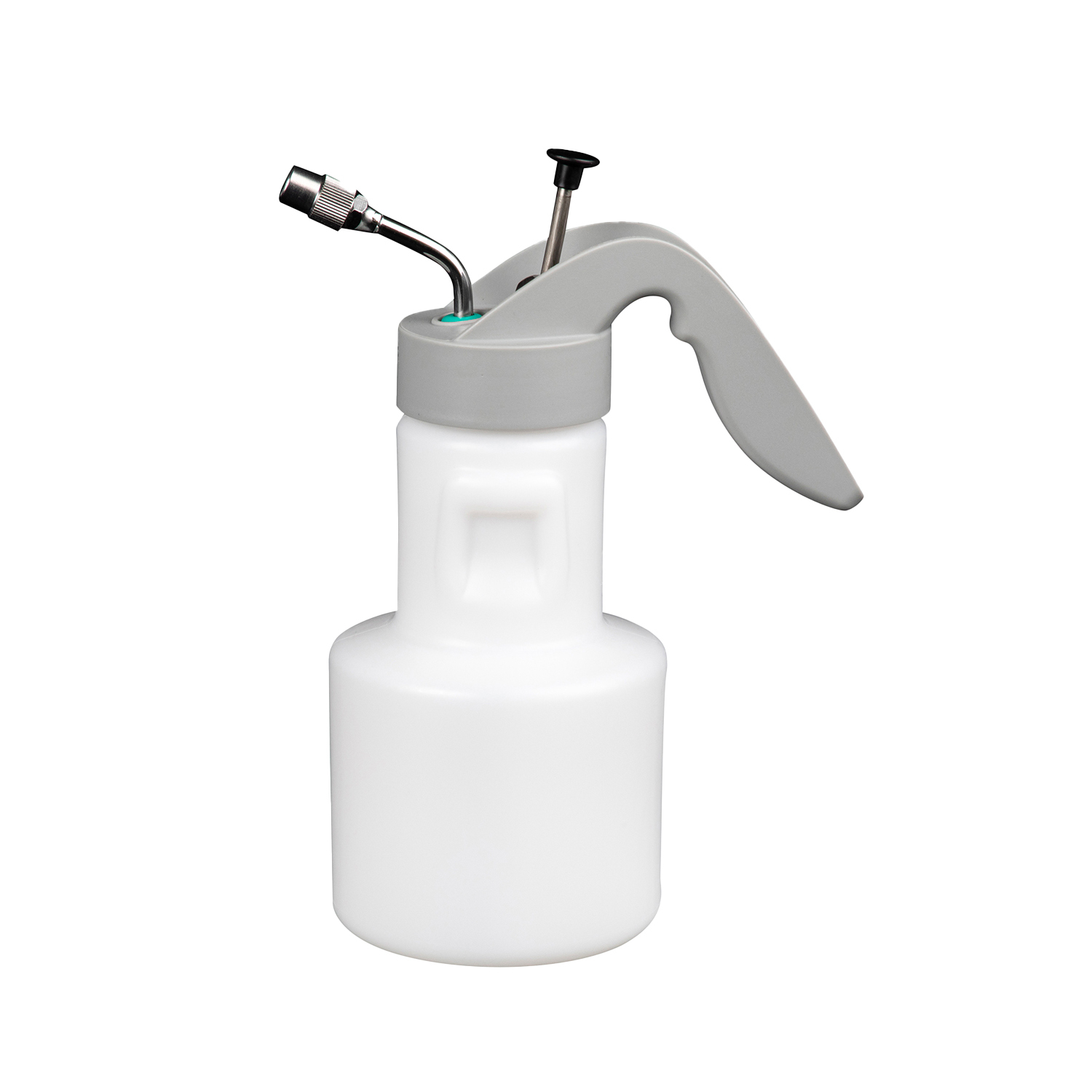
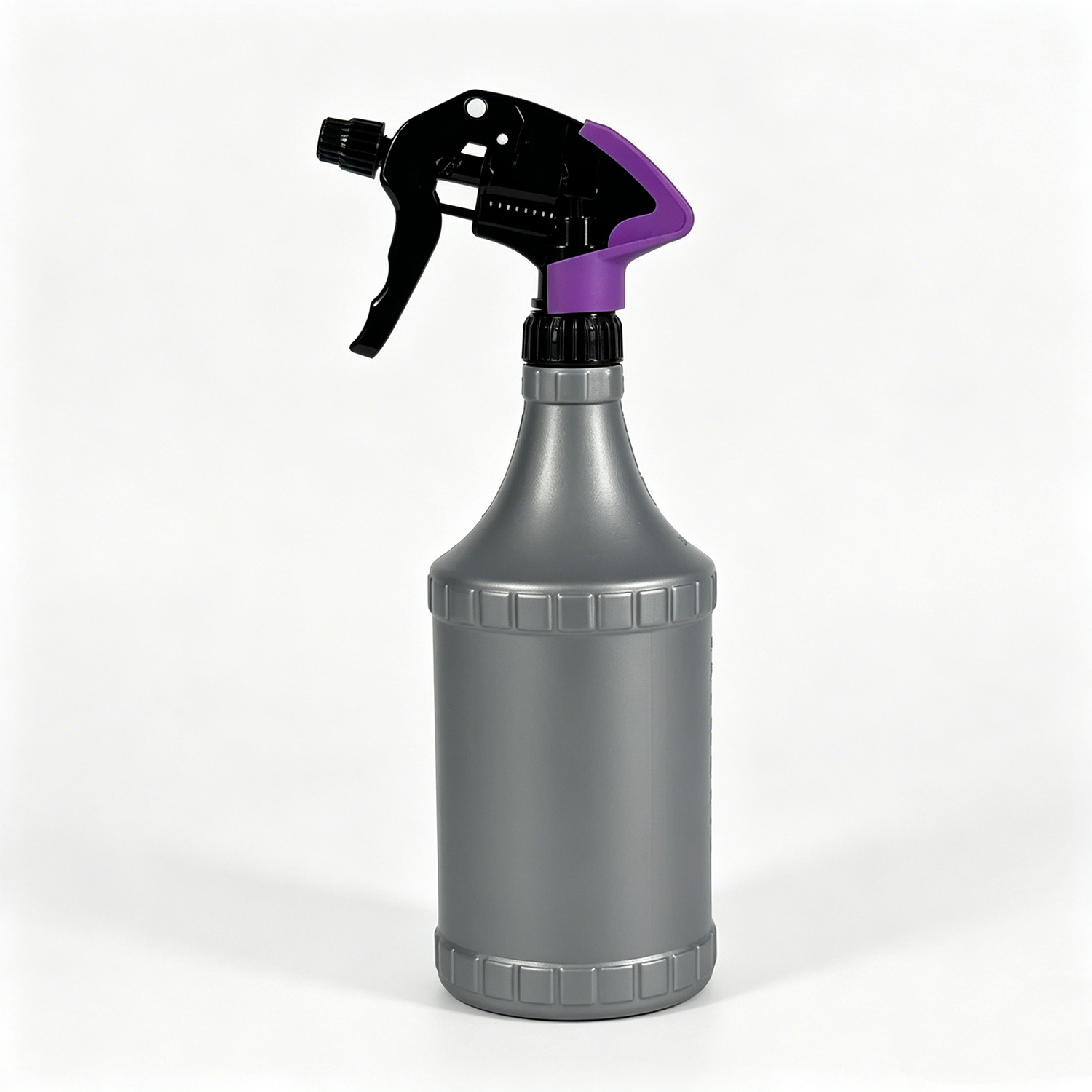
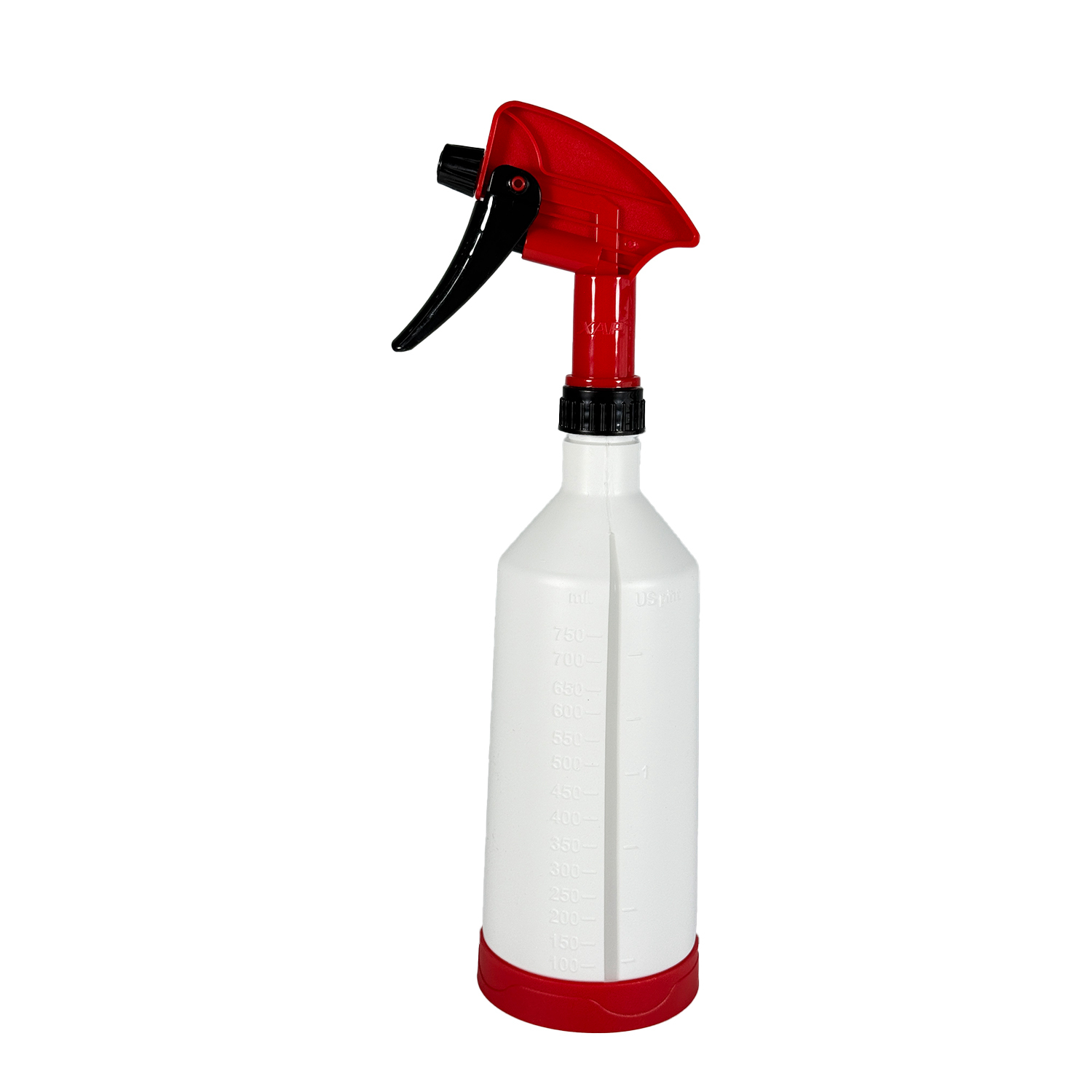
OEM vs ODM Sprayer Manufacturing: Which Model Fits Your Brand? The answer depends on who controls the design, how much customization you need, your launch deadline, expected order volume, and whether your brand requires exclusive intellectual property. OEM is buyer-led: the brand supplies the product concept or engineering requirements, while the manufacturer produces it. ODM is manufacturer-led: the supplier provides an existing design or platform that the brand adapts through packaging, color, branding, and selected functional changes.
I use the terms OEM sprayer manufacturing and ODM sprayer manufacturing throughout this guide because the difference affects more than product appearance. It can change tooling ownership, testing responsibility, chemical compatibility, minimum order quantity, production planning, replacement parts, and long-term product differentiation.
!
Key Takeaways
- OEM gives brands greater control over sprayer engineering, tooling, testing, and product ownership.
- ODM reduces development work by adapting a manufacturer’s existing sprayer design and production platform.
- Spray pattern, flow rate, pressure stability, seals, materials, and chemical compatibility must guide model selection.
- OEM usually fits established brands seeking differentiated products, while ODM suits faster launches and controlled development budgets.
- A qualified custom trigger sprayer supplier should document prototypes, testing, certifications, spare parts, warranty terms, and ownership.
How to Evaluate OEM and ODM Sprayer Manufacturing Alternatives
I compare OEM and ODM options across four product layers: design control, manufacturing execution, commercial planning, and lifecycle support. A sprayer is not only a bottle attachment or pump; its performance depends on the relationship between nozzle geometry, actuator movement, spring or pump design, seal materials, liquid viscosity, container neck finish, and operating pressure.
For beauty and personal-care products, I examine spray pattern, droplet distribution, actuator feel, bottle compatibility, and appearance. For cleaning products, agricultural products, pesticides, fertilizers, solvents, and automotive chemicals, I place greater emphasis on chemical resistance, leakage testing, corrosion resistance, UV exposure, and seal durability.
The most useful supplier comparison should include:
- Engineering control: Who defines the nozzle, pump, tank geometry, flow rate, and pressure requirements?
- Commercial control: Who owns the mold, drawings, tooling, test reports, and product specifications?
- Production readiness: Can the supplier provide prototypes, pilot samples, inspection records, replacement components, and documented lead times?
- Application suitability: Has the sprayer been tested with the actual liquid, container, storage conditions, and use cycle?
OEM vs ODM Sprayer Manufacturing: Key Differences, Costs, and Benefits
OEM means the brand controls the product brief and usually defines the required performance, dimensions, materials, appearance, and application. The manufacturer then converts those requirements into engineering drawings, prototypes, molds, production parts, and inspection procedures. ODM starts with a supplier’s existing design, product platform, or catalog item, which the buyer adapts through branding, color, packaging, selected components, or limited functional changes.
| Factor |
OEM Sprayer Manufacturing |
ODM Sprayer Manufacturing |
| Design ownership |
Usually buyer-led, based on buyer specifications |
Usually manufacturer-led, based on an existing design |
| Customization |
Deep customization of geometry, materials, nozzle, actuator, and pump |
Limited to moderate customization around an existing platform |
| Tooling |
New or modified molds may be required |
Existing molds may reduce development work |
| MOQ |
May increase when custom tooling or materials are involved |
Often easier to plan around existing production models |
| Development timeline |
Longer because engineering and validation are more extensive |
Shorter when the existing design already fits the application |
| Cost structure |
Engineering and tooling costs can be higher at project launch |
Lower development burden, but customization may remain limited |
| IP ownership |
Can be assigned or contractually controlled by the buyer |
Existing design rights generally remain with the manufacturer |
| Best-fit buyer |
Established brands, technical products, exclusive applications |
Startups, private-label brands, and time-sensitive launches |
These differences do not make one model universally better. I treat OEM and ODM as two different scopes of responsibility. A private-label sprayer with a printed logo is not the same as a modified catalog product, and a modified catalog product is not the same as co-development or fully proprietary manufacturing.
OEM Sprayer Manufacturing — Buyer-Led Engineering and Product Control
With OEM sprayer manufacturing, I expect the buyer to define the product requirements before production begins. These requirements may include the spray angle, flow rate, output consistency, pressure range, nozzle compatibility, container neck finish, actuator force, color system, material grade, and resistance to the intended liquid.
This model is suitable when a brand needs a sprayer that is visibly or technically different from standard catalog products. A beauty brand may require a fine mist sprayer with a particular droplet profile and actuator feel. A cleaning-product brand may need a trigger sprayer that remains functional after contact with alkaline cleaners, degreasers, or disinfecting solutions.
Engineering and Tooling Responsibilities
The buyer and supplier should agree on who owns the CAD drawings, prototype samples, mold, test fixtures, and final specifications. Tooling ownership should be recorded in the purchase agreement rather than left to informal communication. If a mold is paid for by the brand, the contract should state whether the brand can transfer it, inspect it, or use it with another approved production site.
OEM projects often require more validation because the sprayer may contain several interacting parts. The supplier should verify nozzle geometry, pump performance, spring movement, seal compression, tank dimensions, dip-tube length, and container fit. The final inspection plan should identify measurable acceptance limits for leakage, actuation, spray output, appearance, and assembly.
Advantages and Limitations
The primary benefit is control. I can specify a unique sprayer configuration, request exclusive packaging, define application testing, and build a product platform that supports future versions. OEM is also more suitable when product differentiation, exclusivity, or technical compatibility matters more than the shortest initial launch schedule.
The limitation is that development responsibilities increase. Engineering changes, mold development, prototype revisions, liquid compatibility trials, and production validation can add cost and time before the first commercial shipment. For a small business with an untested product concept, this additional responsibility may create more financial exposure than an ODM launch.
ODM Sprayer Manufacturing — Existing Designs Adapted for Brand Use
ODM sprayer manufacturing begins with a product that the supplier has already designed, tested, or placed into production. The buyer may select a hose-end sprayer, fine mist sprayer, trigger sprayer, pump sprayer, foam sprayer, or other existing format, then request changes to color, logo, packaging, actuator style, nozzle insert, or selected materials.
I consider ODM practical when the application does not require a proprietary spray mechanism. It can suit private-label consumer products, seasonal garden products, entry-level cleaning products, and new brands testing a market before investing in custom molds.
Development Speed and Cost Structure
ODM can reduce engineering work because the manufacturer already has a product platform, production method, supplier network, and assembly process. Existing molds may also reduce the need for a new tooling program, although buyers still need to confirm whether the mold is shared, exclusive, or available for future modifications.
The cost comparison should include more than the unit price. I calculate the total project cost through tooling, sampling, artwork, packaging, testing, inspection, freight, spare parts, warranty claims, and inventory exposure. An ODM product with a lower initial development cost may still become expensive if its spray output, seal life, or chemical resistance does not match the application.
Advantages and Limitations
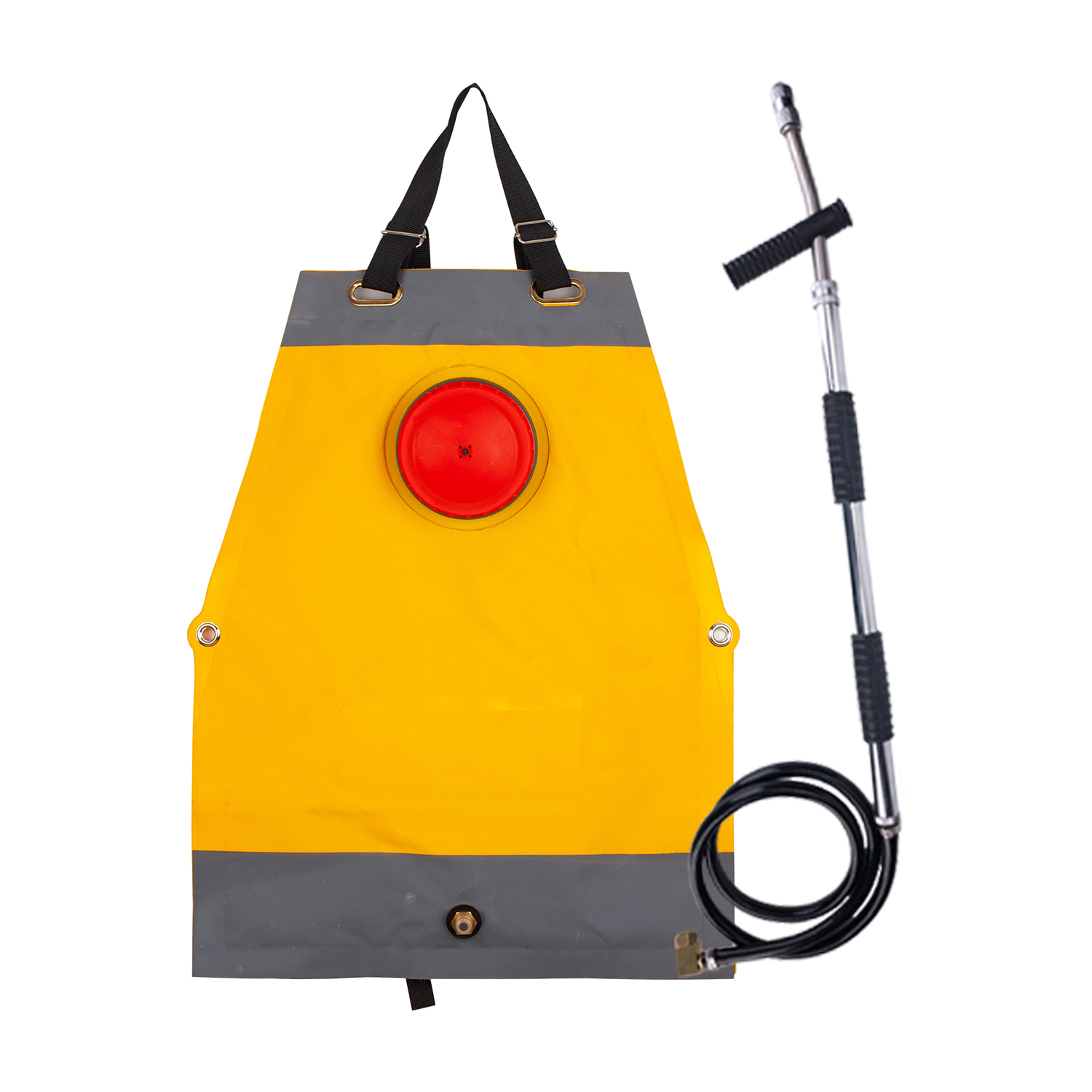
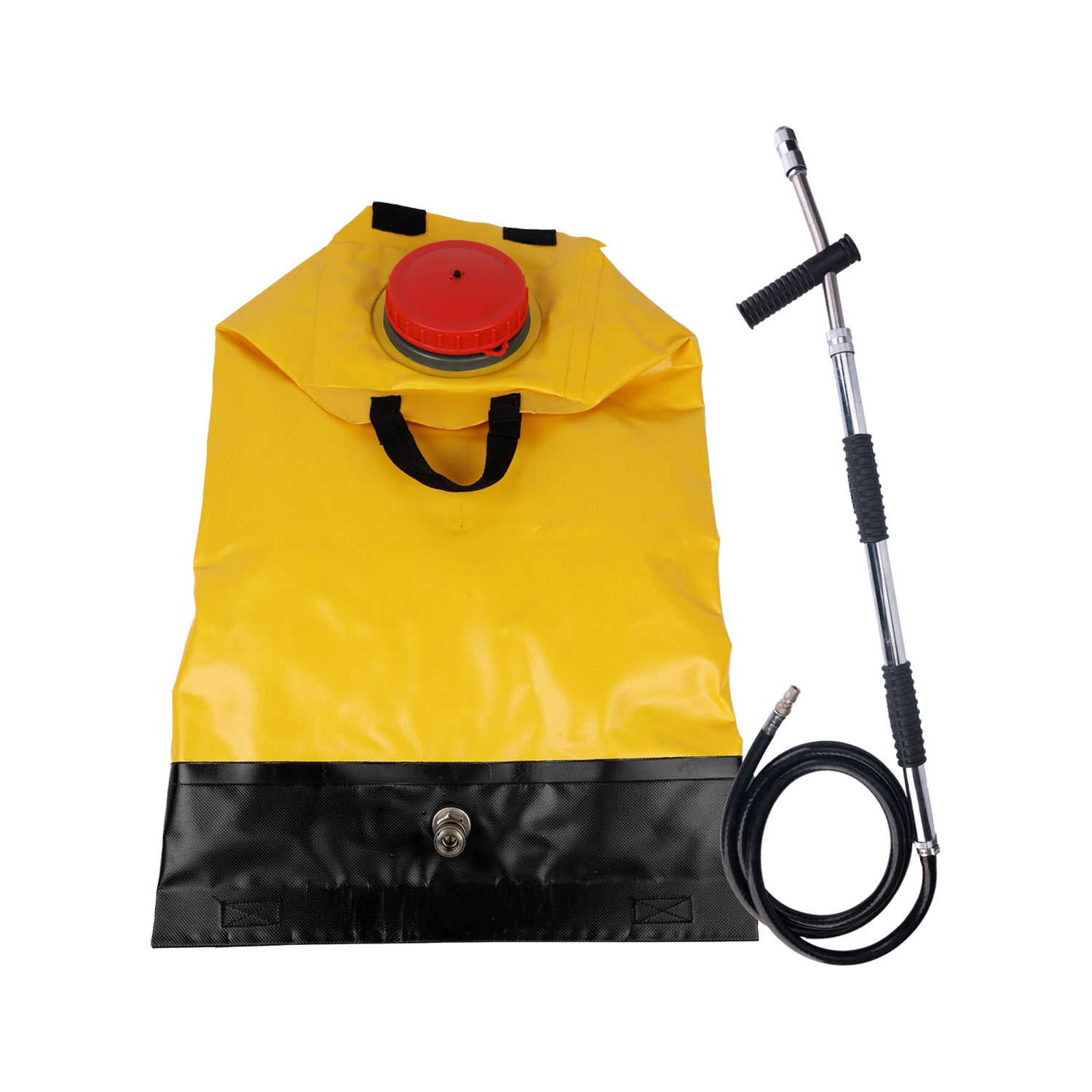
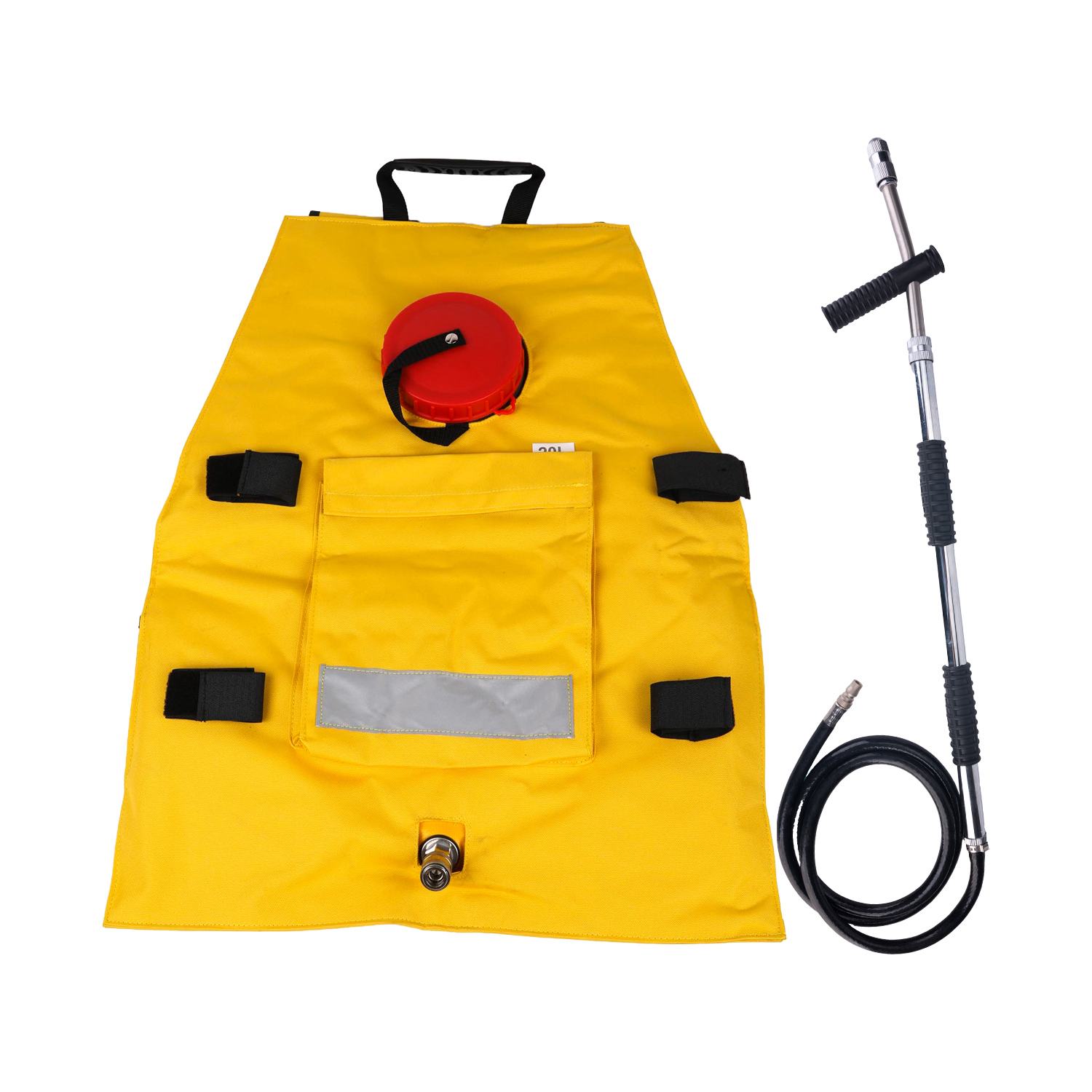
ODM is useful for brands that prioritize a shorter path from product selection to market launch. It can also help an emerging brand collect sales data before committing to proprietary engineering. A supplier with several existing product categories may provide a broader selection, including automotive maintenance, agriculture and garden, cleaning and disinfection, hose-end, firefighting, and specialty sprayers.
The main limitation is differentiation. Other buyers may use similar platforms, and the manufacturer may retain control over the core design, mold, and replacement parts. If exclusivity is important, I recommend converting the project into a written agreement covering territorial rights, channel restrictions, design changes, and future supply obligations.
Sprayer-Specific Engineering Factors That Change the Decision
A general OEM-versus-ODM comparison is incomplete unless it addresses sprayer performance. The correct model depends on how precisely the product must control liquid delivery.
For beauty products, I examine fine mist formation, droplet consistency, spray angle, actuator travel, bottle neck compatibility, and visual finish. A fine mist sprayer may require different nozzle and pump behavior from a trigger sprayer used for household cleaners. A lotion pump and sprayer combination also requires separate checks for viscosity, priming, output per stroke, and return action.
For cleaning, agricultural, and industrial applications, chemical compatibility becomes central. The buyer should identify the actual liquid, concentration, storage temperature, exposure period, and expected use cycle. Materials, seals, springs, dip tubes, and valve components should be reviewed for corrosion, swelling, cracking, stress, and leakage after contact with cleaning chemicals, pesticides, fertilizers, solvents, or automotive fluids.
I also require application testing under realistic conditions. This can include repeated actuation, storage with the filled liquid, UV exposure, transport simulation, drop testing, pressure checks, and leak inspection. The supplier should define the test method, sample quantity, acceptance criteria, and responsibility for corrective action.
Private Label, Modified Catalog, Co-Development, or Fully Proprietary?
Purchasing language can create confusion, so I separate four practical models:
- Private label: The buyer adds its brand identity to an existing product with limited or no functional changes.
- Modified catalog product: The buyer selects an existing model and requests changes to color, packaging, nozzle, actuator, materials, or selected components.
- Co-development: The buyer and supplier jointly define engineering requirements, prototypes, tests, tooling, and production specifications.
- Fully proprietary OEM: The buyer controls a unique design or specification package intended for exclusive production.
A China Sprayer Factory may support more than one of these models, but I do not assume that a supplier’s “OEM/ODM” label defines ownership or exclusivity. I ask for a written project scope that identifies design responsibility, mold ownership, testing responsibility, quality documentation, and permitted use of the final product.
How to Choose an OEM or ODM Sprayer Manufacturer
When I evaluate a custom trigger sprayer supplier, I use the following checklist before comparing quotations:
- Application experience: Has the supplier produced sprayers for beauty, cleaning, agriculture, automotive, sanitation, or other relevant applications?
- Engineering evidence: Can the supplier provide drawings, prototype records, material information, and measurable product specifications?
- Testing responsibility: Who tests spray pattern, flow rate, pressure stability, leakage, chemical resistance, and durability?
- Quality systems: Does the supplier operate documented incoming, in-process, pre-shipment, and final inspection procedures?
- Compliance documents: Can the supplier provide applicable ISO 9001, CE, UL, GS, or market-specific documentation where required?
- Manufacturing scope: Does the supplier control mold development, injection molding, assembly, and inspection, or are these activities outsourced?
- Replacement support: Are nozzles, seals, springs, actuators, pumps, and dip tubes available as replacement components?
- Warranty terms: Do the terms define defect thresholds, response time, corrective action, and replacement responsibility?
- Scalability: Can the supplier support a transition from sampling to repeat production without changing critical materials or dimensions?
- Ownership terms: Are product drawings, tooling, packaging artwork, and modified components clearly assigned?
Kobold is one supplier example I would evaluate within this process. Taizhou Kobold Sprayer Co., Ltd. states that it has 22 years of industry experience, more than 500 served clients, and more than 50 active patents. Its product scope includes automotive maintenance, gardening, agriculture, cleaning, sanitation, firefighting, hose-end sprayers, foam sprayers, ULV sprayers, battery sprayers, and specialty products.
Kobold also describes an integrated production structure covering design, mold making, injection molding, and assembly. Its stated inspection structure includes IQC, IPQC, PSQC, and OQC, while its listed standards and certifications include ISO 9001, CE, UL, and GS. I would still request project-specific test reports, sample approval records, material declarations, and acceptance criteria before placing a production order.
Quantified Decision Matrix for Brand Selection
I use a five-point planning score to connect the manufacturing model with the buyer’s actual project conditions. The score is not a supplier rating; it is a screening tool for deciding whether OEM or ODM deserves the next evaluation round.
| Project condition |
OEM fit |
ODM fit |
Practical interpretation |
| Need for unique spray mechanism |
5/5 |
1/5 |
OEM is more suitable |
| Need to launch from an existing design |
2/5 |
5/5 |
ODM is more suitable |
| Requirement for exclusive tooling |
5/5 |
2/5 |
Confirm ownership before selection |
| Tight launch deadline |
2/5 |
5/5 |
ODM usually reduces development work |
| Uncertain market demand |
2/5 |
5/5 |
ODM limits early engineering exposure |
| Chemical compatibility risk |
5/5 |
3/5 |
Test either model with the actual liquid |
| Long-term product platform |
5/5 |
3/5 |
OEM supports deeper design control |
| Limited initial customization |
2/5 |
5/5 |
ODM may meet the requirement |
For example, a new cleaning brand launching a standard trigger sprayer with branded packaging may score 5/5 for ODM. A pesticide brand requiring specific seals, chemical resistance, nozzle compatibility, and documented field testing may score 5/5 for OEM or co-development.
When a Broader Manufacturing Partner Is Necessary
Some brands do not need a single catalog item; they need a product system. That system may include several sprayer types, matching bottle formats, printed packaging, spare parts, color standards, regional compliance documents, and a repeatable inspection plan.
In that situation, I look for a manufacturer with both OEM and ODM capability rather than selecting a supplier based only on the lowest quoted unit price. Kobold presents its OEM/ODM process as a sequence from idea and design through mold development and production. For a brand building several product categories, that structure may reduce the number of separate supplier relationships and help standardize documentation.
The decision should still be based on evidence. I would compare approved samples, test reports, inspection records, mold terms, production capacity, replacement-part availability, and total cost of ownership before approving a long-term program.
Which OEM or ODM Model Should You Choose?
| If your priority is... |
Choose... |
| Fast market testing with limited functional changes |
ODM sprayer manufacturing |
| A branded catalog sprayer for a private-label launch |
ODM or modified catalog production |
| A unique nozzle, actuator, pump, or spray pattern |
OEM or co-development |
| Chemical resistance for pesticides, fertilizers, solvents, or cleaners |
OEM or technically validated ODM |
| Exclusive tooling and product ownership |
OEM with written ownership terms |
| Lower development exposure for a new brand |
ODM |
| Long-term product differentiation |
OEM |
| Several related product categories and shared manufacturing control |
A supplier offering both OEM and ODM |
Final Thoughts
OEM vs ODM Sprayer Manufacturing: Which Model Fits Your Brand? For most new brands, ODM is the practical starting point when the product can use an existing design and the launch depends on speed, manageable development work, and limited customization. For established brands, technical applications, exclusive products, or liquids with demanding chemical compatibility requirements, OEM or co-development provides greater control over engineering, tooling, testing, and future product ownership.
I recommend documenting the application before requesting prices. Define the liquid, container, spray pattern, flow rate, pressure requirements, materials, testing conditions, target order volume, launch date, packaging needs, and exclusivity expectations. Then compare suppliers such as China Sprayer Factory options and Kobold using measurable evidence rather than general claims.
The final decision should balance unit cost with tooling, validation, warranty exposure, replacement parts, compliance documents, and long-term scalability. Select ODM when the market can be served by an existing platform; select OEM when the sprayer itself is part of your competitive product identity.

 Hose End Sprayer
 Agriculture & Garden
 Cleaning & Disinfection
 Specialty Products