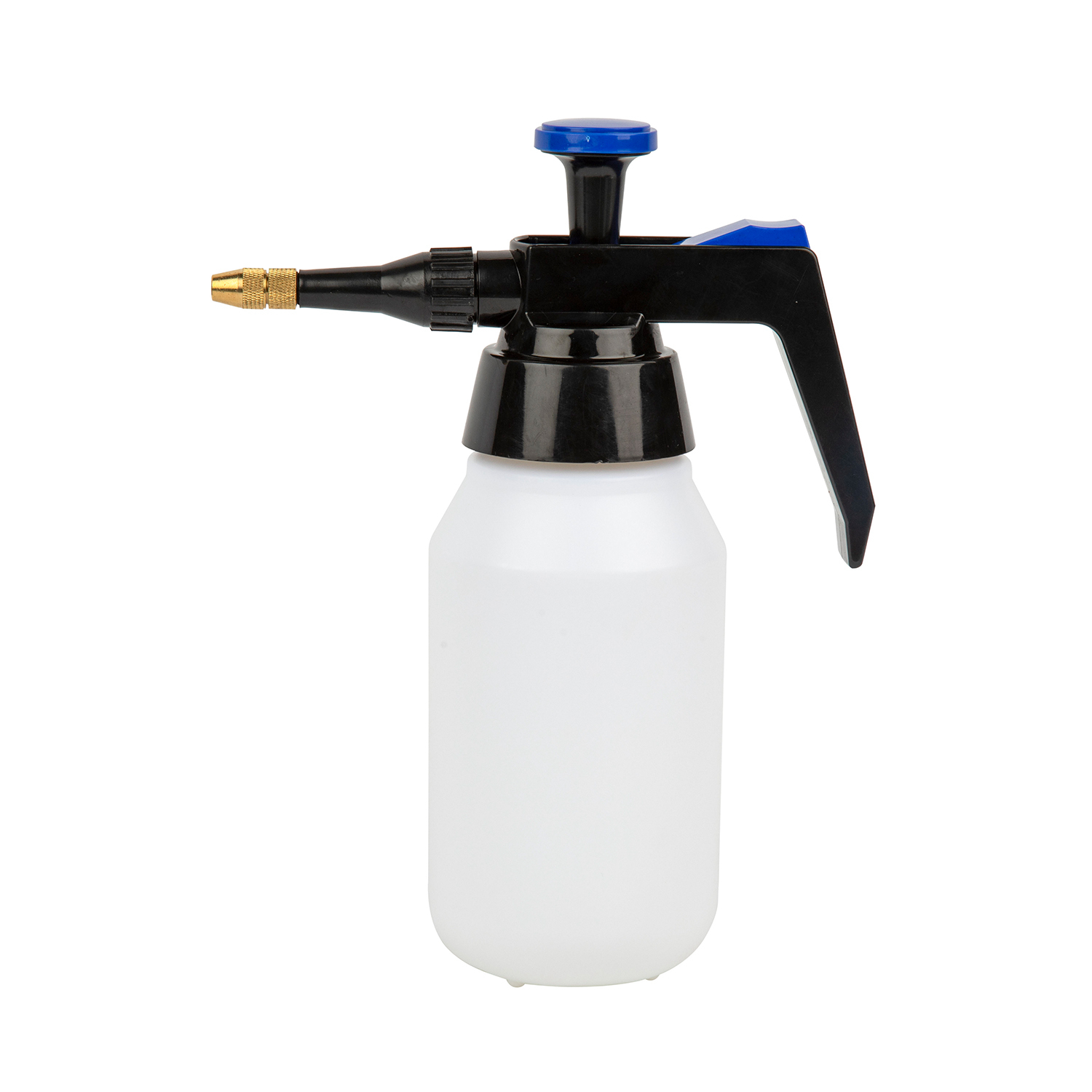
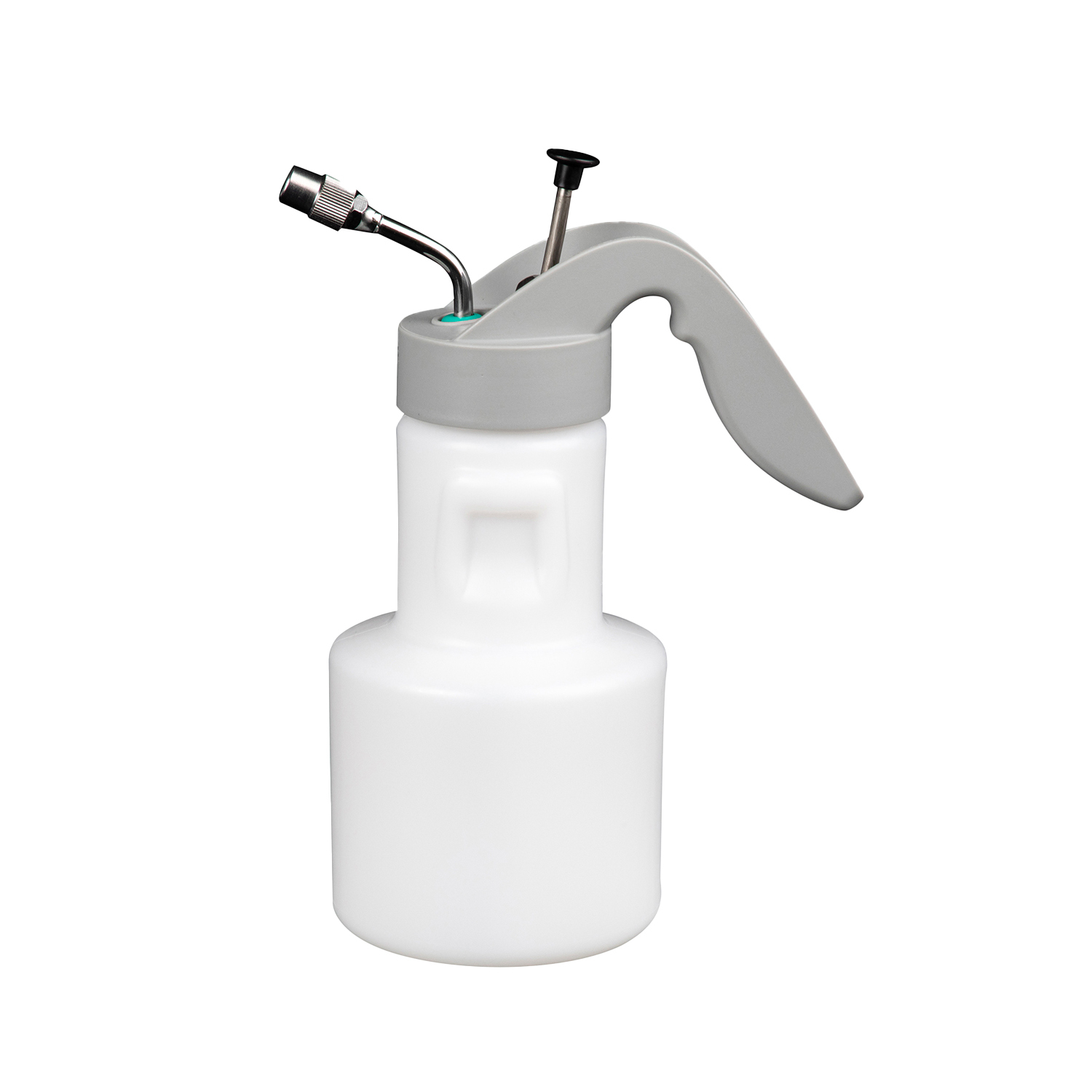
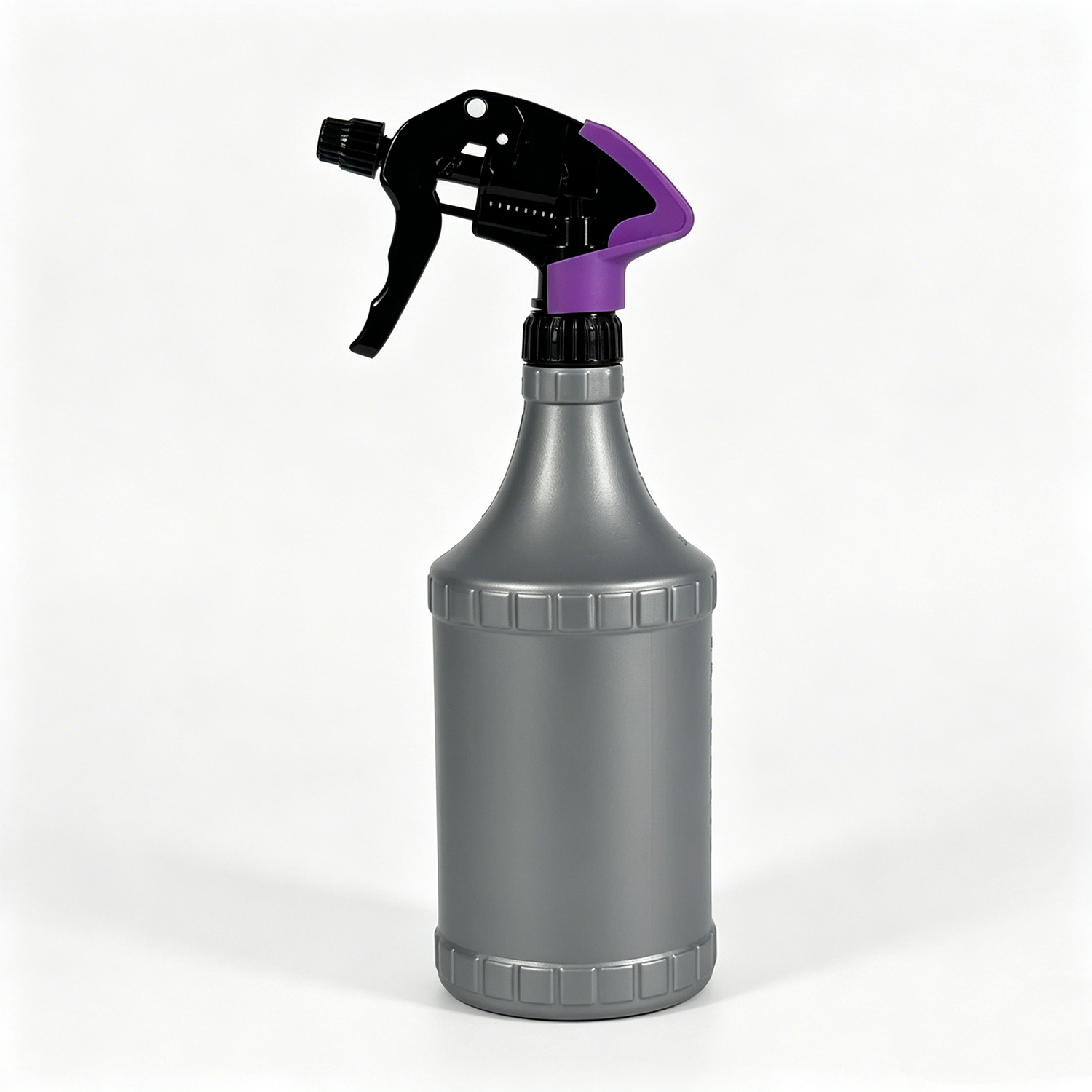
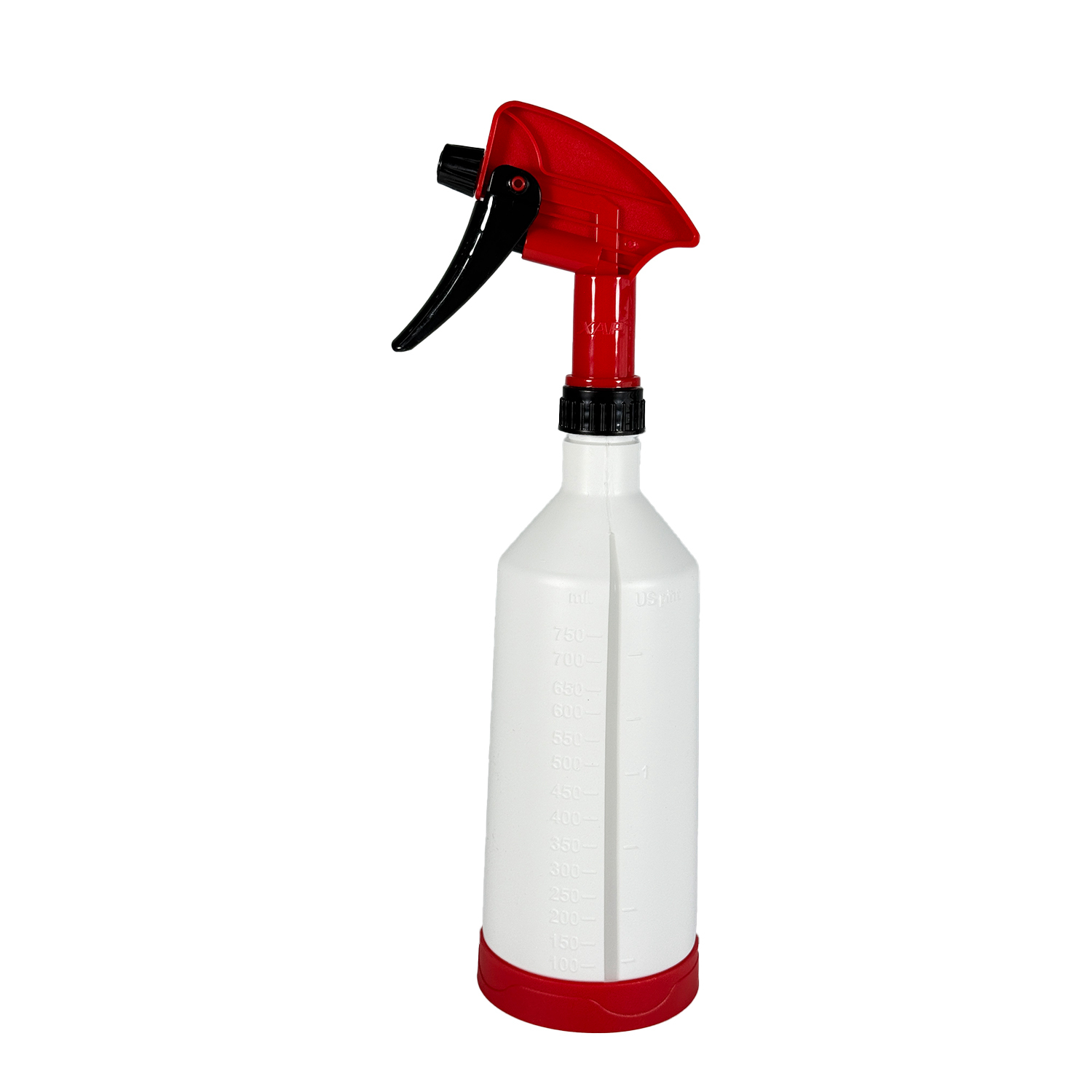
Matching sprayer seal materials to acids, solvents, and cleaners requires more than selecting an elastomer from a general chart. I first check the exact chemical, concentration, temperature, exposure time, pressure, and wetted components. EPDM commonly suits water-based and alkaline cleaners, FKM suits many oils and solvents, and PTFE offers broad resistance to aggressive chemicals, subject to supplier verification.
!
| Chemical class |
Common starting material |
Typical concern |
Verification requirement |
| Diluted acids |
EPDM, PTFE |
Swelling, cracking, permeation |
Confirm acid type, concentration, and temperature |
| Strong acids |
PTFE or specialized fluoropolymers |
Embrittlement, chemical attack, spring corrosion |
Require supplier and component-level validation |
| Solvents |
FKM, PTFE, selected NBR grades |
Swelling, softening, volume change |
Check solvent blend and continuous exposure time |
| Alkaline cleaners |
EPDM, PTFE |
Softening or degradation at high concentration |
Test the complete sprayer assembly |
| Bleach and oxidizers |
EPDM or PTFE, depending on concentration |
Oxidation, embrittlement, metal corrosion |
Verify oxidizer concentration and dwell time |
| Water-based cleaners |
EPDM, NBR, selected thermoplastics |
Hydrolysis, swelling, seal compression loss |
Check additives, surfactants, and temperature |
Why Sprayer Seal Material Compatibility Matters
I treat sprayer seal compatibility as a system decision rather than a gasket decision. A seal can remain intact while the hose, valve, nozzle, spring, tank, or pressure chamber deteriorates. Chemical exposure may produce swelling, embrittlement, softening, permeation, loss of elasticity, leakage, loss of prime, or a change in spray pattern.
The right material also affects maintenance cost and operator safety. A seal that expands inside a valve can restrict flow, while a softened O-ring can extrude under pressure. A corroded spring may lose tension and cause dripping, even when the selected elastomer is chemically suitable.
There is no universal chemical sprayer because chemical resistance depends on the formulation and operating conditions. Two products with similar names may contain different solvents, surfactants, oxidizers, or inhibitors. I therefore use the product’s safety data sheet, technical data sheet, chemical compatibility chart for elastomers, and a small-scale test before approving a sprayer for repeated use.
Matching Sprayer Seal Materials to Acids, Solvents, and Cleaners: A Practical Guide
The material-selection process begins with five data points: chemical identity, concentration, temperature, contact time, and mechanical exposure. I also record whether the sprayer is used continuously, intermittently, or for short applications followed by immediate rinsing. These details are necessary because a material that tolerates brief contact may fail during overnight storage.
Pressure and movement matter as well. A static tank gasket has different requirements from a dynamic pump seal that moves against a valve seat. Fine spray nozzles and narrow passages are especially sensitive to particles, softened seal fragments, and chemical deposits.
Step 1: Classify the Chemical
I place the formulation into a practical chemical group before comparing materials:
- Acids: hydrochloric acid, sulfuric acid, phosphoric acid, citric acid, and mixed descaling formulas.
- Solvents: acetone, alcohols, glycol ethers, aromatic solvents, ketones, and petroleum-based blends.
- Alkaline cleaners: sodium hydroxide solutions, degreasers, detergent concentrates, and caustic wash products.
- Bleach and oxidizers: sodium hypochlorite, peroxide-based cleaners, and other oxidizing formulations.
- Water-based cleaners: detergents, disinfectants, glass cleaners, and diluted maintenance chemicals.
Chemical class provides an initial direction, not a final approval. Concentration can change the resistance rating significantly, particularly for acids, caustics, oxidizers, and solvent blends.
Step 2: Compare the Main Seal Materials
The following comparison explains how I normally evaluate the most common chemical-resistant O-rings for sprayers.
| Material |
Main advantages |
Common limitations |
Typical application direction |
| EPDM |
Strong resistance to water, many acids, alkaline solutions, and some oxidizers |
Poor compatibility with many petroleum oils and hydrocarbon solvents |
Water-based cleaners, diluted acids, alkaline cleaners, and some bleach applications |
| FKM or Viton |
Good resistance to many oils, fuels, hydrocarbons, and selected solvents |
Can perform poorly with some strong acids, hot water, steam, and concentrated alkaline chemicals |
Solvent sprayers, automotive fluids, oils, and petroleum-based cleaners |
| NBR |
Useful resistance to oils, greases, and petroleum-based fluids at moderate conditions |
Limited resistance to ozone, weathering, strong acids, and many aggressive chemicals |
Oil-based maintenance products and selected industrial fluids |
| PTFE |
Very broad chemical resistance and low friction |
Limited elasticity, possible creep, and more demanding installation |
Aggressive acids, solvents, oxidizers, valve seats, and backup sealing elements |
| Silicone |
Wide temperature range and flexibility |
Limited resistance to many solvents, oils, and abrasive chemicals |
Selected water-based products and temperature-sensitive applications |
| FFKM |
Very broad resistance at demanding temperatures |
High material and replacement cost |
Specialized chemical processing and severe exposure conditions |
EPDM vs FKM sprayer seals is a frequent purchasing question, but neither material is universally better. EPDM is usually the stronger starting point for water-based acids, alkaline cleaners, and selected bleach formulations. FKM is often more suitable for oils, fuels, and many hydrocarbon-based solvents, but I would not approve it for every acid or cleaning chemical without supplier data.
PTFE is often selected when chemical exposure is aggressive or uncertain, but it should not be treated as a flexible replacement for every elastomer. PTFE seals can resist many acids and solvents, yet their limited elasticity may affect low-pressure sealing, assembly, and recovery after compression. In some designs, PTFE works best as a valve seat, gasket, or energized seal rather than as a direct replacement for an elastic O-ring.
Step 3: Evaluate the Complete Wetted-Material Set
I never approve a sprayer by checking the seal alone. The complete wetted-material set can include the tank, cap, pump cylinder, piston, hose, wand, nozzle, trigger valve, spring, check valve, pressure chamber, and internal fittings.
| Sprayer component |
Compatibility risks |
| Tank |
Stress cracking, discoloration, permeation, loss of wall strength |
| Hose |
Swelling, hardening, softening, kinking, internal delamination |
| Wand |
Cracking, blockage, chemical permeation, connection failure |
| Nozzle |
Orifice enlargement, deposits, corrosion, spray-pattern change |
| Valve |
Sticking, leakage, loss of shutoff, seal extrusion |
| Spring |
Rust, pitting, loss of tension, contamination of the fluid path |
| Pressure components |
Reduced pressure retention, fatigue, leakage, unsafe release |
| Gaskets and O-rings |
Swelling, shrinkage, embrittlement, compression-set failure |
This distinction separates seal compatibility from sprayer compatibility. A PTFE O-ring will not correct a hose that swells in acetone, a steel spring that corrodes in hydrochloric acid, or a tank that develops stress cracks after repeated alkaline exposure.
Chemical Resistance by Application
Acids and Descaling Products
For acids, I identify the exact acid and concentration before selecting a material. EPDM may be a practical option for several water-based acids and diluted descaling products, while PTFE is often considered for more aggressive or concentrated exposure. FKM performance varies by acid type and should not be assumed from its solvent resistance.
Hydrochloric acid requires particular caution because concentration, temperature, and metal selection can affect the entire sprayer. A compatible seal may still be paired with a spring, nozzle, or fitting that corrodes. For sulfuric acid, the concentration and temperature are equally important because resistance can differ substantially between diluted and concentrated solutions.
Solvents and Petroleum-Based Fluids
For solvents, FKM or Viton seals are common starting points, especially in automotive maintenance and industrial cleaning applications. NBR may also work with selected oils and petroleum-based fluids, but it has a narrower chemical range than PTFE or specialized fluoropolymers. Acetone, alcohol blends, aromatic solvents, and glycol ethers should be evaluated separately rather than grouped under the word “solvent.”
Solvent exposure can cause seal swelling, softening, or extraction of formulation components. A sprayer may appear functional during the first few applications but develop leakage after storage. I therefore inspect dimensions, hardness, surface condition, and valve operation after a controlled exposure period.
Alkaline Cleaners and Degreasers
EPDM is often a useful starting material for alkaline cleaners and water-based degreasers. However, high-pH concentrates can affect plastics, adhesives, metal springs, and hose compounds even when the O-ring remains stable. I check both the ready-to-use dilution and the concentrated product used during filling or accidental spills.
NBR can be suitable for some oil-containing degreasers, but compatibility depends on the formulation. A cleaner combining caustic agents, solvents, surfactants, and chelating additives may produce a different result from a simple water-based alkaline solution.
Bleach and Oxidizing Chemicals
Bleach and oxidizing cleaners create a separate compatibility challenge because oxidation can embrittle some elastomers and corrode metal components. EPDM and PTFE are common materials to investigate, but the correct choice depends on hypochlorite concentration, pH, temperature, and storage time.
I also inspect springs, clips, nozzle inserts, and threaded fittings because corrosion products can block the nozzle or contaminate the spray. A sprayer used for bleach should be rinsed according to the chemical supplier’s instructions and should not be mixed with acids or ammonia-based products.
How to Choose the Right Sprayer Seal Material for Acids, Solvents, and Cleaners
I use a documented selection workflow rather than relying on material names alone:
- Record the chemical formulation. Include trade name, active ingredients, concentration, dilution ratio, and safety data sheet.
- Define operating conditions. Record temperature, pressure, contact time, storage time, and whether the chemical remains inside the sprayer.
- List every wetted component. Include seals, O-rings, hose, tank, nozzle, wand, valve, spring, and pressure parts.
- Check supplier compatibility data. Compare the exact chemical and concentration against published material ratings.
- Run a controlled sample test. Inspect mass, dimensions, hardness, appearance, flexibility, leakage, and spray performance before full deployment.
- Set a replacement interval. Base it on inspection findings, application frequency, and the cost of an unexpected failure.
- Document the approved combination. Record the chemical, sprayer model, seal material, dilution, temperature, and cleaning procedure.
This process also helps small chemical-handling businesses avoid over-specifying every component. A PTFE seal may cost more than EPDM, but the total operating cost can be lower if it reduces leakage, downtime, replacement labor, and chemical loss. Conversely, using an expensive fluoropolymer where EPDM already meets the exposure conditions may increase purchase cost without improving service life.
Sprayer Design and Serviceability Considerations
Chemical resistance is only one part of equipment selection. I also compare pressure rating, spray pattern, flow control, nozzle type, ergonomic handling, tank capacity, refill method, depressurization, and access to replacement parts. A seal material that performs well in the laboratory may still be unsuitable if the sprayer cannot maintain the required pressure or produce the correct droplet pattern.
Serviceability affects total cost over the equipment’s working life. Replaceable O-rings, accessible valves, standardized hose connections, and removable nozzles can reduce repair time. For industrial maintenance teams, keeping separate seal kits for acids, solvents, and alkaline cleaners can also reduce cross-contamination and incorrect replacement.
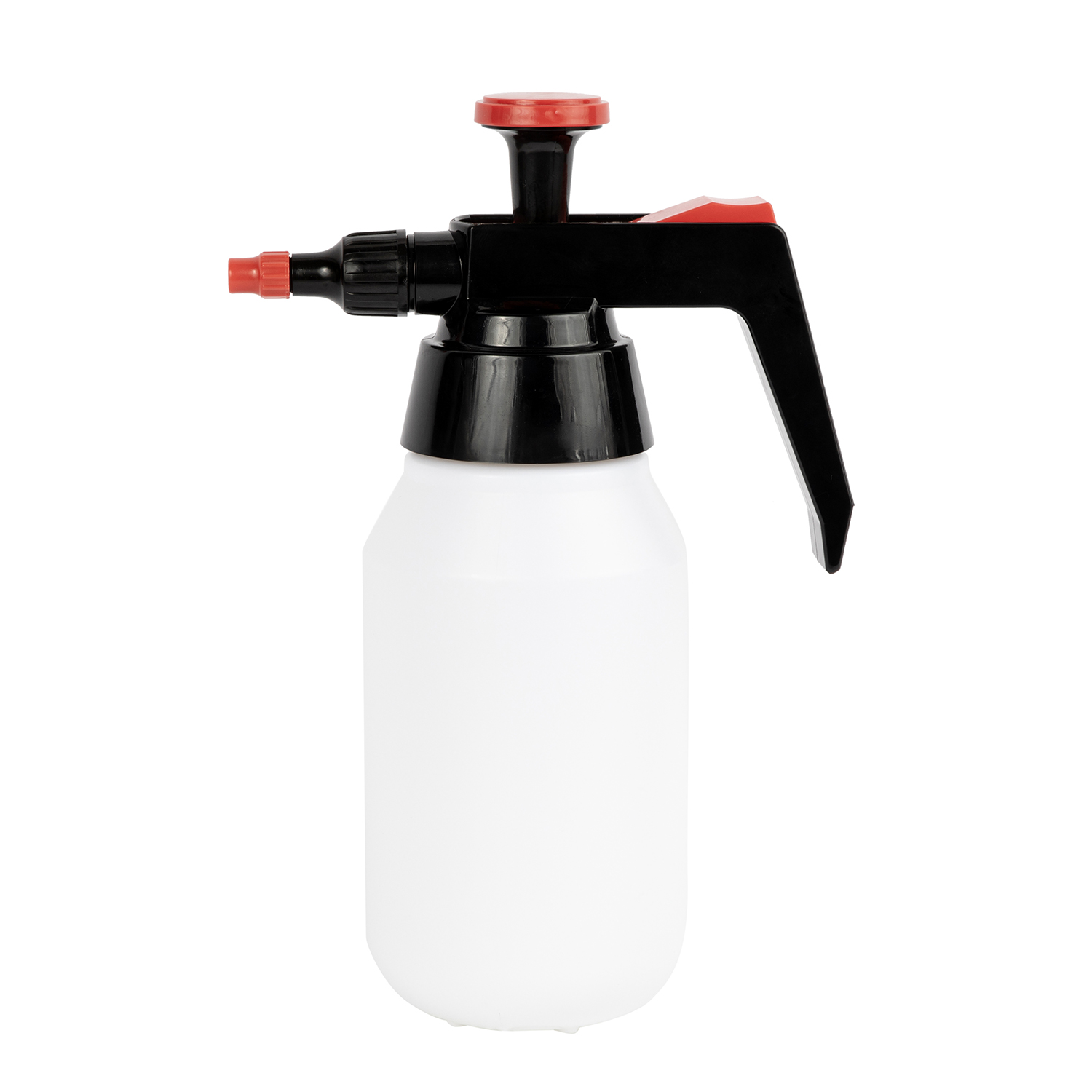
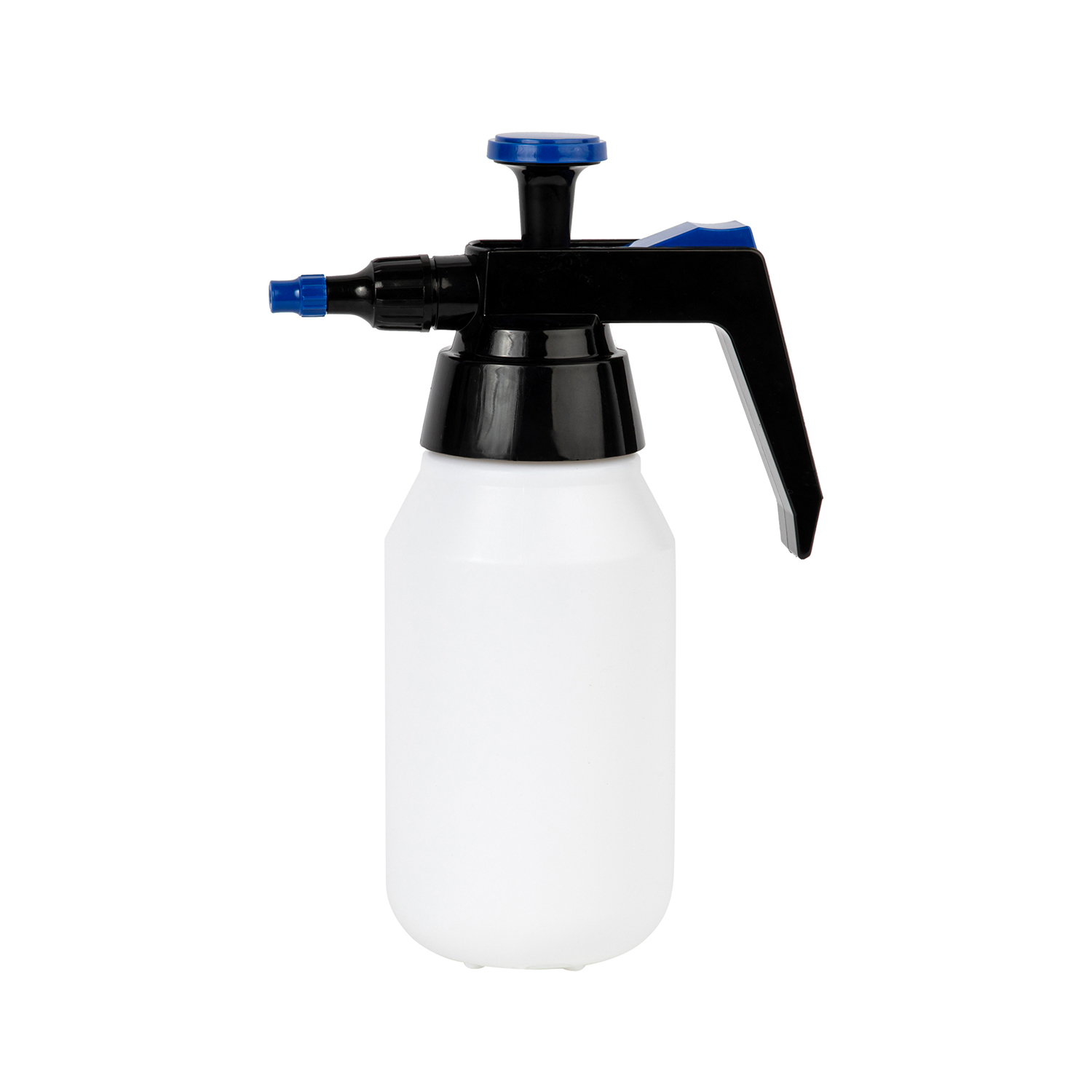
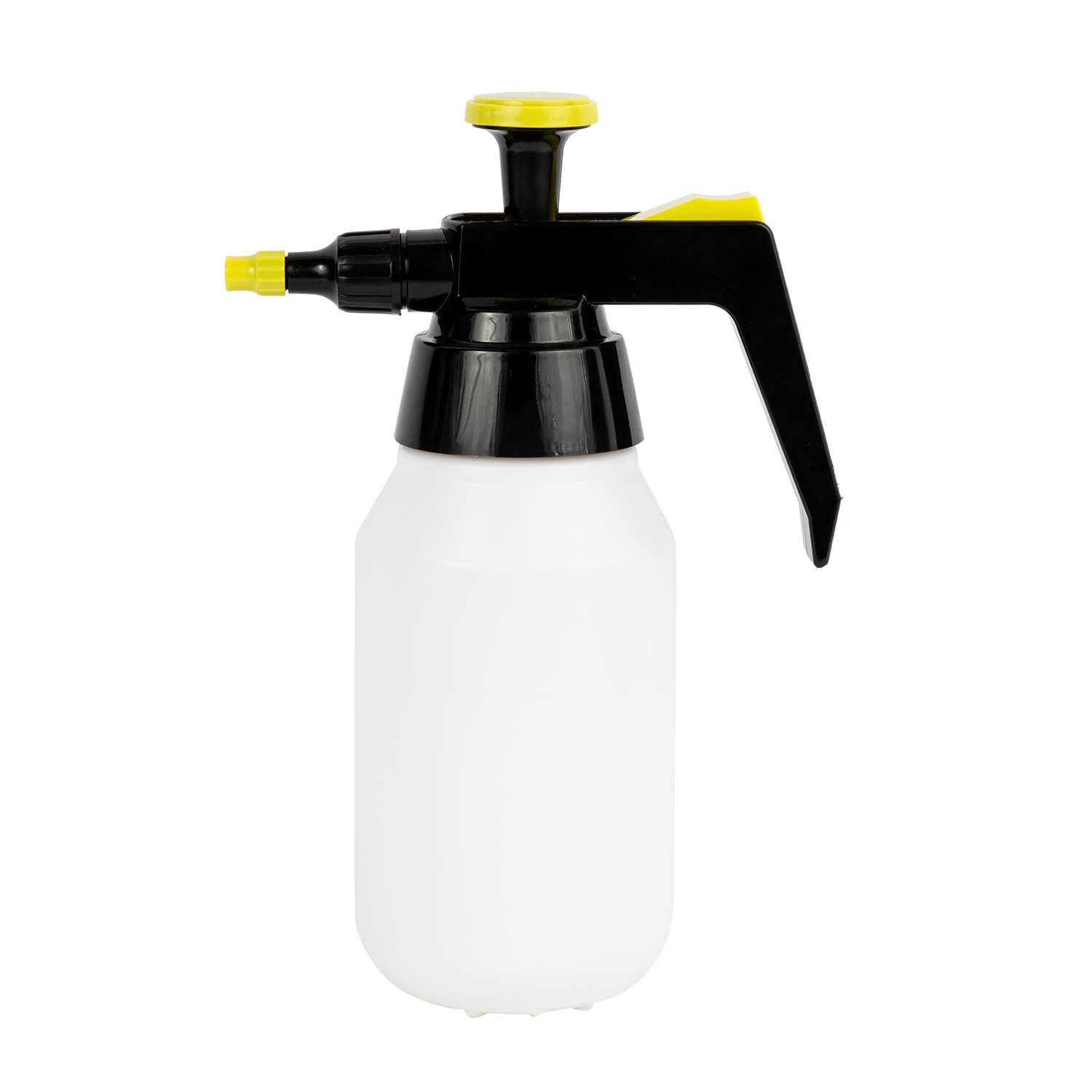
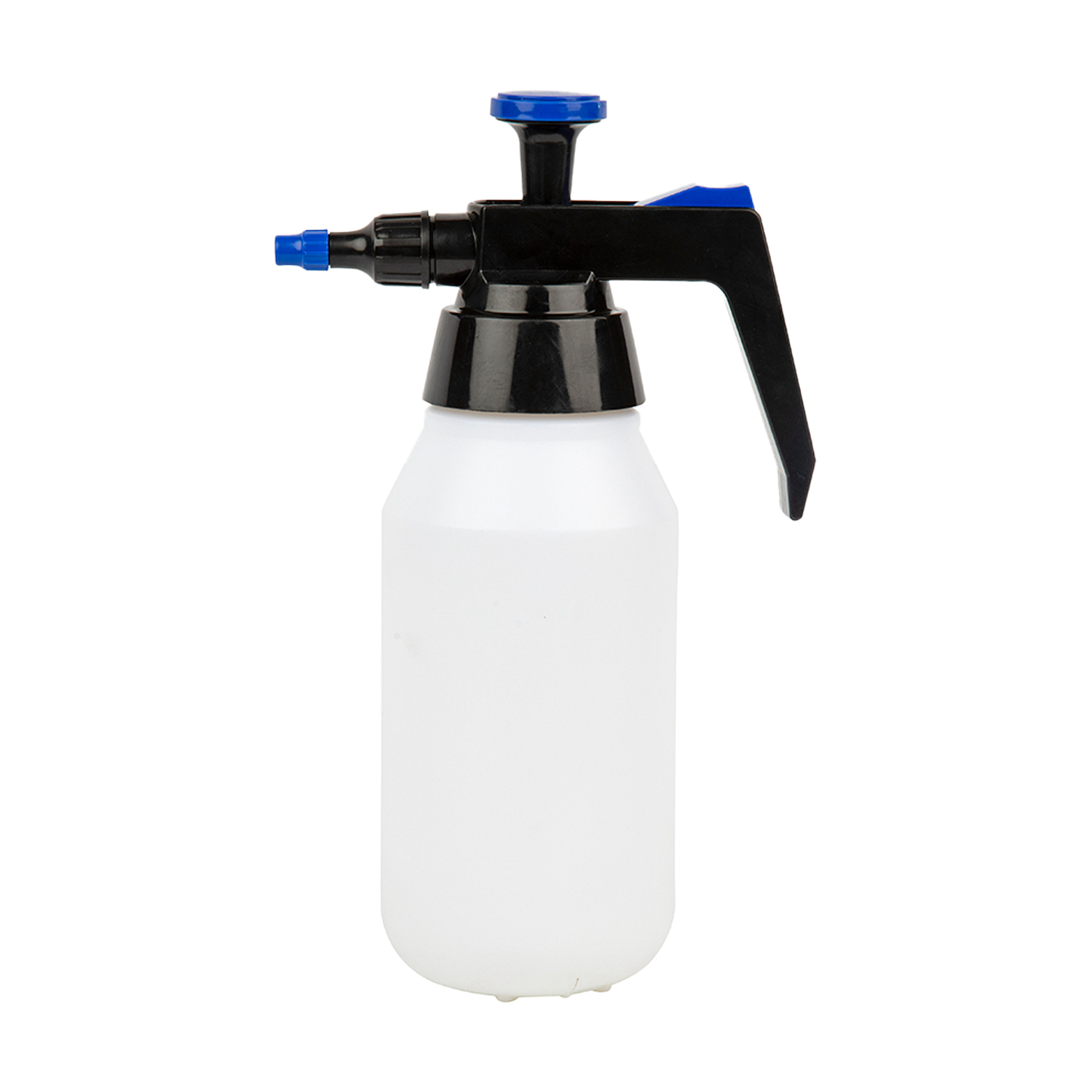
Kobold is a Portable Sprayer Manufacturer serving automotive maintenance, agriculture, cleaning, sanitation, gardening, and firefighting applications. Its product range includes pressure sprayers, solvent sprayers, hose-end sprayers, foam sprayers, ULV sprayers, and related spraying accessories. When evaluating a Kobold sprayer or any comparable product, I would still match the exact chemical to the complete wetted-material specification rather than relying only on the product category.
Kobold also presents OEM and ODM capabilities covering design, mold development, injection molding, assembly, packaging, and product customization. For a commercial buyer, this can support application-specific changes such as seal material, hose construction, nozzle design, color coding, or labeling. These requirements should be written into the technical specification and confirmed through sample testing before production approval.
Common Failure Mechanisms and Warning Signs
Swelling usually appears as a larger, softer, or distorted seal that increases friction and restricts valve movement. Embrittlement produces cracking, surface splits, and loss of elasticity, often after exposure to oxidizers, ozone, heat, or incompatible chemicals. Permeation may allow chemical vapor or liquid to pass through the material even when the seal shows no visible damage.
Other warning signs include a persistent chemical odor, unexplained pressure loss, a trigger that sticks, a nozzle that changes pattern, leakage after storage, or a pump that loses prime. I treat these symptoms as system-level evidence rather than replacing only the visible O-ring. The hose, spring, valve seat, tank, and nozzle should be inspected at the same time.
Final Thoughts
Matching Sprayer Seal Materials to Acids, Solvents, and Cleaners begins with the exact chemical, concentration, temperature, exposure time, and pressure conditions. EPDM is often a practical choice for water-based acids, alkaline cleaners, and selected bleach applications, while FKM or Viton commonly suits oils and many solvents. PTFE provides a broader chemical-resistance option but may require a different sealing design because it has limited elasticity.
My next step would be to collect the chemical safety data sheet, create a complete wetted-material list, and compare each component against supplier compatibility data. I would then conduct a small-scale exposure test that measures leakage, seal dimensions, hardness, valve operation, pressure retention, hose condition, and nozzle performance. For industrial maintenance, the safest purchasing decision combines chemical resistance, pressure requirements, serviceability, replacement cost, and documented validation rather than selecting a seal from its material name alone.

 Hose End Sprayer
 Agriculture & Garden
 Cleaning & Disinfection
 Specialty Products