Brake cleaner is a fast-evaporating solvent spray that dissolves and flushes away grease, oil, brake fluid, and brake dust from metal brake components. It works through solvent action, spray displacement, and rapid evaporation, leaving little or no residue when used correctly. Spray pressure determines how widely the solvent spreads, how forcefully contaminants are displaced, and how much product becomes overspray.
!
I use spray pressure as one part of a larger cleaning system that also includes nozzle design, spray distance, solvent formulation, surface temperature, dwell time, ventilation, and collection procedures. Higher pressure can remove loose brake dust quickly, but it can also increase chemical consumption, overspray, noise, and the risk of forcing liquid into sensitive areas. The practical goal is not maximum pressure; it is the lowest pressure that produces complete cleaning within an acceptable cycle time.
What Brake Cleaner Removes and Why Residue-Free Cleaning Matters
Brake cleaner is primarily used to remove brake dust, oil, grease, brake fluid, assembly residue, and road contamination from metal surfaces. On rotors and drums, these contaminants can interfere with friction between the braking surface and the pad or shoe. A residue-free surface helps prevent temporary changes in friction, uneven bedding, squeal caused by contamination, and repeated cleaning before inspection.
Brake cleaner does not repair scoring, corrosion, heat damage, cracking, or uneven wear. It also should not be treated as a substitute for mechanical inspection. If a rotor has deep grooves or a caliper has seized hardware, solvent application may improve appearance without correcting the mechanical fault.
The cleaning result comes from three actions:
- Solvent action: The liquid softens and dissolves oil, grease, and brake fluid.
- Spray displacement: Fluid impact pushes loose dust and softened contamination away from the component.
- Rapid evaporation: Volatile solvent leaves the surface quickly, reducing residual film.
A weak spray may wet the surface without displacing contamination. An excessively aggressive spray may remove contaminants effectively but send solvent and debris into the air, onto nearby rubber parts, or across the workshop floor. Brake cleaning efficiency therefore depends on controlled energy rather than pressure alone.
How Spray Pressure Affects Brake Cleaning Efficiency
Spray pressure changes the velocity and breakup of the liquid leaving the nozzle. At a suitable setting, the spray pattern covers the contaminated area evenly and supplies enough impact force to flush dust from vents, slots, threads, and recessed areas. As pressure rises, cleaning speed may improve for loose contamination, but the relationship is not unlimited.
For light brake dust on exposed metal, a broad fan pattern at approximately 20–40 psi can provide sufficient coverage when the nozzle is held 150–250 millimeters from the surface. For heavier grease or compacted deposits, operators may test 40–80 psi with a more focused nozzle, provided the sprayer, solvent, hose, and component are approved for that operating range. These values are starting points, not universal settings; the equipment manufacturer’s pressure limit must always control.
Pressure affects cleaning in five measurable ways:
- Contaminant removal: More impact force can shorten the time needed to flush loose dust and softened grease.
- Solvent coverage: A low-pressure fan can cover a larger area with less bounce-back.
- Overspray: Higher pressure creates more airborne droplets and increases losses outside the target area.
- Drying time: A thin, evenly distributed film normally evaporates faster than a heavy, pooled application.
- Chemical consumption: Excessive flow or repeated passes can increase solvent use without improving surface cleanliness.
I evaluate pressure by measuring both cleaning time and fluid consumption. For example, a shop can weigh a refillable sprayer before and after cleaning 10 comparable brake assemblies. If the process uses 320 grams of solvent at 55 psi and 250 grams at 35 psi while producing the same visual and wipe-test result, the lower-pressure method reduces chemical use by approximately 21.9 percent.
Choosing the Right Spray Pressure for Brake Parts
The best spray pressure for brake parts cleaning depends on contamination, component geometry, material sensitivity, and the selected nozzle. I begin with the lowest practical setting, then increase pressure only when the cleaning cycle remains incomplete after proper solvent dwell time.
| Cleaning situation |
Starting pressure |
Spray pattern |
Recommended technique |
| Light brake dust on rotor faces |
20–30 psi |
Wide fan |
Short overlapping passes |
| Dust inside vented rotors |
25–40 psi |
Medium fan |
Spray through the vent openings |
| Grease on caliper exterior |
30–50 psi |
Narrow fan |
Apply solvent, wait 15–30 seconds, flush |
| Heavy contamination on removed parts |
40–80 psi |
Focused fan |
Use a collection tray and controlled distance |
| Sensitive rubber or plastic nearby |
15–30 psi |
Low-impact fan |
Shield adjacent materials |
| Final residue check |
15–25 psi |
Fine fan |
Use only enough spray to rinse the surface |
The nozzle should match the pressure and the cleaning target. A wide fan nozzle distributes solvent across rotor faces and reduces local impact. A narrow fan or precision nozzle concentrates spray inside caliper corners, pad hardware recesses, and drum assemblies. A nozzle with a damaged or partially blocked orifice can produce an uneven pattern, causing the operator to compensate by increasing pressure and wasting chemical.
Spray distance also matters. Holding the nozzle too close concentrates impact and increases bounce-back, while holding it too far allows the solvent to evaporate before reaching the surface. I normally begin at 150–250 millimeters, inspect the pattern, and adjust distance before increasing pressure.
How to Use Brake Cleaner Safely on Brake Components
Before applying solvent, I remove loose debris with a brush, vacuum, or controlled low-pressure air where appropriate. Pre-cleaning prevents the brake cleaner from being spent on dry dirt that could have been removed mechanically. It also reduces the amount of dust suspended in the work area.
Rotors and Drums
I spray rotors and drums while they are cool and supported securely. The solvent should reach both the braking surface and accessible edges, but I avoid directing unnecessary spray toward wheel bearings, seals, electrical sensors, or enclosed cavities. After application, I allow the solvent to evaporate fully and inspect the surface for oil marks, streaks, or remaining deposits.
Brake cleaner can be sprayed on metal rotors when the formulation is approved for that use. It should not be used to hide corrosion or replace measurement of rotor thickness, runout, or surface condition. A clean rotor is only one part of a safe brake service.
Calipers and Hardware
For calipers, I use a moderate fan pattern and work around the exterior, slide-pin areas, mounting surfaces, and hardware recesses. I avoid flooding rubber boots, flexible hoses, bushings, and painted surfaces unless the product label confirms compatibility. A small brush combined with controlled spray often uses less solvent than continuously spraying a heavily contaminated assembly.
Pads and Friction Materials
Brake cleaner may be used on brake pads only when the manufacturer permits it and when contamination is minor. Oil-soaked, cracked, glazed, or significantly worn pads should generally be evaluated for replacement rather than repeatedly treated with solvent. Spraying a pad can remove surface contamination but cannot restore friction material that has absorbed oil deeply.
Rubber, Plastic, and Electrical Parts
Brake cleaner is not automatically safe for rubber and plastic. Solvent chemistry varies, and some formulations can soften, swell, craze, or dry out non-metal materials. I shield hoses, seals, wire insulation, ABS sensors, connector housings, and painted components whenever direct contact is unnecessary.
How to Reduce Brake Cleaner Chemical Use
Reducing brake cleaner chemical use requires controlling the amount applied per component rather than simply lowering pressure. A low-pressure spray can still waste solvent if the operator holds the trigger continuously, uses an oversized fan, or cleans outside the target area.
I recommend tracking four values:
- Solvent used per assembly: measured by weight or volume.
- Cleaning time per assembly: measured from first spray to final inspection.
- Repeat-spray rate: percentage of parts requiring a second complete application.
- Cleaning pass rate: percentage of components accepted after one controlled cycle.
A simple efficiency formula is:
Cleaning efficiency = accepted assemblies ÷ solvent consumed
For example, if a technician cleans 20 brake assemblies using 2,400 milliliters of solvent, the consumption rate is 120 milliliters per accepted assembly. After changing from a continuous high-pressure spray to 30-second targeted passes, use falls to 1,900 milliliters for the same 20 assemblies. Consumption becomes 95 milliliters per assembly, representing a reduction of 20.8 percent.
The most effective chemical-saving practices are:
- Remove loose dust before solvent application.
- Use a nozzle sized for the contaminated area.
- Spray from a consistent 150–250 millimeter distance.
- Apply solvent in short passes rather than holding the trigger continuously.
- Allow 15–30 seconds of dwell time on grease before flushing.
- Use a tray, shield, or absorbent system to control overspray.
- Record solvent consumption by job type.
- Replace worn nozzles that create uneven or excessive flow.
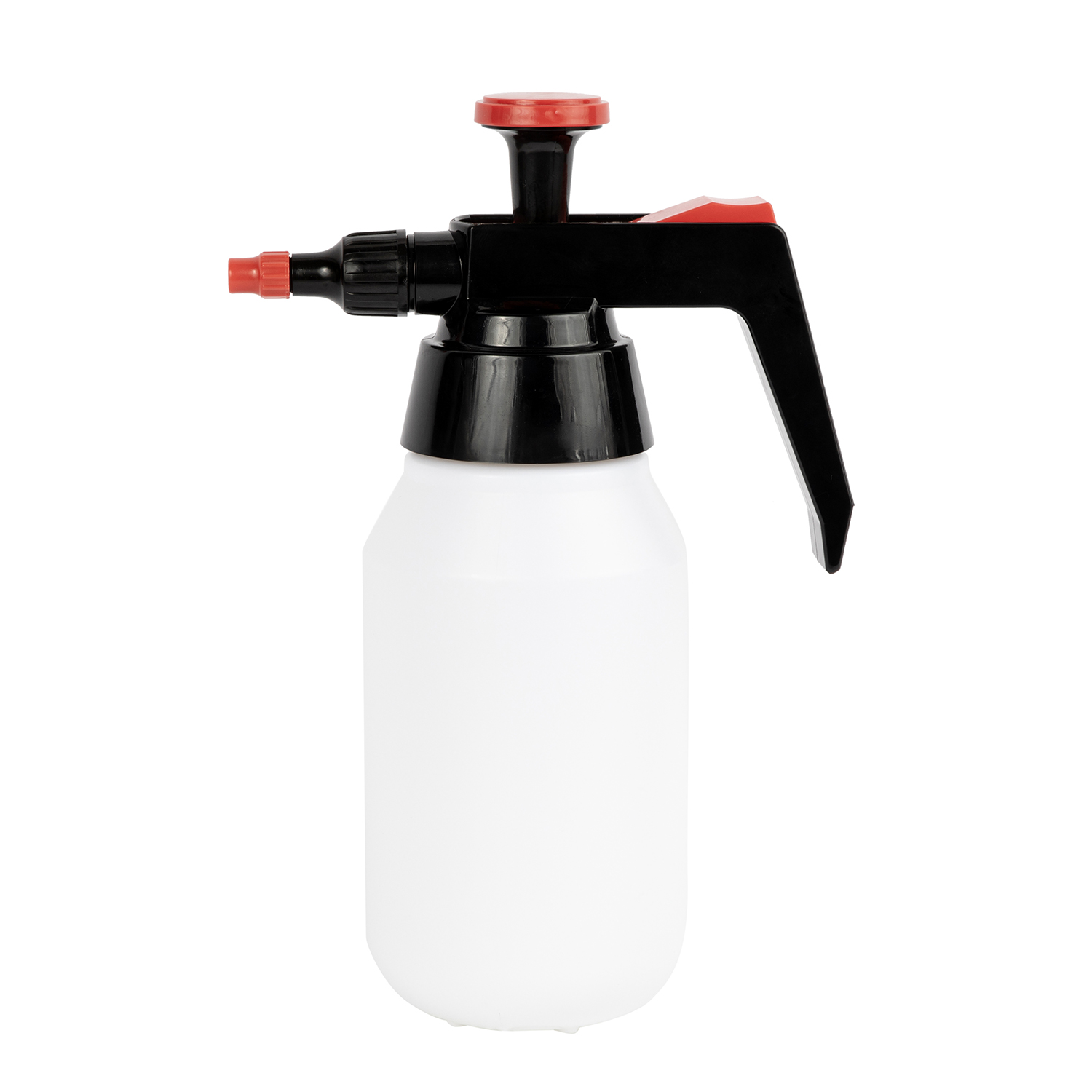
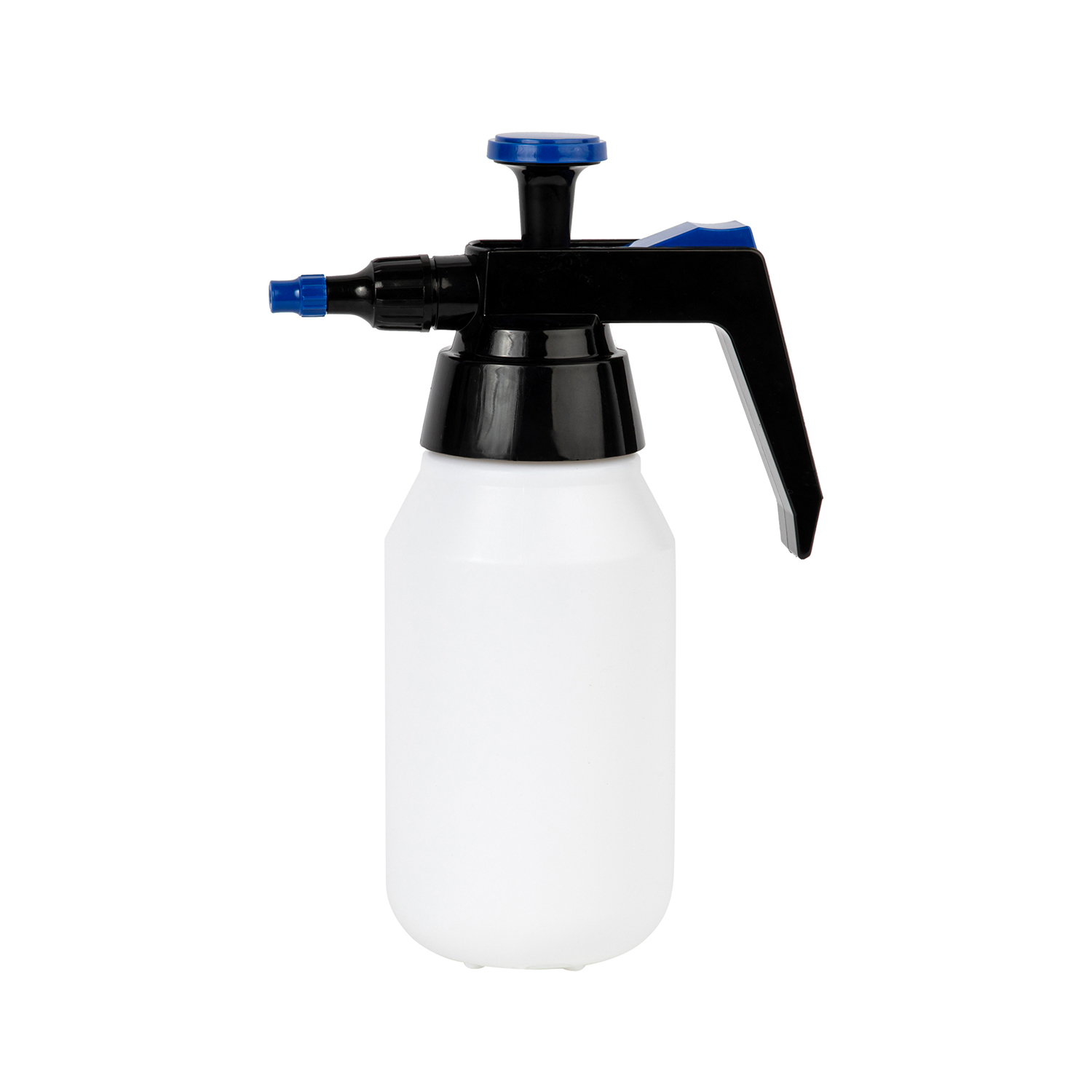
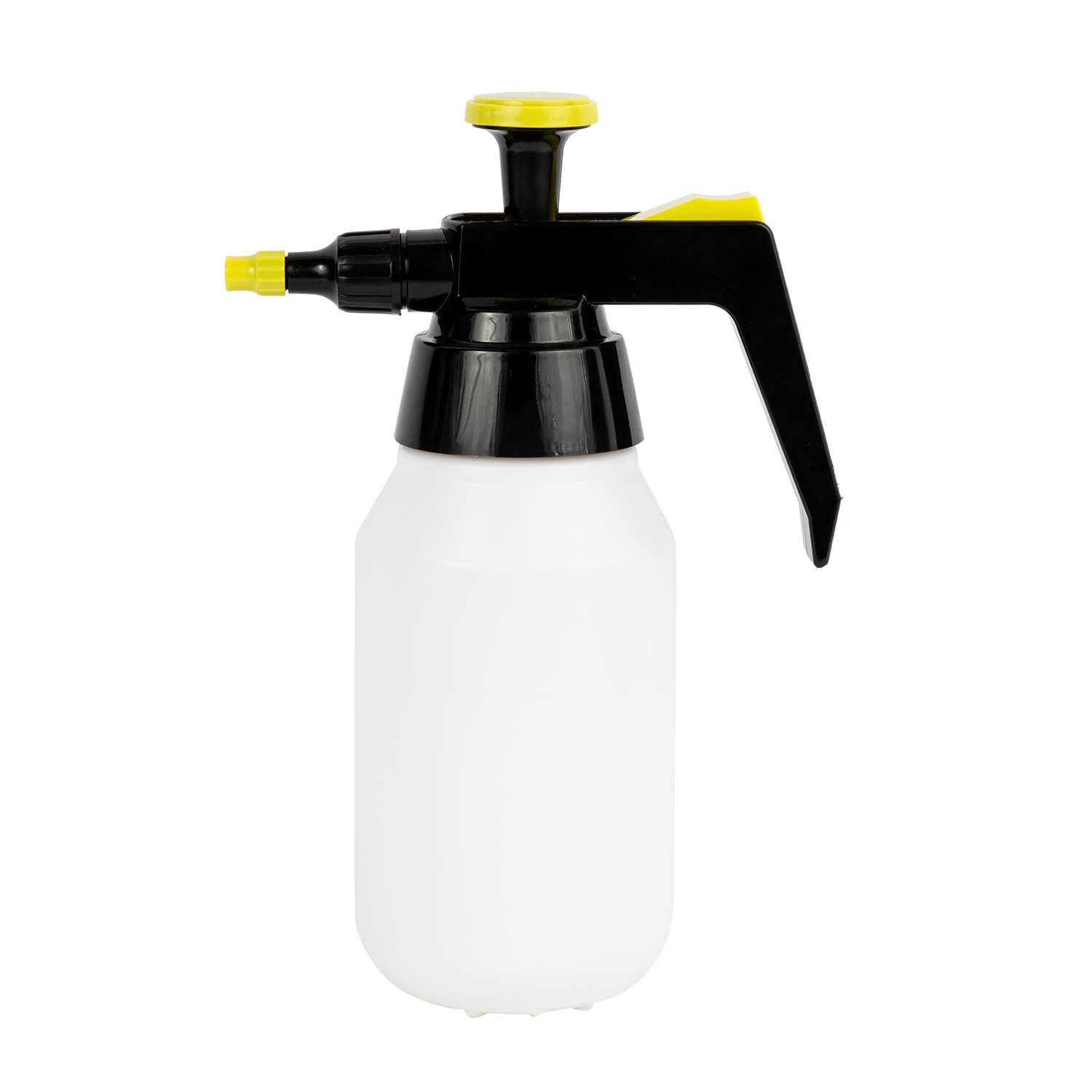
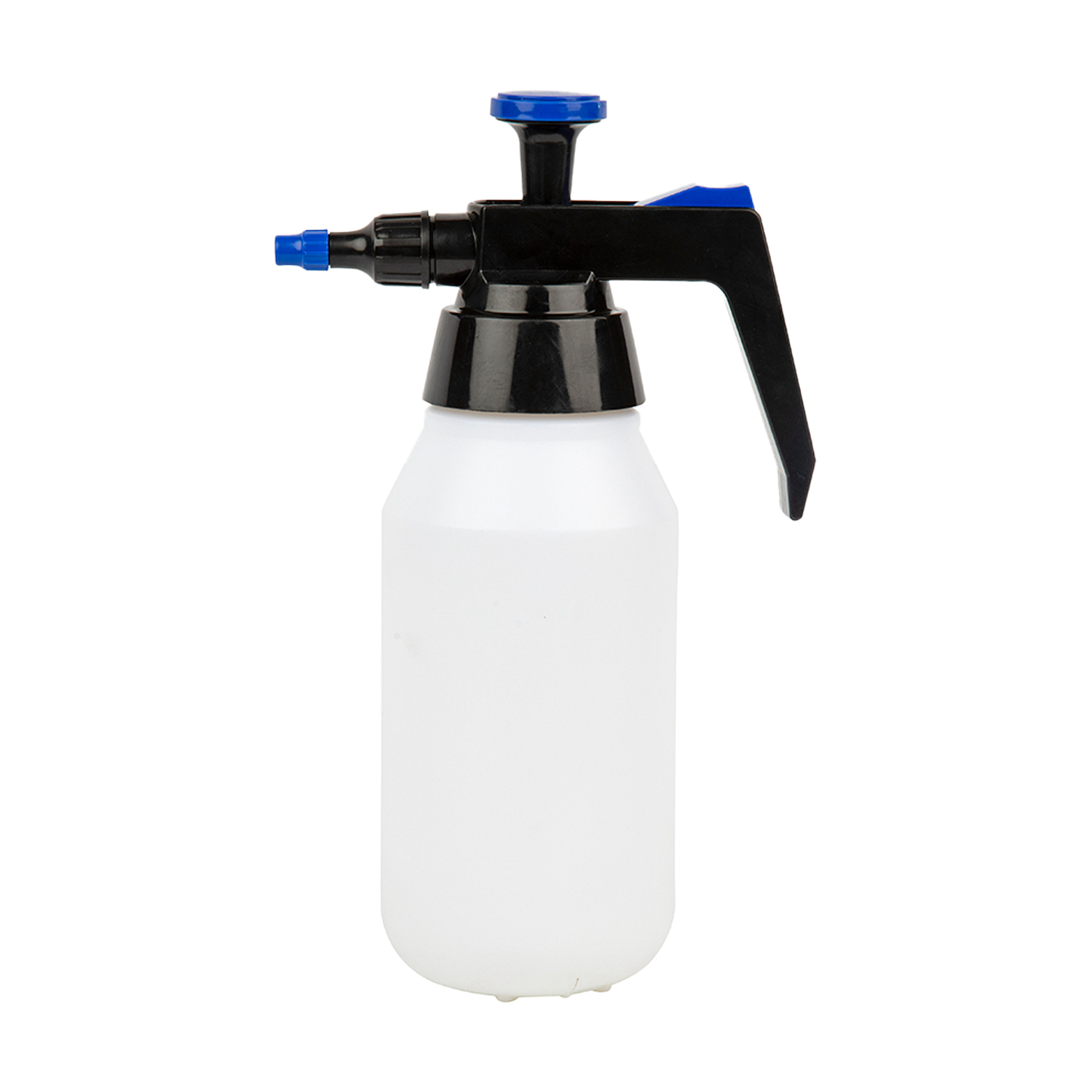
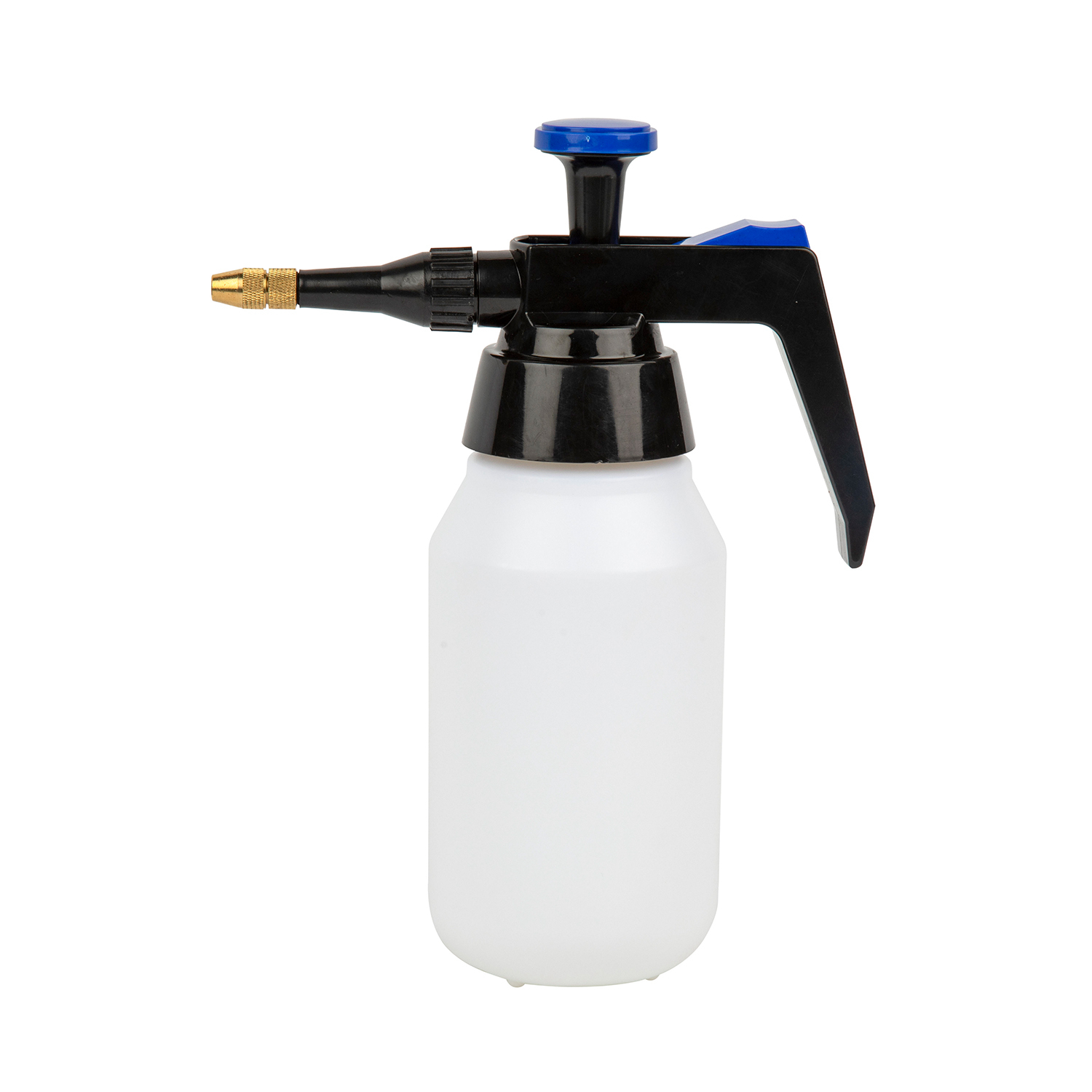
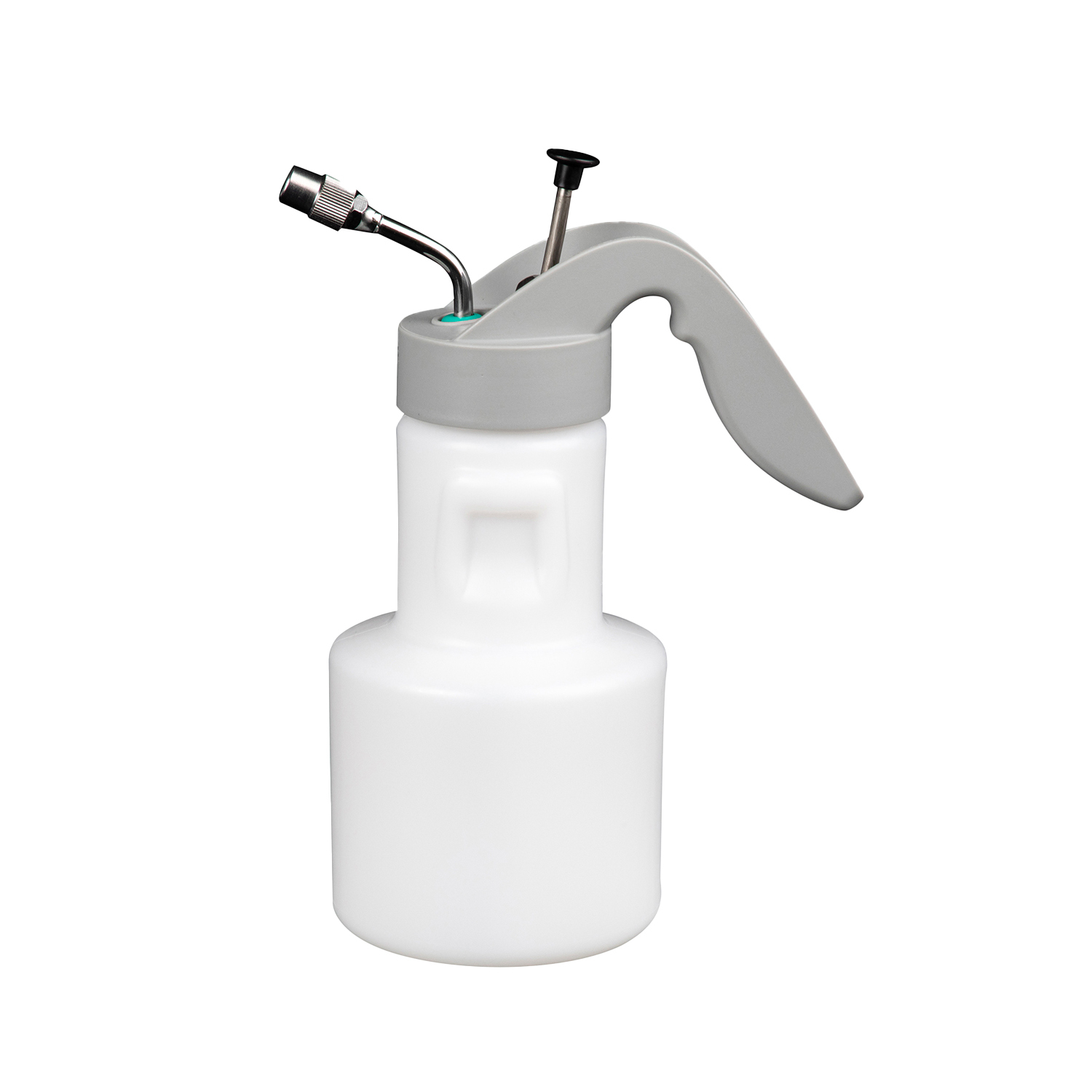
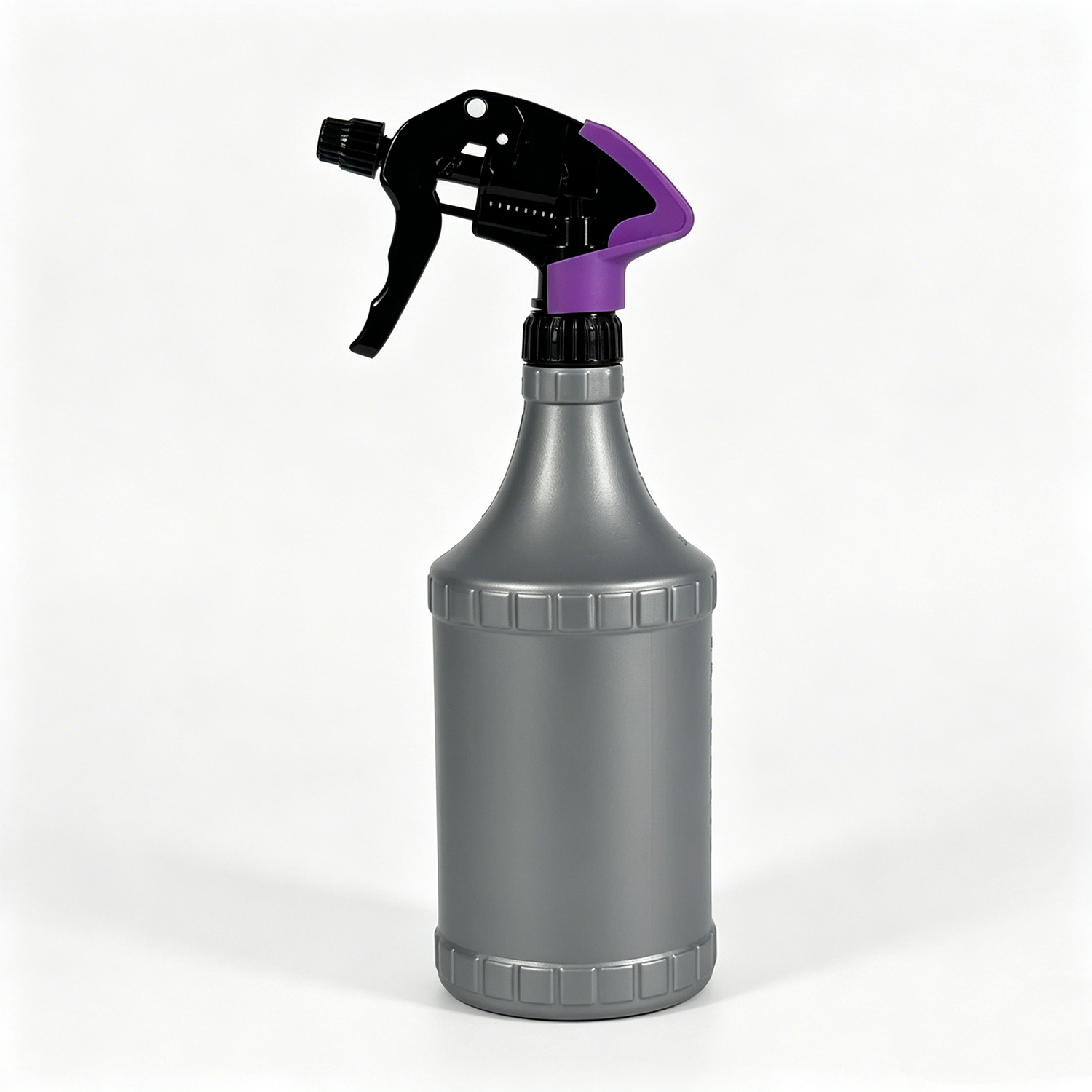
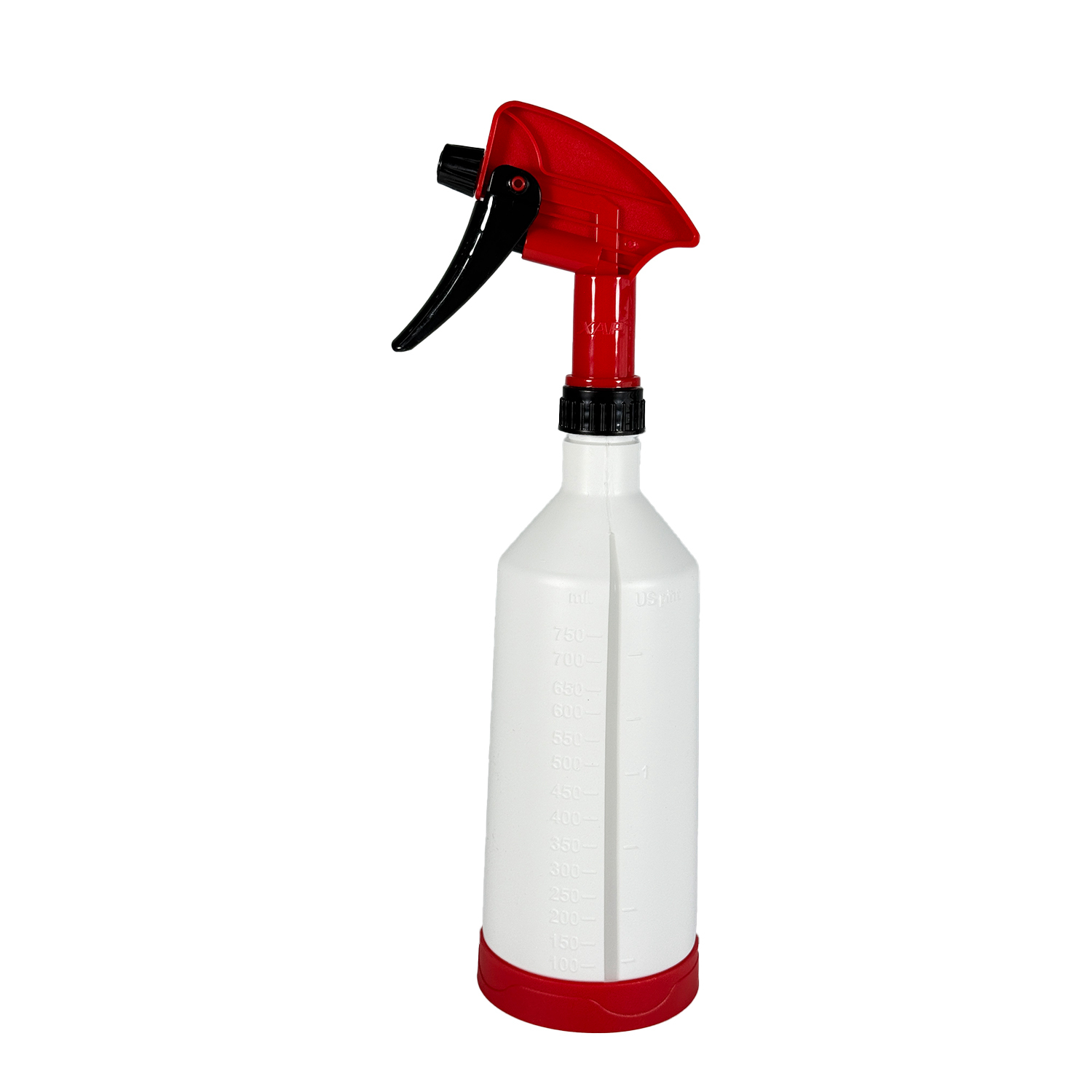
A refillable Brake Cleaner Spray Bottle can support better portion control than disposable aerosol cans when its seals, materials, pressure rating, and solvent compatibility are verified. It also makes it easier to compare pressure settings and measure chemical use across repeated jobs.
Comparing Brake Cleaning Spray Equipment
Different dispensing systems suit different shop volumes and cleaning conditions. I compare them by pressure control, flow control, refill time, portability, solvent compatibility, and overspray management.
| Equipment type |
Typical pressure control |
Best use |
Main limitation |
| Aerosol can |
Fixed by valve and can pressure |
Mobile repairs and occasional service |
Limited flow control and higher packaging waste |
| Refillable pressurized sprayer |
Adjustable within equipment range |
Repeated shop cleaning |
Requires seal and solvent compatibility checks |
| Pump sprayer |
Low to moderate pressure |
Light dust and low-volume work |
Less effective on compacted grease |
| Pneumatic cleaning gun |
Broad adjustable range |
High-volume workshops and removed parts |
Needs compressed air and overspray control |
| Parts washer spray system |
Controlled pump pressure |
Batch cleaning and fleet maintenance |
Higher equipment cost and footprint |
Kobold’s product range includes automotive maintenance sprayers, pressure solvent sprayers, and spray guns intended for workshop and industrial cleaning applications. The company describes its manufacturing scope as covering design, mold making, injection molding, assembly, and quality inspection, with OEM and ODM support for customized colors, packaging, functions, and logos. Its published company information also identifies more than 22 years of industry experience, over 500 served clients, and more than 50 active patents.
For a small repair shop, a refillable pressurized sprayer with a controlled fan nozzle may provide enough consistency without requiring compressed air. A fleet maintenance operation with high daily volume may benefit from a pneumatic gun or dedicated parts washer because the operator can standardize pressure, nozzle selection, and collection procedures across many assemblies.
Brake Cleaner, Degreaser, and Other Solvent Products
Brake cleaner is designed for rapid removal of oil, grease, brake fluid, and dust from compatible brake components, followed by fast evaporation. It is not interchangeable with every automotive cleaning product.
- Brake pad treatment spray: Intended for specific pad-related applications and may contain additives or a different evaporation profile.
- General degreaser: Usually formulated for broader soil removal and may leave a film or require rinsing.
- Carburetor cleaner: Designed for fuel-system deposits and may be more aggressive toward plastics, coatings, or rubber.
- Electrical contact cleaner: Formulated for electrical contacts and should be selected for residue behavior and material compatibility.
- Rust remover: Uses chemical action to dissolve or convert corrosion; it is not a substitute for brake cleaner.
Brake cleaner generally does not remove heavy rust because rust is chemically bonded oxidation rather than loose grease. A rust remover or mechanical method may be needed, followed by a suitable cleaning step. I also avoid using carburetor cleaner or general degreaser on brake components unless the product label specifically identifies the material and application as suitable.
A Practical Brake Cleaning Procedure
I use the following process when setting up a new spray pressure for brake parts cleaning:
- Identify the contamination. Separate dry dust, oily residue, brake fluid, grease, and corrosion.
- Check material compatibility. Protect rubber, plastic, paint, seals, electrical components, and sensors.
- Select the nozzle. Use a broad fan for open surfaces and a focused pattern for recesses.
- Start at low pressure. Begin around 20–30 psi for light contamination, or the lowest approved setting.
- Apply a controlled pass. Maintain a consistent distance and avoid continuous spraying.
- Allow dwell time. Give solvent 15–30 seconds to soften grease before flushing.
- Increase pressure only if needed. Adjust in small increments while monitoring overspray.
- Inspect the surface. Check for oil film, streaks, retained dust, and solvent pooling.
- Record the result. Note pressure, nozzle, solvent amount, cleaning time, and repeat-spray rate.
This process separates pressure problems from formulation problems. If a component remains greasy at 60 psi, increasing pressure may not solve the issue; the solvent may be unsuitable, the dwell time may be too short, or the nozzle may be delivering an uneven pattern.
Safety and Equipment Considerations
Excessive spray pressure can damage components indirectly by forcing solvent into seals, bearings, electrical connectors, and enclosed cavities. It can also increase aerosol formation, making ventilation and respiratory exposure more difficult to control. I use safety glasses, solvent-resistant gloves, suitable ventilation, and the protective equipment specified by the product’s safety data sheet.
The sprayer must be rated for the pressure and chemical being used. Seals, gaskets, hoses, valves, and tanks may respond differently to acetone, chlorinated solvents, petroleum solvents, or alcohol-based formulations. Before switching chemicals, I confirm compatibility rather than assuming that a container designed for water or detergent will tolerate brake cleaner.
Compressed air requires additional care. Air can spread brake dust and solvent vapor across the work area, so I use it only where permitted by the workshop procedure and with appropriate capture or ventilation. I also keep ignition sources away from flammable formulations and allow cleaned parts to dry before reassembly.
Conclusion
How Spray Pressure Affects Brake Cleaning Efficiency and Chemical Use depends on the interaction between pressure, nozzle design, spray distance, solvent dwell time, contamination level, and overspray control. Higher pressure can improve the removal of loose brake dust and compacted grease, but it does not automatically reduce chemical use. In many workshops, a controlled 20–40 psi starting range, a suitable fan pattern, consistent distance, and short targeted passes provide a better balance than maximum pressure.
I recommend measuring solvent consumed per accepted brake assembly, cleaning time, repeat-spray rate, and nozzle performance. Use brake cleaner for compatible metal components, select other products for rust, electrical contacts, or heavy degreasing, and protect rubber and plastic parts from unnecessary exposure. With controlled equipment such as a properly specified Kobold sprayer, automotive shops can improve brake cleaning efficiency while reducing wasted solvent, overspray, and repeat applications.

 Hose End Sprayer
 Agriculture & Garden
 Cleaning & Disinfection
 Specialty Products