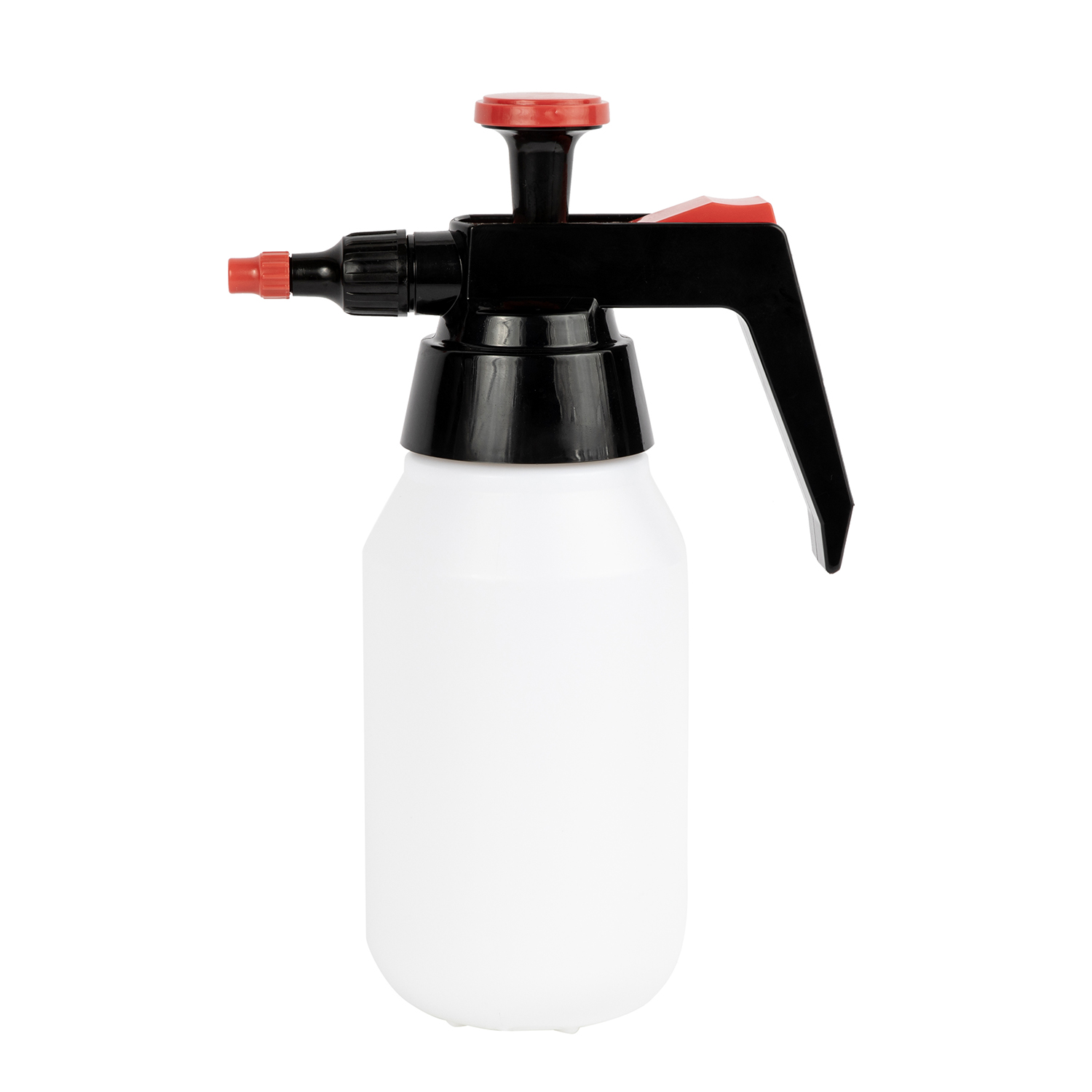
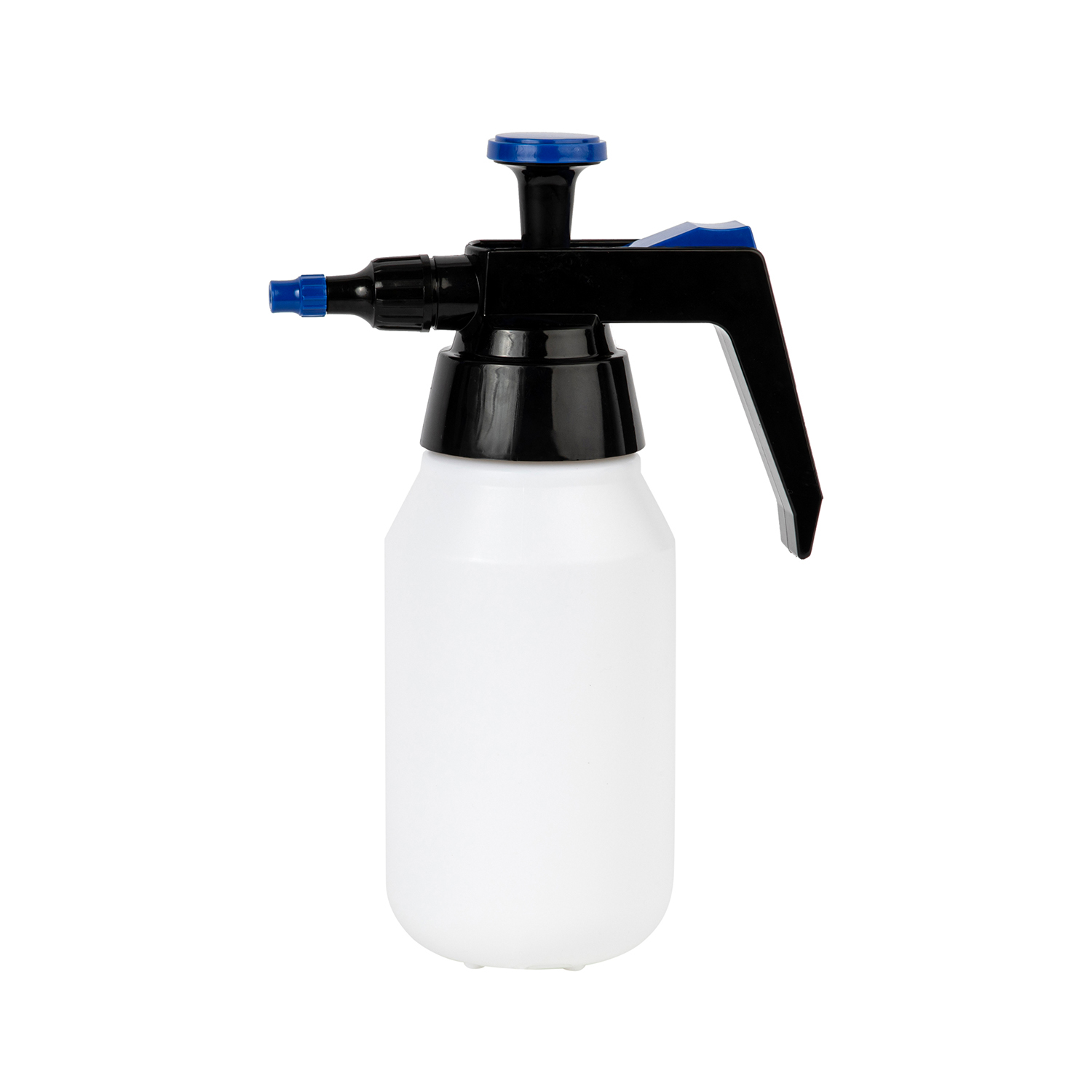
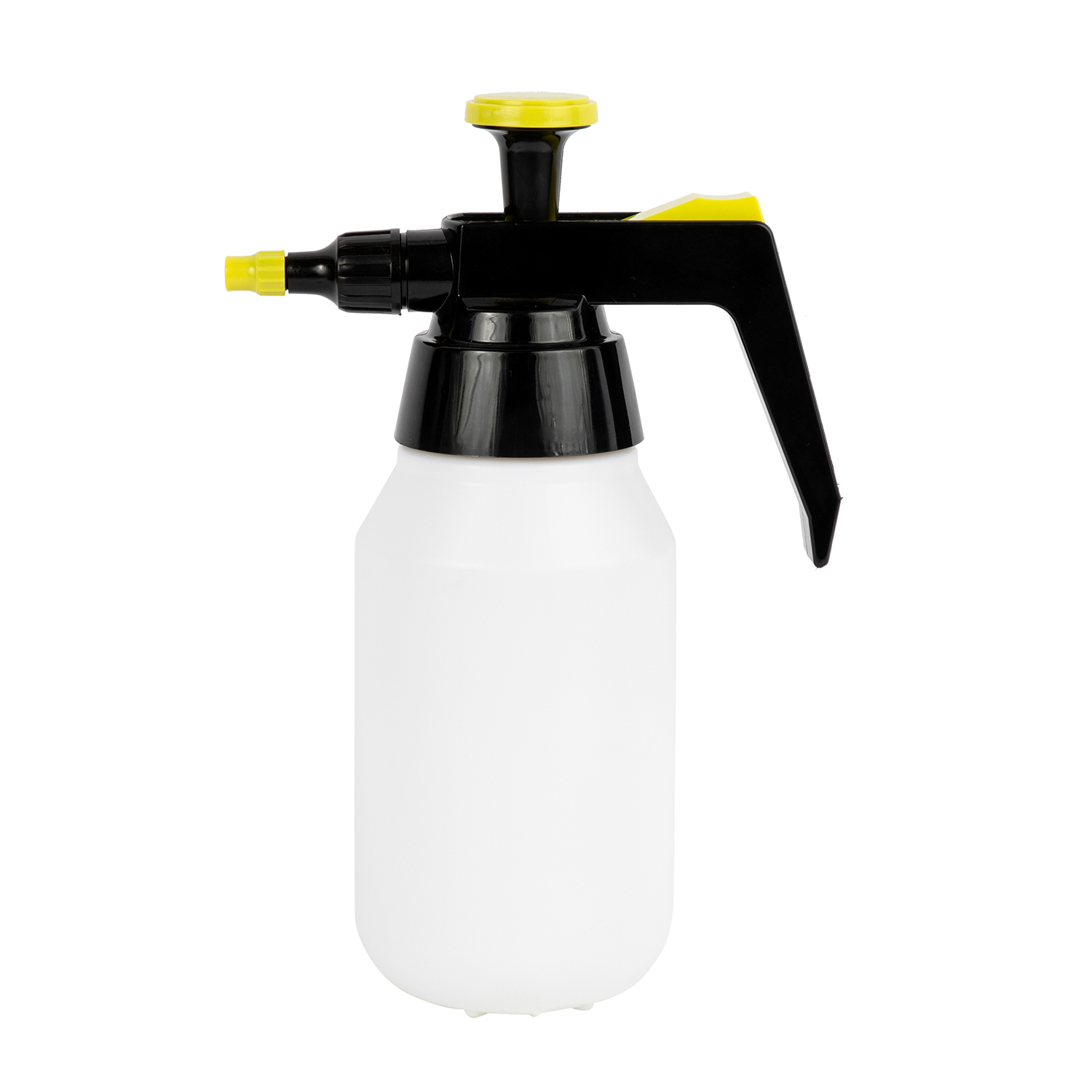
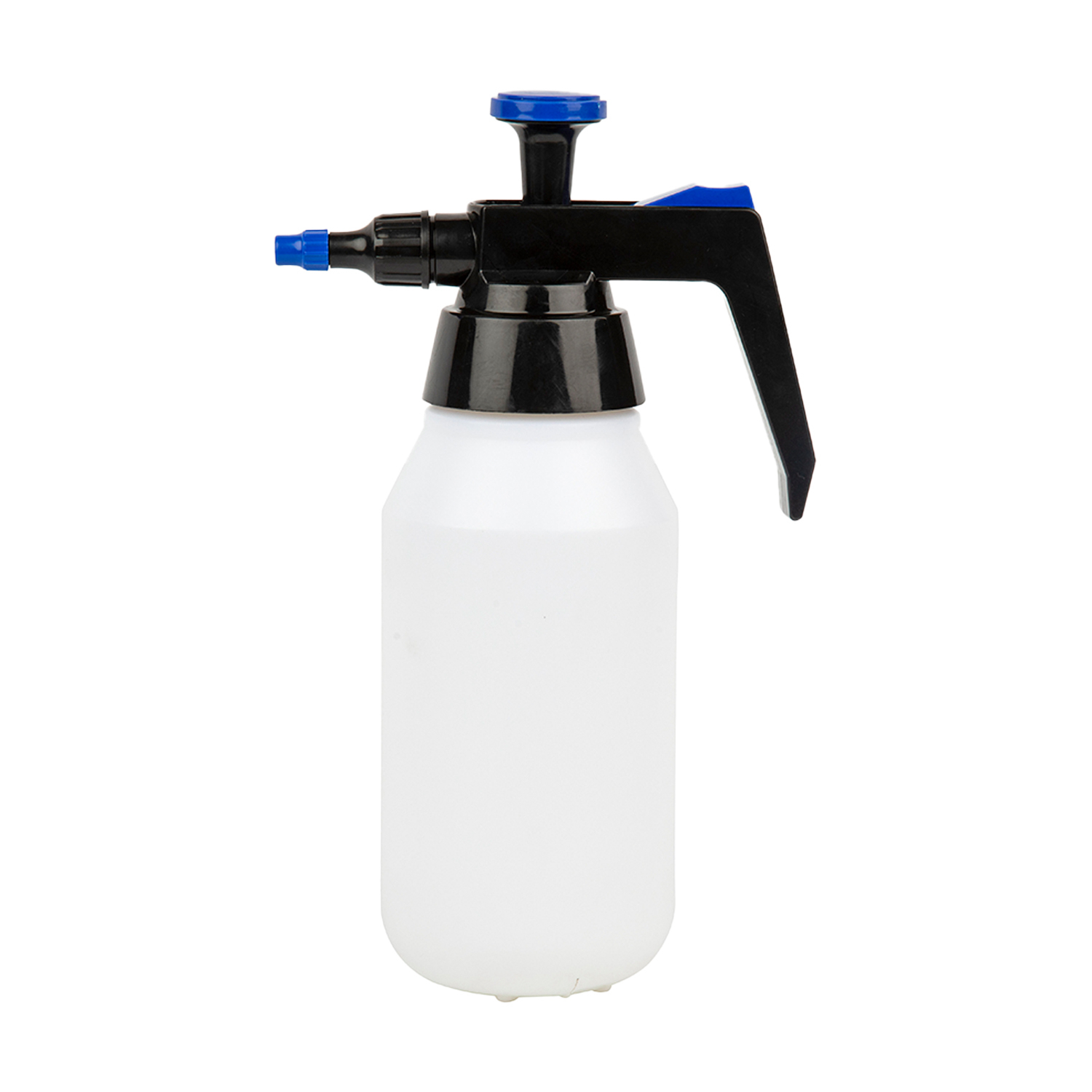
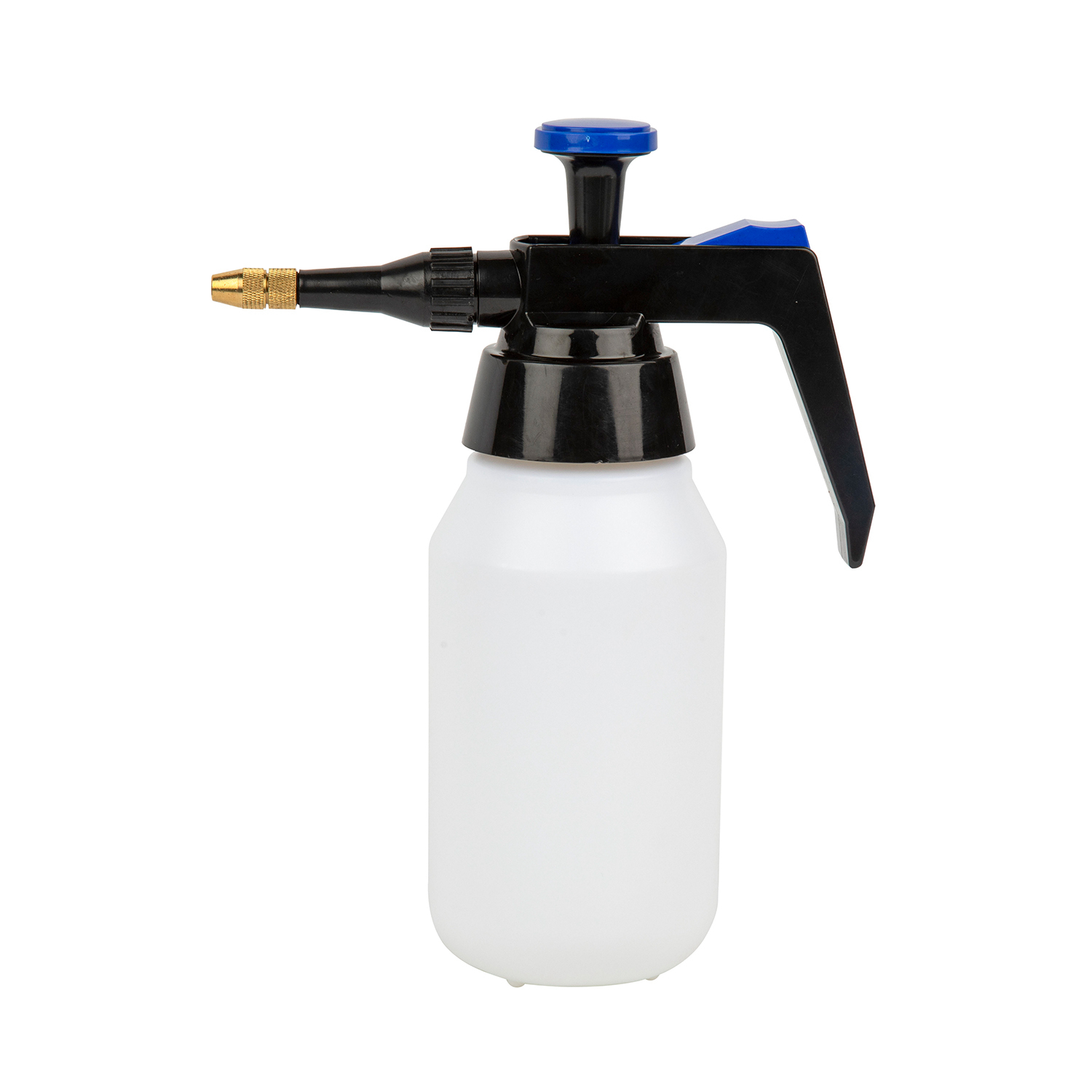
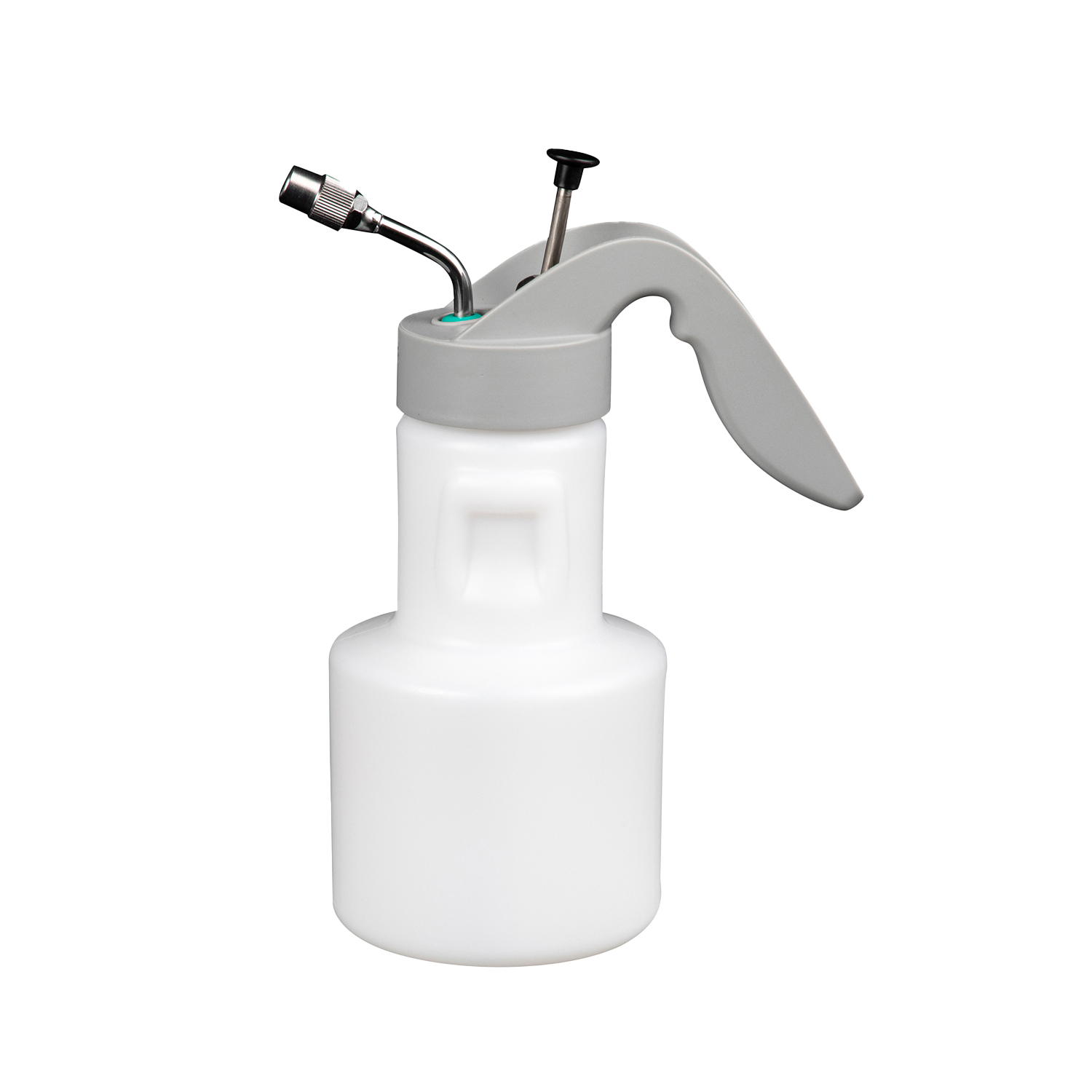
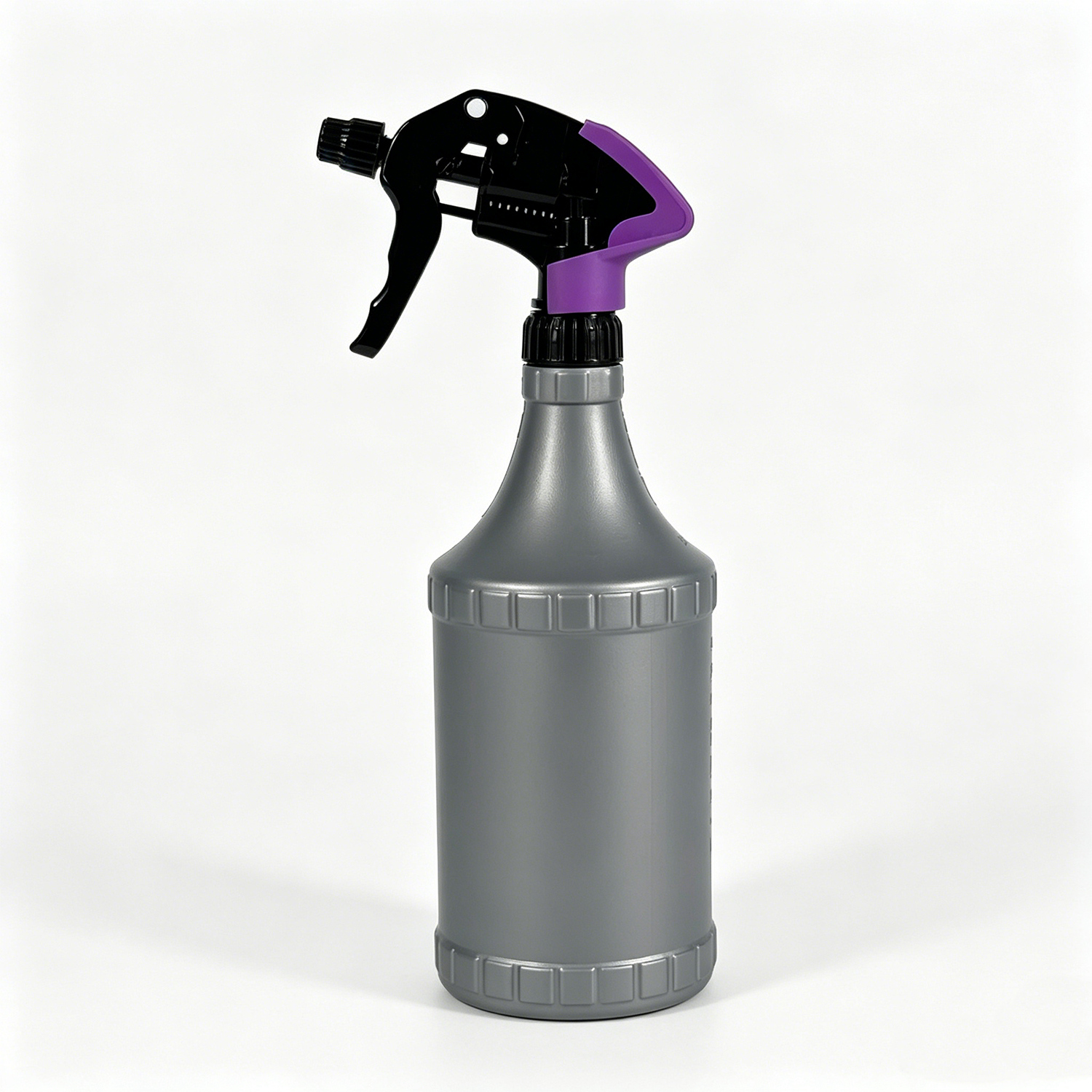
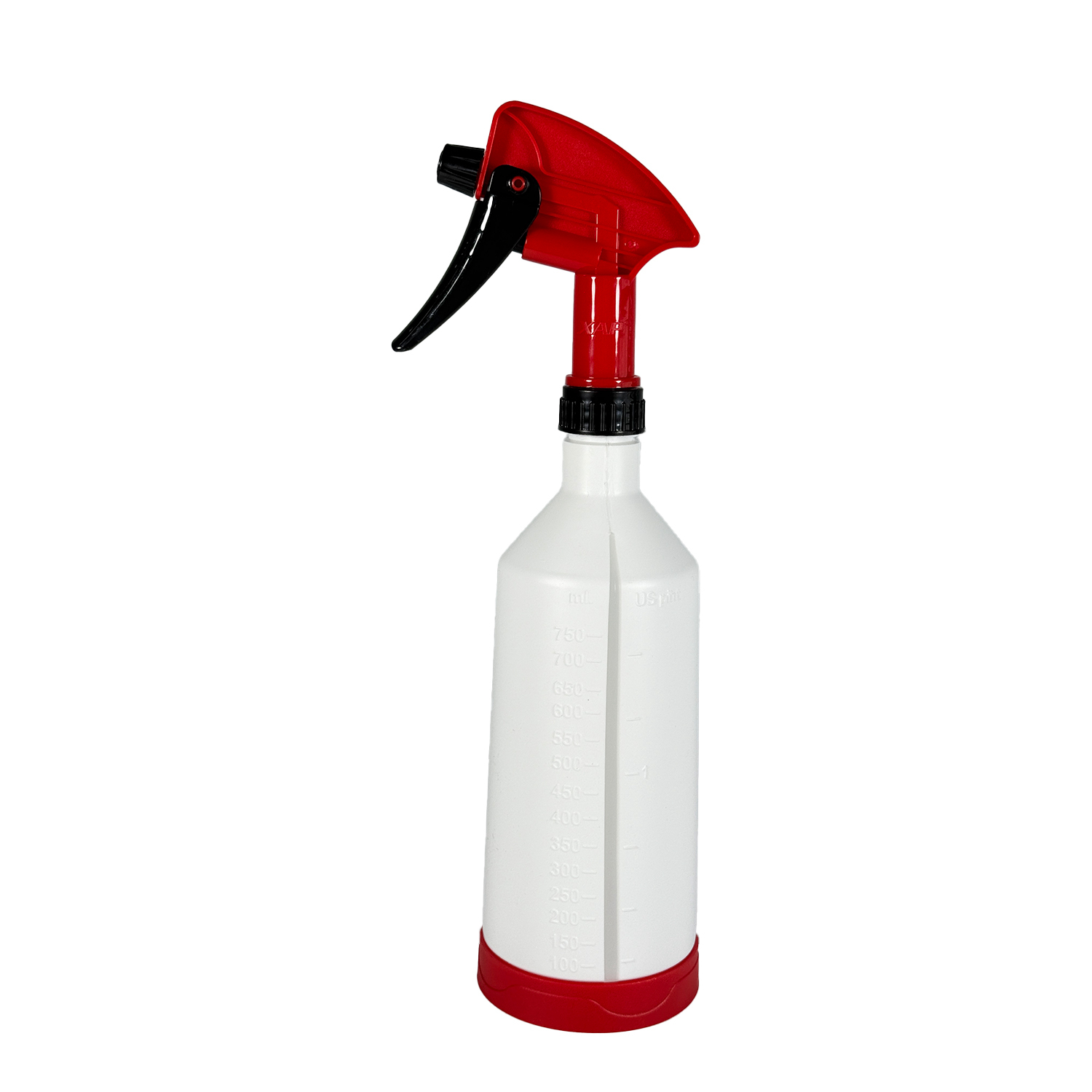
When I compare Handheld vs Backpack Portable Sprayers for Different Workloads, I focus on four practical differences: tank capacity, coverage area, operator positioning, and user fatigue. Handheld sprayers suit small, precise, occasional jobs, while backpack sprayers suit larger areas, longer sessions, and repeated coverage. The correct choice also depends on terrain, spraying frequency, chemical type, nozzle control, and the need to refill during one task. This guide explains how each portable sprayer works and when the extra capacity of a backpack model becomes justified.
!
Key Takeaways
- Handheld sprayers are most practical for spot treatments, small yards, container plants, and occasional residential use.
- Backpack sprayers reduce refill frequency and improve productivity across medium and large outdoor application areas.
- Tank capacity affects carrying weight, work duration, refill labor, and suitability for uneven or restricted terrain.
- Manual pumps offer simple operation, while battery-powered models provide more consistent pressure during repeated applications.
- Nozzle selection, calibration, PPE, cleaning, and chemical separation directly affect application accuracy and safety.
- Move to ATV, UTV, boom, or tow-behind equipment when portable spraying creates excessive fatigue or refill delays.
What Is the Difference Between Handheld and Backpack Sprayers?
The main difference is how the tank is carried and how much liquid the operator can apply before stopping. A handheld sprayer is carried in one hand or supported close to the body, giving the user precise control for short applications. A backpack sprayer rests on the operator’s shoulders and back, allowing a larger tank, longer hose reach, and better productivity over wider areas.
| Factor |
Handheld Sprayer |
Backpack Sprayer |
| Typical role |
Spot treatments and small areas |
Medium and large-area applications |
| Tank capacity |
Small containers, often around 1–3 liters |
Larger tanks, commonly several liters to approximately 20 liters |
| Coverage pattern |
Precise and localized |
Wider and more continuous |
| Operator position |
Held in front or at the side |
Worn on the back while walking |
| Refill frequency |
More frequent on larger jobs |
Less frequent during repeated coverage |
| Fatigue pattern |
Hand, wrist, and arm fatigue |
Back, shoulder, and total-load fatigue |
| Best terrain |
Beds, pots, edges, and confined spaces |
Lawns, fields, rows, slopes, and open properties |
| Pressure control |
Manual or battery-assisted |
Manual pump, battery-powered, or engine-powered |
The comparison is not simply about choosing the larger tank. A full backpack unit can add substantial liquid weight, so the operator must consider slopes, stairs, narrow planting beds, and the duration of each spraying session. For short jobs, the extra capacity may create more carrying burden than productivity benefit.
How Handheld Portable Sprayers Work
A handheld pump sprayer stores liquid in a small tank and uses either manual pressure or a compact battery pump to move the liquid through a hose and nozzle. With a manual model, I pressurize the tank using a pump handle before spraying. With a battery-powered handheld unit, the pump maintains flow without repeated manual pressurization.
The operator controls application by moving the wand, opening the trigger, and selecting a suitable nozzle pattern. A narrow stream is useful for cracks, individual weeds, and targeted pest treatment, while a broader fan pattern can cover leaves or small lawn sections. The useful range depends on the nozzle, liquid viscosity, pressure, wind, and the operator’s walking speed.
Why Use a Handheld Sprayer?
I choose a handheld pump sprayer when precision matters more than uninterrupted coverage. It is useful for treating isolated weeds, applying cleaning chemicals, caring for ornamental plants, disinfecting small areas, and handling occasional maintenance around a home or workshop. The small tank also limits the amount of mixed chemical carried at one time.
Handheld equipment is usually easier to store and clean because fewer parts remain filled after a short task. It can also be a practical option when the application area is divided into separate beds or when the operator must move between ladders, gates, structures, and narrow paths. The main limitation is refill frequency once the job expands beyond localized treatment.
How Backpack Portable Sprayers Work
A backpack sprayer places the liquid tank against the operator’s back and uses a side lever, pump handle, battery pump, or engine-driven pump to create spray pressure. Manual backpack models require periodic pumping, while a battery-powered backpack sprayer supplies pressure through an electric pump and battery system. This allows the operator to maintain a more consistent spray pattern during repeated passes.
Backpack models are designed for walking applications where the user needs both hands available for the wand and hose. That arrangement is useful when treating lawn sections, orchard rows, fence lines, commercial landscapes, agricultural plots, and sloped properties. However, the filled tank becomes part of the operator’s carried load, so harness design, tank balance, padding, and session length affect comfort.
Why Use a Backpack Sprayer?
I use a backpack sprayer when the work area is too large for repeated handheld refills or when the application requires continuous walking. A larger tank can reduce interruptions, and the extended wand or hose improves reach around shrubs, rows, and ground cover. This is particularly useful for landscapers, pest control businesses, farmers, and property maintenance teams.
Backpack sprayers are not automatically the better option for every job. On steep terrain, the combined weight of the tank, liquid, battery, and accessories can increase fatigue and reduce walking stability. For small spot treatments, a backpack unit may also create unnecessary setup, cleaning, and chemical handling work.
Handheld vs Backpack Portable Sprayers: Which Is Best for Different Workloads?
I use a workload threshold rather than a single tank-size rule. For areas that can be treated with one small tank and require only a short application session, a handheld sprayer is normally more efficient because preparation and cleanup remain simple. When the operator must refill repeatedly, carry the sprayer over a broad property, or maintain a consistent walking pattern, a backpack model becomes more practical.
| Workload condition |
More suitable choice |
Reason |
| Individual plants, cracks, edges, or isolated weeds |
Handheld |
Better precision and less liquid carried |
| Small residential yard with occasional treatment |
Handheld or compact battery handheld |
Low setup time and simple storage |
| Medium lawn requiring repeated passes |
Backpack |
Fewer refills and better continuous coverage |
| Commercial landscaping route |
Battery-powered backpack |
Reduced manual pumping during repeated work |
| Agricultural rows or larger plots |
Backpack or larger powered equipment |
Greater capacity and longer operating range |
| Uneven ground, stairs, or narrow beds |
Handheld |
Easier movement and lower carried volume |
| Large open acreage |
ATV, UTV, boom, or tow-behind |
Portable tanks become inefficient at scale |
A useful practical signal is refill frequency. If I must stop several times during one application, I compare the labor cost of mixing, refilling, repressurizing, and restarting against the purchase and maintenance cost of a larger sprayer. If the operator becomes fatigued before the application is complete, capacity alone is not solving the workload problem; the equipment category may need to change.
Core Buying Factors
Portable Sprayer Tank Capacity
Portable sprayer tank capacity affects more than the amount of liquid available. A larger tank reduces refill frequency but increases the weight carried across the property. The correct size should match the application rate, coverage area, terrain, and the operator’s ability to carry the filled unit safely.
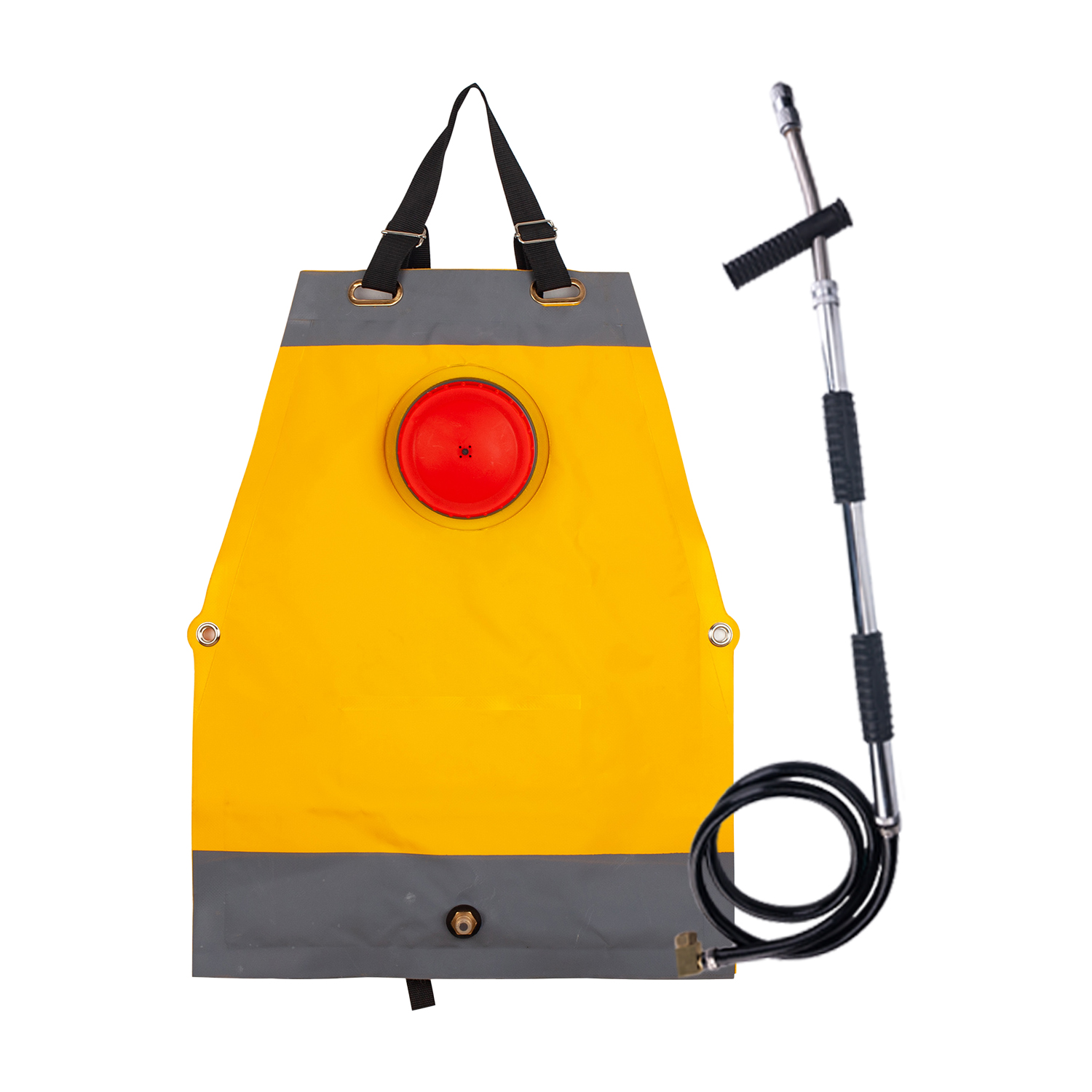
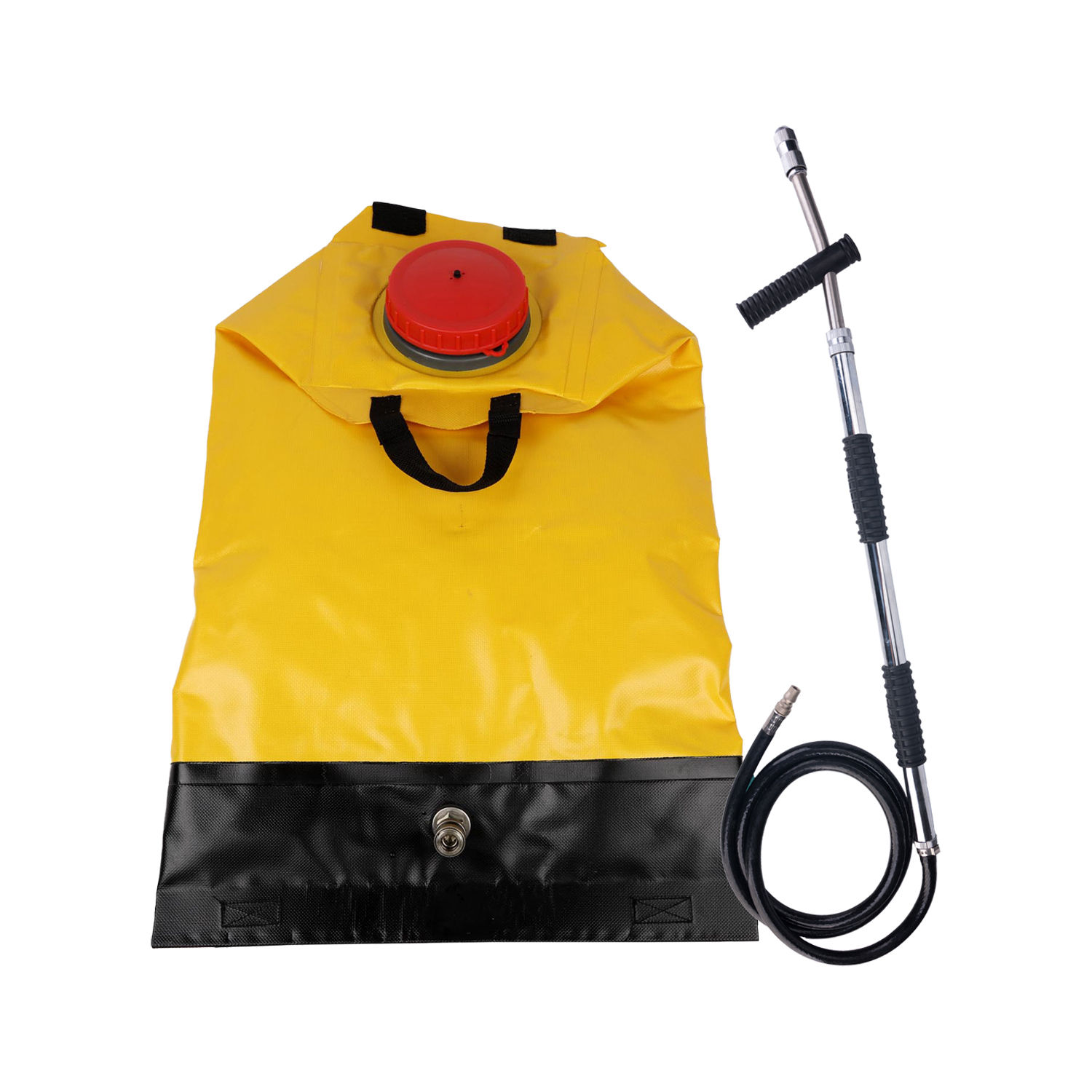
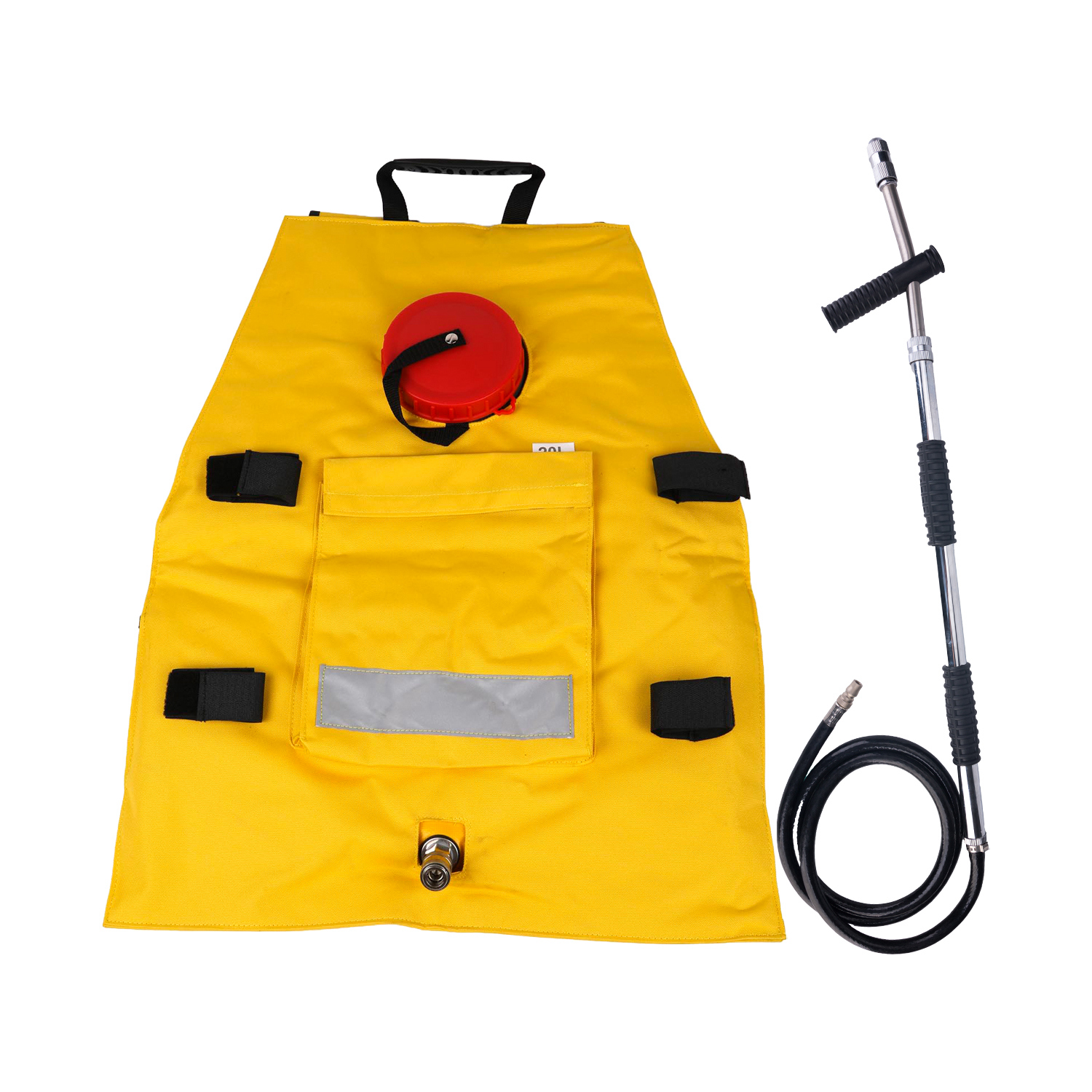
For a small garden or spot-treatment kit, a 1-liter format may be sufficient. Kobold lists a 1L industrial solvent sprayer among its product examples, showing how compact sprayers can serve targeted maintenance tasks. Its product range also includes a 5-gallon firefighting sprayer and a 10L lithium battery ULV sprayer, illustrating how different tank formats support different application requirements.
Pump Type and Pressure Control
Manual pumps are mechanically simple and do not depend on battery charging, but the operator must maintain pressure through repeated pumping. This can create uneven output if the user allows pressure to fall during a pass. Battery-powered pumps reduce manual pumping and can make repeated application more consistent, although they introduce battery charging, storage, and replacement considerations.
Pressure should be matched to the nozzle and target surface. Excessive pressure can increase fine droplets and drift, while insufficient pressure can produce uneven coverage or an unsuitable spray pattern. I prefer models with a pressure-control method that allows the operator to adjust output rather than relying on a single fixed setting.
Nozzle Options
Nozzle selection affects droplet size, spray width, flow rate, and application precision. A cone nozzle may support localized plant treatment, while a flat-fan nozzle can provide a more uniform band across a surface. Adjustable nozzles are convenient, but dedicated interchangeable tips usually provide more repeatable patterns for professional work.
The operator should select the nozzle according to the chemical label, target surface, required coverage, and wind conditions. Calibration should include checking the output over a measured time or area rather than judging coverage only by appearance. This is especially important for herbicides, pesticides, disinfectants, and other products where under-application and over-application create different risks.
Chemical Compatibility and Maintenance
Before purchasing, I check whether the tank, seals, hose, pump, wand, and nozzle materials are compatible with the intended chemical. A sprayer used for herbicide should not automatically be reused for fertilizer, disinfectant, or pest-control chemicals without a documented cleaning process. For frequent commercial use, dedicated equipment for herbicide applications can reduce cross-contamination risk.
After every use, I empty the remaining liquid according to the product label, rinse the tank, flush the hose and wand, clean the nozzle, and inspect seals. Battery-powered units also require attention to charging connectors and battery storage. Regular maintenance should be recorded when the equipment is used by multiple operators.
Safety and Application Quality
I treat calibration and PPE as part of the equipment decision, not as separate concerns. The operator should follow the chemical label for gloves, eye protection, protective clothing, respiratory protection, re-entry restrictions, and mixing instructions. A comfortable sprayer cannot compensate for incorrect chemical handling or poor drift control.
Wind, nozzle pressure, walking speed, and boom or wand height all affect where droplets land. I avoid spraying when conditions can carry droplets toward people, animals, water, food crops, or neighboring property. Operators should also keep clean water available for rinsing and should separate measuring tools used for chemicals from general household equipment.
A simple equipment-control system includes color-coded tanks, dedicated hoses, labeled containers, and a written cleaning checklist. These measures reduce the chance that residue from one application will affect the next. They also make training easier when a landscaping or pest control business has several operators using the same equipment.
Manual Versus Battery-Powered Models
Manual handheld sprayers generally have fewer electronic components and can be ready whenever the operator has mixed liquid and inspected the seals. Their limitations appear during long sessions, when repeated pumping can affect pressure consistency and operator comfort. They remain suitable for occasional users who value simple storage and low maintenance complexity.
Battery-powered handheld and backpack sprayers reduce manual pumping and can support more consistent output across repeated applications. Their total cost includes the unit, battery, charger, replacement battery capacity, and eventual battery replacement. Before choosing one, I check expected session length, charging access, battery interchangeability, and whether the motor and pump can be serviced.
Total-Cost Comparison
Purchase price is only one part of the financial comparison. I calculate total cost using the following categories:
- Initial sprayer and nozzle cost
- Batteries, chargers, or fuel
- Chemical mixing and refill labor
- Cleaning water and maintenance time
- Replacement seals, hoses, filters, and nozzles
- Battery replacement or pump repair
- Downtime caused by charging, refilling, or breakdowns
- Training and safety equipment for additional operators
A handheld sprayer may have a lower purchase price but create more refill labor on larger properties. A backpack sprayer may reduce interruptions but require more attention to harness condition, pump maintenance, battery care, and chemical decontamination. The most economical choice is the one that minimizes total cost per completed application rather than the one with the lowest listed price.
Portable Sprayer Manufacturer: Kobold
When I evaluate a Portable Sprayer Manufacturer, I look for evidence that the company supports more than one application category. Kobold identifies Taizhou Kobold Sprayer Co., Ltd. as a manufacturer serving automotive maintenance, gardening, agriculture, cleaning, sanitation, and firefighting applications. Its listed product categories include battery sprayers, pressure sprayers, ULV sprayers, hose-end sprayers, fire-fighting sprayers, and specialty spray equipment.
Kobold also describes OEM and ODM services covering design, molds, injection molding, assembly, packaging, color, and logo customization. The company reports 22 years of industry experience, more than 500 served clients, and more than 50 active patents. It also lists quality processes covering incoming, in-process, and outgoing inspection, with references to ISO 9001, CE, UL, and GS-related certifications.
For a buyer comparing suppliers, those details are relevant when the requirement involves private labeling, multiple tank formats, custom components, or distribution across more than one market. I would still request product-specific test records, chemical compatibility data, nozzle specifications, warranty terms, replacement-part availability, and sample units before placing a production order. Manufacturer-level claims should be checked against the exact model being purchased.
When to Move Beyond Handheld or Backpack Equipment
A handheld or backpack sprayer is no longer the right category when the workload requires continuous treatment across large acreage, repeated daily use, or a wide boom pattern. At that point, I compare ATV-mounted, UTV-mounted, ride-on, boom, or tow-behind sprayers. These systems can increase tank capacity and application width while reducing the amount of liquid carried directly by the operator.
The escalation decision should consider application frequency, travel distance, terrain, refill logistics, and labor availability. If two operators are needed mainly because one person must refill or rest, a vehicle-mounted system may produce a clearer productivity gain than purchasing additional handheld units. The equipment must still match the chemical, nozzle, pressure, and calibration requirements of the application.
How to Choose Between a Handheld and Backpack Sprayer
| If your priority is... |
Choose... |
Because... |
| Precise treatment of individual targets |
Handheld |
Easier wand control and lower liquid volume |
| Occasional home use |
Handheld |
Simpler storage, setup, and cleaning |
| Fewer refills across a medium property |
Backpack |
Larger capacity supports longer passes |
| Reduced manual pumping |
Battery-powered backpack |
Electric pumping supports repeated coverage |
| Narrow paths, stairs, or dense beds |
Handheld |
Lower profile and easier movement |
| Daily commercial landscaping |
Backpack or vehicle-mounted unit |
Better labor efficiency for repeated work |
| Agricultural or large-property applications |
Larger powered system |
Portable tanks may not provide enough capacity |
| Minimum cross-contamination risk |
Dedicated sprayer |
Keeps incompatible chemical residues separated |
Conclusion
Handheld vs Backpack Portable Sprayers for Different Workloads comes down to workload size, application precision, refill frequency, terrain, and operator fatigue. I recommend a handheld unit for small yards, spot treatments, ornamental plants, occasional home use, and jobs where precise placement matters more than coverage speed. I recommend a backpack sprayer for medium properties, repeated landscaping work, agricultural rows, pest-control routes, and applications that require longer uninterrupted passes.
Before buying, I would measure the treatment area, identify the application rate, estimate refill frequency, select compatible materials, and compare manual pumping with battery operation. I would also calculate maintenance, battery, cleaning, and labor costs instead of comparing purchase prices alone. When the workload exceeds what one operator can safely carry or complete efficiently, the next step is an ATV, UTV, boom, ride-on, or tow-behind sprayer rather than a larger handheld unit.

 Hose End Sprayer
 Agriculture & Garden
 Cleaning & Disinfection
 Specialty Products