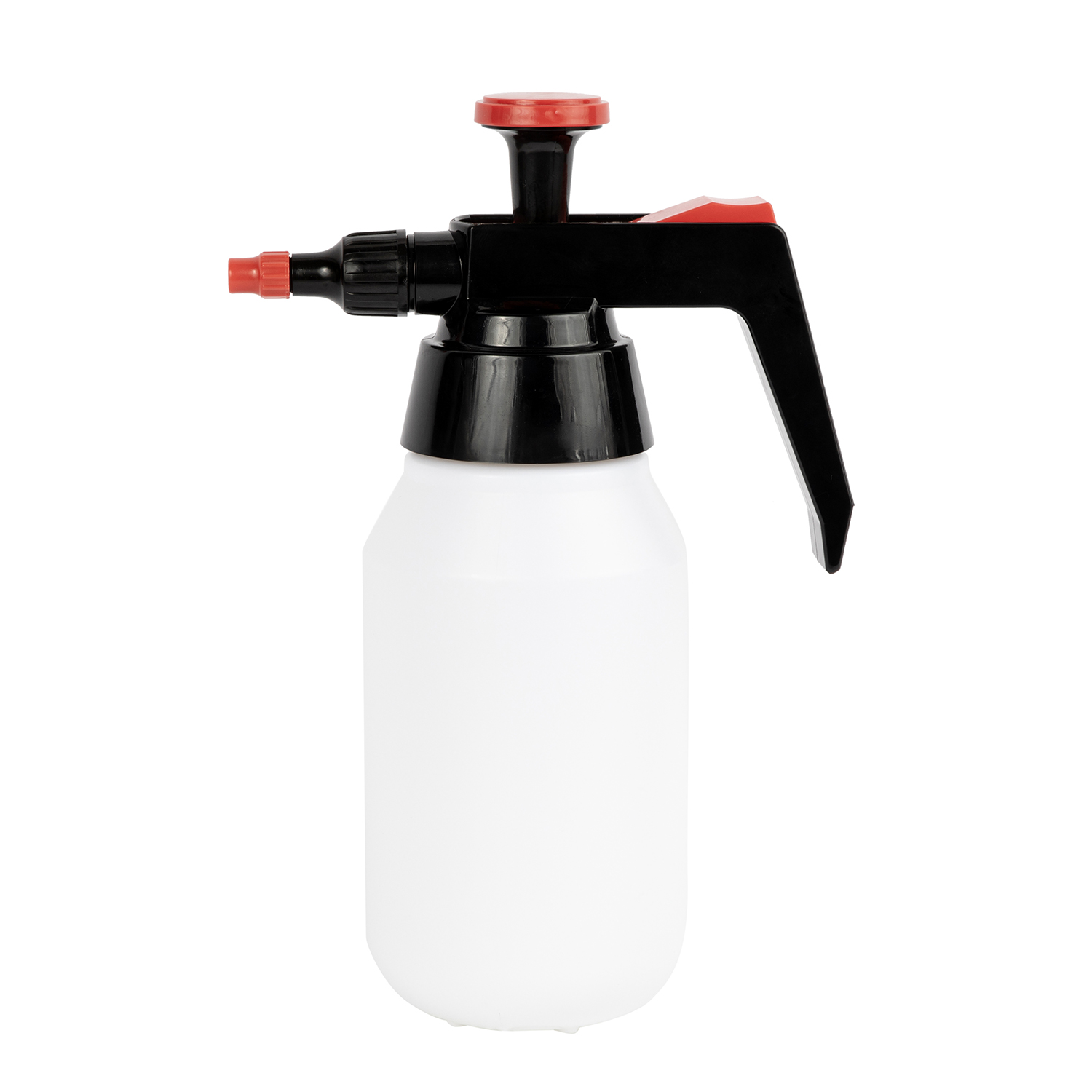
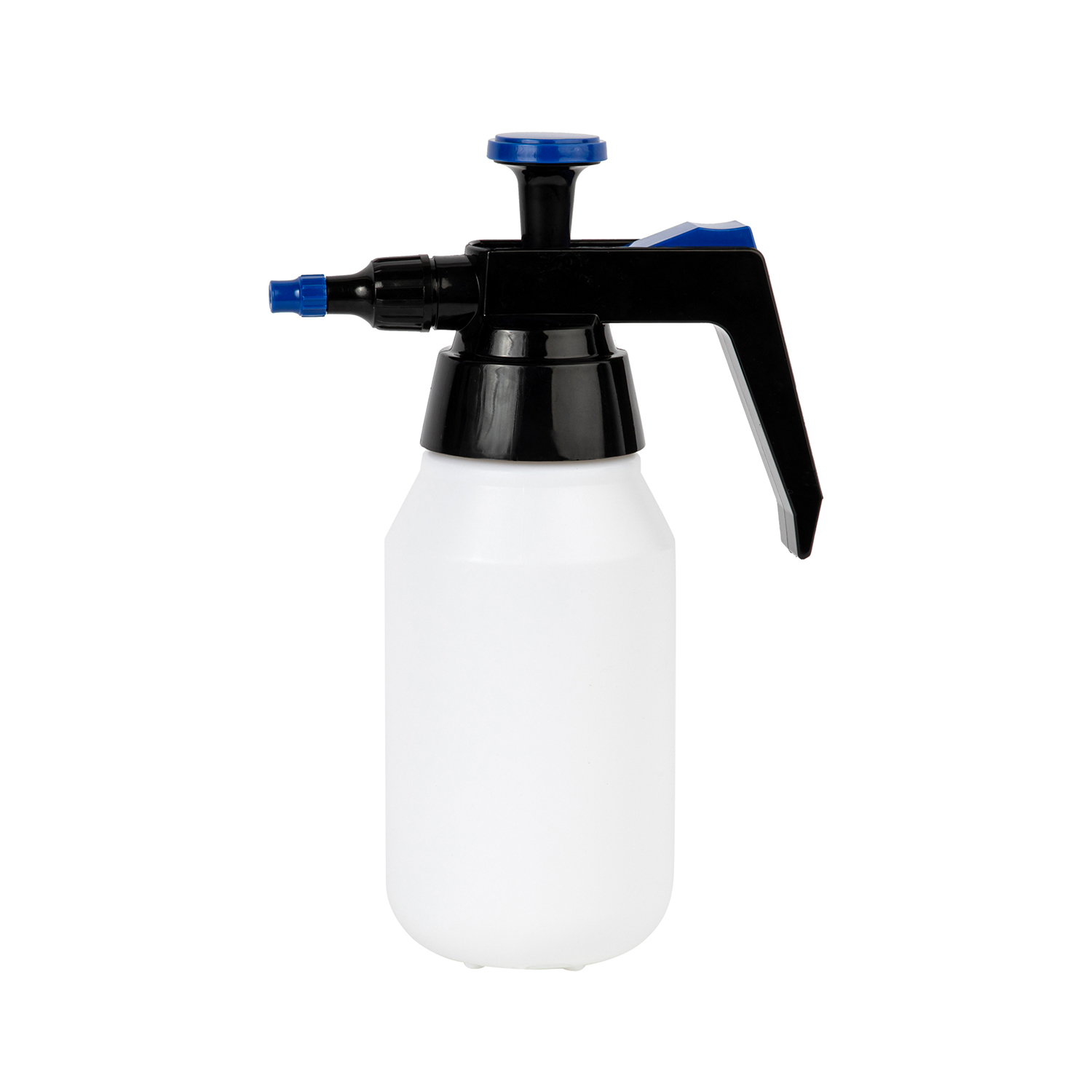
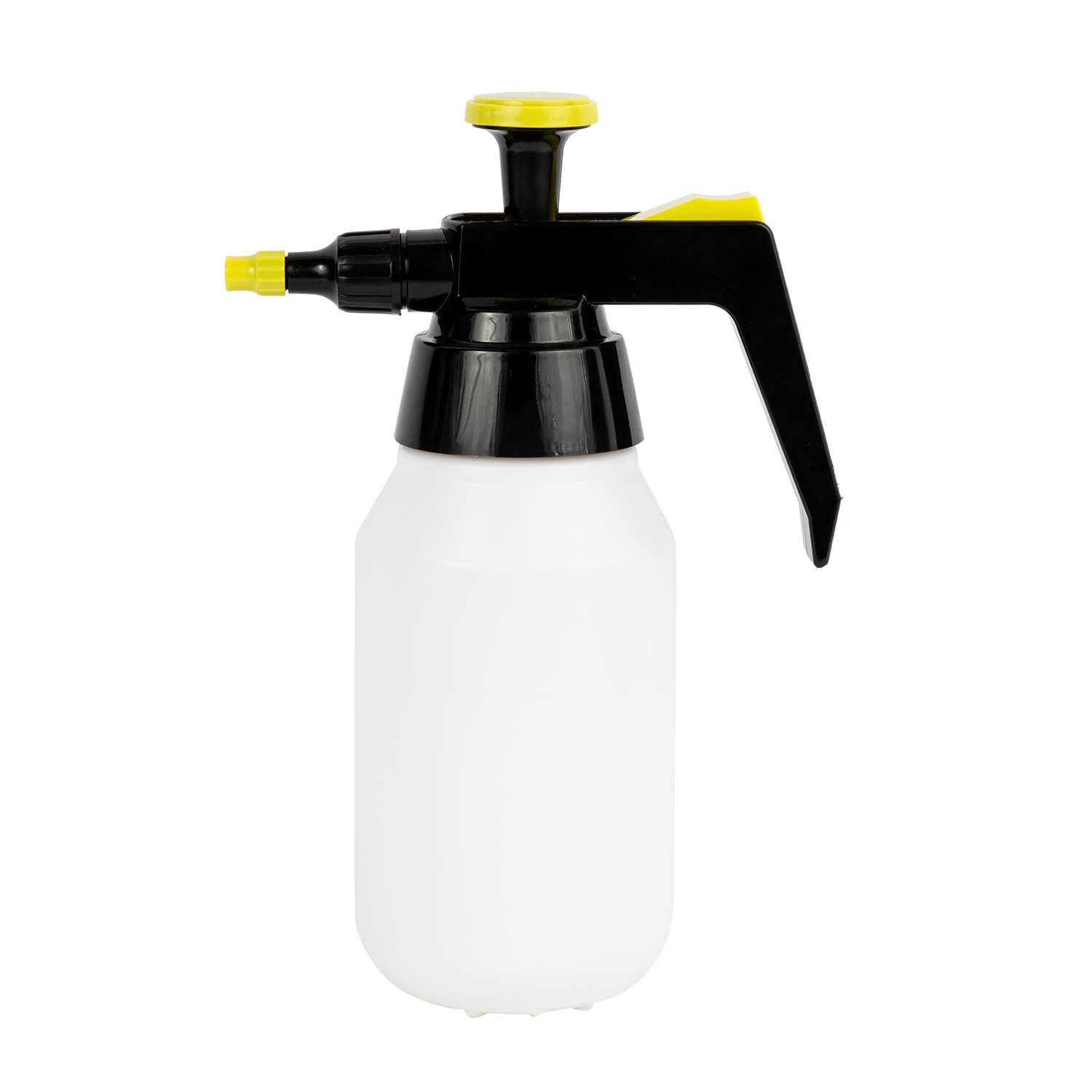
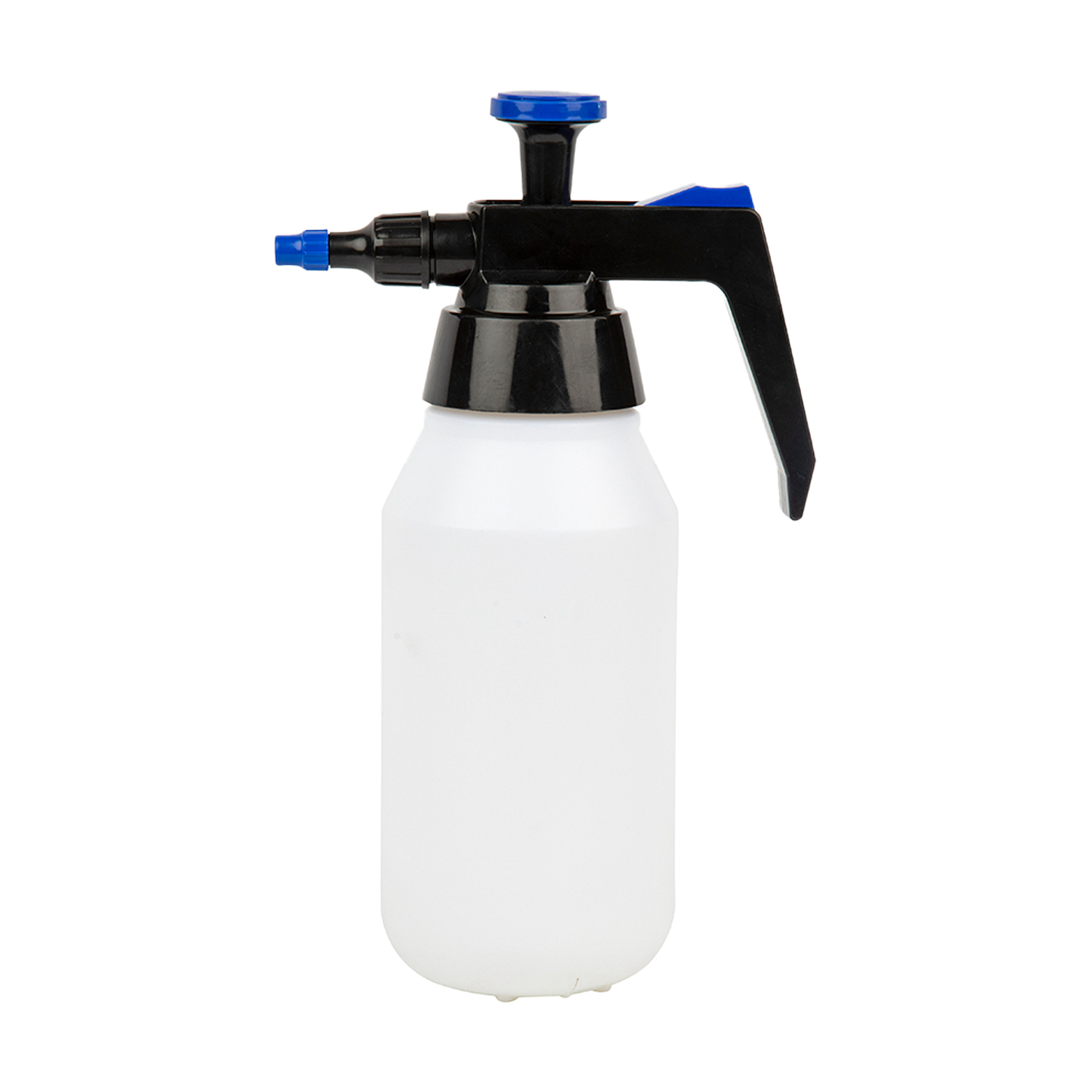
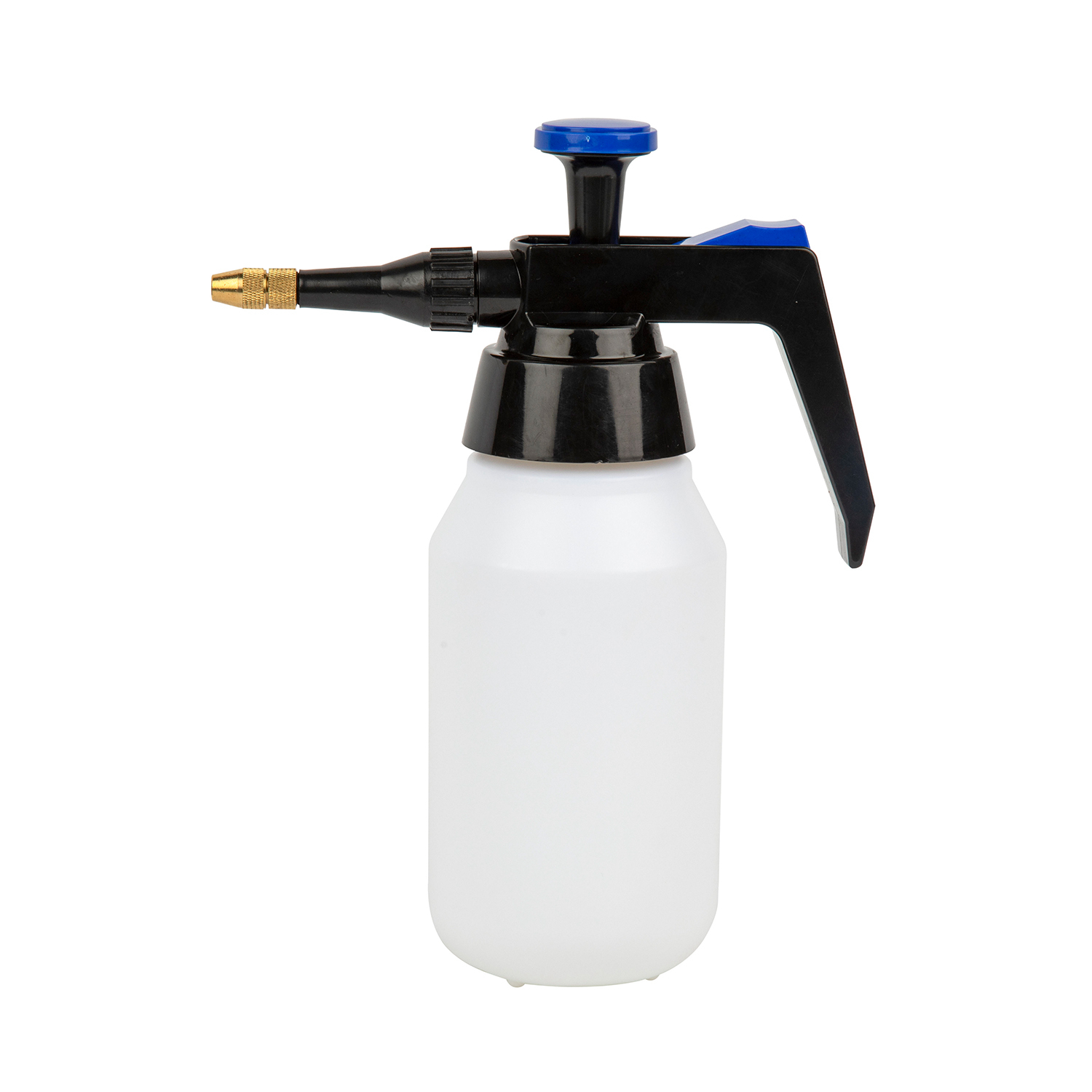
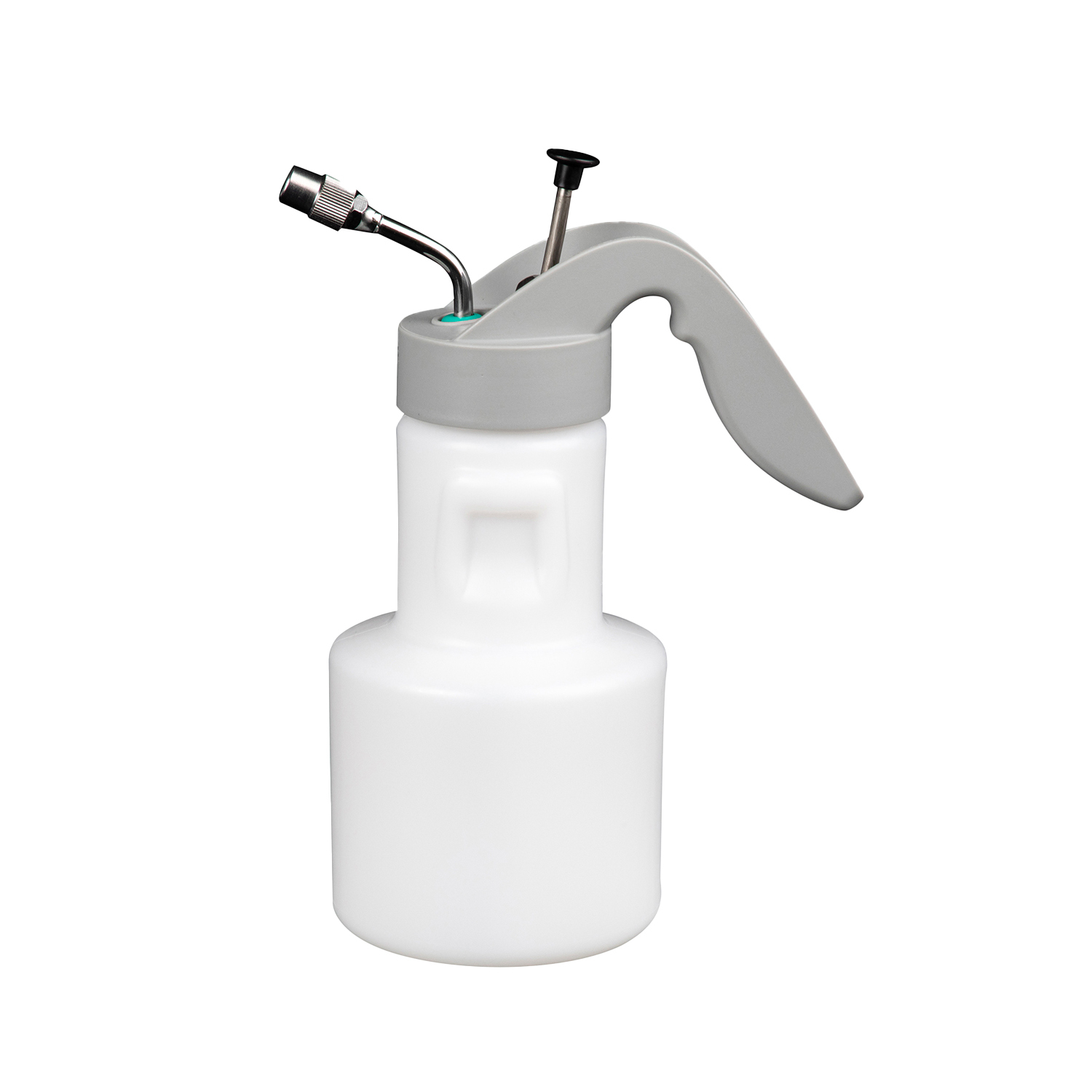
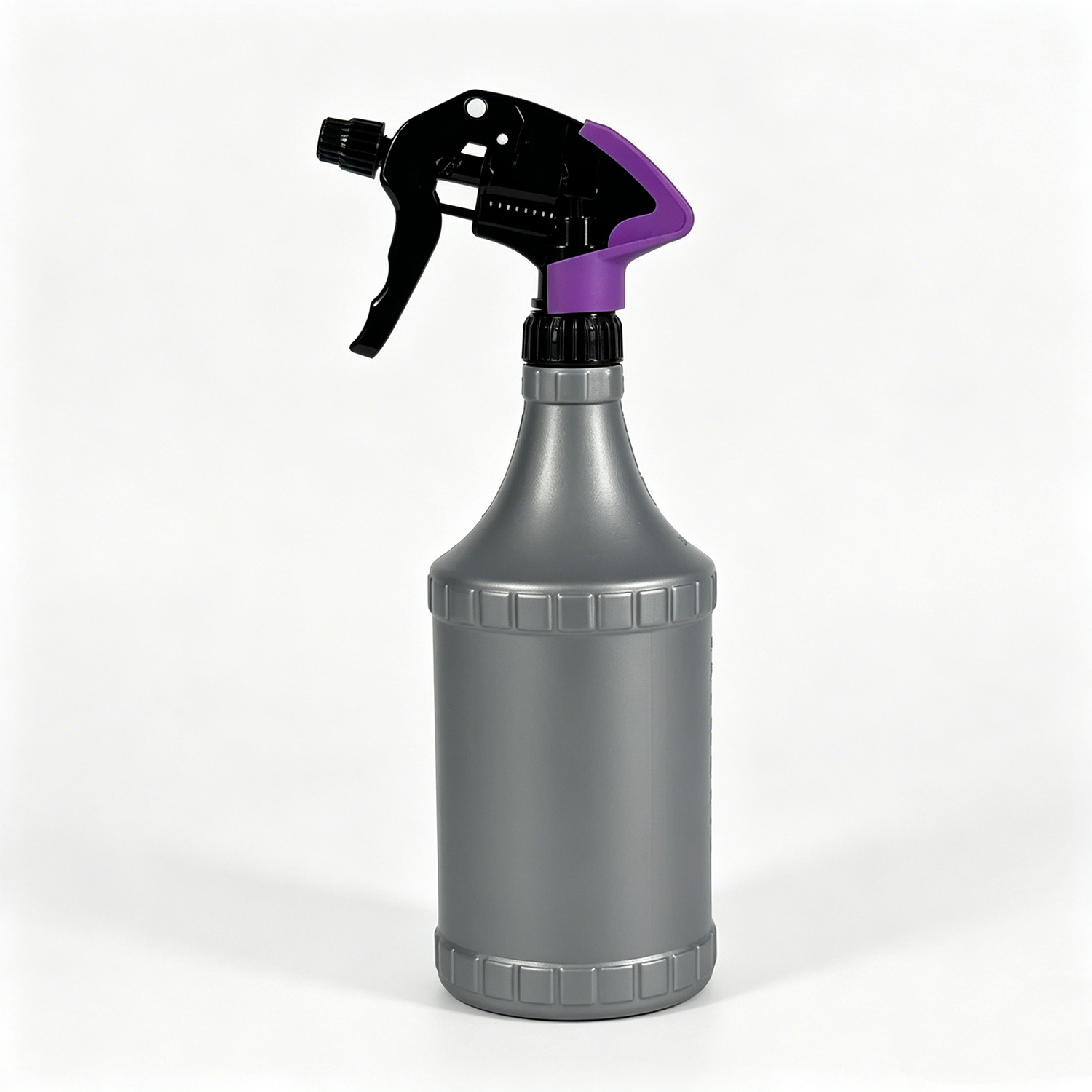
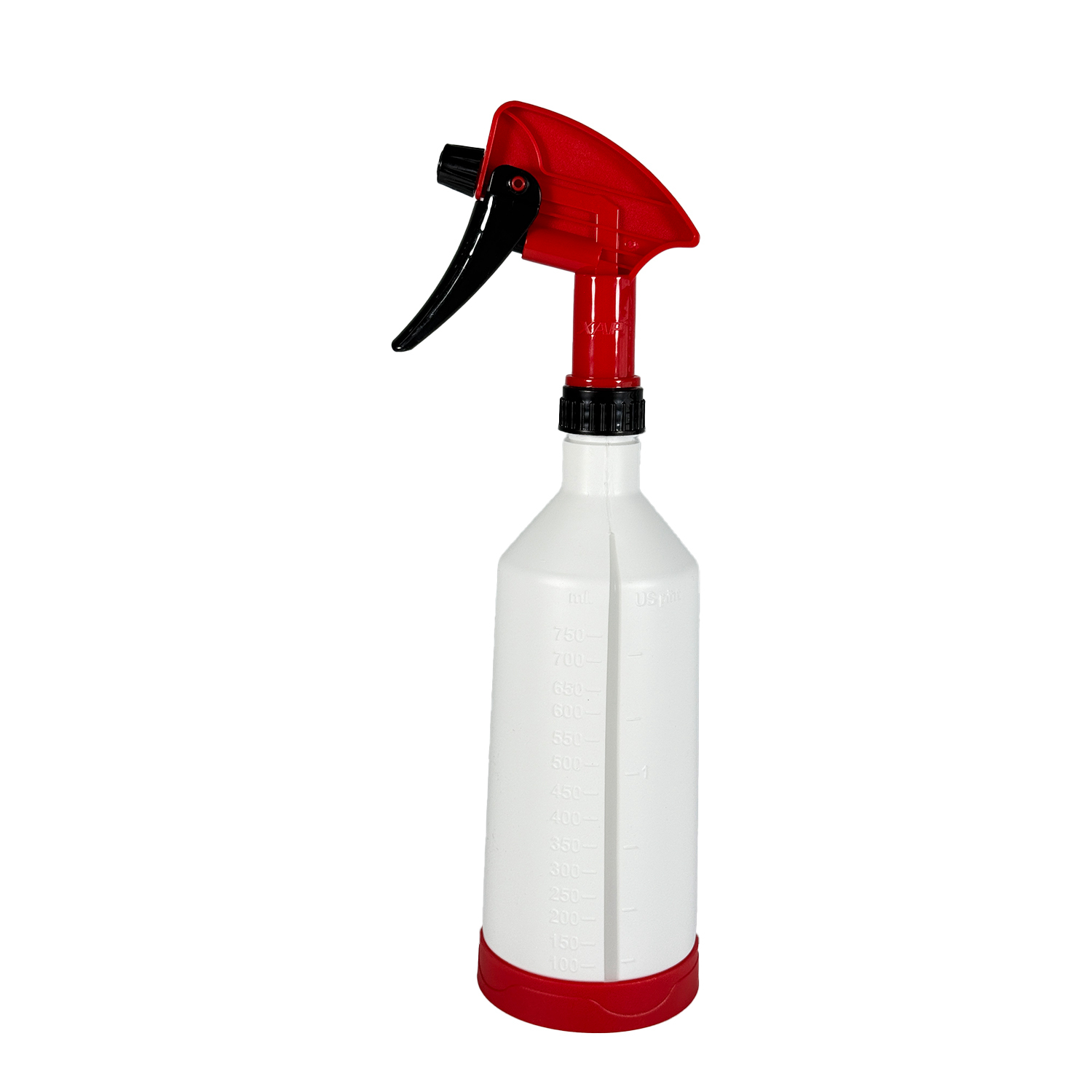
A Daily Maintenance Routine for Professional Gun Wash Sprayers includes depressurizing the unit, verifying solvent compatibility, flushing the pump and fluid passages, cleaning the spray gun and nozzle, inspecting filters and seals, checking leaks, drying exposed parts, and recording the results. I use this sequence to protect cleaning performance, reduce avoidable downtime, and identify repair needs before the next shift.
Professional gun wash sprayers operate in a demanding environment because paint residue, solvent vapor, compressed air, and abrasive particles can affect the pump, hose, trigger, nozzle, fittings, and seals. A routine cleaning may remove visible residue, but maintenance also checks pressure, fluid movement, component condition, storage readiness, and chemical compatibility. For an auto body shop or collision repair business, these additional checks help prevent a small restriction from becoming a production interruption.
!
Kobold supplies sprayer equipment for automotive maintenance and lists a Pro Gun Wash Sprayer for spray-gun cleaning applications. Its company information describes experience across automotive maintenance, cleaning, agriculture, gardening, sanitation, and firefighting, with OEM and ODM services covering design, molds, production, packaging, and branding. The following routine is written for professional operators using solvent-based or water-based gun-wash equipment, but the equipment manual and chemical safety data must control whenever they specify different procedures.
Key Maintenance Principles
I treat gun wash sprayer maintenance as a control process rather than a single cleaning action. The operator must manage three areas every day: the fluid path, the spray-gun interface, and the safety condition of the equipment. If one area is ignored, the sprayer may still appear functional while pressure falls, solvent flow weakens, or contaminated fluid reaches the spray gun.
The most important distinction is between routine cleaning and preventive maintenance. Routine cleaning removes paint residue after use, while preventive maintenance verifies filters, seals, fittings, pressure behavior, hose condition, and storage protection. A complete inspection also creates a record that helps the shop decide whether to clean, repair, replace a component, or schedule professional service.
What I Prepare Before Maintenance
Before starting, I prepare the following items:
- Compatible cleaning solvent or approved water-based cleaning fluid.
- Paint Spray Gun Cleaner Bottle for controlled application to small passages and external residue.
- Nitrile or chemical-resistant gloves selected for the solvent in use.
- Chemical splash goggles and protective clothing.
- Lint-free cloths and non-metallic cleaning brushes.
- Replacement filter elements, seals, O-rings, or nozzle components if required.
- A waste container approved for the solvent and contaminated materials.
- A maintenance checklist with operator name, date, time, condition, and corrective action fields.
I never assume that one cleaning fluid is suitable for every sprayer, seal, hose, or paint system. The fluid must be checked against the equipment manual and the solvent supplier’s compatibility information. Strong aromatic, ketone, or aggressive solvent systems can damage elastomers that are suitable for water-based cleaners, so seal swelling, hardening, cracking, or leakage must be treated as compatibility warnings.
Daily Maintenance Routine for Professional Gun Wash Sprayers: Step-by-Step Checklist
1. Isolate and Depressurize the Sprayer
I begin by stopping the pump or closing the compressed-air supply, depending on the equipment design. I then point the spray outlet into the approved waste container and release residual pressure according to the manufacturer’s instructions. I do not loosen a hose, filter housing, fitting, or nozzle while the system may still contain pressure.
The operator records the shutdown time and confirms that pressure has returned to zero or to the equipment’s specified safe condition. If pressure remains trapped after the normal release procedure, I stop work and escalate the issue rather than forcing a connection open. A pressure problem at this stage may indicate a blocked valve, faulty regulator, restricted return path, or damaged control component.
2. Verify Solvent, Ventilation, and Personal Protection
I check the solvent label, safety data sheet, and equipment compatibility before adding fluid. The work area must have the ventilation required for the solvent, and ignition sources must be controlled when flammable cleaning fluids are involved. I also verify that gloves, eye protection, and protective clothing are appropriate for the chemical rather than relying on general workshop PPE.
The waste container must remain closed when not receiving waste, and used solvent must not be poured into floor drains, sinks, soil, or general trash. I separate solvent waste from absorbent materials when site procedures require separate handling. If the solvent has changed color, developed suspended solids, or contains a heavy paint load, I label it for disposal or approved recovery instead of returning it to a clean-fluid container.
3. Flush the Pump, Hose, and Fluid Passages
I flush the pump and hose with a compatible cleaning fluid until the discharge becomes visually consistent with the fresh fluid being used. The process must include the pump chamber, suction path, hose, valve, trigger assembly, and outlet passage rather than only the exposed nozzle. For paint spray gun cleaning system maintenance, I pay particular attention to dead legs and low points where residue can settle.
I use controlled flow instead of unnecessarily long flushing cycles. A practical shop record can include the starting fluid condition, flushing duration, and discharge observation, such as clear, cloudy, particulate-loaded, or restricted. If flow remains weak after flushing, I inspect the filter, inlet screen, nozzle, hose, and valve before increasing pressure.
4. Clean the Spray Gun, Tip, and Nozzle
I remove paint residue from the spray gun immediately after use because dried coating is harder to dissolve and can damage small passages during mechanical cleaning. I clean the fluid nozzle, air cap, needle area, trigger contact points, and cup or inlet connection with a compatible fluid and a non-metallic brush. I avoid using steel wire or sharp tools that can enlarge a precision orifice and change the spray pattern.
The spray gun should not be left submerged indefinitely in gun wash. Short contact may be suitable for specific removable components, but prolonged soaking can affect seals, lubricants, finishes, or adhesive joints. I follow the gun manufacturer’s instructions and apply cleaning fluid with a Paint Spray Gun Cleaner Bottle when targeted application is safer than immersing the entire assembly.
5. Inspect Filters and Replace Them When Required
I inspect the inlet filter, fluid-line filter, nozzle screen, and any return or ventilation filter fitted to the sprayer. The inspection should identify paint flakes, thick residue, deformation, tears, hardened deposits, or a filter element that has collapsed under flow conditions. A filter that looks only moderately dirty can still cause pressure loss if its effective area is reduced.
I record the filter condition and replacement date rather than replacing components without a record. If the filter is reusable, I clean it only with an approved method and confirm that the mesh is open after cleaning. If the element is damaged, permanently blocked, or chemically degraded, I replace it with the correct material, size, and filtration specification.
6. Check Seals, Fittings, Hose, and Nozzle Condition
I inspect O-rings, gaskets, valve seats, hose ends, quick-connect fittings, clamps, and threaded joints for swelling, cuts, flattening, cracking, or solvent softening. I also check whether fittings are loose or wet with unexplained fluid. A small leak can introduce air into the fluid path, reduce cleaning force, and expose workers to solvent.
I examine the hose for abrasion, kinks, blistering, exposed reinforcement, and contact with sharp bench edges. The spray nozzle must be secure, free of deformation, and aligned with the intended spray direction. I do not continue operating a hose or seal that shows structural damage simply because the sprayer still produces fluid.
7. Wipe the Exterior and Check Operating Controls
I wipe the tank, pump housing, handle, trigger, control valve, and work surface with a compatible cloth. Exterior residue can conceal leaks, make controls difficult to operate, and transfer solvent or paint to gloves and nearby equipment. I avoid flooding switches, pressure controls, gauges, or electrical parts with cleaning fluid.
I operate the trigger or valve briefly after reassembly to confirm smooth movement and consistent fluid delivery. The pressure check should compare the current behavior with the equipment’s normal operating range, not with an arbitrary maximum. Low pressure, pulsing, delayed flow, or unusual noise should be recorded as symptoms for gun wash sprayer troubleshooting.
8. Dry, Protect, and Store the Equipment
After flushing, I drain excess fluid from the hose and gun interface according to the equipment instructions. I leave removable parts in a controlled, ventilated location and protect clean openings from dust without sealing in solvent vapor. I do not store the sprayer with an incompatible fluid, excessive paint sludge, or a wet exterior.
For longer storage, I use only the protective fluid specified for the pump, seals, and fluid passages. Some systems require a storage fluid to prevent drying, while others require draining and rinsing. The correct choice depends on the pump design, seal material, and chemical system; an unsuitable oil or preservative can contaminate the next cleaning cycle.
Standard Operator Checklist and Sign-Off Record
A standardized record makes the routine repeatable across different technicians and shifts. I recommend using one checklist per sprayer and retaining the records according to the shop’s equipment-control policy. The sign-off fields should identify who performed the inspection, what was found, and whether the equipment was released for service.
| Inspection item |
Condition to verify |
Record or escalation trigger |
| Pressure isolation |
Pump stopped and residual pressure released |
Escalate if pressure remains trapped |
| Cleaning fluid |
Compatible, labeled, and free from heavy contamination |
Replace or isolate if contaminated |
| Pump and hose flush |
Consistent fluid flow without pulsing |
Escalate weak or intermittent flow |
| Spray gun and nozzle |
Passage open; no dried coating or deformation |
Clean, replace, or remove from service |
| Filters |
Mesh open; no tears or collapse |
Replace if damaged or blocked |
| Seals and fittings |
No swelling, cracks, or wet joints |
Replace or repair leakage |
| Exterior and controls |
Clean, dry, and operational |
Escalate damaged controls |
| Waste handling |
Container closed and correctly labeled |
Transfer waste under site procedure |
| Storage condition |
Protected from dust and incompatible fluid |
Correct before shift close |
| Sign-off |
Operator, date, time, findings, action |
Supervisor review for unresolved defects |
Paint Spray Gun Cleaning System Maintenance: Supplies and Components
The correct maintenance products should support the chemistry of the entire system, not just the visible spray gun. I select cleaning solvent, storage fluid, brushes, filters, seals, and hose materials as a compatible group. Product selection should consider paint type, solvent strength, operating temperature, pump design, elastomer material, and waste-handling requirements.
A Paint Spray Gun Cleaner Bottle is useful for applying a controlled amount of cleaning fluid to the nozzle, air cap, trigger area, and small external passages. I use it to avoid unnecessary soaking and to reduce uncontrolled fluid application around gauges, switches, or bench surfaces. It does not replace flushing of the pump, hose, and internal passages.
Kobold identifies automotive maintenance and spray-gun cleaning as part of its product range and describes manufacturing control across design, mold making, injection molding, assembly, and inspection. The company also lists ISO 9001, CE, UL, and GS-related compliance claims for its product portfolio. For a purchasing team, these statements should be verified against the exact model, certificates, technical documents, and solvent compatibility data before a maintenance program is standardized.
Gun Wash Sprayer Troubleshooting
Low pressure usually results from a restricted filter, blocked nozzle, inadequate fluid level, air entering the suction path, a loose fitting, a worn seal, or a pump problem. I troubleshoot from the simplest point to the most complex: confirm the fluid level, inspect the inlet screen, check the hose, clean the nozzle, examine fittings, and then review the pump and regulator. Increasing pressure before finding the restriction can damage components or create an unsafe spray condition.
Weak solvent flow can also occur when the cleaning fluid is too viscous, contaminated with paint solids, or incompatible with the pump temperature range. I compare the current fluid with the approved specification and inspect whether residue has settled in the tank or suction path. If the flow improves after filter replacement but declines again quickly, the tank and return path may require a deeper cleaning.
Leaks require immediate attention because they affect both equipment performance and chemical exposure risk. I stop the sprayer, depressurize it, identify the leak location, and inspect the corresponding O-ring, hose end, valve, fitting, or tank connection. I do not compensate for a leak by tightening every fitting forcefully, because excessive torque can damage threads, crack housings, or deform seals.
Clogs are best prevented by flushing before paint residue dries, filtering contaminated solvent, keeping containers closed, and inspecting the nozzle after each shift. I also avoid mixing incompatible cleaning fluids in the same tank unless the manufacturer’s procedure permits it. If recurring clogs continue after daily flushing and filter control, I review paint solids, solvent condition, operator technique, and the equipment’s internal passage design.
Service Frequency and Escalation Rules
Daily maintenance should be completed at the end of every operating day and whenever the sprayer changes between incompatible cleaning fluids. A more detailed inspection should be scheduled weekly or after a defined number of operating cycles, based on the equipment manual and shop workload. Filters, seals, nozzles, and hoses should not be assigned a universal replacement interval without considering solvent exposure, usage volume, and inspection findings.
I schedule professional service when the sprayer repeatedly loses pressure, leaks after seal replacement, produces inconsistent flow, develops unusual pump noise, or cannot be cleaned through normal flushing. Service is also appropriate when the operator finds cracked housings, damaged pressure controls, electrical faults, or chemical attack on structural components. A repair decision should compare parts cost, labor, downtime risk, and the condition of the pump and tank rather than relying only on the equipment’s age.
Conclusion
A Daily Maintenance Routine for Professional Gun Wash Sprayers should combine pressure isolation, solvent verification, pump and hose flushing, spray-gun cleaning, filter inspection, seal checks, leak detection, waste control, safe storage, and written sign-off. I recommend beginning with a one-page checklist and requiring operators to record abnormal pressure, restricted flow, damaged filters, leaks, and replacement parts on the same shift.
For small auto body shops, this approach keeps maintenance practical without turning every cleaning cycle into a major service event. For larger collision repair businesses, the checklist creates consistent records across technicians and provides clear escalation triggers for supervisors. The next action is to identify the approved solvent, confirm material compatibility, label waste containers, stock filters and seals, and train every operator to complete the inspection before the sprayer is returned to service.

 Hose End Sprayer
 Agriculture & Garden
 Cleaning & Disinfection
 Specialty Products