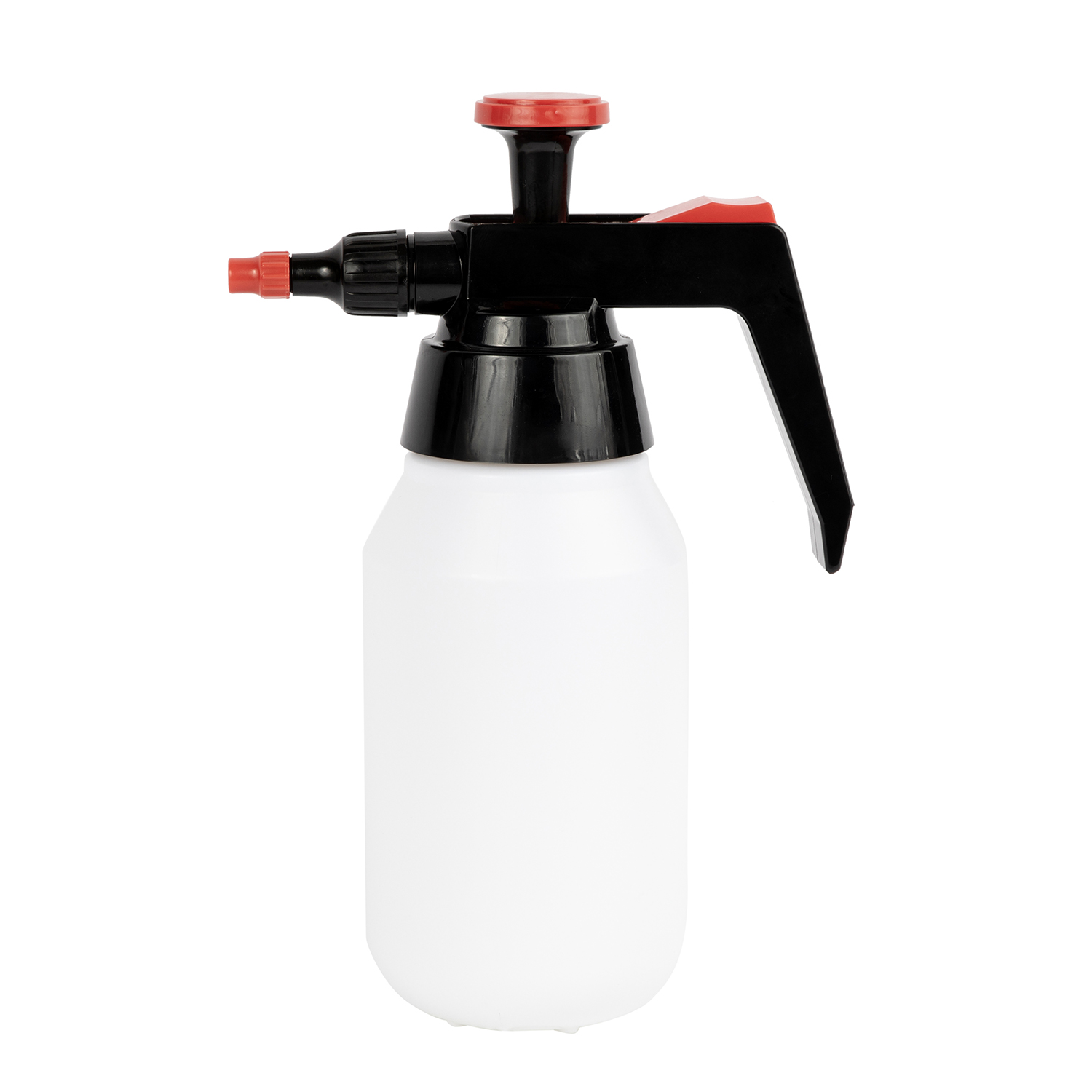
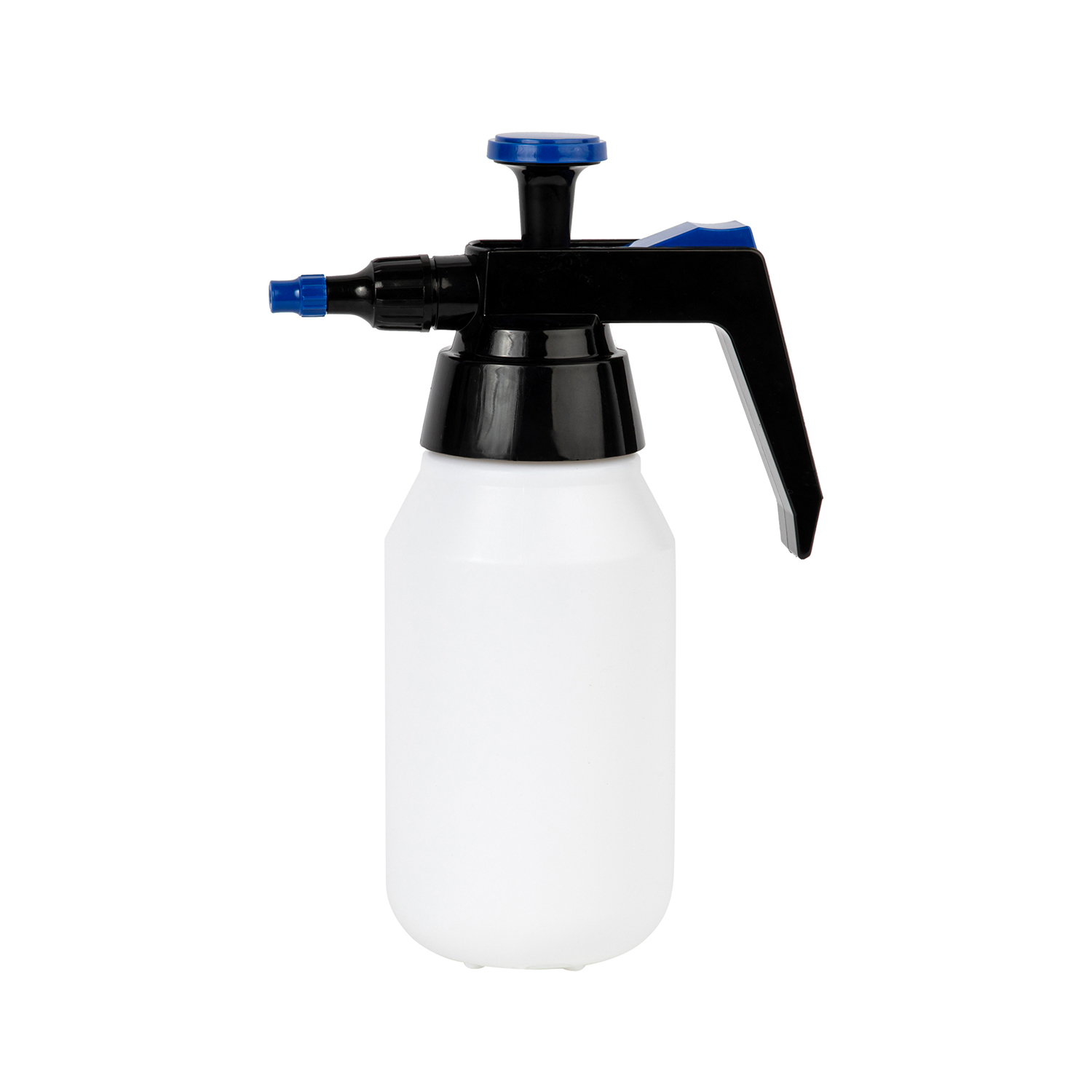
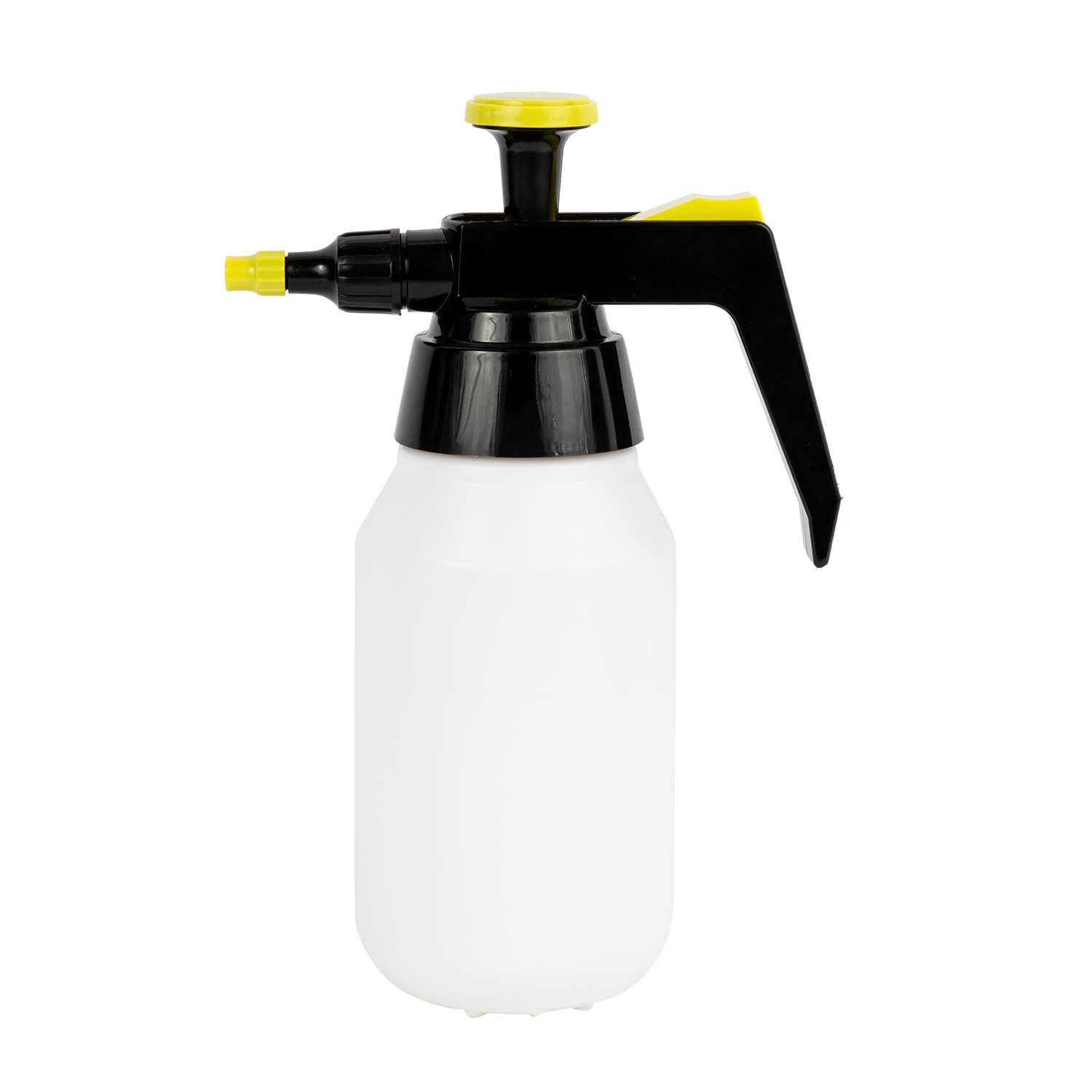
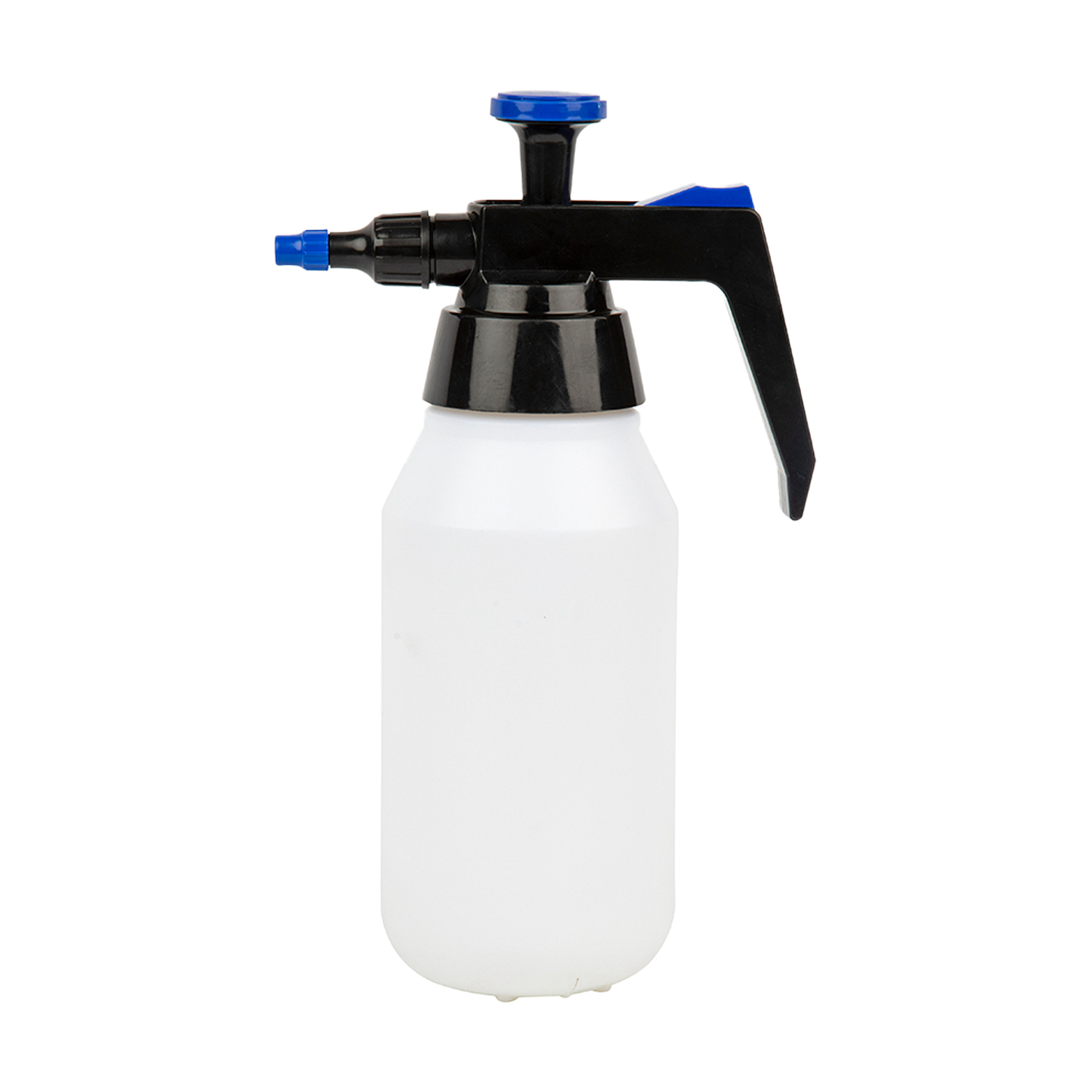
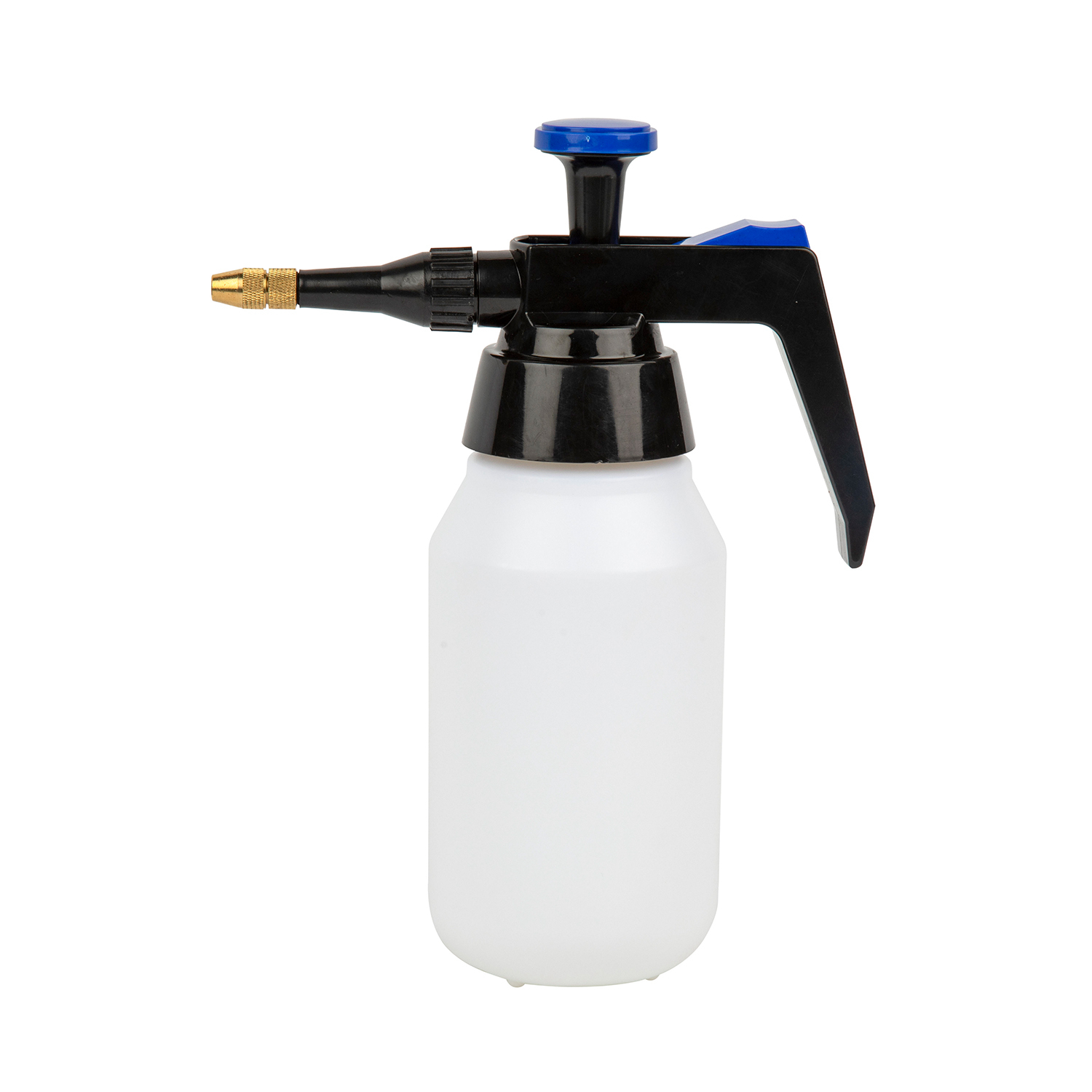
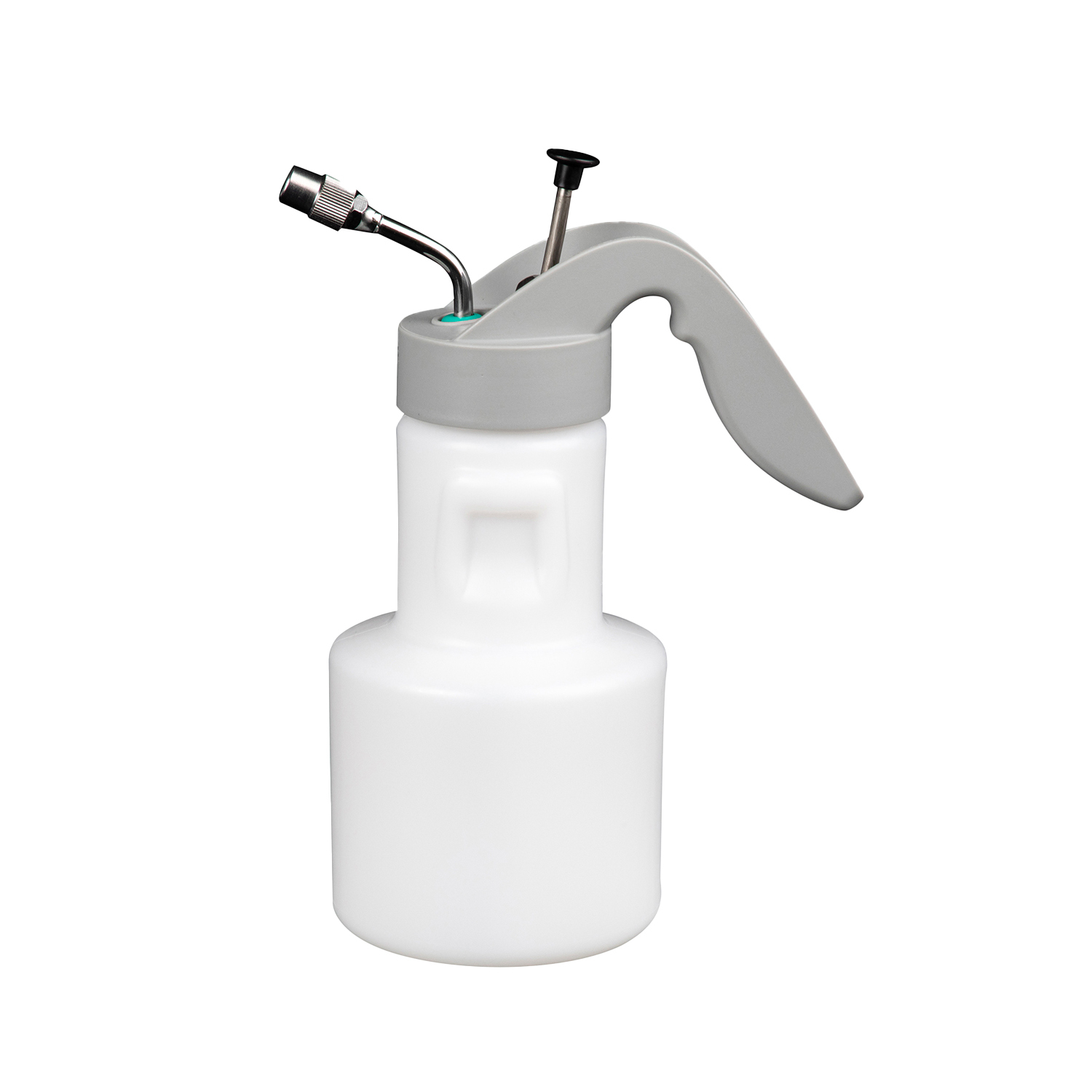
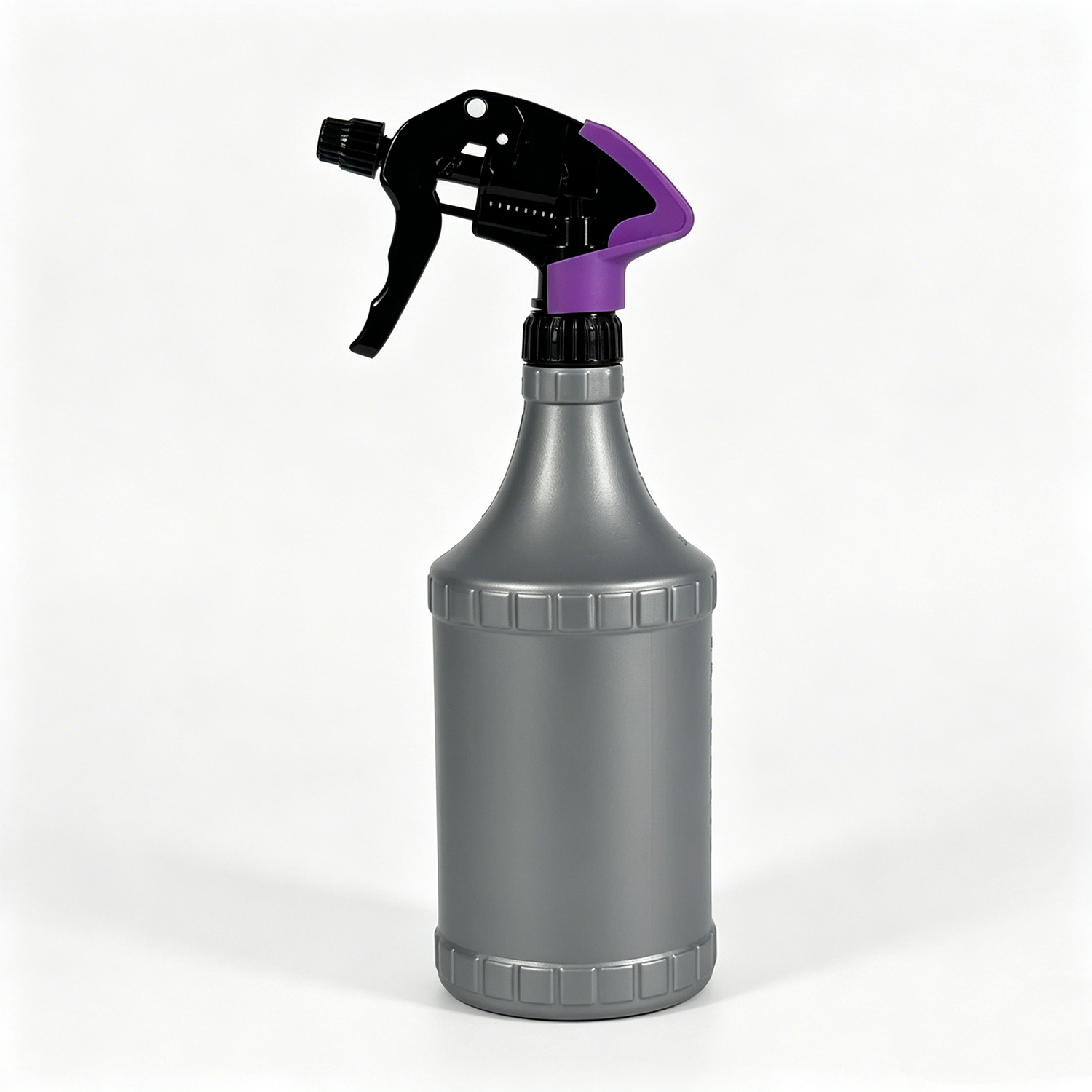
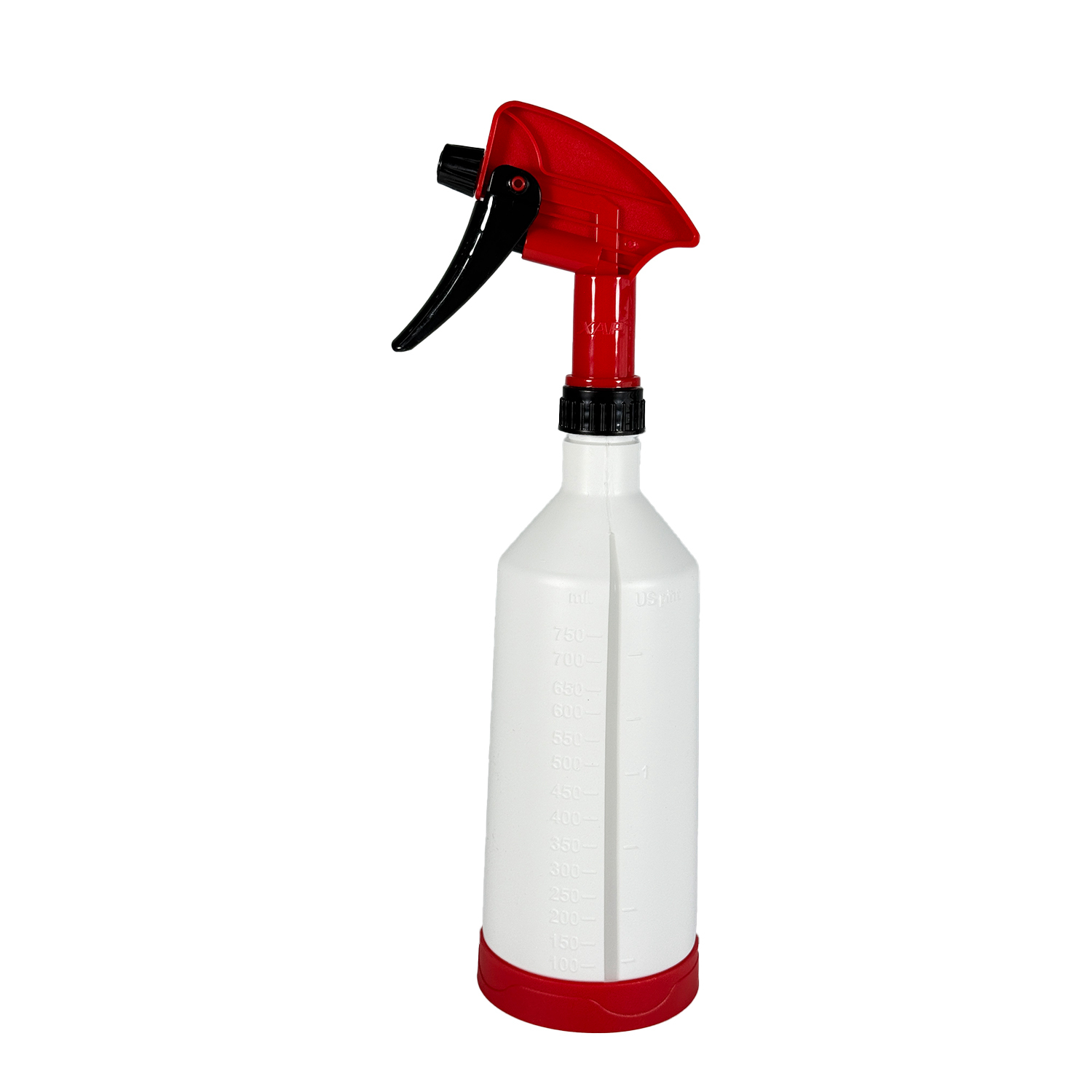
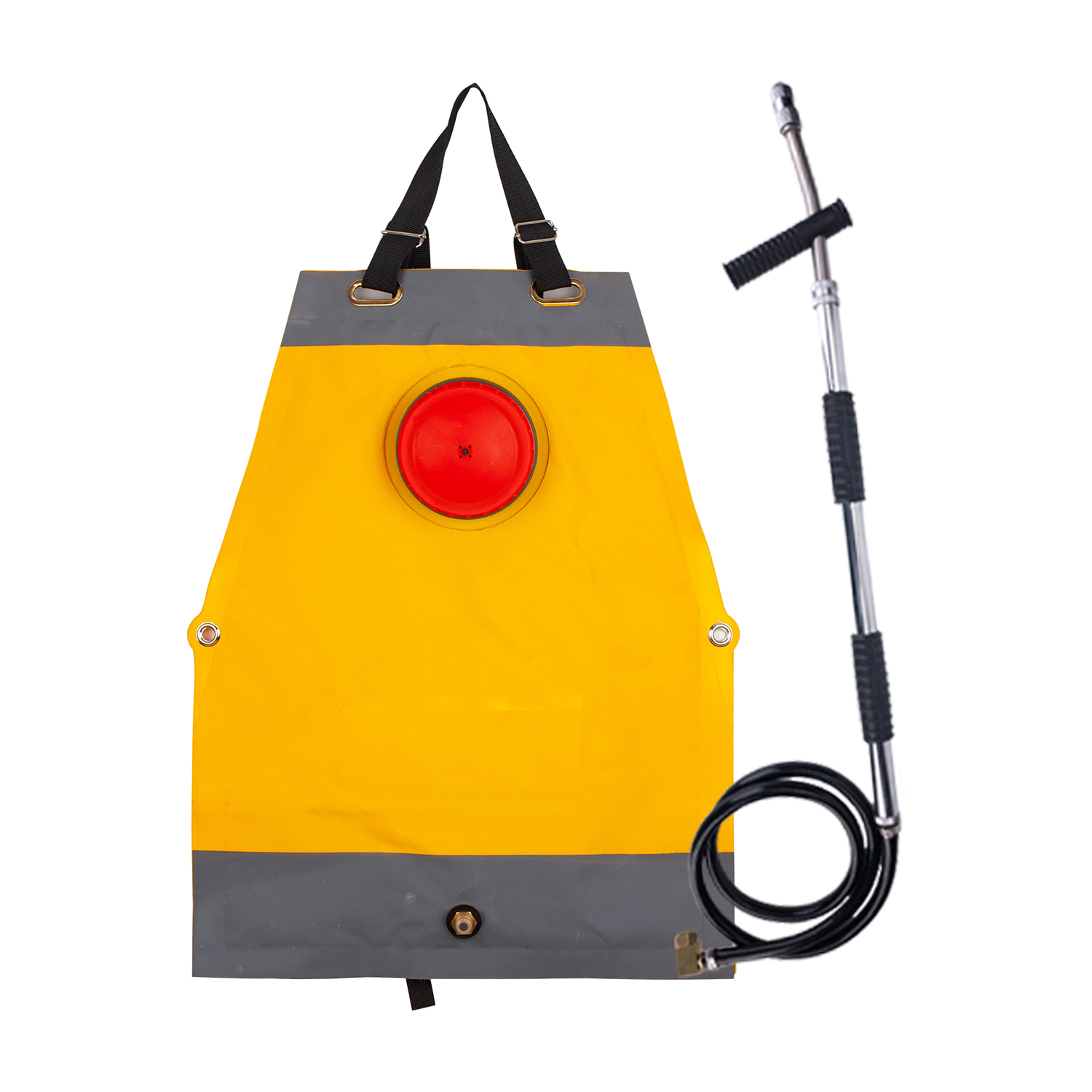
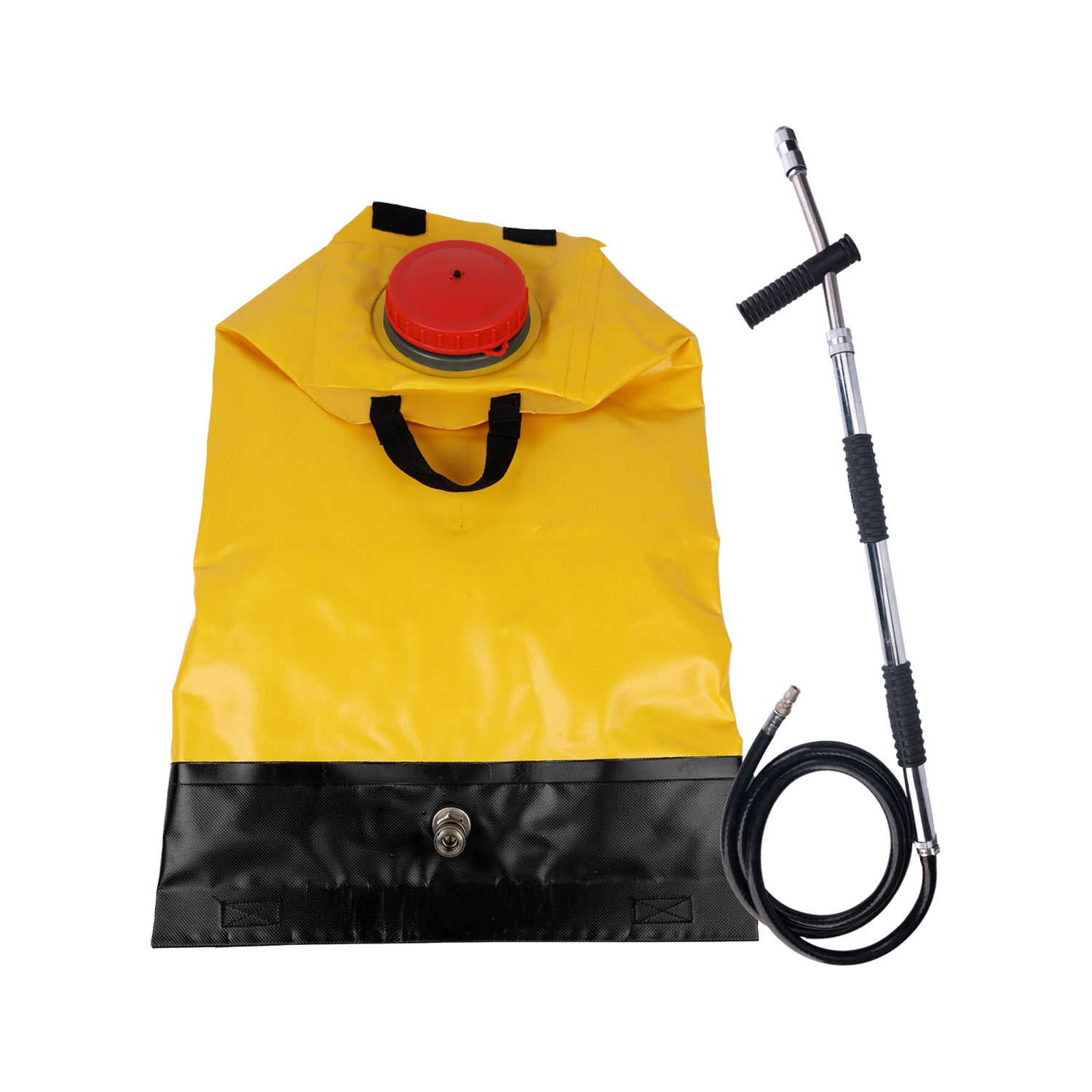
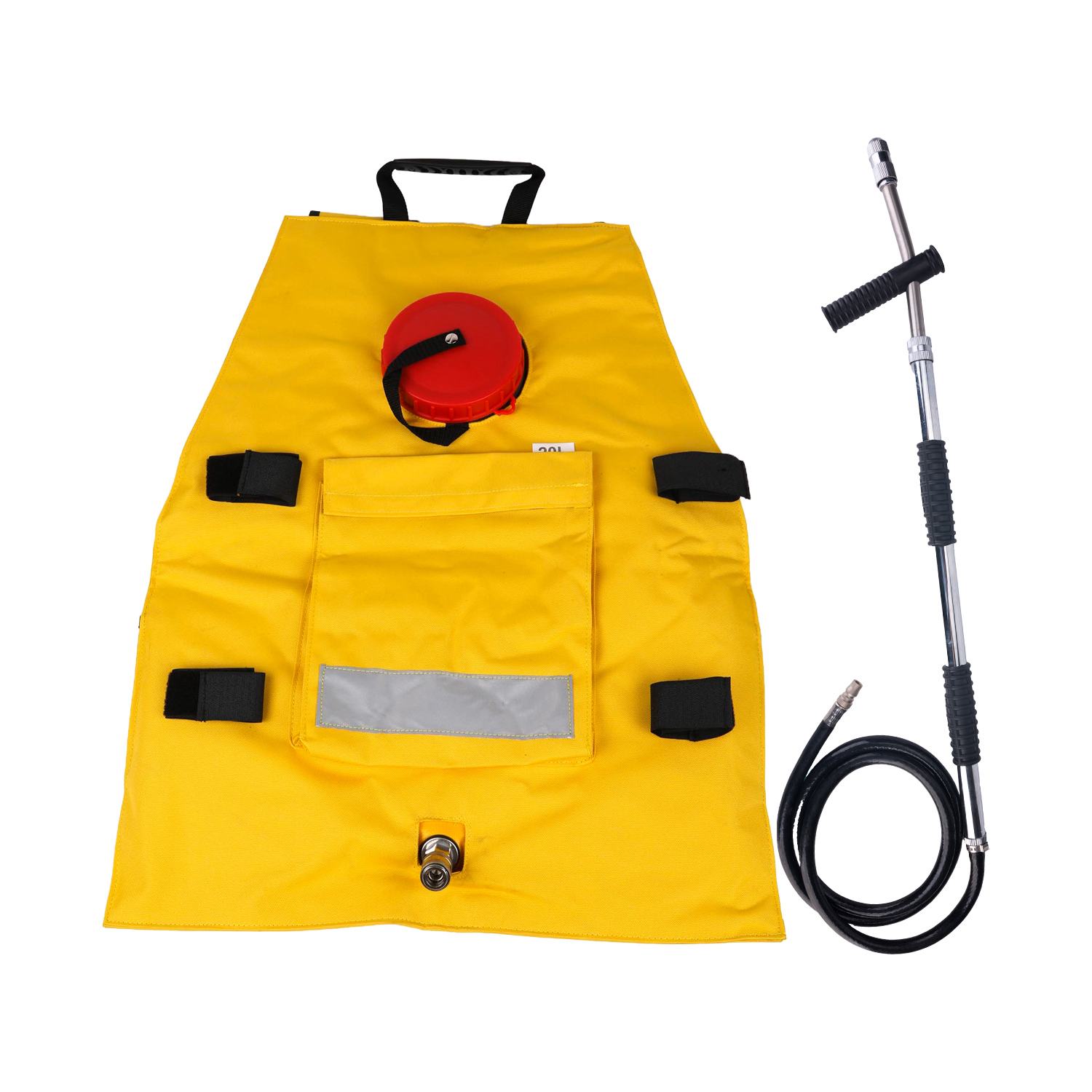
Choosing the wrong sprayer can cause uneven coverage, wasted chemical, operator fatigue, leaks, and repeated equipment costs. In this guide, I explain the most common portable sprayer selection mistakes and how to avoid them by comparing tank capacity, pump type, pressure, nozzles, calibration, chemical compatibility, ergonomics, battery runtime, and maintenance requirements. I also include a practical testing process that I would use before purchasing equipment for a home garden, landscaping company, farm, cleaning operation, or commercial distribution program.
Image:
!
Key Takeaways
- Match tank capacity to application area, refill access, operator strength, and daily spray volume.
- Select pump pressure and nozzle type together because pressure alone does not determine coverage.
- Test spray uniformity, pressure stability, leaks, battery runtime, and calibration before placing a purchase order.
- Choose manual, battery-powered, or engine-powered equipment according to workload, terrain, and operator fatigue.
- Calculate total ownership cost using labor, energy, replacement parts, nozzle wear, cleaning, and downtime.
- Confirm chemical compatibility before using pesticides, solvents, disinfectants, fertilizers, or cleaning concentrates.
What You Need Before Starting
Before comparing portable sprayers, I recommend documenting the application rather than beginning with a product photograph or advertised tank size. Record the liquid being sprayed, target surface or crop, total treatment area, required application rate, terrain, refill distance, working height, and expected operating time. These details determine whether a handheld bottle, pressure sprayer, backpack battery sprayer, hose-end sprayer, ULV sprayer, or engine-powered unit is appropriate.
You should also prepare the product label, safety data sheet, measuring container, stopwatch, graduated test container, spare nozzle, and personal protective equipment. For agricultural chemicals, the label determines dilution, application rate, permissible nozzle type, and safety requirements. For solvents, disinfectants, or cleaning products, check whether seals, hoses, tanks, and pump components are compatible with the formulation.
My basic pre-purchase worksheet includes:
- Application area: square meters, acres, lawn sections, rows, vehicles, rooms, or structures.
- Target output: liters per minute, liters per hectare, liters per 1,000 square meters, or milliliters per minute.
- Operating environment: flat lawn, steep slope, greenhouse, orchard, field, workshop, or indoor area.
- Daily workload: number of tanks, operating hours, refill frequency, and number of operators.
- Power access: manual pumping, removable battery, fixed battery, gasoline engine, or external power.
- Service expectations: replacement pumps, seals, nozzles, filters, chargers, batteries, and repair access.
Common Portable Sprayer Selection Mistakes and How to Avoid Them
The most common mistakes are buying by tank size alone, ignoring the pressure-nozzle relationship, skipping calibration, selecting equipment that cannot tolerate the chemical, and underestimating operator fatigue. Buyers also frequently overlook battery runtime, spare-part availability, leak testing, and the cost of refilling or repairing the unit. I avoid these problems by matching the sprayer to the application rate, workload, terrain, and maintenance conditions before comparing prices.
1. Choosing Tank Capacity Without Calculating Coverage
A large tank is not automatically more productive. A full 20-liter tank may reduce refills for a commercial operator, but it can create excessive lifting weight on slopes, narrow paths, or long walking routes. A small tank may be easier to carry but can increase refill time, mixing errors, and nonproductive travel.
To estimate required tank capacity, use:
Required tank volume = application rate × treatment area
For example, if a lawn requires 2 liters per 100 square meters and the treatment area is 600 square meters, the theoretical spray requirement is 12 liters. A 12-liter tank may be sufficient if refill access is close, while a 15- or 16-liter tank may provide operating margin without creating the handling burden of a 20-liter model.
| Application |
Practical configuration |
| Small yard, spot treatment, balcony plants |
1–5 liter handheld or pressure sprayer |
| Residential lawn and garden |
5–12 liter handheld or compact battery sprayer |
| Landscaping routes and larger lawns |
12–20 liter backpack battery sprayer |
| Orchard rows or agricultural plots |
16–25 liter backpack or engine-powered unit |
| Cleaning, disinfection, and indoor work |
1–10 liter low-volume or ULV sprayer |
I also calculate the loaded weight, not just the tank volume. One liter of water-based liquid weighs approximately 1 kilogram, excluding the tank and pump. A 16-liter backpack unit may therefore exceed 18 kilograms when filled, which can be unsuitable for prolonged work, steep terrain, or operators with limited carrying strength.
2. Selecting the Wrong Sprayer Type
A manual pressure sprayer is suitable for intermittent work, small treatment areas, and applications where noise or charging access is a concern. It normally requires repeated pumping to maintain pressure, so it becomes less comfortable when the operator must cover a large lawn, many trees, or several commercial properties in one shift.
A battery-powered portable sprayer reduces repeated pumping and can provide more consistent output during routine applications. It is often appropriate for landscaping, lawn care, greenhouse work, sanitation, and agricultural spot treatments, provided the battery can support the planned runtime and the charger or spare battery is available.
An engine-powered sprayer is intended for longer operating periods, higher flow rates, or locations where battery charging is impractical. It can be excessive for a small yard because fuel, vibration, exhaust, noise, and maintenance add cost and operational complexity.
| Work condition |
Preferred power type |
Main trade-off |
| Occasional spot spraying |
Manual |
Lowest equipment complexity, higher operator effort |
| Several tanks per day |
Battery-powered |
Requires charging and battery replacement planning |
| Large acreage or extended high-flow work |
Engine-powered |
Higher fuel, noise, vibration, and maintenance costs |
| Indoor cleaning or disinfection |
Manual, battery, or ULV electric |
Must control mist, ventilation, and chemical exposure |
The portable sprayer versus backpack sprayer difference is mainly about capacity, carrying method, and coverage demand. A handheld unit is easier to store and control for short tasks, while a backpack configuration distributes the load across the operator’s shoulders and hips but still requires careful attention to total weight.
3. Ignoring Pressure and Nozzle Compatibility
Pressure does not determine spray quality by itself. The nozzle converts liquid pressure into a spray pattern, droplet size, flow rate, and coverage width, so the pump and nozzle must be selected as a working pair.
A fan nozzle may suit broadcast weed control or surface coverage, while a cone nozzle can be used for directed treatment around foliage or irregular surfaces. A low-drift nozzle produces larger droplets and can reduce airborne movement, but it may require different pressure and walking speed than a fine-mist nozzle.
When reviewing sprayer pressure and nozzle selection, I check four variables:
- Pressure range: Confirm the pump can maintain the nozzle’s operating range.
- Flow rate: Measure liters per minute at the working pressure.
- Spray width: Confirm the pattern covers the intended band without excessive overlap.
- Droplet behavior: Use larger droplets when drift risk is significant and finer droplets only when the application requires them.
A nozzle that delivers 0.8 liters per minute at the selected pressure will produce a different application rate from one delivering 1.4 liters per minute. If the operator walks at 1 meter per second and sprays a 1-meter-wide band, the output is approximately 48 liters per hectare at 0.8 liters per minute, before accounting for overlap or actual field conditions. I always verify the measured output instead of relying only on the nozzle color or package description.
4. Skipping Calibration and Coverage Testing
Calibration is one of the most important portable sprayer best practices because incorrect output can cause under-application, crop damage, residue, wasted material, or regulatory problems. I calibrate the sprayer with clean water before adding any chemical.
A simple calibration process is:
- Fill the tank with a measured volume of clean water.
- Mark a test area with known length and width.
- Spray at the intended walking speed, pressure, nozzle height, and pattern.
- Measure the water used and calculate the application rate.
- Repeat the test at least twice to identify inconsistent results.
- Adjust pressure, nozzle, speed, or overlap until the target rate is reached.
I also place water-sensitive cards or absorbent test surfaces across the spray width when uniformity matters. Uneven wetting can indicate a blocked nozzle, pressure fluctuation, poor boom alignment, worn seals, or incorrect operating height. Calibration should be repeated after replacing a nozzle, changing pressure, switching chemicals, or observing a change in spray pattern.
5. Buying Without Checking Chemical Compatibility
A sprayer designed for water-based fertilizer may not be suitable for solvents, concentrated degreasers, strong disinfectants, or certain pesticides. Chemical compatibility depends on the tank polymer, hose material, seals, pump diaphragm, valve components, and nozzle material.
Before purchasing, I ask the supplier for a compatibility statement covering the exact chemical family and concentration. I also check whether the unit requires immediate rinsing, whether the battery housing is protected from liquid exposure, and whether replacement seals are available.
Kobold operates as a Portable Sprayer Manufacturer serving automotive maintenance, agriculture, gardening, cleaning, sanitation, and firefighting applications. Its product range includes battery sprayers, pressure sprayers, ULV sprayers, foam sprayers, hose-end sprayers, and specialized spray equipment. For buyers comparing private-label or commercial equipment, Kobold’s stated manufacturing scope includes product design, mold making, injection molding, assembly, OEM, and ODM services, with quality processes covering incoming, in-process, and outgoing inspection.
6. Underestimating Ergonomics and Operator Fatigue
Two sprayers with the same capacity can produce very different field results if one is difficult to carry, pump, adjust, or refill. I assess shoulder-strap width, waist support, handle position, trigger force, hose flexibility, wand balance, tank shape, and the location of the pressure control.
Operator fatigue can affect walking speed and spray height, which changes the application rate even when the nozzle remains unchanged. A heavy tank may also increase the tendency to spray from an unstable position, producing poor coverage on slopes or around obstacles.
For repeated landscaping or agricultural work, I test the sprayer while wearing normal protective clothing and gloves. The test should last long enough to reveal pressure points, hand fatigue, awkward hose routing, or difficult battery access. Comfort should be evaluated as an operational factor because it directly influences consistency and work completion time.
7. Failing to Compare Total Cost of Ownership
Purchase price is only one part of the cost. I calculate ownership cost using the following categories:
- Initial sprayer and accessory price
- Labor time for pumping, refilling, charging, cleaning, and repairs
- Battery replacement or fuel consumption
- Nozzle, filter, seal, hose, and pump replacement
- Chemical loss caused by poor calibration or leaks
- Downtime during maintenance or equipment failure
- Storage, transport, and disposal requirements
For example, a manual sprayer with a lower purchase price may require additional pumping time on every tank. A battery unit may cost more initially but reduce repetitive labor during several daily applications. An engine unit may provide greater output but add fuel, oil, spark plug, vibration, and servicing expenses.
I compare the expected cost per operating hour or treated area rather than only the retail price. This method is especially useful for small businesses and landscaping companies where labor and downtime can exceed the equipment purchase price over a full season.
Matching Pressure, Nozzles, and Coverage to the Job
I select spray settings based on the target surface and required application pattern. Broad lawn treatment usually needs a controlled fan pattern, while spot treatment may require a narrow adjustable nozzle. Tree and shrub applications require attention to reach, droplet size, foliage density, and drift conditions.
An adjustable nozzle is convenient for occasional home use, but fixed agricultural nozzles can provide more repeatable output when the same treatment is performed frequently. Fine mist settings should not be used automatically because wind can carry small droplets beyond the target area.
Before field use, I inspect the filter, nozzle opening, hose connection, trigger valve, tank cap, and pressure relief system. I also spray clean water for several minutes to confirm that the pattern remains stable as the tank level changes. If the spray narrows, pulses, or stops intermittently, I investigate the filter, pump, battery, and air intake before adding chemical.
Battery-Powered vs. Manual Portable Sprayers
The choice between a battery-powered vs. manual portable sprayer depends on workload rather than personal preference. Manual units are practical for occasional use, low-volume applications, and emergency backup because they do not depend on charging equipment. Their main limitation is repeated pumping and pressure variation during extended operation.
Battery-powered sprayers are usually more suitable when the operator must complete multiple tanks, maintain steady output, or work across a large area. I check battery voltage, rated capacity, expected runtime, charging time, battery replacement cost, and whether the battery can be removed for charging. Runtime should be tested under actual spray conditions because maximum laboratory figures may not represent continuous pumping with a loaded tank.
A simple runtime estimate is:
Expected runtime = battery capacity ÷ average electrical load
The result is only a planning estimate because pump load changes with pressure, nozzle restriction, temperature, and battery age. For commercial use, I prefer a removable battery or a spare pack so that charging does not stop the workday.
A Practical Pre-Purchase Testing Checklist
Before approving a portable sprayer, I perform the following tests with clean water:
- Fill the tank to the stated working capacity and inspect the seams, cap, gasket, and drain area.
- Operate the pump at low, medium, and high settings to check pressure stability.
- Measure output from the intended nozzle for at least 60 seconds.
- Compare spray pattern uniformity across the full width.
- Check whether the trigger, wand, hose, and adjustment controls work while wearing gloves.
- Carry the loaded sprayer for a realistic test period and inspect shoulder, back, and hand pressure.
- Place the unit on its side briefly, where safe, to identify cap or connection leaks.
- Remove and reinstall the filter, nozzle, battery, and hose without specialized tools.
- Confirm that the tank, hose, seals, and nozzle materials match the intended chemical.
- Record calibration results, measured flow, pressure setting, and cleaning procedure.
For a supplier evaluation, I also request replacement-part lists, product manuals, inspection records, warranty terms, minimum order quantities, and lead-time information. Kobold reports 22 years of industry experience, more than 500 served clients, more than 50 active patents, and certifications or compliance references including ISO 9001, CE, UL, and GS. These details do not replace product testing, but they provide useful information when comparing a Portable Sprayer Manufacturer for repeated procurement or OEM development.
Mistake-Prevention Table
| Selection or operating mistake |
Likely field consequence |
Early warning sign |
Corrective action |
| Tank is too large |
Fatigue, slow movement, difficult handling |
Back or shoulder strain before the tank is empty |
Reduce capacity or improve load support |
| Tank is too small |
Frequent refills and lost labor time |
Multiple refill trips per treatment area |
Calculate area and application rate first |
| Pressure is too high |
Drift, excess consumption, damaged foliage |
Fine mist leaves the target area |
Reduce pressure or select a larger-droplet nozzle |
| Pressure is too low |
Poor coverage and incomplete wetting |
Weak pattern or intermittent spray |
Inspect pump, filter, battery, and nozzle |
| Nozzle is mismatched |
Uneven application rate |
Streaks, dry sections, or excessive overlap |
Measure flow and select the correct pattern |
| Calibration is skipped |
Over- or under-application |
Chemical use differs from the planned volume |
Perform a measured water test |
| Chemical compatibility is ignored |
Swollen seals, cracks, leaks, pump failure |
Odor, soft hose, sticky valve, or discoloration |
Confirm materials and replace incompatible parts |
| Battery runtime is overestimated |
Work stops before the area is complete |
Rapid voltage drop or slow pump speed |
Use a spare battery or reduce workload per charge |
| Maintenance is neglected |
Blockages, leaks, and downtime |
Pressure pulses or nozzle output changes |
Rinse, filter, inspect, and store according to instructions |
Conclusion
Common Portable Sprayer Selection Mistakes and How to Avoid Them starts with matching the equipment to the application, not choosing the largest tank or lowest purchase price. I recommend calculating coverage, confirming the chemical, selecting the pump and nozzle together, testing pressure stability, and recording calibration results before routine use. For small yards, a manual or compact battery sprayer may be sufficient, while landscaping companies and farms may need a larger battery or engine-powered configuration based on daily workload and terrain.
The next practical step is to complete a buying checklist with tank capacity, application rate, pressure range, nozzle output, battery or fuel requirements, loaded weight, replacement parts, and service support. Test the filled unit with clean water before approving it for chemical use, and include labor, energy, nozzle wear, maintenance, and downtime in the ownership calculation. Whether I am evaluating a home unit or reviewing Kobold as a Portable Sprayer Manufacturer, these checks provide a more reliable basis for selecting the right sprayer.

 Hose End Sprayer
 Agriculture & Garden
 Cleaning & Disinfection
 Specialty Products