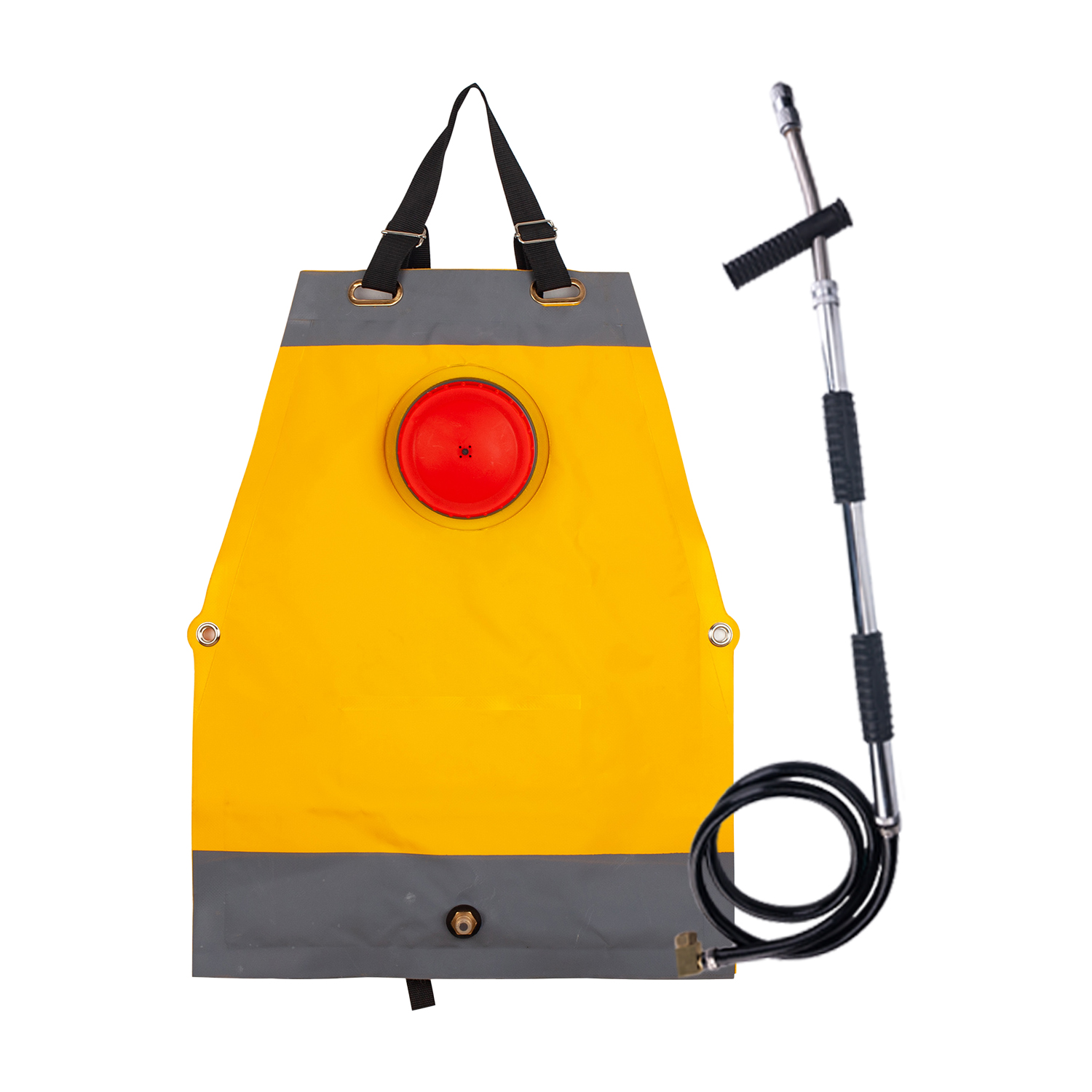
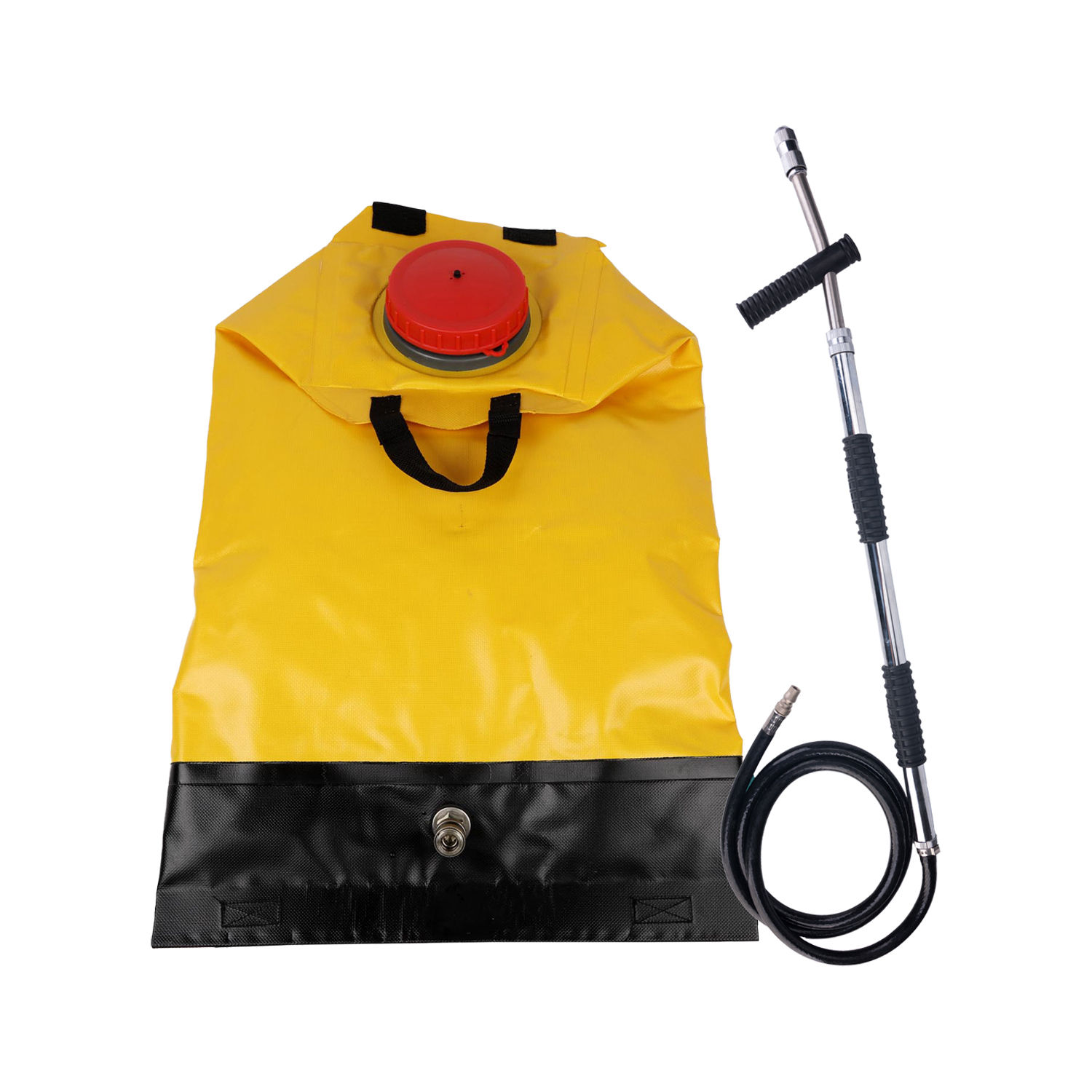
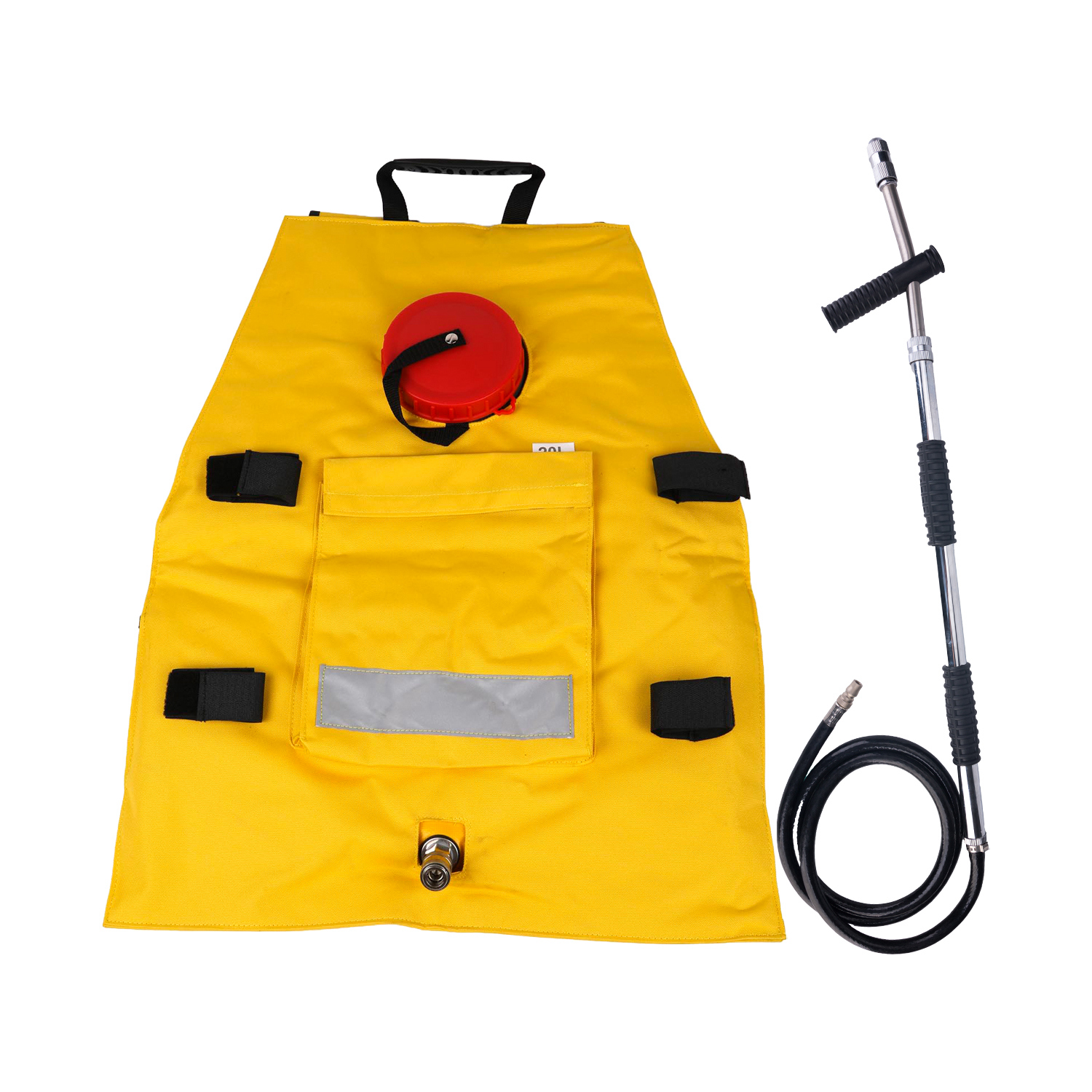
Choosing Nozzle Patterns for Degreasers, Cleaners, and Penetrating Fluids starts with the cleaning objective, not the chemical name alone. Use a flat-fan pattern for broad surface coverage, a full-cone pattern for distributed impact, a hollow-cone pattern for lighter atomization, and a needle stream for targeted penetration. Then confirm pressure, flow rate, spray angle, distance, nozzle size, and chemical compatibility through a controlled test.
For industrial parts washing, automotive maintenance, and commercial cleaning, the correct spray pattern controls five practical results: how much surface becomes wet, how long the fluid remains on the surface, how much force reaches the contamination, how much chemical is consumed, and how much mist or overspray is produced. A nozzle that works for a thin neutral detergent may be unsuitable for a solvent degreaser or a viscous penetrating fluid.
!
Key Takeaways
- Flat-fan nozzles suit broad degreasing, rinsing, and surface-cleaning applications with controlled overlap.
- Full-cone nozzles distribute degreasers over three-dimensional parts and recessed surfaces.
- Needle stream nozzles deliver penetrating fluids to bolts, hinges, seams, and localized contamination.
- Pressure, flow rate, spray angle, distance, and orifice size must be evaluated together.
- Chemical compatibility testing protects seals, tanks, valves, and nozzle bodies from premature failure.
- A short spray validation test can identify streaking, clogging, misting, weak cleaning, and surface damage.
How to Choose Nozzle Patterns for Degreasers, Cleaners, and Penetrating Fluids
I begin nozzle selection by defining the required result. Broad cleaning requires a pattern that spreads liquid evenly across a surface, while penetrating work requires a concentrated stream that reaches a small target. Rinsing usually favors controlled coverage and low mist, whereas coating or wetting may require finer distribution and a consistent liquid film.
The following criteria help me compare spray patterns before selecting equipment:
- Coverage geometry: The pattern determines whether liquid forms a narrow line, a wide fan, a circular cone, or a ring-shaped spray.
- Cleaning force: Pressure and liquid concentration influence whether the spray loosens grease, removes residue, or only wets the surface.
- Dwell time: A larger droplet pattern can reduce airborne mist and keep chemical on the workpiece longer.
- Chemical delivery: Flow rate determines how much degreaser or cleaner reaches the target per minute.
- Overspray risk: Fine droplets and excessive pressure increase the chance of mist, drift, and unintended wetting.
- Material compatibility: Nozzle bodies, seals, springs, and valves must tolerate the cleaner, solvent, alkaline solution, acid, or penetrating fluid.
A practical spray nozzle selection checklist should therefore record chemical type, concentration, viscosity, target surface, operating pressure, flow rate, distance, spray angle, duty cycle, and acceptable overspray. I also recommend identifying whether the nozzle will be used continuously or intermittently, because thermal and chemical exposure can differ substantially between those conditions.
Main Spray Patterns and Their Coverage Geometry
A spray pattern is the shape formed by liquid leaving the nozzle and reaching a target plane. The pattern changes as the distance increases, so I never evaluate a nozzle only by observing it in the air. I measure the wetted width, liquid distribution, droplet behavior, and edge uniformity at the actual working distance.
| Spray pattern |
Coverage geometry |
Typical application |
Main advantage |
Main concern |
| Flat-fan |
Wide, narrow-depth band |
Surface cleaning, rinsing, panels |
Efficient broad coverage |
Uneven overlap can create stripes |
| Full-cone |
Filled circular area |
Three-dimensional parts, general degreasing |
Distributed impact and wetting |
May consume more liquid |
| Hollow-cone |
Ring-shaped circular area |
Light coverage, atomization, cooling |
Fine distribution at moderate flow |
Greater mist risk at high pressure |
| Needle stream |
Narrow concentrated jet |
Penetrating fluids, spot cleaning |
Strong localized delivery |
Limited coverage and possible surface damage |
| Adjustable pattern |
Variable width or stream |
Small workshops, multipurpose work |
One tool supports several tasks |
Repeatability can vary between operators |
Flat-Fan Pattern for Surface Cleaning
A fan spray nozzle for surface cleaning produces a wide pattern that is useful for panels, floors, machine housings, vehicle components, and flat workpieces. The spray angle may range from a narrow fan to a broad fan, but the actual width depends on nozzle geometry, pressure, and distance. For example, doubling the distance may increase the wetted width while reducing impact intensity at the surface.
I use flat-fan nozzles when the main objective is to cover a defined area with limited overlap. Adjacent passes should overlap consistently, because insufficient overlap can leave untreated stripes while excessive overlap increases chemical use. A useful validation method is to spray a washable test surface for a fixed time and compare the wet width and edge density across several passes.
Flat-fan patterns are often suitable for alkaline degreasers and neutral detergents when the workpiece has a relatively open surface. They are less suitable for deep cavities unless the operator can orient the fan across the recess or combine the nozzle with a targeted pre-treatment step.
Full-Cone Pattern for Degreasers
A cone spray nozzle for degreasers produces a circular, filled spray area. Compared with a flat fan, it can distribute liquid around irregular parts, brackets, castings, engine components, and assemblies with multiple exposed faces. The filled cone also supports more uniform wetting when the target is moved or rotated during cleaning.
Full-cone nozzles are useful when the chemical must contact a three-dimensional part rather than a single flat plane. They can provide a practical balance between surface coverage and impact, especially when the spray distance is kept stable. I normally compare several distances because moving the nozzle farther away increases coverage but can reduce cleaning force and increase airborne droplets.
The main limitation is liquid consumption. If the full cone is operated at a higher flow rate than the application requires, the operator may flood the part, shorten dwell time through runoff, and increase wastewater volume. The correct choice depends on whether the process needs immediate soil removal or controlled chemical contact followed by rinsing.
Hollow-Cone Pattern for Light Coverage
A hollow-cone pattern concentrates liquid around a circular ring rather than filling the center. It can be useful when a process requires distributed wetting with relatively fine droplets, but it should be selected cautiously for volatile solvents, low-viscosity cleaners, or applications performed near workers.
The pattern is commonly associated with greater atomization than a heavy flat fan or full cone. That characteristic can improve distribution over some surfaces, but it may also increase mist, inhalation exposure, and chemical loss. I use hollow-cone patterns only after checking ventilation, personal protective equipment requirements, pressure stability, and the chemical safety data sheet.
For cleaning systems, a hollow cone can be appropriate for light application, pre-wetting, or controlled chemical distribution. It is usually not my first choice for aggressive degreasing where the process depends on high impact and long surface dwell time.
Needle Stream Pattern for Penetrating Fluids
A needle stream nozzle for penetrating fluids produces a narrow, concentrated flow. It is suited to bolts, threads, hinges, bearings, seams, rusted joints, adhesive residues, and other small targets where the fluid must reach a precise location rather than cover a broad area.
The narrow stream reduces unnecessary wetting around the target, but it increases the possibility of surface damage if pressure is excessive. I use the lowest pressure that delivers the required penetration, then increase it only when the fluid fails to reach the contaminated area. A test on a noncritical surface helps identify whether the stream causes erosion, coating removal, splashing, or rebound.
Penetrating fluids are often lower in viscosity than some cleaners, so nozzle flow can become difficult to control. A small orifice may improve targeting, but it can also clog if the fluid contains particles, thick additives, or debris from an unfiltered container.
How Pressure, Flow Rate, Angle, Distance, and Nozzle Size Affect Performance
Spray pattern selection cannot be separated from operating conditions. Pressure affects exit velocity and droplet breakup, while flow rate determines the volume delivered over time. In many systems, flow changes approximately with the square root of pressure, so increasing pressure does not produce a proportional increase in flow.
A useful relationship for comparison is:
New flow rate ≈ Original flow rate × √(New pressure ÷ Original pressure)
For example, increasing pressure from 25 psi to 100 psi may raise flow by about two times under comparable conditions, not four times. The actual result depends on nozzle geometry, liquid density, viscosity, temperature, and pump behavior, so I treat the equation as an estimate rather than a final specification.
Spray angle controls coverage width. A wider angle covers more area at the same distance, but the liquid film may become thinner and the impact less concentrated. A narrower angle increases local force and penetration but requires more passes to cover the same surface.
Distance has a similar tradeoff. Moving the nozzle away increases the wetted area, but it can reduce impact and increase drift. Moving closer concentrates the spray, which may improve cleaning on heavy contamination while increasing the risk of streaks, splashback, coating damage, or excess chemical delivery.
Nozzle size affects both flow and blockage risk. A small orifice can deliver precise application but may clog more easily, especially when using viscous penetrating fluids or cleaners containing suspended solids. A larger orifice reduces blockage risk but may deliver more liquid than necessary and make pressure control more difficult.
Matching Patterns to Cleaning Objectives
The best spray pattern depends on what the chemical must accomplish during the process. I use the following decision matrix as a starting point, then confirm the result through a timed spray test.
| Application goal |
Preferred pattern |
Starting logic |
Main validation point |
| Broad degreasing on flat panels |
Flat fan |
Select width based on working distance |
Even wetting without stripes |
| Heavy degreasing on irregular parts |
Full cone |
Use distributed impact around exposed surfaces |
Soil removal without flooding |
| Rinsing after alkaline cleaning |
Flat fan or full cone |
Favor coverage and controlled runoff |
Complete residue removal |
| Neutral detergent application |
Flat fan |
Match width to the cleaning path |
Uniform film and low overspray |
| Acidic cleaner application |
Flat fan or controlled full cone |
Prioritize containment and compatibility |
No mist, splash, or material attack |
| Penetrating oil or release fluid |
Needle stream |
Target seams, joints, and threads |
Reach the joint without excess runoff |
| Light pre-wetting |
Hollow cone or wide fan |
Use lower flow and moderate pressure |
Surface wetting without airborne mist |
| Localized coating or treatment |
Needle stream or narrow fan |
Match pattern to the treatment boundary |
Edge control and repeatability |
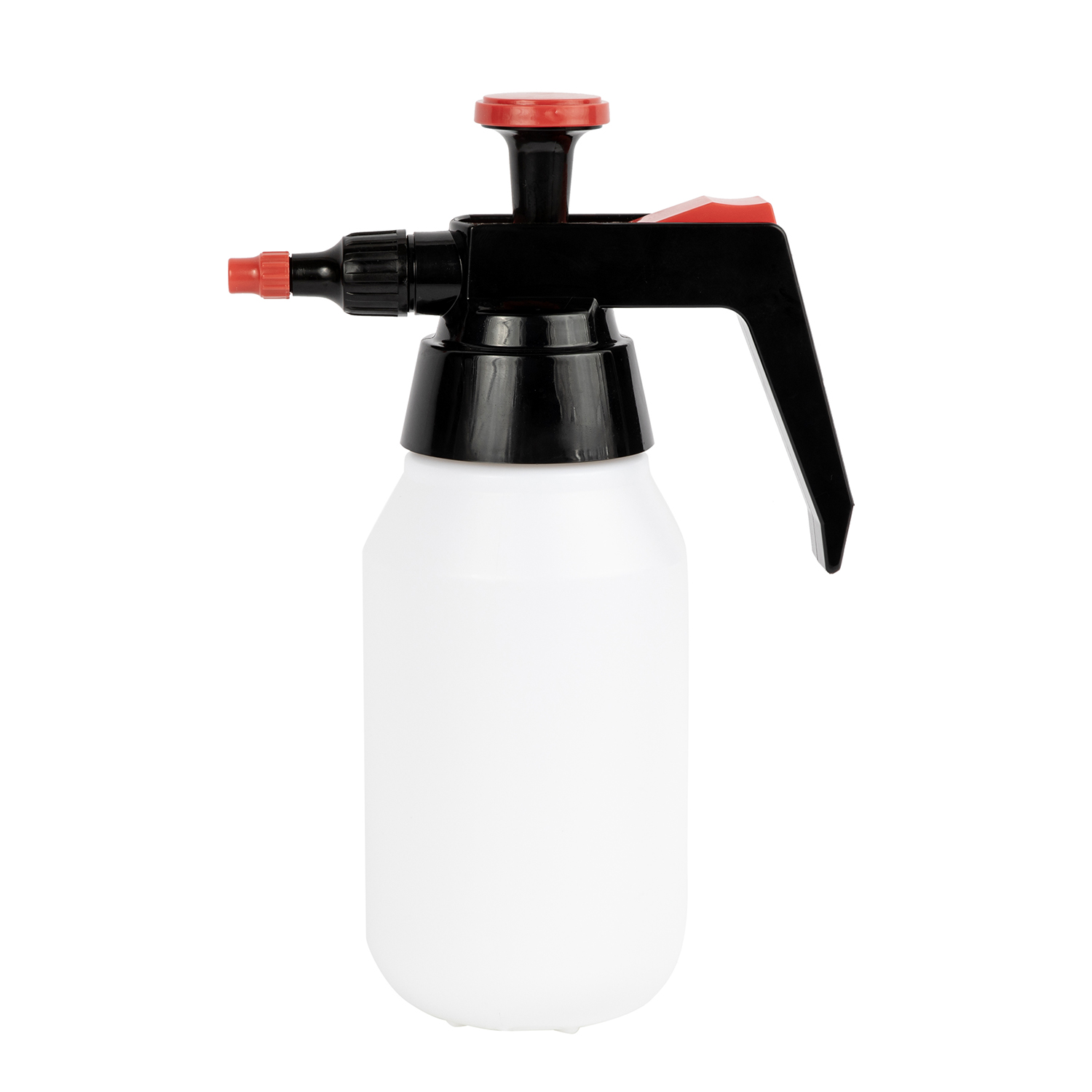
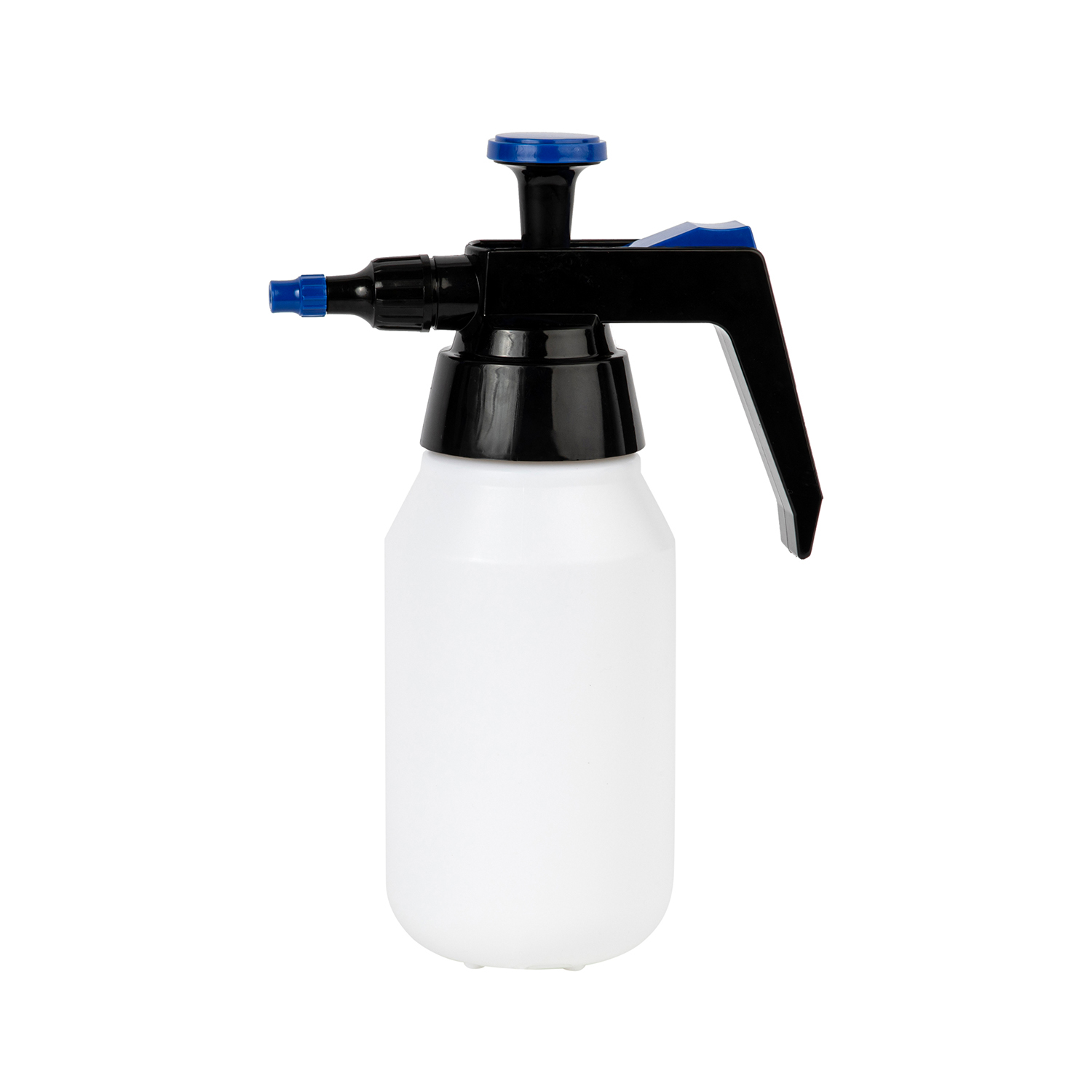
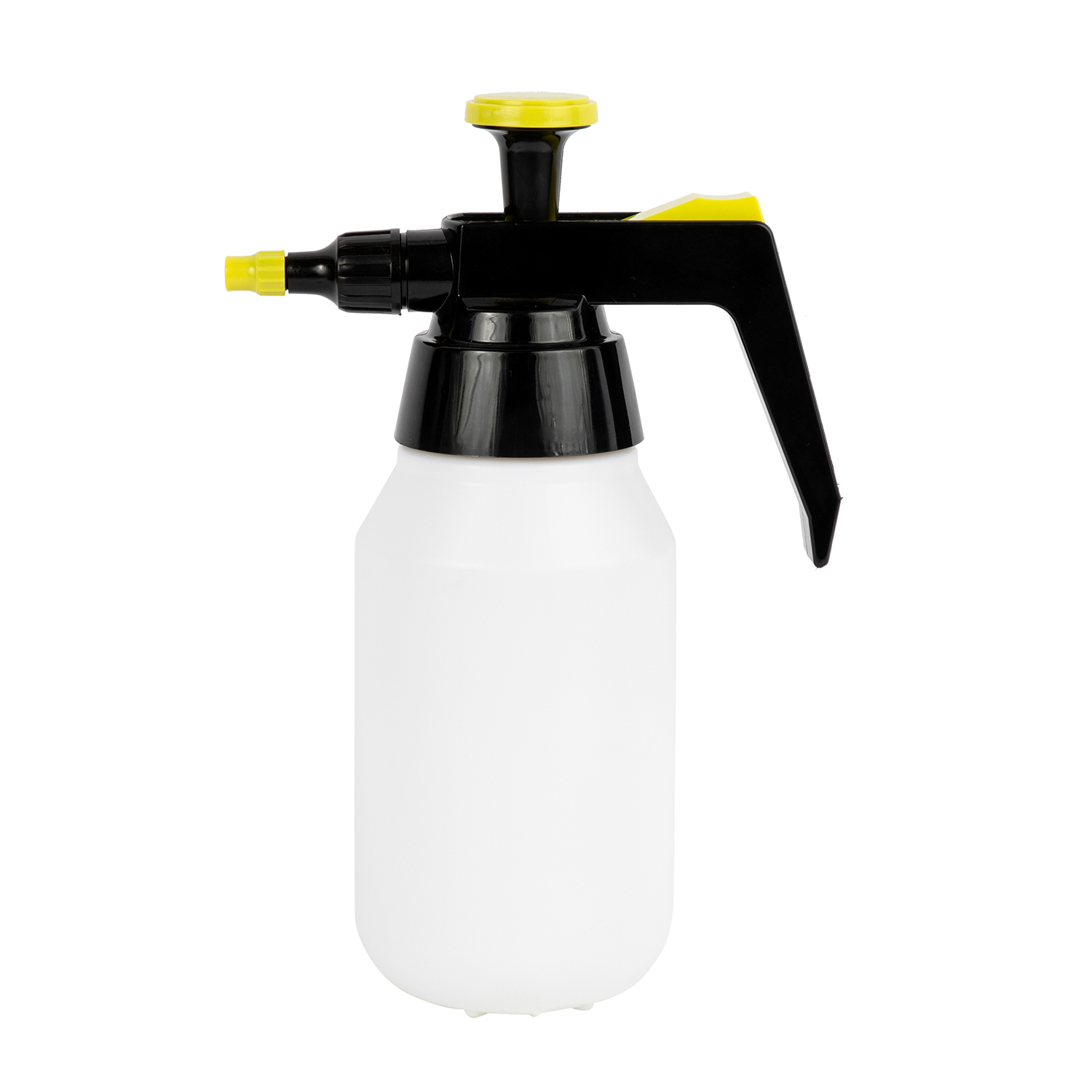
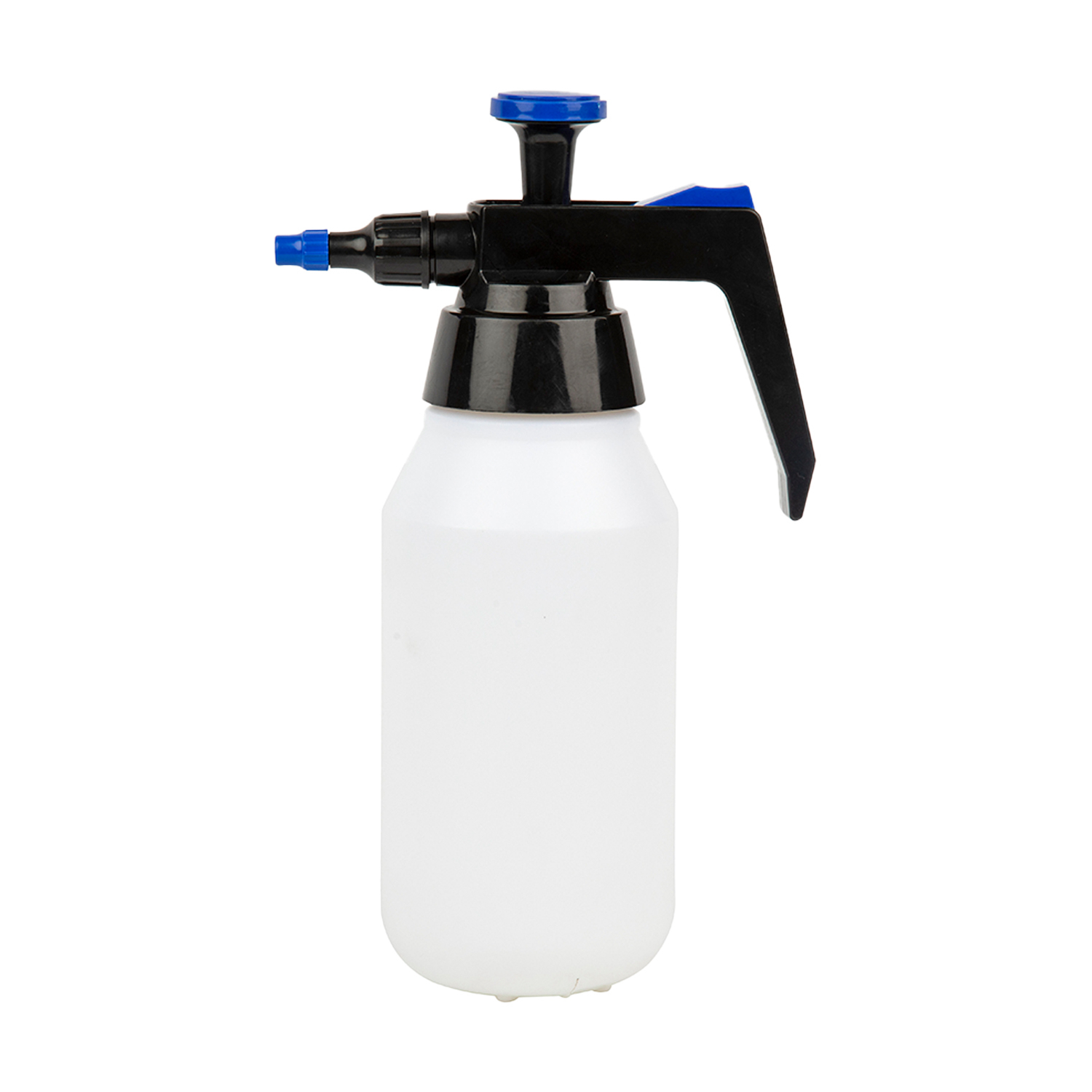
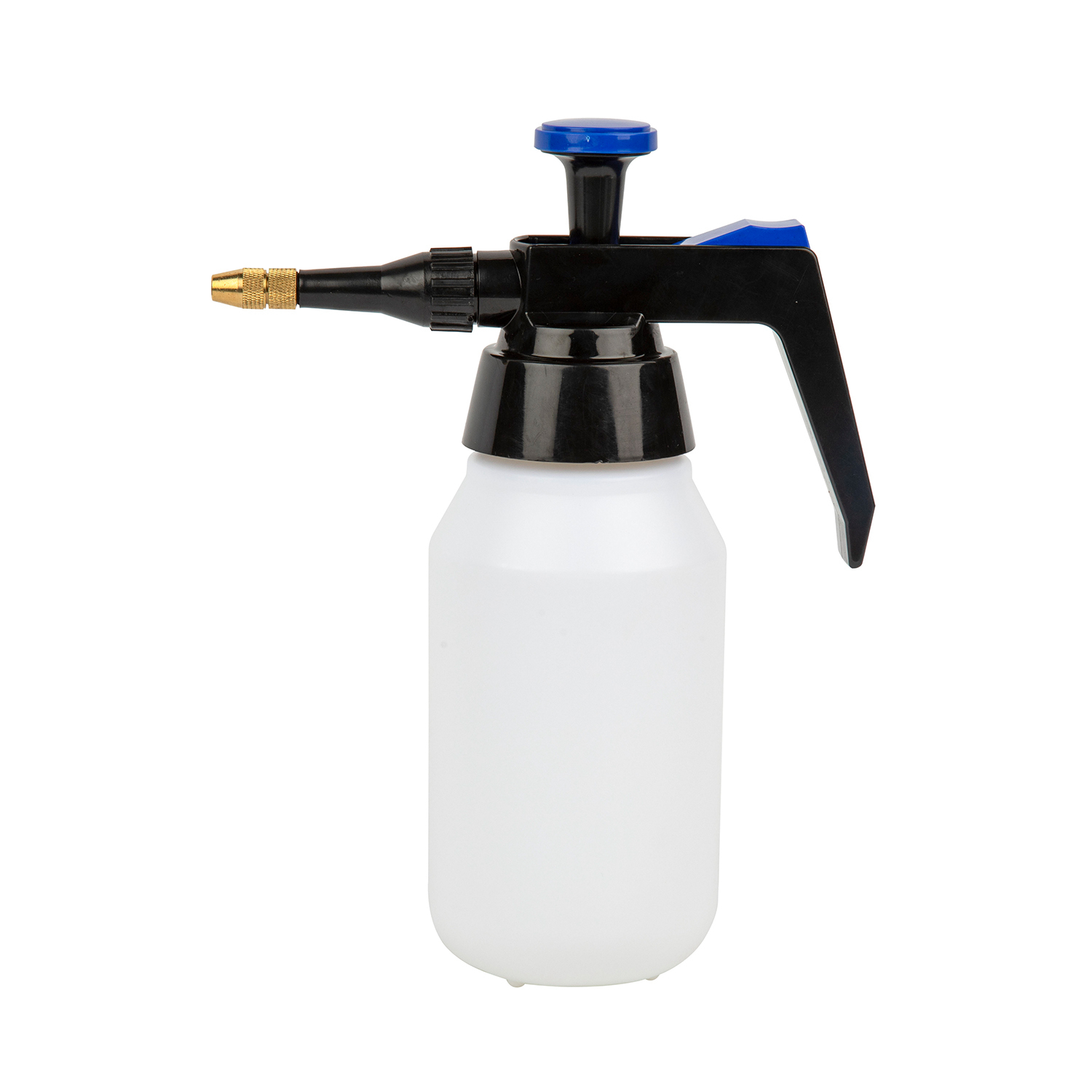
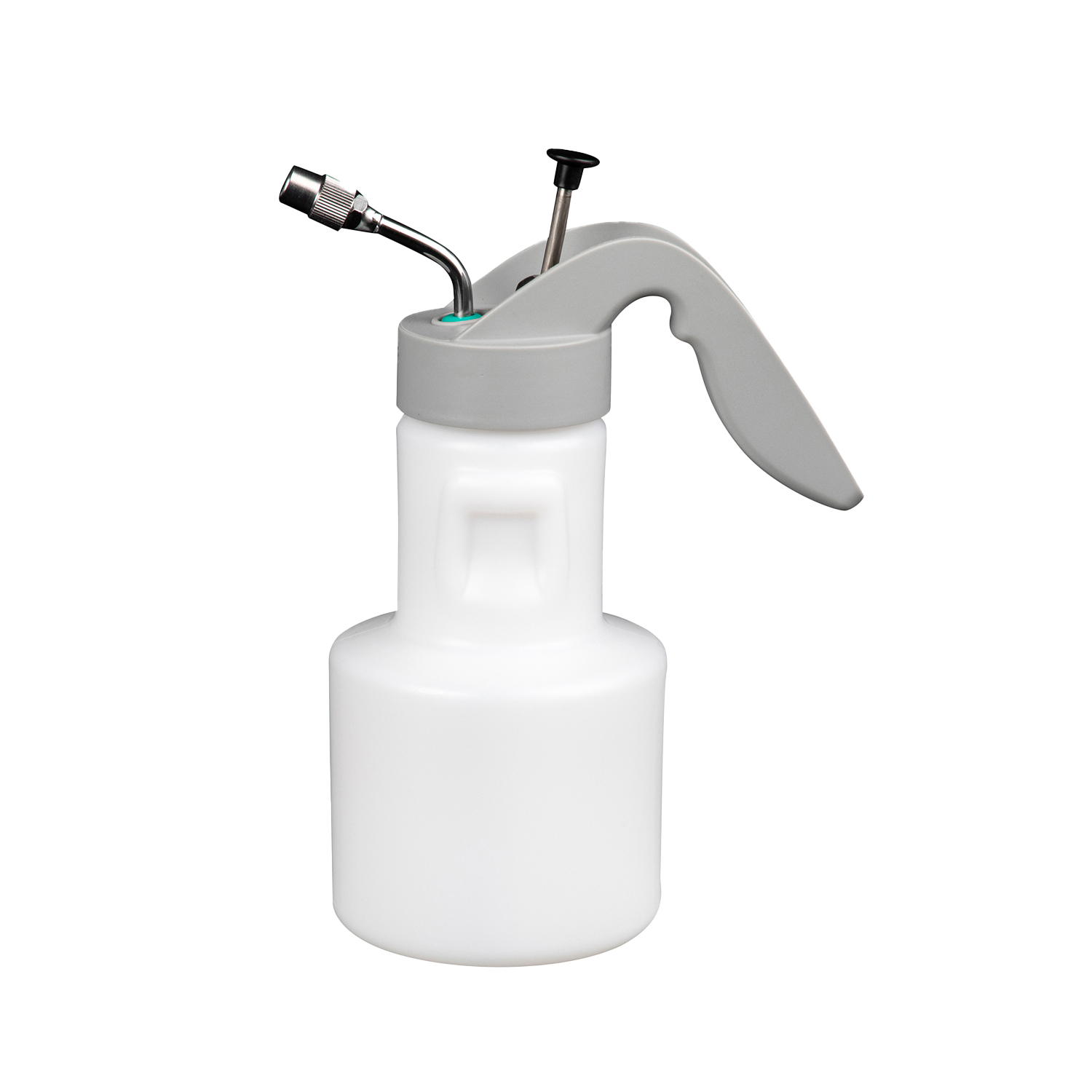
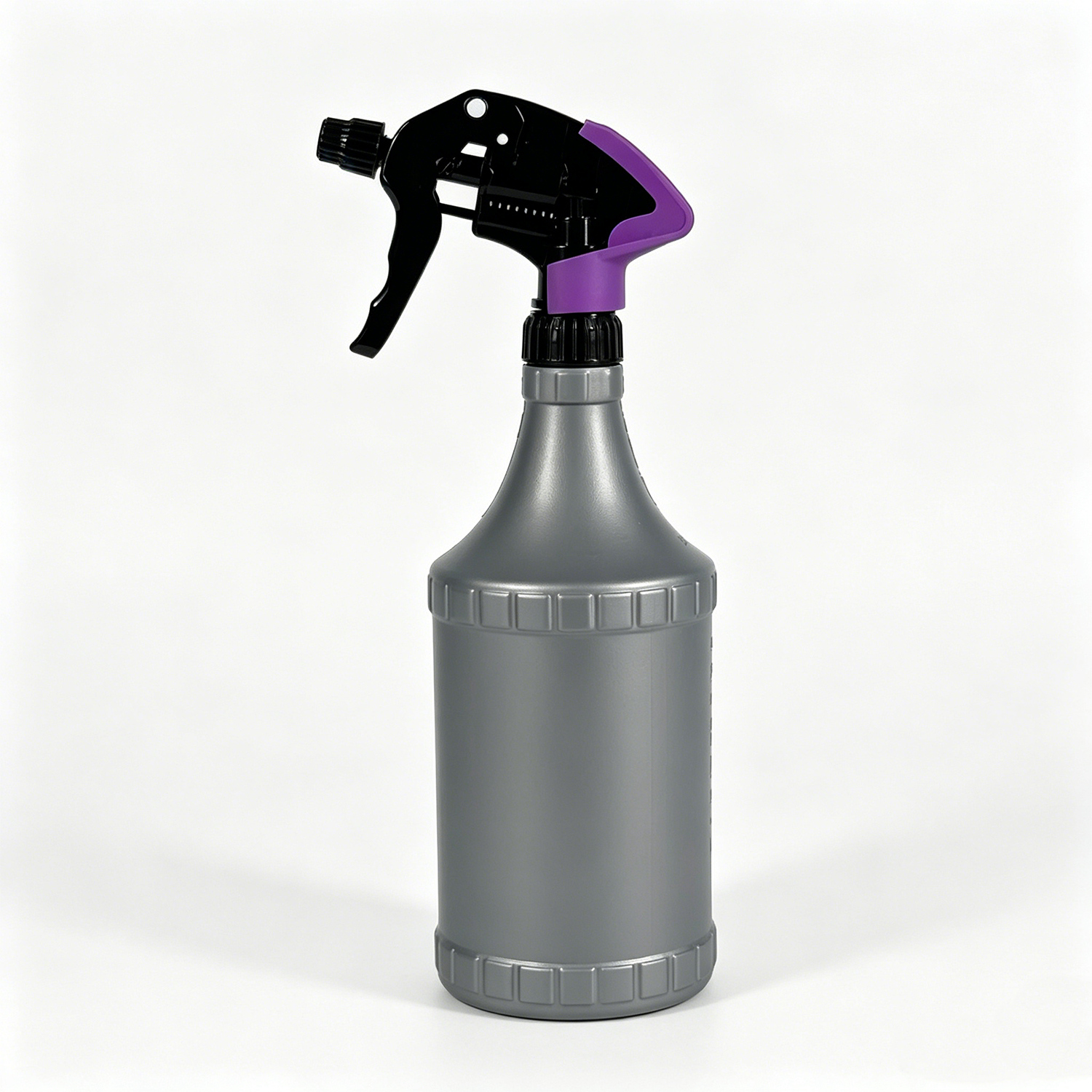
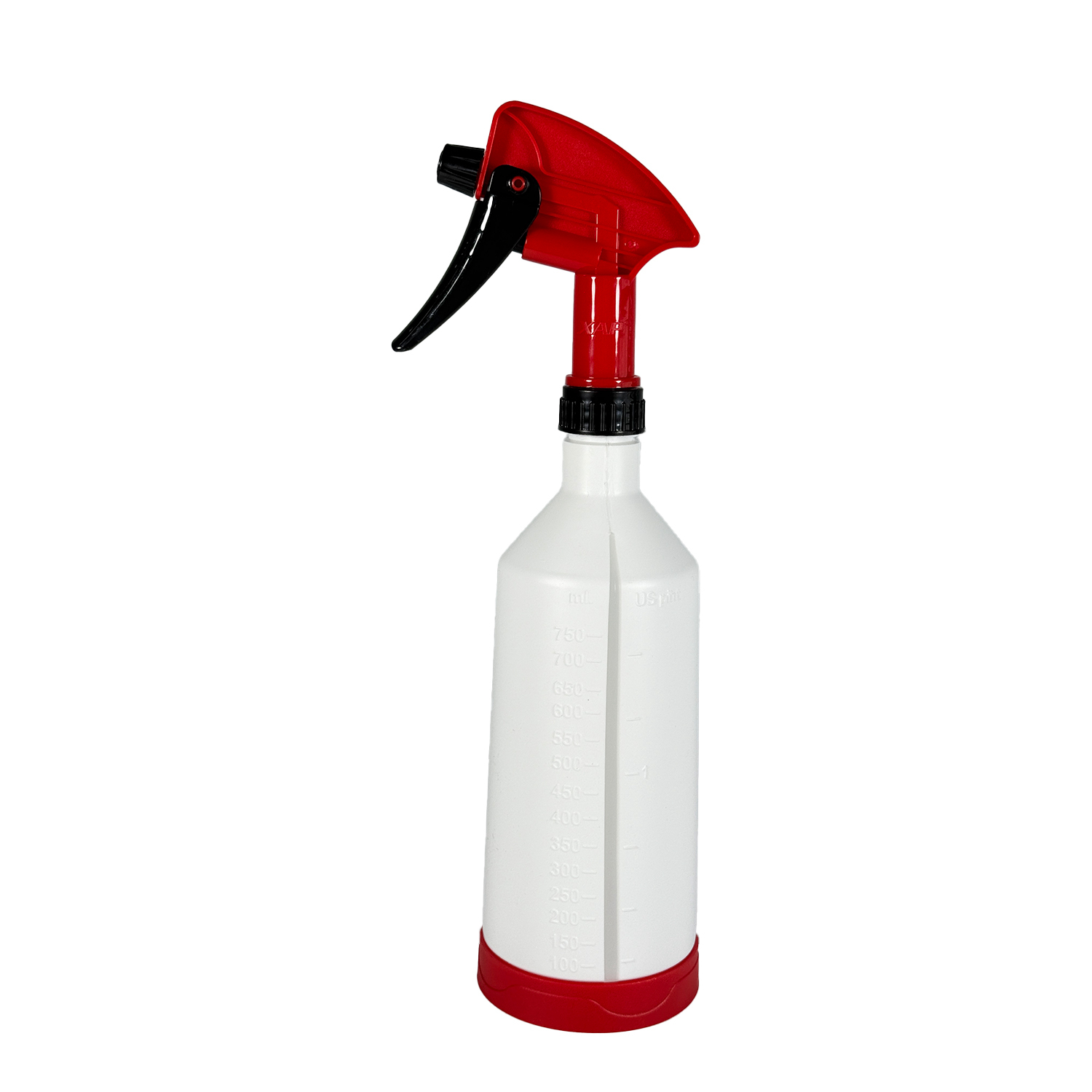
For automotive maintenance, I may select a flat fan for broad body-panel cleaning and a narrow stream for hinges or fasteners. An Automotive Solvent Sprayer should not be judged by container size alone; the nozzle, seal material, valve design, pressure range, and chemical compatibility determine whether it suits the solvent or degreaser being used.
Kobold manufactures sprayer categories serving automotive maintenance, cleaning, sanitation, agriculture, gardening, and related applications. Its product range includes pressure solvent sprayers, gun-wash sprayers, hose-end sprayers, foam sprayers, and other spraying equipment. When I evaluate a Kobold system for a specific cleaner, I still confirm the chemical list, operating pressure, seal composition, nozzle configuration, and intended duty cycle before deployment.
A Practical Validation Workflow
1. Define the Target Surface and Chemical
Record whether the surface is painted steel, bare metal, plastic, rubber, glass, aluminum, or a composite. Then identify the chemical type, dilution ratio, viscosity, temperature, and required dwell time. Acidic cleaners, alkaline degreasers, neutral detergents, solvent blends, and penetrating oils can place different demands on seals and nozzle bodies.
2. Select Two or Three Candidate Patterns
I normally compare one broad-coverage option, one distributed option, and one targeted option. For example, a flat fan, full cone, and needle stream can show whether the application needs coverage, impact, or precision. This comparison is more reliable than choosing a nozzle based only on catalog appearance.
3. Standardize the Test Conditions
Keep pressure, distance, spray duration, chemical concentration, and operator movement consistent. A practical test can use a fixed 30-second spray period, a marked target area, and a collection container to measure delivered liquid. Record the wetted width, runoff, visible mist, cleaning time, and remaining residue.
4. Inspect for Common Failure Modes
Weak cleaning may indicate insufficient impact, excessive distance, low concentration, or a partially blocked nozzle. Streaking usually points to uneven fan distribution, inconsistent movement, incorrect overlap, or a spray angle that is too narrow for the work path.
Excessive mist may result from high pressure, a hollow-cone pattern, low-viscosity fluid, or an overly fine orifice. Clogging can result from contaminated fluid, inadequate filtration, chemical crystallization, or a nozzle size that is too small for the formulation.
Surface damage requires immediate attention. Reduce pressure, increase distance, widen the pattern, or change from a needle stream to a fan or full-cone pattern. If the damage continues, verify that the chemical itself is compatible with the substrate.
5. Confirm Chemical Compatibility
Chemical compatibility should cover every wetted component, including the nozzle, dip tube, check valve, spring, gasket, O-ring, tank, and trigger assembly. A compatible metal nozzle can still fail if the seal material swells, hardens, cracks, or loses elasticity in the chosen cleaner.
I recommend a soak-and-spray test using the actual chemical concentration and temperature. Inspect components before and after the test for swelling, discoloration, softening, leakage, cracking, and changes in spray shape. This is particularly important for solvent degreasers, acidic cleaners, concentrated alkaline products, and penetrating fluids with aggressive additives.
How to Choose a Nozzle for Industrial and Small-Business Use
Small businesses often benefit from an adjustable or interchangeable nozzle system when one operator handles several cleaning tasks. However, convenience should not replace repeatability; adjustable patterns can produce inconsistent results if operators use different pressure, distance, or trigger positions. A small set of dedicated nozzles may produce more consistent cleaning across shifts.
Industrial cleaning systems usually benefit from a documented nozzle specification. The record should include nozzle pattern, orifice size, pressure, flow rate, spray angle, working distance, chemical concentration, and replacement interval. This information allows maintenance teams to identify whether weak performance comes from pump wear, nozzle erosion, chemical changes, or operator technique.
Kobold states that its manufacturing activities include design, mold making, injection molding, and assembly, with quality-control stages covering incoming, in-process, and outgoing inspection. The company also identifies ISO 9001, CE, UL, and GS-related certifications and reports 22 years of industry experience, more than 500 served clients, and more than 50 active patents. These details can help buyers assess supplier capability, but the final nozzle decision should still be based on application testing and chemical compatibility.
Final Selection Checklist
Before ordering or approving a nozzle, I confirm the following:
- Is the primary goal coverage, impact, penetration, rinsing, coating, or pre-wetting?
- Is the target flat, irregular, recessed, porous, painted, or chemically sensitive?
- What pressure and flow rate are available at the nozzle?
- What spray angle and working distance produce the required coverage?
- Will the chemical attack the nozzle body, seal, spring, or valve?
- Is the liquid filtered sufficiently for the selected orifice?
- Does the pattern create acceptable mist, runoff, and overspray?
- Can the operator repeat the selected technique consistently?
- Has the nozzle been tested with the actual chemical and target surface?
- Are replacement parts and cleaning procedures available?
Conclusion
Choosing Nozzle Patterns for Degreasers, Cleaners, and Penetrating Fluids requires matching spray geometry to the cleaning objective and then validating the result under real operating conditions. I use flat-fan patterns for broad surface cleaning, full-cone patterns for irregular parts, hollow cones for controlled light distribution, and needle streams for localized penetration.
The correct choice also depends on pressure, flow rate, spray angle, distance, nozzle size, liquid viscosity, and chemical compatibility. For the next evaluation, select two or three candidate patterns, test them at the intended pressure and distance, measure coverage and flow, and inspect the workpiece for residue, mist, streaking, and damage. This process provides a practical basis for choosing an Automotive Solvent Sprayer, a Kobold sprayer, or another chemical application system without relying on pattern names alone.

 Hose End Sprayer
 Agriculture & Garden
 Cleaning & Disinfection
 Specialty Products