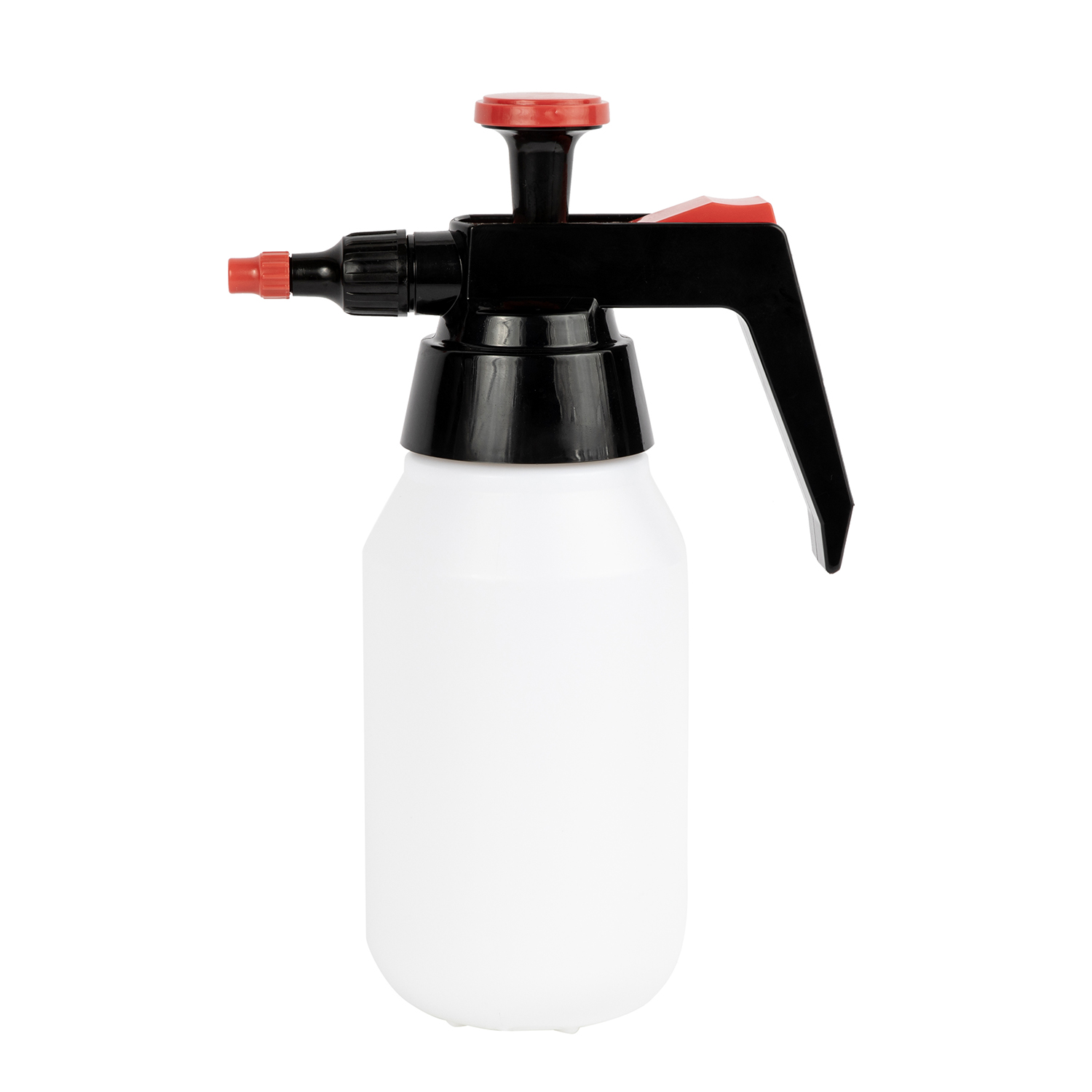
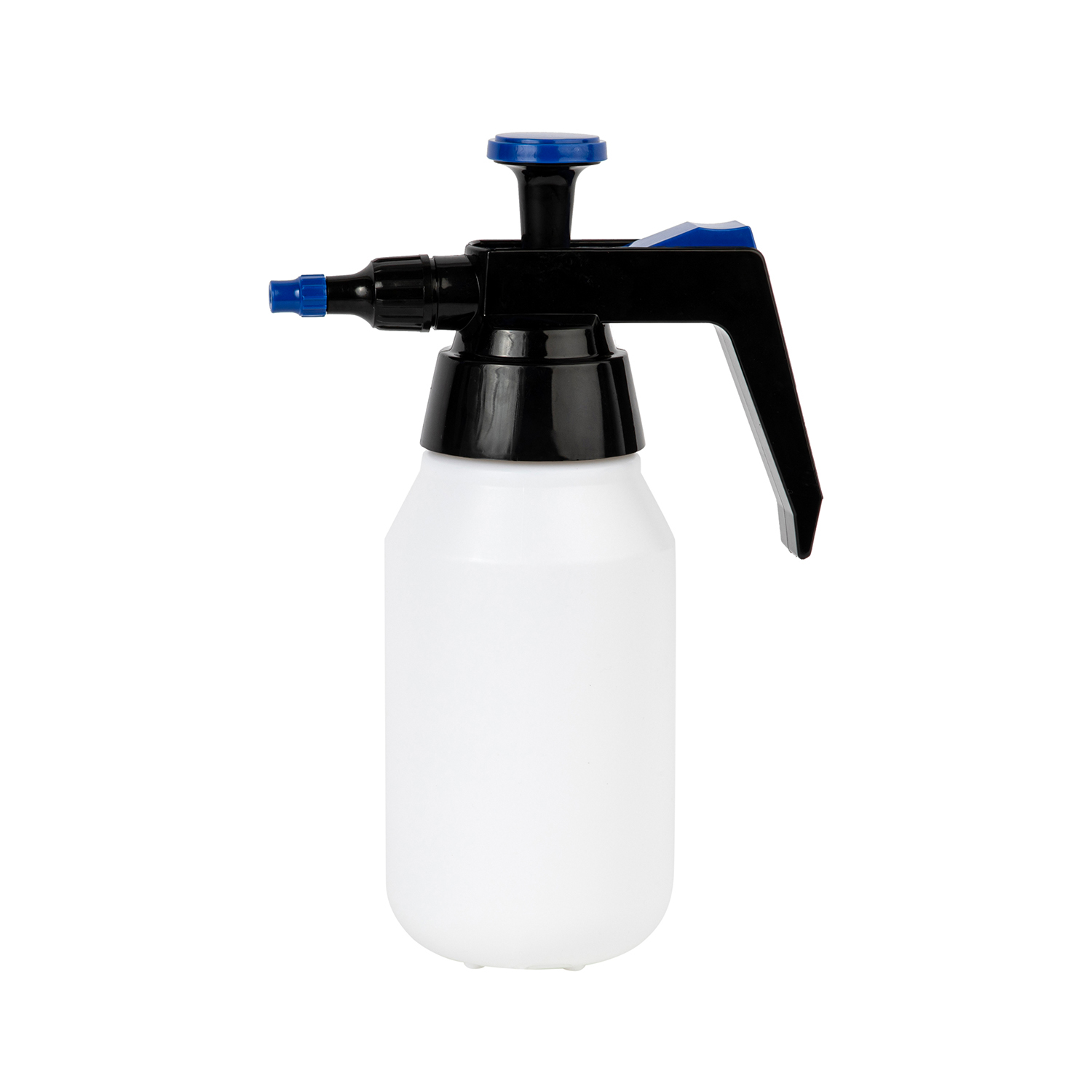
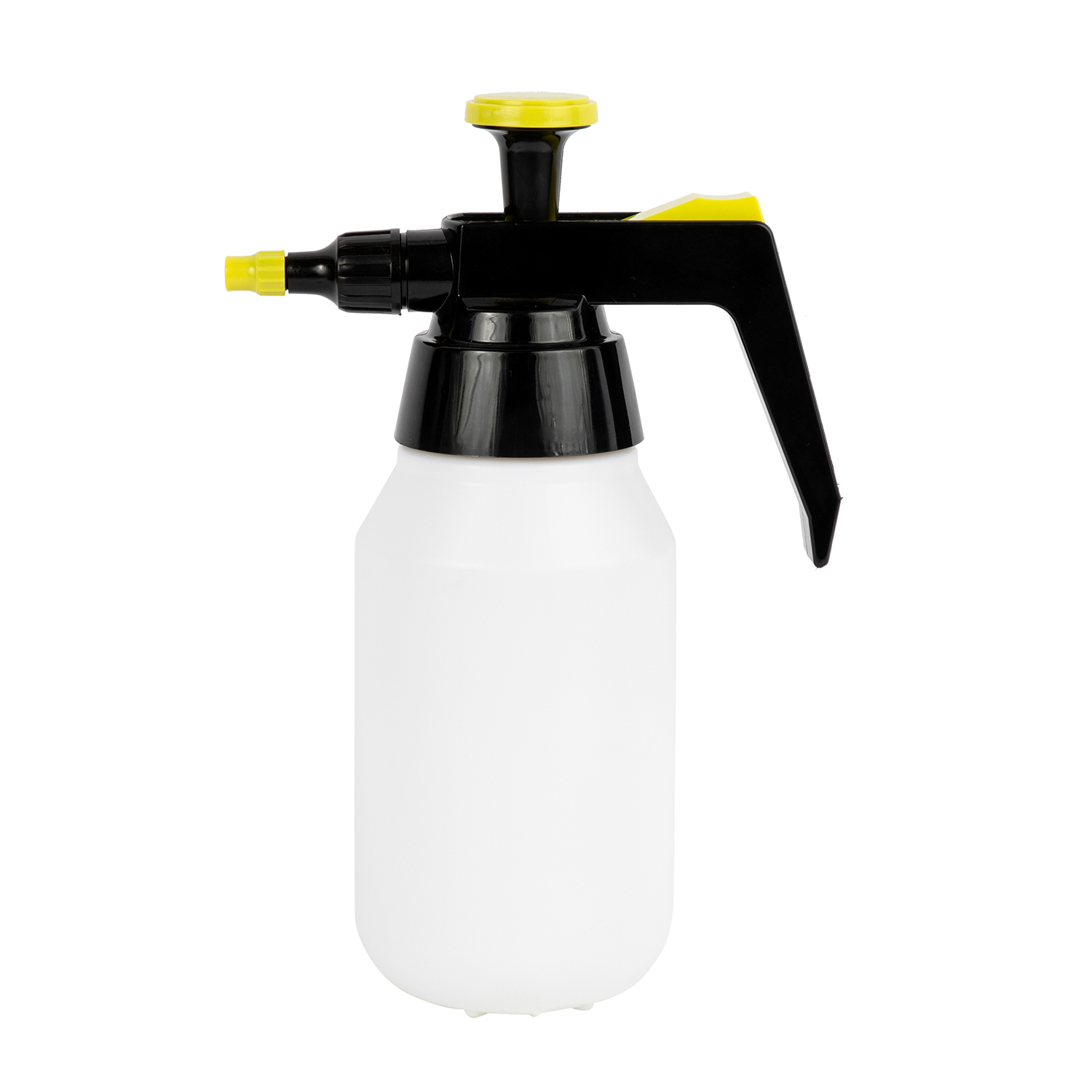
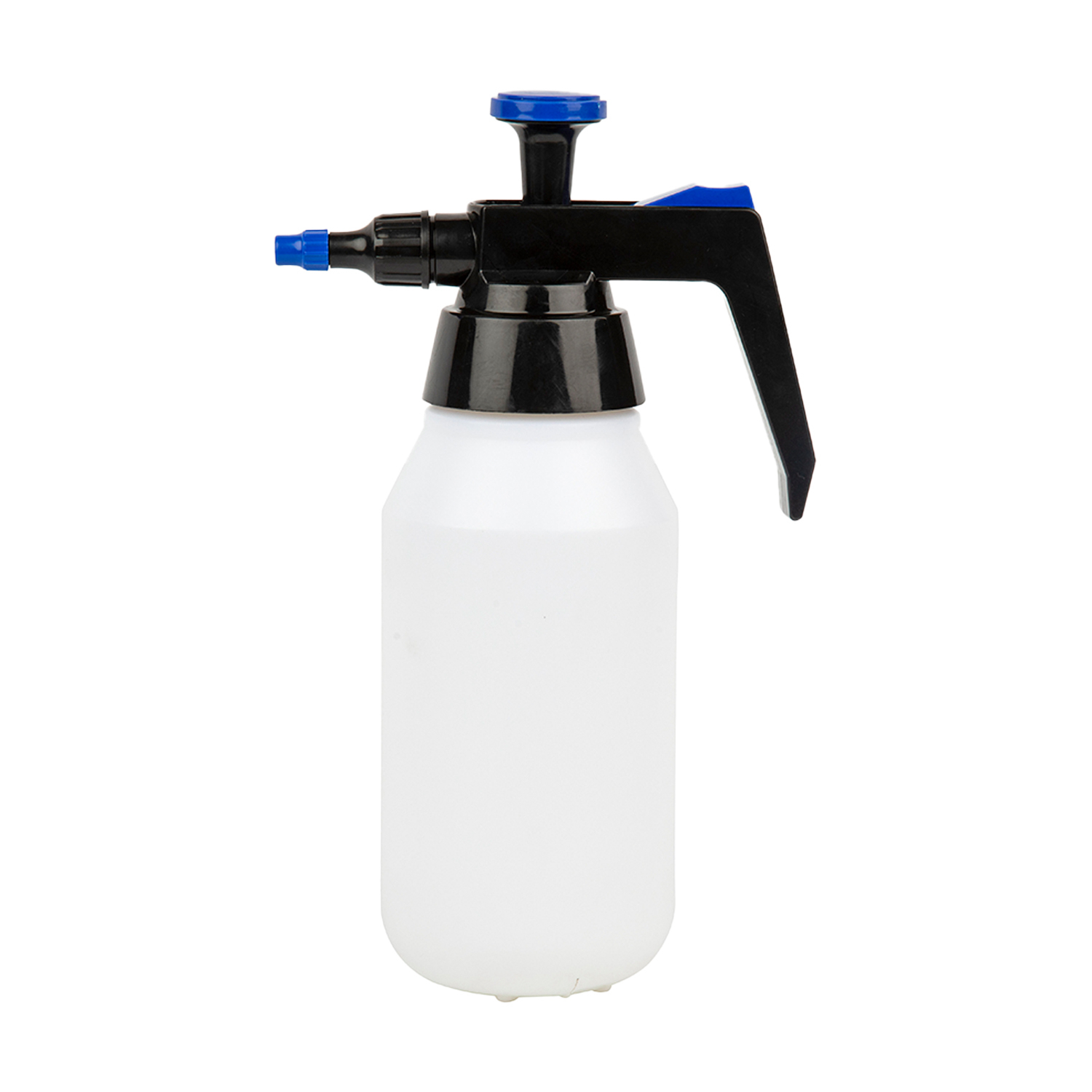
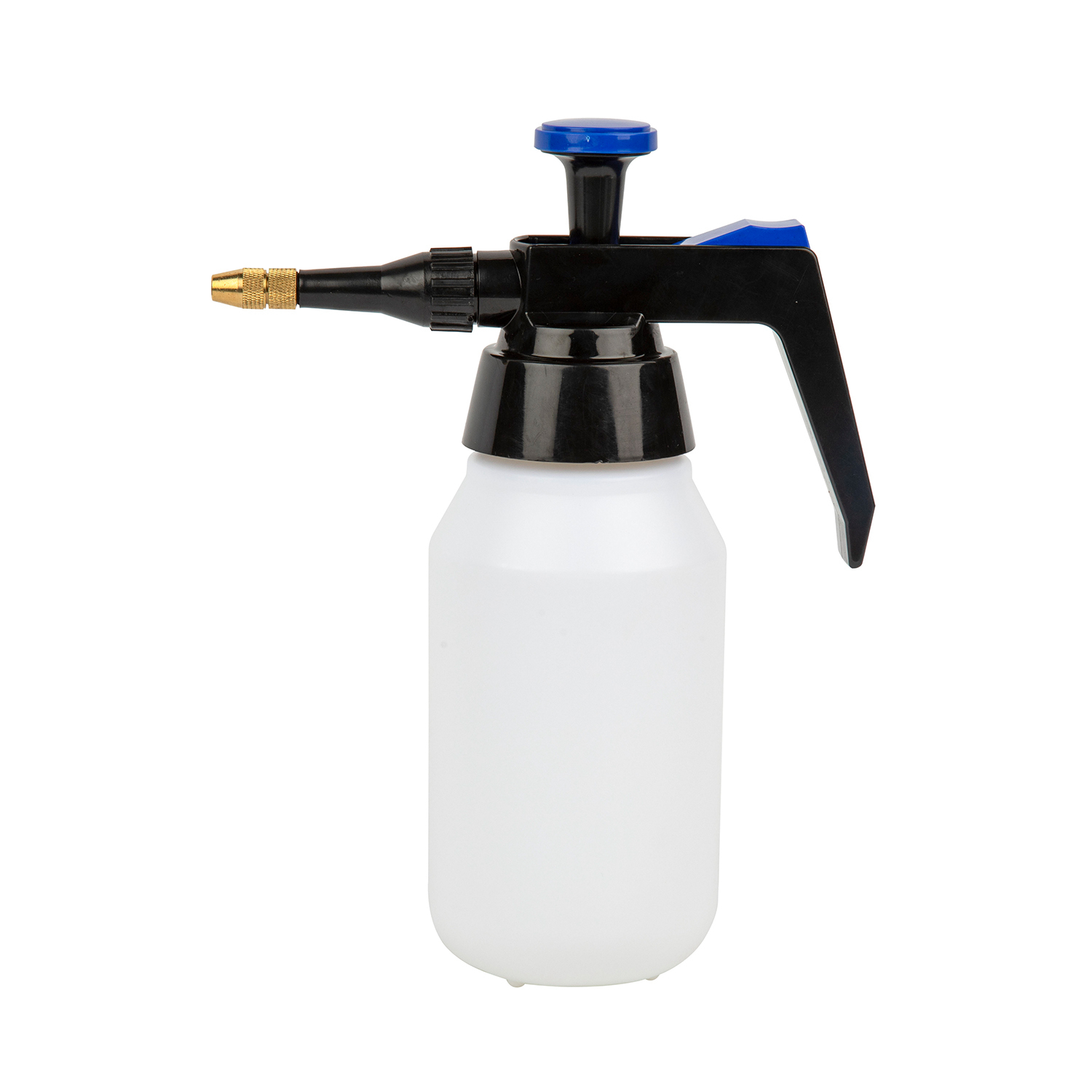
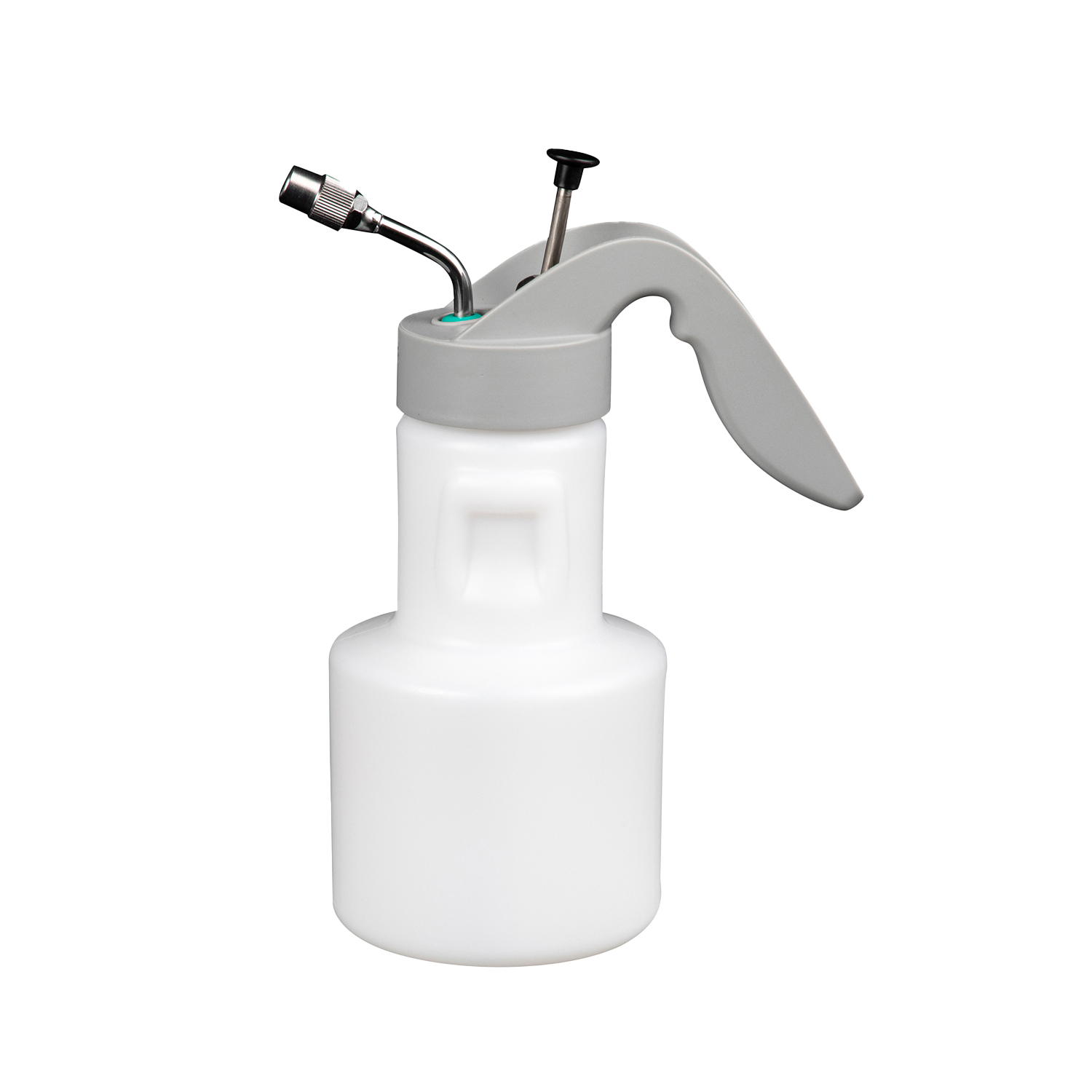
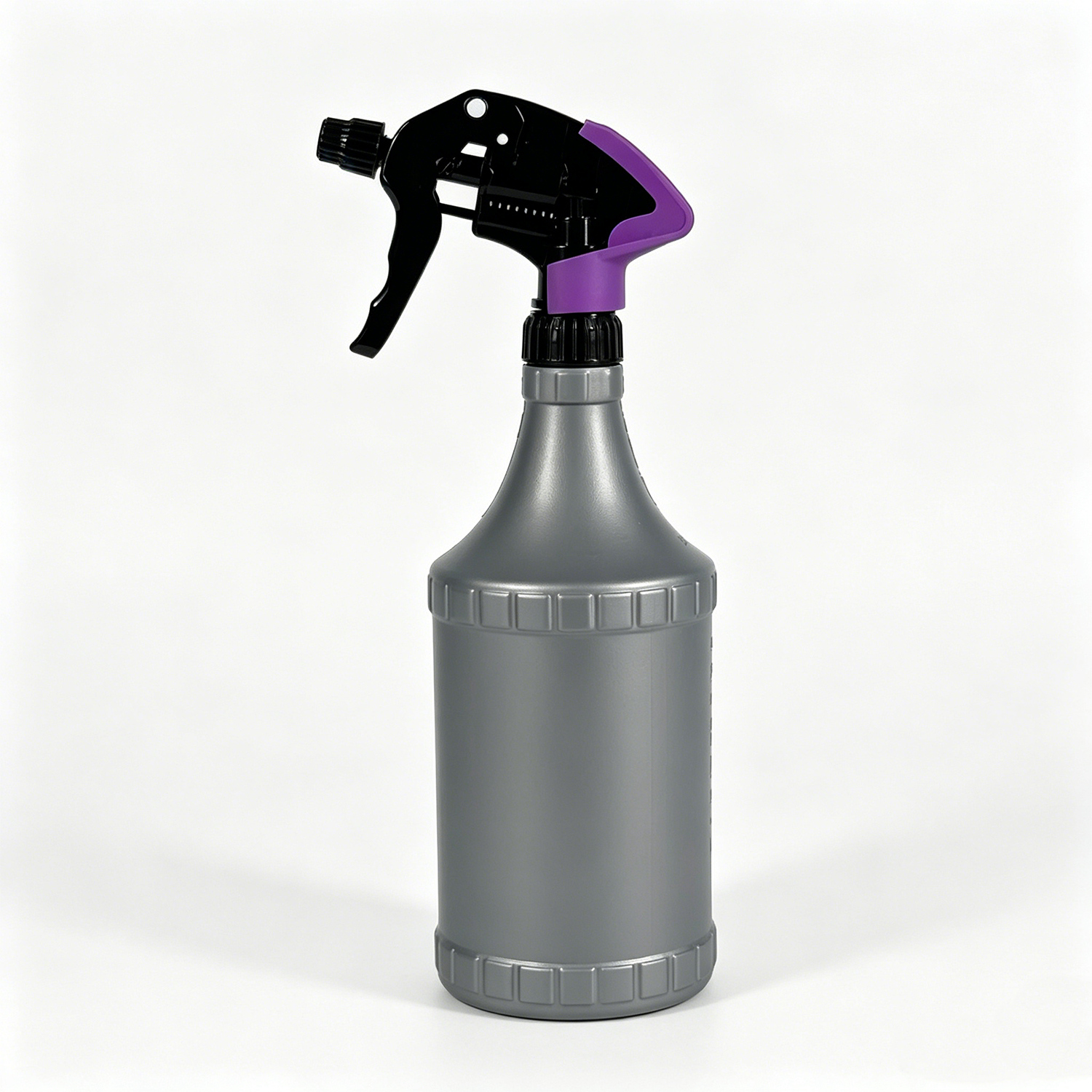
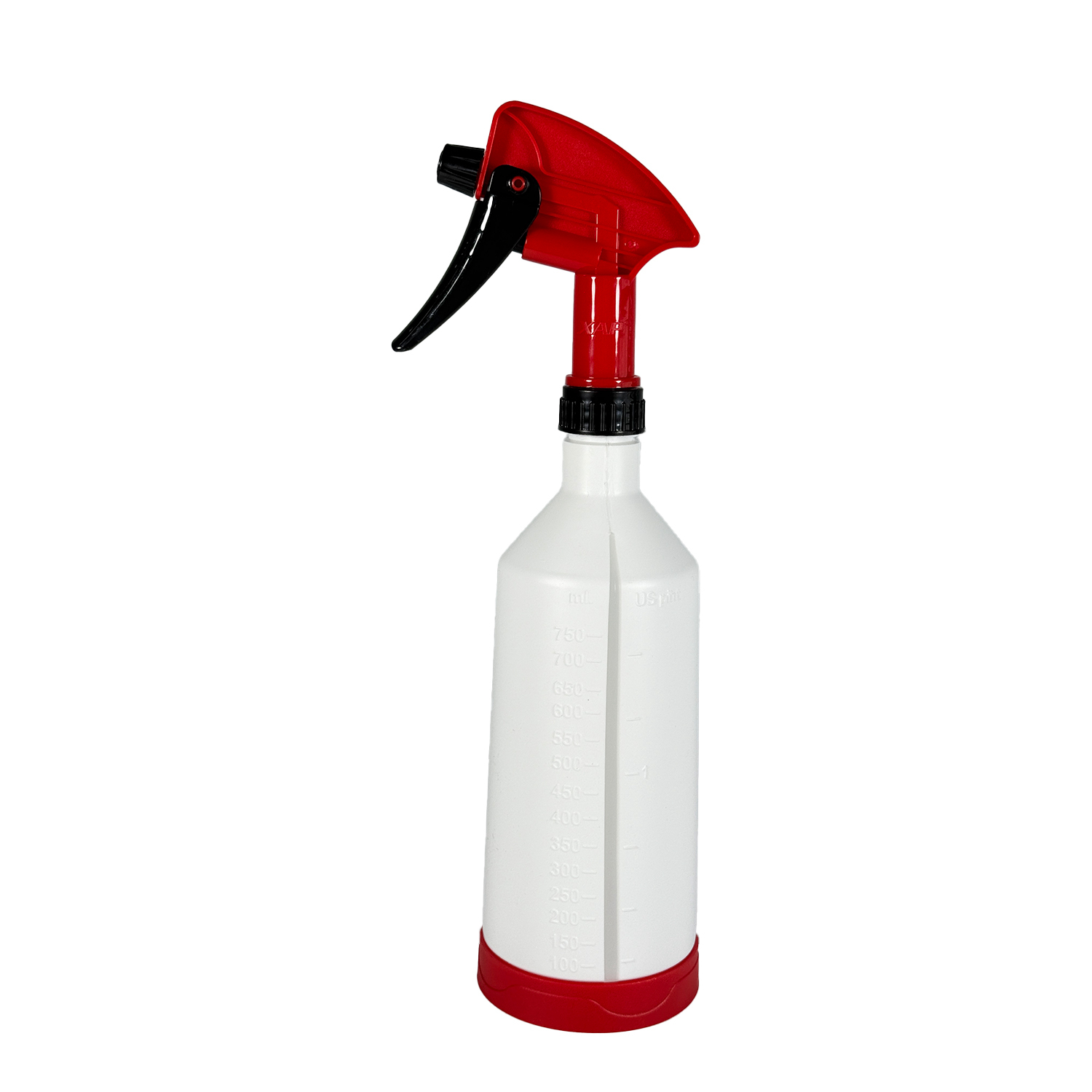
Choosing Cleaner Bottles for Waterborne and Solvent-Based Paint Systems starts with matching the bottle, closure, gasket, and spray mechanism to the cleaning chemical. Waterborne paint cleaners generally require bottles that resist swelling, stress cracking, and residue retention, while solvent-based cleaners may require polyethylene, polypropylene, fluorinated plastic, metal, or specialty solvent-resistant construction. I do not recommend treating one universal bottle as suitable for every paint system because chemical incompatibility can cause leaks, blocked nozzles, contamination, or unsafe handling.
!
Key Takeaways
- Bottle material must match the cleaner chemistry, concentration, exposure time, and dispensing method.
- Waterborne and solvent-based paint systems require separate identification, storage, cleaning, and disposal controls.
- HDPE often suits many waterborne solutions, while solvents may require polypropylene, fluorinated plastic, or metal.
- Dedicated bottles reduce cross-contamination between paint storage, reducers, cleaners, touch-up products, and waste.
- A proper selection process evaluates compatibility, sealing, spray performance, labeling, reuse, leakage, and lifecycle cost.
What You Need Before Starting
Before selecting a Paint Spray Gun Cleaner Bottle, I first identify the exact liquid that will be stored or dispensed. “Paint cleaner” can refer to water, detergent blends, co-solvent cleaners, gun-wash products, reducers, acetone-containing formulas, ketone mixtures, alcohol blends, or proprietary cleaning concentrates. The bottle must be assessed against the actual Safety Data Sheet, concentration, operating temperature, and expected contact time.
I also separate the application into five product groups: paint, reducer or thinner, cleaner, touch-up material, and waste. These liquids should not share an unmarked container because residue from one group can change the viscosity, drying behavior, or surface appearance of another product. A paint shop should also confirm whether the bottle will be used for storage, short-term transfer, spraying, or collection.
For a purchasing review, I prepare the following information:
- Chemical name and concentration
- Safety Data Sheet and hazard classification
- Expected storage duration
- Required volume and refill frequency
- Spray pattern or stream requirement
- Exposure to heat, sunlight, and workshop contaminants
- Whether the bottle will be reused or disposed of
- Label, color, and traceability requirements
Kobold supplies sprayers and dispensing equipment for automotive maintenance, paint-shop, industrial cleaning, and related applications. Its product range includes solvent sprayers and spray gun cleaning applicators, while its manufacturing scope includes product design, mold making, injection molding, assembly, OEM, and ODM services. The company states that it has more than two decades of industry experience, more than 500 served clients, and more than 50 active patents, with quality processes covering incoming, in-process, and outgoing inspection.
How to Choose Cleaner Bottles for Waterborne and Solvent-Based Paint Systems
I use a compatibility-first process rather than selecting a bottle based only on price or appearance. The following steps help me evaluate chemical resistance, dispensing performance, safety, and total ownership cost.
1. Identify the Paint and Cleaning Chemistry
The first step is distinguishing between waterborne and solvent-based products. Waterborne coatings use water as the primary carrier but may still contain co-solvents, surfactants, glycol ethers, amines, biocides, and other additives. A waterborne cleaner may therefore be mild in one formulation and aggressive toward a plastic, gasket, or printed label in another.
Solvent-based coatings and cleaners can contain acetates, ketones, aromatic hydrocarbons, aliphatic hydrocarbons, alcohols, or blended reducers. These chemicals may soften plastics, swell elastomer seals, weaken adhesives, dissolve markings, or cause stress cracking after repeated exposure. I never assume that a bottle suitable for waterborne paint cleaners will also be suitable for solvent-based paint cleaners.
The practical difference between the two systems is not simply whether the liquid contains water. It is the complete chemical profile, including concentration, temperature, contact time, vapor pressure, and repeated wet-dry cycling. A compatibility decision should therefore be based on the cleaner’s technical documentation and a controlled sample test.
2. Select the Bottle Material
Bottle material affects chemical resistance, flexibility, transparency, weight, and disposal. The most common choices for paint cleaning chemicals include polyethylene, polypropylene, fluorinated plastic, metal, and specialty solvent-resistant bottles.
| Bottle material |
Typical use direction |
Main considerations |
| HDPE |
Many waterborne cleaners and selected mild chemical solutions |
Good impact resistance, practical cost, and useful resistance to many aqueous products |
| LDPE |
Flexible squeeze bottles and short-term dispensing |
Flexible but may be less suitable for aggressive solvents or long-term storage |
| Polypropylene |
Selected solvent-based cleaners and higher-temperature applications |
Often more resistant than polyethylene to certain chemicals, but compatibility must be verified |
| Fluorinated plastic |
Aggressive or permeating solvent formulations |
Higher chemical resistance and lower permeation risk, usually at a higher cost |
| Metal |
Certain solvent storage or industrial dispensing duties |
Strong barrier properties, but corrosion, grounding, weight, and denting require review |
| Specialty solvent-resistant bottle |
Formulas with known plastic compatibility problems |
Useful when standard plastic bottles show swelling, cracking, or leakage |
HDPE bottles for paint cleaning chemicals are often practical for waterborne cleaning solutions, diluted detergents, and selected low-aggression formulations. However, HDPE is not automatically compatible with every solvent blend. A bottle may appear stable during a short trial but develop distortion, brittleness, or leakage after several weeks.
Polypropylene bottles for solvent-based cleaners can be useful when the chemical supplier confirms compatibility. Fluorinated plastic or a specialty solvent-resistant bottle may be more appropriate for aggressive solvents, long storage, or repeated refill cycles. For metal containers, I check corrosion resistance, closure lining, static-control requirements, and whether the container is approved for the specific chemical.
3. Check the Closure, Gasket, and Spray Mechanism
Bottle compatibility involves more than the reservoir. The pump head, dip tube, valve, nozzle, gasket, spring, and internal seals can fail even when the bottle body remains intact. I ask suppliers to identify the materials used in all wetted components and to state whether the sprayer is intended for waterborne cleaners, solvent-based cleaners, or both.
A trigger sprayer may be suitable for low-viscosity waterborne solutions but produce inconsistent output with a volatile solvent. A pressurized or hand-pump design may provide a more controlled stream for spray gun cleaning, while a narrow nozzle may reduce overspray and chemical consumption. The correct design depends on whether the operator is rinsing a surface, wetting a cloth, flushing a passage, or applying cleaner inside a spray gun.
I also inspect the seal between the closure and bottle neck. A loose fit can create vapor loss, leakage, and contamination, while an overly tight closure may damage threads or make daily operation difficult. For automotive refinishing and industrial coating work, I prefer a bottle that can be opened, closed, and handled repeatedly without relying on temporary tape or improvised caps.
4. Separate Paint, Reducer, Cleaner, Touch-Up, and Waste Bottles
One of the most effective ways to prevent cross-contamination is to assign different bottles to different liquid categories. I do not use a cleaner bottle to store paint, and I do not use a paint bottle to hold a reducer or waste solvent. Even a small amount of residue can affect color matching, gloss, drying, adhesion, or spray-gun performance.
A practical organization system uses separate colors, shapes, labels, and storage locations:
- Paint bottles: identified by product name, color code, batch, and expiry information
- Reducer bottles: marked with solvent type, ratio, and hazard information
- Cleaner bottles: marked with cleaner name, concentration, and intended equipment
- Touch-up bottles: identified by color, substrate, and application date
- Waste containers: marked as waste, kept closed, and managed according to site procedures
Labels should remain readable after exposure to cleaner vapor, splash, gloves, and workshop abrasion. I include the product name, hazard symbols where required, date filled, responsible operator, and a clear statement such as “Waterborne Cleaner Only” or “Solvent Cleaner Only.” Where multiple shifts use the same equipment, labeling should not depend on memory or color alone.
5. Test Paint Cleaner Bottle Compatibility Before Purchase
A short compatibility trial can reveal problems that a general material chart does not show. I fill sample bottles with the intended cleaner at the same concentration used in production, then inspect the bottle, dip tube, closure, gasket, label, and nozzle at defined intervals.
During the trial, I check for:
- Swelling or dimensional change
- Softening, embrittlement, or surface whitening
- Cracks around the neck and threads
- Leakage when inverted or stored on its side
- Changes in spray pattern or trigger force
- Odor, discoloration, or visible extraction
- Label detachment or ink damage
- Blockage caused by dried residue
The test should reflect real storage and use conditions rather than only a brief spray demonstration. If the bottle will be refilled daily, I test repeated opening and closing. If it will remain filled for several weeks, I include a storage period that matches the intended operating cycle.
Waterborne vs Solvent-Based Paint Cleaner Bottles
The differences between waterborne and solvent-based paint cleaner bottles affect material choice, equipment, storage, labeling, and disposal. Waterborne systems may require dedicated water-compatible spray bottles, clean water or approved cleaning solutions, air-drying equipment, and controls against microbial growth or residue buildup.
Solvent-based systems may require vapor-resistant closures, solvent-compatible seals, grounding or ventilation controls, and containers rated for the specific chemical. The operator may also need a separate waste stream because solvent-contaminated materials cannot automatically be handled in the same way as waterborne rinse water.
| Selection factor |
Waterborne paint systems |
Solvent-based paint systems |
| Typical bottle direction |
HDPE, selected LDPE, or approved specialty plastic |
Polypropylene, fluorinated plastic, metal, or approved solvent-resistant plastic |
| Main risk |
Residue, microbial growth, swelling from additives, and contamination |
Softening, cracking, vapor loss, permeation, and flammability |
| Dispensing need |
Controlled spray, stream, or rinse application |
Sealed, low-loss dispensing with solvent-compatible seals |
| Labeling |
Product, concentration, date, and waterborne-only designation |
Chemical name, hazard information, solvent-only designation, and waste controls |
| Cleaning after use |
Rinse according to product instructions and dry fully |
Use the specified compatible cleaner and prevent vapor accumulation |
| Disposal |
Follow local rules for contaminated rinse water and packaging |
Follow hazardous-waste, flammable-liquid, and solvent-contaminated material rules |
Waterborne coatings do not always require completely different spray guns, but they often require equipment practices that reduce contamination and drying problems. Some shops use dedicated guns, hoses, and cleaner bottles for waterborne products, while others use carefully controlled cleaning procedures. The right approach depends on the coating supplier’s instructions, shop volume, and the consequences of residue transfer.
Safe Storage, Handling, Cleaning, and Disposal
I store filled cleaner bottles upright, capped, and away from direct sunlight, heat sources, sparks, and incompatible chemicals. The storage area should provide enough ventilation for the product and should prevent bottles from being crushed, punctured, or placed where spills can reach drains. Secondary containment is useful when a leak could affect floors, equipment, or nearby paint materials.
Operators should inspect the bottle before every use. A cracked neck, swollen body, loose trigger, brittle dip tube, or damaged label is a reason to remove the bottle from service. I also avoid transferring chemicals into food containers, unmarked bottles, or containers that previously held a different chemical.
Cleaning and disposal depend on the cleaner and local requirements. A bottle used for a waterborne solution may be rinsed only when the product instructions permit it, while a solvent-contaminated container may need to be handled as hazardous waste. Empty does not always mean safe, because vapor and residue can remain inside the bottle, dip tube, and spray head.
Lifecycle Cost: Reusable Versus Disposable Bottles
The lowest purchase price does not always produce the lowest operating cost. I compare the bottle price with refill labor, cleaning time, replacement frequency, leakage risk, chemical loss, contamination events, and disposal charges.
A reusable bottle may reduce packaging waste and purchasing frequency, but only if it can be cleaned without retaining residue and can withstand repeated chemical exposure. If operators cannot fully remove the previous cleaner, reuse may create more contamination risk than savings. A disposable or limited-use bottle may be preferable for aggressive solvents, short production runs, or chemicals that are difficult to remove from internal components.
| Cost factor |
Reusable bottle |
Disposable or limited-use bottle |
| Initial purchase |
Usually higher than basic disposable packaging |
Usually lower per unit |
| Cleaning labor |
Requires time, rinse material, and inspection |
Minimal between uses |
| Contamination risk |
Increases if cleaning is incomplete |
Lower when each chemical receives a new container |
| Leakage risk |
Can rise after repeated exposure |
Easier to control through replacement |
| Waste volume |
Potentially lower |
Potentially higher |
| Best application |
Stable chemicals, controlled refill process, known compatibility |
Aggressive chemicals, short use cycles, strict separation |
For a small automotive paint shop, I usually favor a limited number of clearly dedicated bottles rather than one bottle for every minor task. For a larger industrial coating operation, color coding, batch tracking, scheduled inspection, and standardized replacement intervals become more important because many operators may handle the same chemicals.
Practical Decision Matrix
| Your priority |
Recommended direction |
Reason |
| Waterborne gun cleaning |
Approved HDPE or other water-compatible bottle |
Practical for many aqueous cleaners when the formulation is confirmed |
| Solvent-based gun cleaning |
Polypropylene, fluorinated plastic, metal, or specialty solvent-resistant bottle |
Provides a starting point for stronger chemical exposure |
| Long-term solvent storage |
Sealed solvent-rated container with compatible closure |
Reduces vapor loss, leakage, and material degradation |
| Frequent controlled spraying |
Chemical-compatible trigger or pump sprayer |
Improves repeatability and limits uncontrolled pouring |
| Maximum cross-contamination control |
Separate color-coded bottles for each liquid category |
Prevents accidental substitution and residue transfer |
| Lowest cleaning labor |
Disposable or limited-use bottles |
Reduces internal residue and wash-down requirements |
| OEM or private-label program |
Custom bottle, sprayer, color, packaging, and label specification |
Supports consistent identification across a product range |
How to Choose Cleaner Bottles for Waterborne and Solvent-Based Paint Systems: Final Process
I recommend using a five-part purchasing process: document the chemical, select compatible wetted materials, test the complete bottle assembly, define labeling and storage rules, and set a replacement or inspection schedule. This process is more reliable than choosing a bottle from a general catalog description that lists only volume and color.
For waterborne paint systems, begin with HDPE or another confirmed compatible plastic, then check additives, seals, residue retention, and drying requirements. For solvent-based paint systems, evaluate polypropylene, fluorinated plastic, metal, or specialty solvent-resistant bottles against the actual solvent blend. In both cases, verify the trigger, dip tube, gasket, label, and closure rather than reviewing the bottle body alone.
Choosing Cleaner Bottles for Waterborne and Solvent-Based Paint Systems should finish with clear separation between paint storage, reducers, cleaners, touch-up products, and waste. A dedicated Paint Spray Gun Cleaner Bottle can support safer dispensing and reduce cross-contamination when its material and spray mechanism match the chemical. Kobold’s sprayer and OEM/ODM capabilities may be relevant for shops or distributors that need customized bottle colors, labels, packaging, or dispensing configurations, but the final selection should remain based on documented compatibility and site-specific handling requirements.

 Hose End Sprayer
 Agriculture & Garden
 Cleaning & Disinfection
 Specialty Products