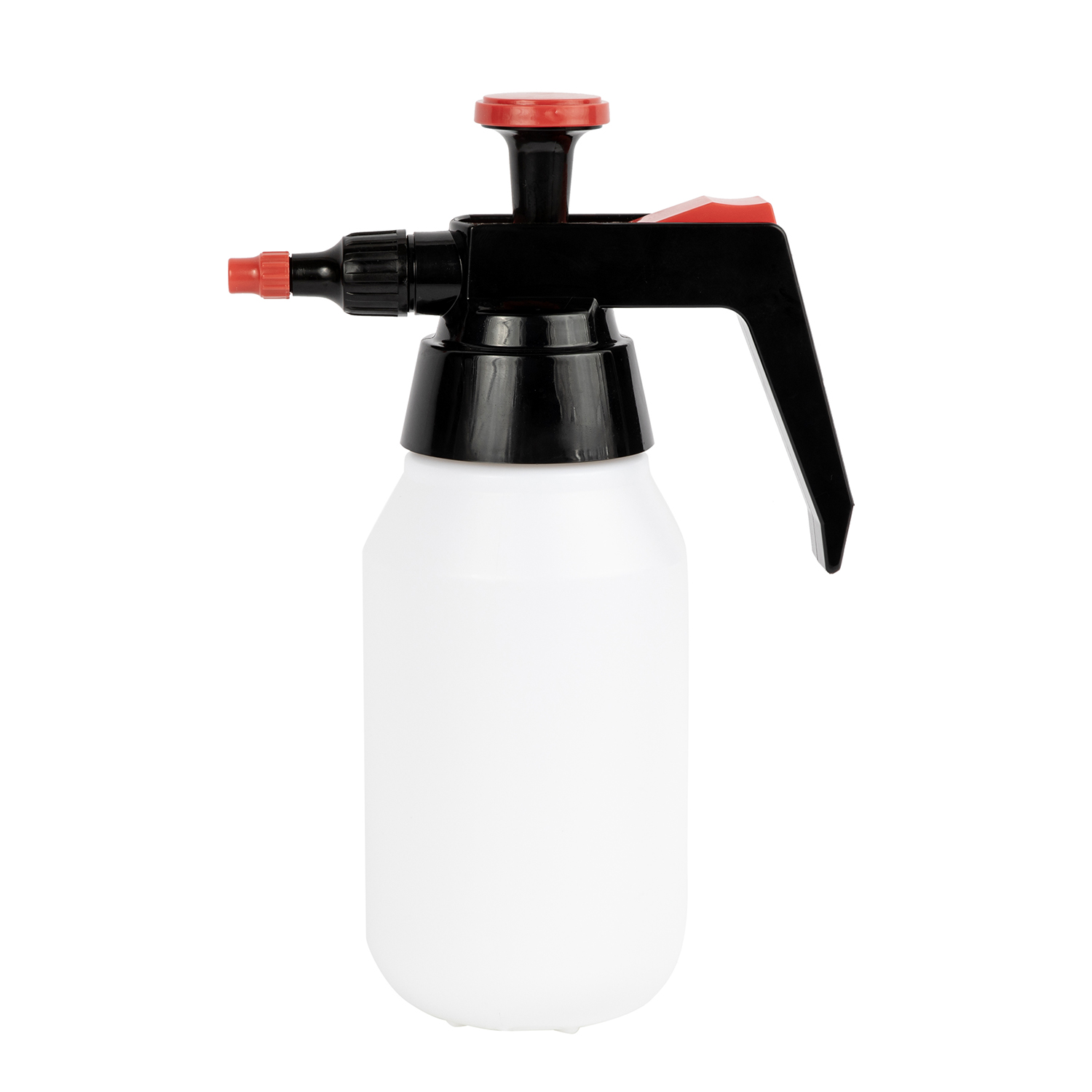
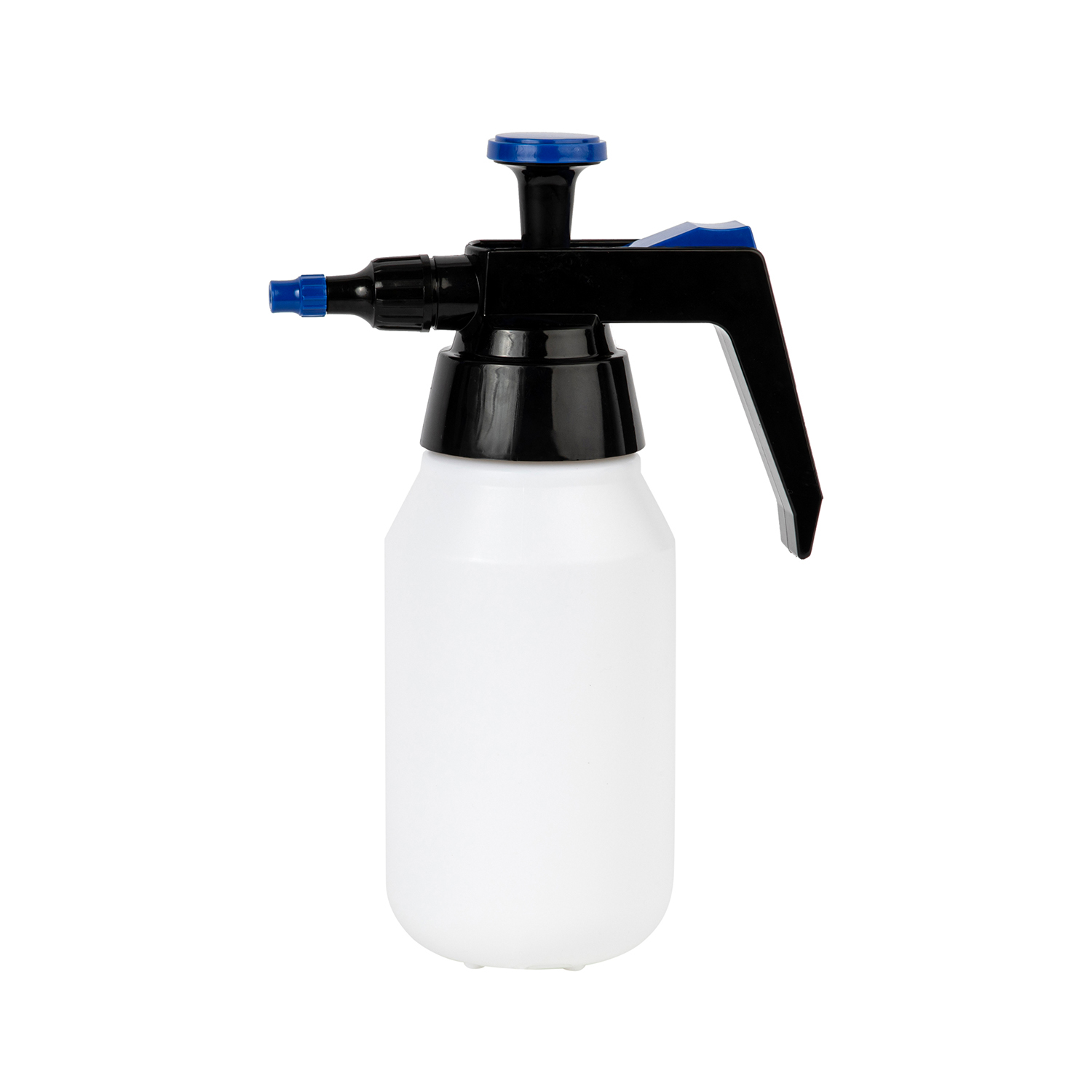
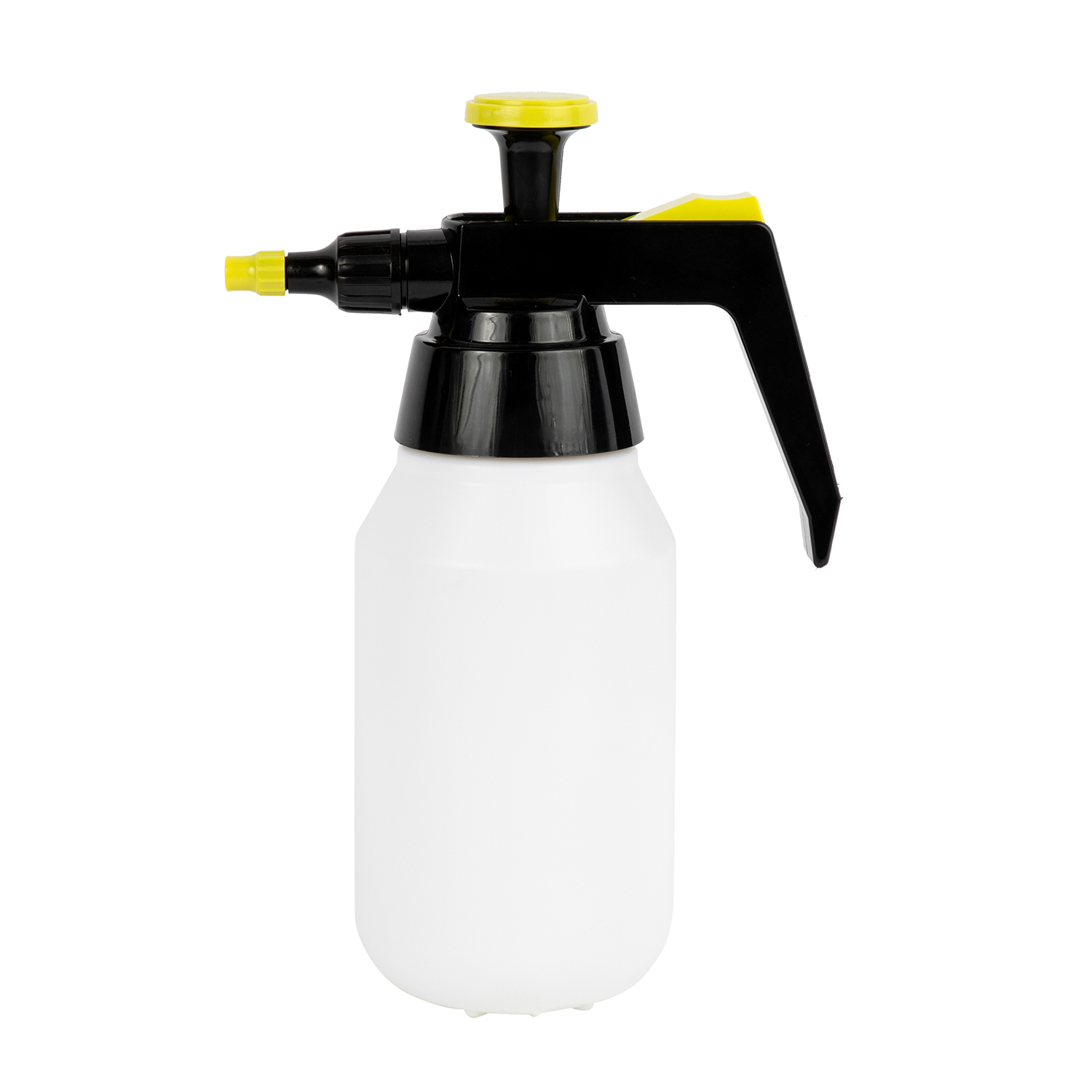
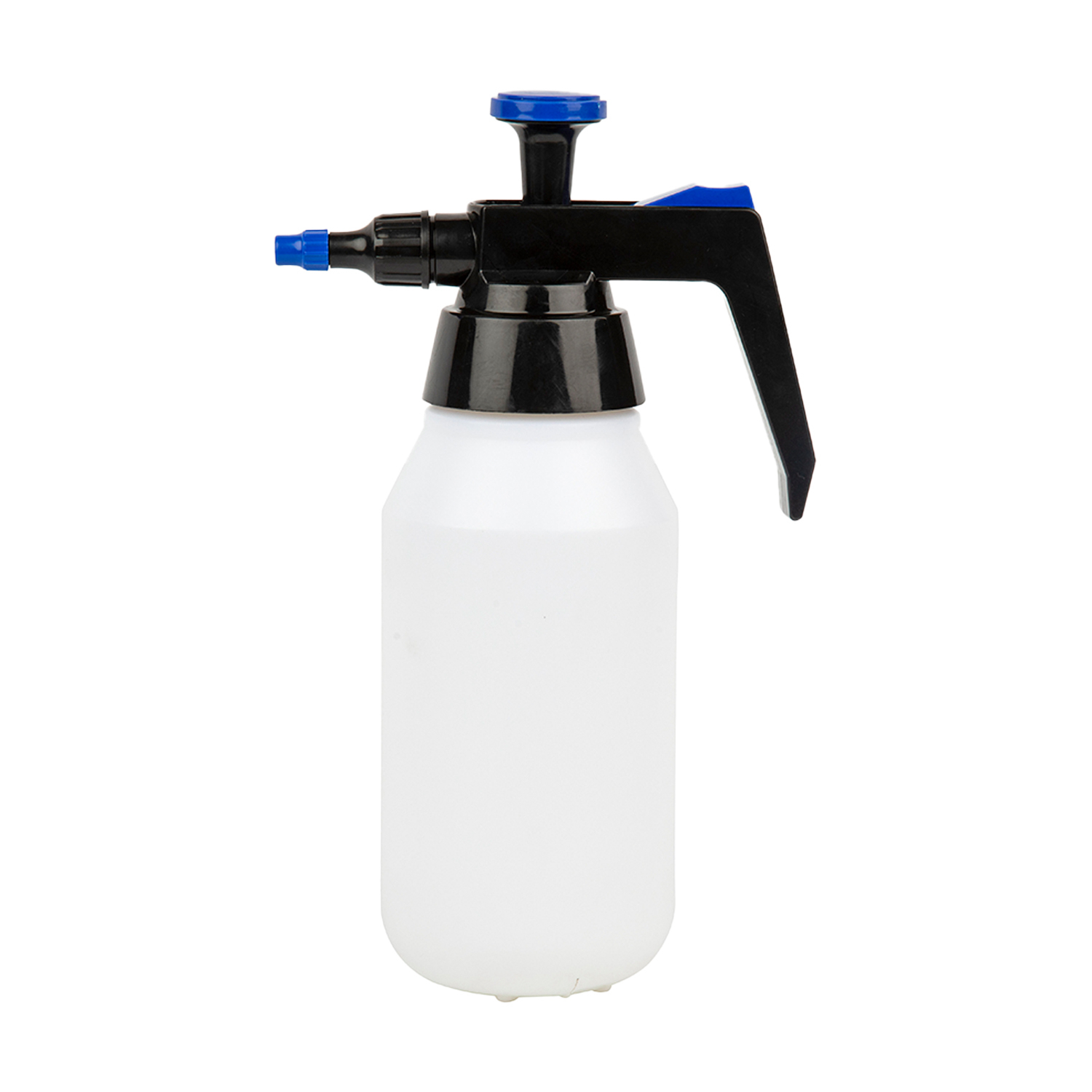
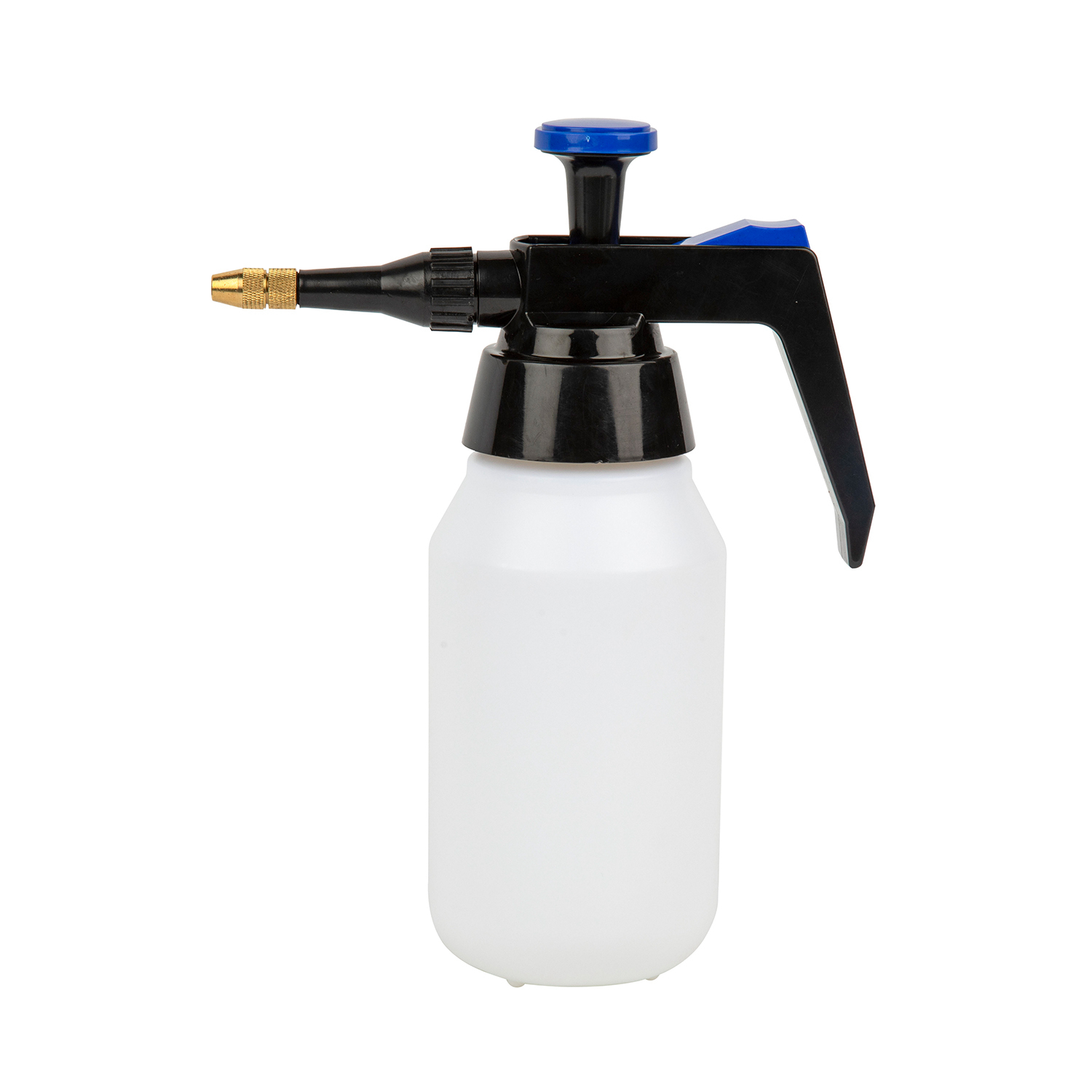
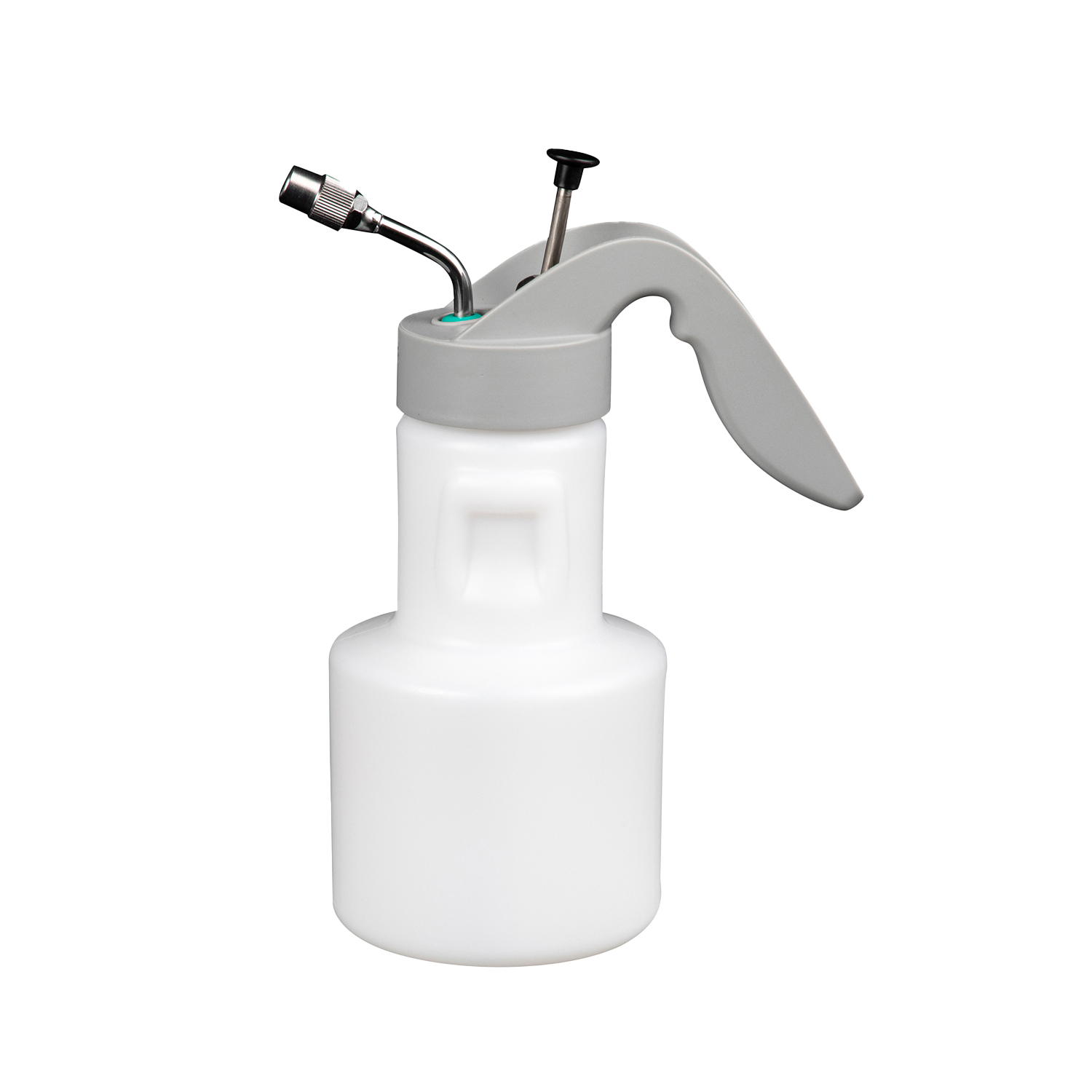
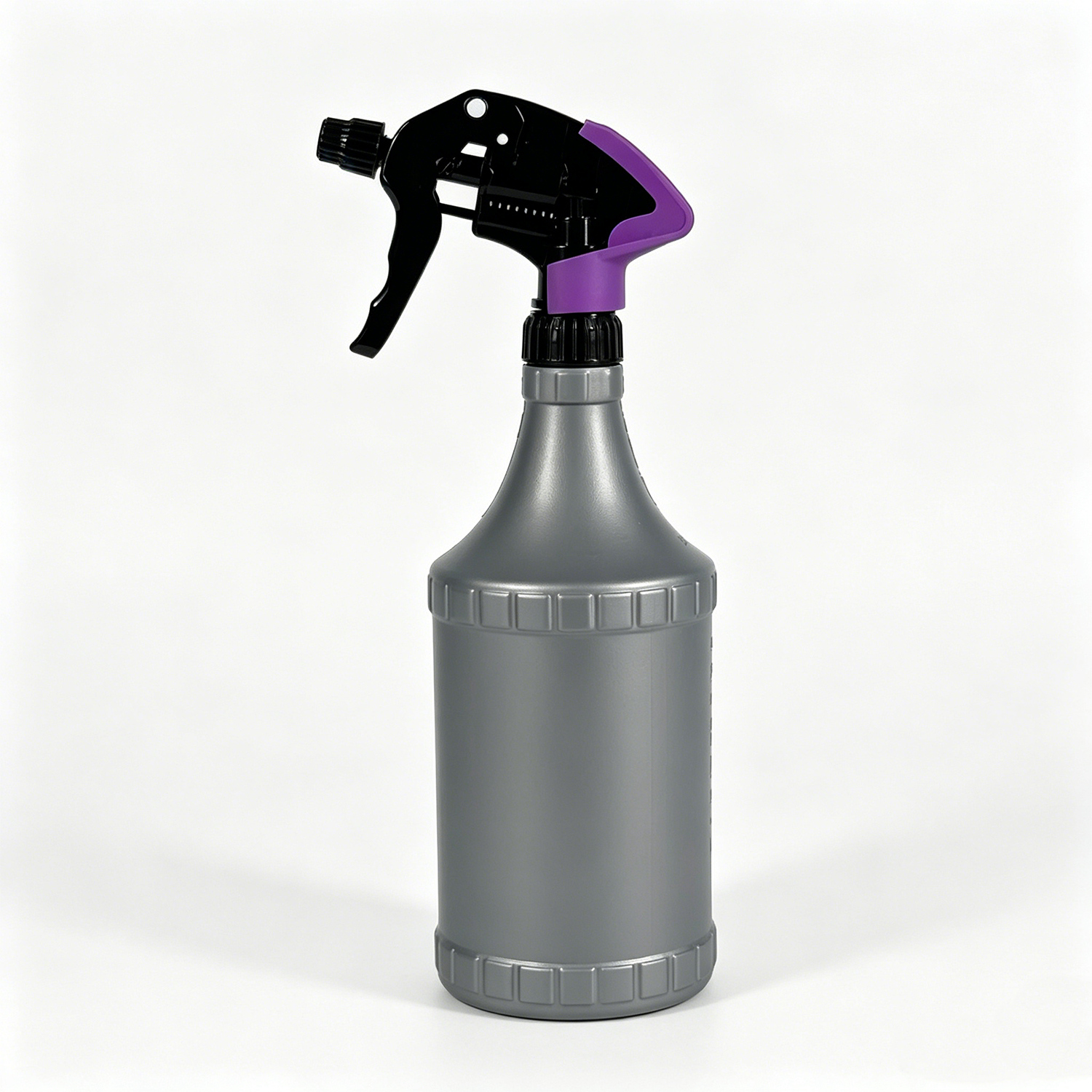
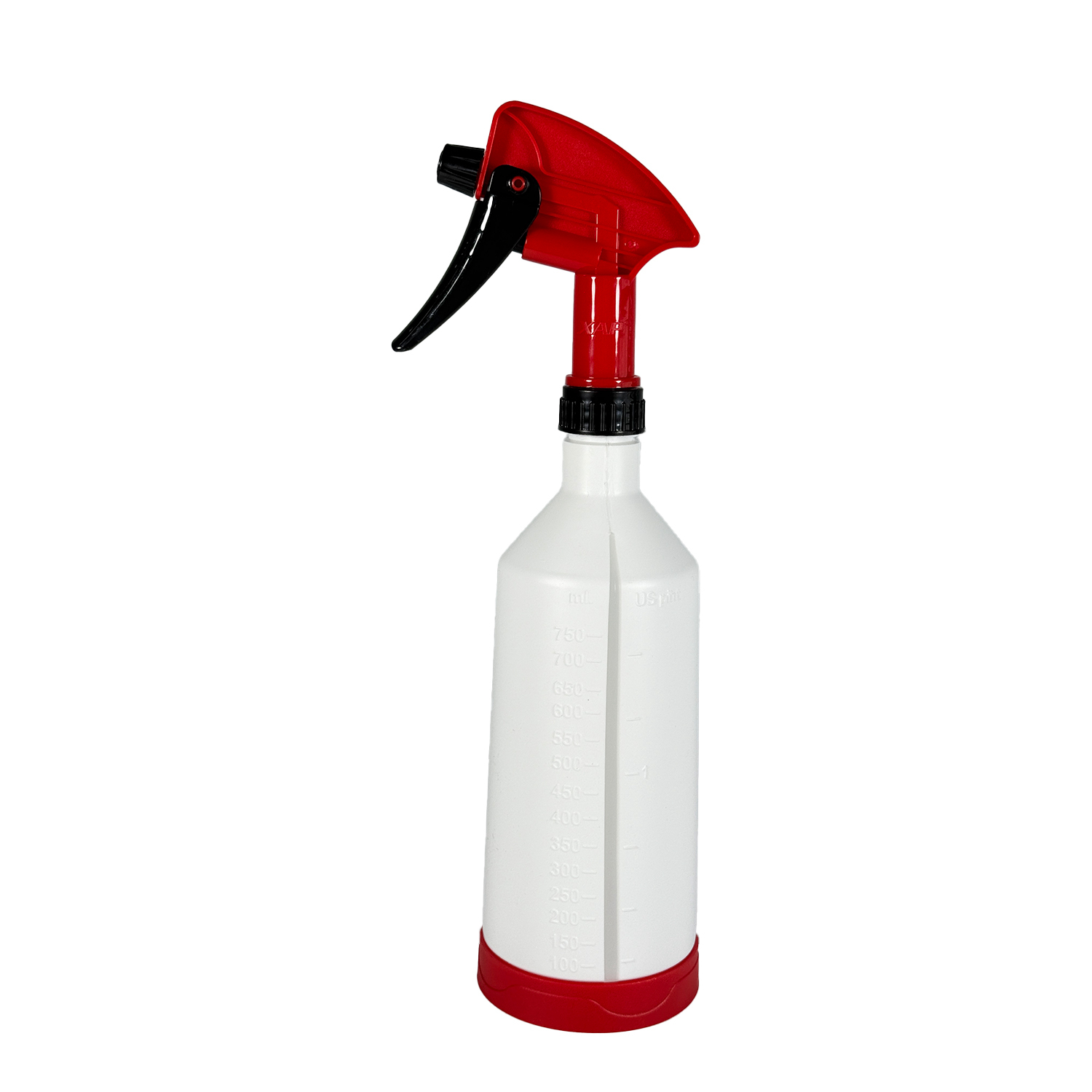
Automotive Solvent Sprayer Maintenance for Longer Service Life begins with a safe shutdown, pressure release, compatible flushing solvent, nozzle and filter cleaning, seal inspection, and controlled storage. I also record pressure behavior, spray-pattern changes, hose condition, and component wear after each service cycle. This sequence helps auto repair shops reduce clogs, chemical exposure, uneven application, and avoidable equipment replacement.
!
What Is Automotive Solvent Sprayer Maintenance?
Automotive solvent sprayer maintenance is the routine process of cleaning, flushing, inspecting, repairing, and storing a sprayer used with brake cleaner, degreasers, gun-wash fluids, and other automotive solvents. The work protects the pump, hose, nozzle, valve, filter, seals, gaskets, fittings, and pressure vessel from chemical attack and residue buildup. It is different from simply rinsing the outside of the sprayer after use.
I treat maintenance as a service-life workflow rather than a single cleaning task. The correct solvent must be selected for the sprayer’s wetted materials, and the equipment must be depressurized before any nozzle, hose, or filter is removed. For flammable solvents, ventilation, ignition control, grounding practices, and suitable personal protective equipment are essential parts of the procedure.
Kobold supplies automotive maintenance sprayers, brake cleaner sprayers, and spray-gun cleaning applicators for workshop and industrial applications. The company identifies Taizhou Kobold Sprayer Co., Ltd. as its manufacturing organization and reports experience across automotive maintenance, cleaning, agriculture, gardening, sanitation, and firefighting equipment. Its stated production capabilities include product design, mold making, injection molding, assembly, and inspection activities.
Why Automotive Solvent Sprayer Maintenance Matters
Solvent residue can dry inside a nozzle, filter, valve, or hose fitting within a short period after use. Once the residue hardens, the sprayer may require higher pumping effort while producing a narrower or uneven spray pattern. Continued operation under these conditions can increase wear on seals, valves, and pump components.
Improper solvent selection creates a second risk. A fluid that is chemically incompatible with an elastomer may cause swelling, softening, cracking, or loss of elasticity, which can lead to leakage and pressure loss. I therefore check the sprayer manual and the solvent safety data before using a new automotive cleaning fluid.
Routine upkeep is usually worth performing when the sprayer still retains pressure, has no structural damage, and can produce a consistent spray after cleaning. Replacement becomes more practical when the tank, pressure vessel, pump body, or fittings are cracked, permanently distorted, or unsafe to repair. The decision should include downtime risk, spare-part availability, labor time, and the cost of a new sprayer.
Automotive Solvent Sprayer Maintenance Best Practices
1. Depressurize and isolate the equipment
Before cleaning, I stop spraying, move the unit away from ignition sources, and place it on a stable, ventilated work surface. I release pressure according to the manufacturer’s procedure and never loosen the pump, hose, or nozzle while pressure remains in the container. If the sprayer contains a flammable solvent, I also follow the workshop’s grounding and electrical-control procedures.
Suitable PPE depends on the solvent, but gloves, eye protection, protective clothing, and adequate ventilation are common baseline controls. I avoid using compressed air to atomize solvent residue into the work area because it can increase inhalation and fire risks. The container should remain closed whenever the sprayer is not actively being serviced.
2. Flush immediately after use
Immediate flushing is the most important daily action because it prevents residue from drying inside the fluid path. I empty unused solvent according to the site’s hazardous-waste procedure, then add a compatible flushing fluid and operate the sprayer until the output becomes clear. The flushing fluid must not damage the pump, seals, hose liner, or nozzle materials.
For a heavily contaminated sprayer, I use a short soak only when the manufacturer permits it. I avoid leaving solvent in the unit overnight unless the product instructions specifically approve that storage condition. After flushing, I rinse the exterior, wipe the trigger and fittings, and inspect for wetness that could indicate a developing leak.
3. Clean the nozzle and filter
Nozzle cleaning should start with removal of loose residue using a soft brush or approved cleaning tool. I do not insert a hardened steel wire into a precision orifice because it can enlarge or deform the opening, changing the spray pattern. If the nozzle remains restricted after flushing, I replace it or use the manufacturer’s approved cleaning method.
The filter should be removed, rinsed with a compatible fluid, and checked against a light source for blocked mesh areas. A filter that is torn, permanently distorted, or still restricted after cleaning should be replaced. Preventing clogs at the filter is more effective than compensating for restriction by increasing pumping force.
4. Inspect pumps, hoses, valves, seals, and fittings
I inspect the pump for abnormal resistance, irregular strokes, fluid seepage, and failure to retain pressure. The hose should be checked along its full length for swelling, cuts, hardening, abrasion, kinks, and solvent odor trapped beneath an outer layer. Fittings must remain tight without cracked threads or deformation.
Valves and triggers should move smoothly and close fully when released. Any continuing drip after the trigger closes indicates that the nozzle, valve seat, seal, or internal debris requires attention. I inspect solvent-resistant seals and gaskets for flattening, brittleness, swelling, or surface cracking because these conditions often appear before a visible leak.
How to Clean and Unclog a Solvent Sprayer Nozzle
I clean a solvent sprayer nozzle in a controlled sequence rather than forcing fluid through a blocked opening. First, I depressurize the sprayer, remove the nozzle if the design permits, and wipe away external residue. I then flush the nozzle from the correct direction with a compatible solvent and use a soft brush or approved nozzle tool.
Spray-pattern quality provides a practical decision point. A healthy nozzle should produce a stable, even pattern at the intended operating pressure, while pulsing, streaking, a crescent-shaped pattern, or a sudden reduction in output suggests restriction or wear. If cleaning restores the pattern, I return the nozzle to service; if the pattern remains irregular, I replace it rather than enlarging the orifice.
Nozzle wear can also increase fluid consumption and extend application time. In an automotive workshop, I record repeated clogging events by shift or work order so that the cause can be traced to dirty solvent, inadequate filtration, incompatible residue, or nozzle deterioration. This record helps distinguish a cleaning problem from a component-replacement problem.
Automotive Solvent Sprayer Maintenance Checklist
I use the following checklist for daily, weekly, and periodic service activities. The exact interval should be adjusted for solvent type, spray volume, operating pressure, temperature, and the number of work cycles. A busy repair shop may need to perform the daily tasks after every use, while a mobile mechanic may combine weekly inspection with route planning.
| Maintenance interval |
Inspection or service action |
Practical decision point |
| After every use |
Depressurize, empty, flush, and wipe the sprayer |
Flush until output is visibly free of residue |
| After every use |
Clean nozzle and check spray pattern |
Clean or replace if the pattern is uneven |
| Daily |
Check hose, trigger, fittings, and tank exterior |
Remove from service if leaking or cracked |
| Weekly |
Inspect filter, pump action, seals, and valve closure |
Replace parts showing swelling, hardening, or distortion |
| Monthly |
Check pressure retention and storage condition |
Investigate pressure loss or corrosion before further use |
| Quarterly or according to workload |
Review wear records and replacement needs |
Repair when parts are serviceable; replace unsafe assemblies |
I test pressure retention by pressurizing the sprayer to its normal operating range and observing whether pressure falls while the trigger remains closed. A rapid pressure drop indicates a leak, defective check valve, damaged seal, or loose connection. I do not continue operating the equipment until the source has been identified.
I also compare the current spray time and pattern with the sprayer’s normal behavior. If the same task requires materially more pumping, produces intermittent output, or takes longer because of repeated unclogging, the equipment has entered a higher-downtime risk category. These observations are more useful than relying only on appearance.
Recommended Automotive Solvent Sprayer Maintenance Schedule
The best schedule is based on use frequency and solvent exposure rather than calendar time alone. A sprayer used dozens of times per day with aggressive solvent requires cleaning after every use and a documented weekly inspection. A lightly used unit may still need flushing after each application because residue can harden even when total fluid volume is low.
For most auto repair shops, I recommend this basic schedule:
- After each application: depressurize, empty, flush, clean the nozzle, and wipe the exterior.
- At the end of each shift: inspect leaks, trigger closure, hose condition, and visible seal damage.
- Once per week: remove and clean the filter, test pressure retention, and inspect pump resistance.
- Once per month: examine corrosion, fittings, storage conditions, and spray-pattern consistency.
- Before seasonal storage: perform a complete flush, dry approved surfaces, protect the pump, and document component condition.
Mobile mechanics should carry a compatible flushing fluid, spare nozzle, replacement filter, seal kit, absorbent material, and a small inspection record. Limited vehicle space makes preventive service more important because a clogged or leaking sprayer can interrupt work away from the main shop. I also keep flammable liquids secured and separated from heat sources during transport.
Proper Storage, Corrosion Control, and Freeze Protection
Storage begins with a clean and empty fluid path. I leave the sprayer in the condition specified by the manufacturer, because some systems require a compatible storage fluid while others require complete draining and drying. I never assume that water is a suitable final rinse for a solvent sprayer, particularly when residual moisture could promote corrosion or react with the next solvent.
The equipment should be stored upright in a dry, ventilated location away from direct sunlight, welding operations, heaters, and other ignition sources. Hoses should not be tightly bent around sharp edges, and the nozzle should be protected from dust without being sealed in a way that traps solvent vapor. Caps, plugs, and fittings should remain clean and correctly installed.
Freeze protection is important for water-containing flushing solutions and equipment kept in unheated buildings. I follow the manufacturer’s instructions for removing fluid from pumps, valves, and low points before freezing conditions occur. If a storage fluid is approved, I verify its compatibility with seals, gaskets, hoses, and internal metal parts before use.
When to Replace Seals, Gaskets, and Other Components
Solvent-resistant seals and gaskets are wear parts, not permanent components. I replace them when they become swollen, brittle, flattened, cracked, sticky, or unable to recover their original shape after compression. A seal that still appears intact may nevertheless cause pressure loss if its elasticity has changed.
Hoses require replacement when they show cuts, blistering, soft spots, hardening, exposed reinforcement, or chemical swelling. I also replace fittings with damaged threads, persistent leakage, or visible distortion. A low-cost fitting should not be reused if it prevents reliable pressure retention.
Replacement of the complete sprayer is more appropriate when the tank or pressure vessel is cracked, the pump body is damaged, corrosion has reduced structural integrity, or compatible replacement parts are unavailable. I compare the repair estimate with the purchase price, expected downtime, and safety risk. A repair that restores only the nozzle while leaving a compromised vessel does not solve the underlying service-life problem.
Automotive Solvent Sprayer Maintenance vs. Replacement
Maintenance is generally the better choice when the sprayer has a sound tank, serviceable pump, intact hose, and available wear parts. Cleaning, seal replacement, and filter service can restore spray performance without replacing the entire unit. This approach also preserves the operator’s familiarity with the equipment and avoids unnecessary disposal.
Replacement becomes more reasonable when failures are repeated after correct cleaning and part replacement. Persistent pressure loss, recurring leaks at multiple points, severe corrosion, or inconsistent spray output may indicate broader material degradation. I also consider whether the sprayer is being used with a solvent outside its intended compatibility range.
The decision should be based on documented evidence rather than a single failure. I review the number of service interruptions, repair hours, component costs, fluid compatibility, and safety findings over a defined period. If downtime is affecting customer delivery or technician productivity, a new sprayer may have a lower total cost even when the existing unit can still be repaired.
Choosing Automotive Solvent Sprayer Maintenance Products
I choose maintenance products by checking chemical compatibility first, followed by the cleaning method, replacement availability, and storage requirements. The most important items are usually a compatible flushing fluid, soft cleaning tools, replacement filters, solvent-resistant seals, suitable hose assemblies, and an approved storage fluid when required. Product labels and technical documentation should identify the intended solvent range.
A maintenance kit should match the sprayer’s model and wetted materials. Using a universal gasket or random hose may create swelling, leakage, or premature failure if its elastomer is unsuitable for the automotive solvent. I also confirm that replacement nozzles match the original orifice size and thread specification.
For professional workshops, I prefer suppliers that provide product manuals, replacement components, inspection guidance, and documented manufacturing controls. Kobold reports automotive maintenance sprayers and spray-gun cleaning applicators within its product range, along with OEM and ODM capabilities, quality inspection processes, and certifications such as ISO 9001, CE, UL, and GS for applicable products. These details should still be checked against the specific sprayer model before purchase or maintenance work.
Conclusion
Automotive Solvent Sprayer Maintenance for Longer Service Life depends on a repeatable sequence: depressurize safely, flush immediately, clean the nozzle and filter, inspect the pump and fluid path, replace chemically degraded components, and store the equipment under controlled conditions. I use pressure retention, spray-pattern quality, hose condition, seal condition, and downtime risk as measurable decision points. These checks show whether the sprayer needs cleaning, repair, or replacement.
For an auto repair shop, the next practical action is to assign an after-use cleaning responsibility, keep compatible spare parts available, and record pressure or spray-pattern changes. Small shops and mobile mechanics should carry a compact maintenance kit and avoid transporting a sprayer with unverified leaks or uncontrolled solvent residue. When the tank and main structure remain sound, consistent maintenance is usually the most direct way to extend automotive cleaning equipment service life.

 Hose End Sprayer
 Agriculture & Garden
 Cleaning & Disinfection
 Specialty Products